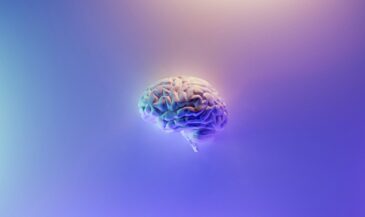

The central nervous system, or CNS, consists of the brain and spinal cord. It receives sensory information, processes and integrates that information, and helps coordinate an appropriate response. Sensation, movement, posture, memory, balance, alertness, digestion, and homeostasis all depend on communication across the nervous system. The central nervous system controls thought, but its influence extends far beyond conscious thought.
For chiropractors, that changes the conversation. The spine is not simply a structural frame surrounding a collection of joints. It protects the spinal cord and exists within an extraordinary sensory and motor communication network. Once patients understand that relationship, chiropractic starts looking less like a conversation about vertebra alone and more like what it has always been about: nerves, communication, adaptability, and nervous system performance.
What Is the Central Nervous System and What Does It Control?
The central nervous system is made up primarily of two structures: the brain and spinal cord. Together, they form one part of the nervous system, while the peripheral nervous system includes nerves outside the brain and spinal cord that communicate with the CNS and the rest of the body.
That anatomical distinction between the CNS and PNS is useful, but these systems do not operate independently. The brain processes information, the spinal cord provides major communication pathways, and the PNS carries information between the CNS and the body. The brain is associated with 12 pairs of cranial nerves, while 31 pairs of spinal nerves connect with the spinal cord.
Receive, Integrate, and Respond
One of the simplest ways to understand central nervous system function is through three basic jobs:
- Receive: Sensory information travels from receptors toward the brain and spinal cord.
- Integrate: The CNS processes and organizes incoming information.
- Respond: Neural signals help create motor output to structures such as muscles and glands.
Take something as ordinary as walking across a room. The nervous system is continually receiving information about body position and the environment. The brain processes that information, and motor commands from the brain travel through appropriate pathways to help coordinate movement.
Of course, the central nervous system does much more than organize voluntary motor function. It participates in learning, sensation, memory, emotion, breathing, digestion, coordination, alertness, and homeostasis. Many systems in the body depend on neurological communication happening without us consciously thinking about it.
That distinction matters in chiropractic. Patients naturally focus on what they consciously feel. But nervous system performance is much bigger than what someone notices on a particular Tuesday afternoon. Neurology is happening every second, whether the patient feels it or not.
Inside the Central Nervous System From Gray Matter and White Matter to the Brainstem
The human brain is wonderfully complex, but we do not need to turn every patient conversation into a neuroanatomy lecture. What matters is understanding enough of the architecture to appreciate how many different functions must work together.
The largest part of the brain is the cerebrum. Its outer cerebral cortex has the characteristic gyri and sulci that increase its surface area. The cerebrum consists of two cerebral hemispheres connected by the corpus callosum. Each hemisphere contains interconnected regions involved in perception, cognition, movement, and behavior.
From the Cerebral Cortex to the Brain Stem
The cerebral cortex is divided into several regions, including the frontal, parietal, temporal, occipital, and insular areas. Each lobe participates in different but interconnected functions involving voluntary movement, sensory processing, memory, language, hearing, and vision.
Deeper structures add another layer. The basal ganglia participate in movement. The thalamus has important roles in processing and relaying information. The hypothalamus participates in homeostasis and works closely with the endocrine system, including regulation associated with the secretion of hormones. The amygdala participates in emotional processing.
The cerebellum is involved in balance, movement, and coordination. The brainstem connects the brain with the spinal cord and includes the midbrain, pons, and medulla oblongata. Developmentally, these regions may also be discussed as the forebrain or prosencephalon, midbrain or mesencephalon, and hindbrain or rhombencephalon, arising from early brain vesicles.
Vision gives us a useful example of integration. Visual information from the retina travels through pathways that include the optic nerve before being processed by appropriate regions of the brain. Something that feels instantaneous depends upon coordinated activity across multiple neural structures.
Gray Matter, White Matter, Neurons, and Glial Cells
At the cellular level, the neuron is a fundamental signaling cell of the central nervous system. A neuron contains a cell body, dendrites, and an axon. Neurons communicate with other cells through synapses, creating an enormous information network.
Those structures help explain gray matter and white matter. Gray matter contains concentrations of neuronal cell bodies, while white matter contains many axons, including axons insulated by myelin.
In the brain, much of the cortical gray matter lies toward the surface, with white matter beneath it. Collections of subcortical gray matter are also found deeper in the brain, including individual areas called a nucleus and structures such as the basal ganglia.
The spinal cord has a different arrangement. Its gray matter sits centrally in the familiar butterfly-like pattern, while white matter surrounds it and contains pathways carrying information through the cord.
Neurons do not work alone. Glial cells, or glia, support central nervous tissue in several important ways. An oligodendrocyte, for example, produces myelin around axons within the CNS.
How the Brain and Spinal Cord Are Protected
When you see how well the body protects the central nervous system, you get some sense of its importance. The brain sits within the skull, while the spinal cord runs through the vertebral canal in the dorsal body cavity.
The brain and spinal cord are also covered by the meninges: the dura mater, arachnoid mater, and pia mater. An individual membrane may be called a meninx. Cerebrospinal fluid provides another layer of protection and circulates through spaces that include each brain ventricle. An extensive blood supply supports highly active brain tissue.
For chiropractors, there is a straightforward point underneath all that anatomy. The vertebral column is not merely something that holds a patient upright. It surrounds and protects one of the body’s principal neurological communication pathways. Structure and neurological function are closely related, even though they are not the same thing.
Learn more about INSiGHT scanning?
Fill this out and we’ll get in touch!
"*" indicates required fields
Why the Central Nervous System Matters in Chiropractic
This is where the anatomy becomes especially interesting for a chiropractor. The central nervous system is constantly receiving information about the body and its surroundings. Movement creates sensory input. Position creates sensory input. The nervous system continually receives that information, processes it, and organizes responses.
That gives us a richer way to explain chiropractic than pointing to a spinal region and reducing the entire conversation to structure.
Sensory Input Is Half of the Neurological Conversation
Afferent neurons carry sensory information toward the CNS. Interneurons help process information within the CNS, while efferent pathways carry output toward the periphery. In simple terms, information comes in, is integrated, and an appropriate response goes out.
That matters when we think about the spine. Movement, position, and mechanical loading provide ongoing sensory information. The CNS must coordinate that input with other information and organize appropriate sensory and motor responses.
This does not mean every altered sensory signal causes disease. It certainly does not mean a chiropractic adjustment cures a neurological condition. It means the nervous system is built around input, integration, and output, and spinal function participates in that larger neurological conversation.
The Spinal Cord Is More Than a Communication Cable
It is tempting to describe the spinal cord as a large wire connecting the brain and body. That gets the basic idea across, but it sells the spinal cord short.
The spinal cord contains ascending pathways carrying sensory information and descending pathways involved in movement. It also participates directly in reflex activity. The stretch reflex, crossed extensor reflex, and Golgi tendon reflex are examples of responses that can involve spinal circuitry without requiring a conscious decision first.
Think about what that means for a patient conversation. A tremendous amount of neurological activity occurs outside conscious awareness. A patient does not have to feel every process occurring within the nervous system for those processes to matter. That is why symptoms can be part of the story without becoming the whole story.
From Spinal Structure to Nervous System Performance
Neurologically-Focused Chiropractic Care widens the lens from structure alone toward nervous system performance. The chiropractor still evaluates the spine, but the better question becomes, “What can we learn about how this nervous system is organizing and adapting?”
That creates a useful conversation about vertebral subluxation, neurological interference, sensory input, postural tension, motor patterns, autonomic regulation, and adaptability without pretending chiropractic explains every neurological condition.
And we need to be clear about that boundary. Serious injuries or diseases affecting the central nervous system require appropriate medical evaluation. Stroke, traumatic brain injury, spinal cord trauma, tumors, Alzheimer’s disease, Parkinson’s disease, amyotrophic lateral sclerosis, degeneration, and inflammatory or demyelinating neurological disorders such as acute disseminated encephalomyelitis are medical situations.
Medical providers may use MRI, CT, EEG, lumbar puncture, and other procedures when investigating CNS disease or injury. The Neurologically-Focused Chiropractor is asking a different functional question: what can objective neurological analysis tell us about this patient’s nervous system performance?
How INSiGHT Scanning Connects Central Nervous System Function to Objective Analysis
Here is the challenge, Doc. You can give patients a beautiful explanation of the central nervous system, sensory input, motor output, autonomic regulation, and adaptability. But most of what you are describing is invisible to them.
That is where neurological scanning changes the conversation.
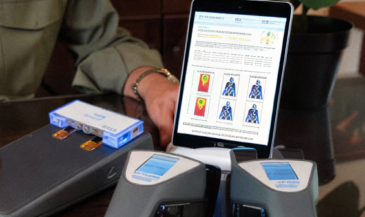
INSiGHT scanning technology does not image the brain or spinal cord, and it does not diagnose CNS disease. INSiGHT neuroTECH and Synapse software provide objective exam data that help chiropractors analyze and communicate aspects of nervous system performance. The chiropractor combines those findings with history, examination, and clinical judgment to build the care plan.
neuroPULSE Looks at Adaptability and Autonomic Reserve
neuroPULSE analyzes Heart Rate Variability, or HRV, giving the chiropractor insight into autonomic balance, adaptability, reserve, and recovery.
For patients, I like keeping this simple. We are asking, “How well can your nervous system shift gears?” A resilient nervous system needs activation when demand rises and recovery when that demand passes. neuroPULSE gives chiropractors objective information that makes this adaptability conversation easier to see and explain.
neuroCORE Shows the Motor Side of the Story
neuroCORE analyzes electrical activity in the paraspinal muscles using surface electromyography. Remember our neurological loop: sensory information comes in, the CNS integrates information, and output travels back toward the body.
neuroCORE gives us objective analysis of one part of how that motor activity is expressed along the spinal region. It helps chiropractors assess postural tension, symmetry, motor tone reactions, energy expenditure, and compensation.
The scan does not diagnose why a pattern exists. It shows objective functional information that the chiropractor interprets alongside the rest of the examination.
neuroTHERMAL Adds an Autonomic View Along the Spine
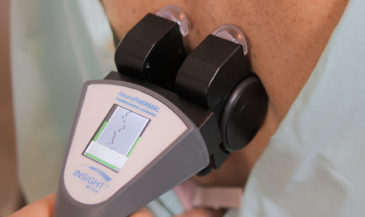
neuroTHERMAL analyzes bilateral paraspinal skin-temperature patterns associated with autonomic regulation. It allows chiropractors to complete a full spine nerve system scan quickly and analyze reproducible patterns across spinal regions.
Again, this is not an image of the spinal cord or a diagnosis of central nervous system pathology. Thermal analysis gives the chiropractor another functional view of nervous system status and another objective reference point to compare over time.
Synapse Turns Complex Neurology Into a Clearer Conversation
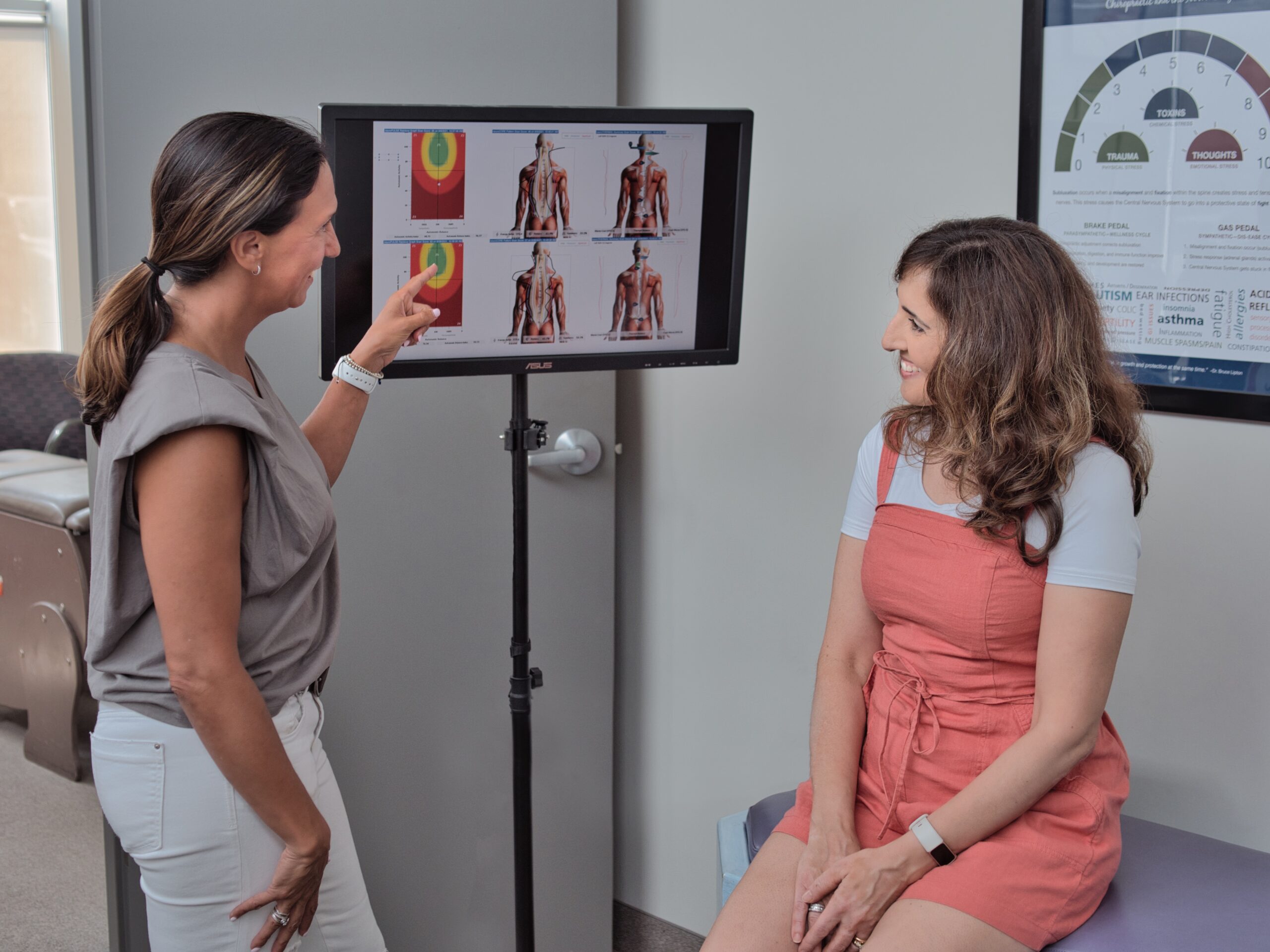
INSiGHT neuroTECH and Synapse software bring these streams of information together. Synapse organizes scan views, reports, and comparisons so chiropractors can use information from neuroPULSE, neuroCORE, and neuroTHERMAL to establish a baseline and follow the patient’s trajectory. CORESCORE can further simplify the findings into a patient-friendly neurological efficiency score.
Think baseline, response, and trajectory. The initial exam establishes where the patient starts. Follow-up analysis helps show how patterns fluctuate. Comparative scan views give the chiropractor and patient a shared reference point for discussing nervous system performance.
Neurological scanning shifts a patient’s attention from spinal structures alone toward nerves and performance. When patients see their nervous system status in living color, complicated neurological concepts become easier to understand.
Bringing the Central Nervous System Back to the Heart of Chiropractic
The central nervous system is remarkable not simply because the brain can think or because the spinal cord carries signals. Its real beauty is integration. Sensory information is continually arriving. Networks of neurons process it. Motor responses are organized. Reflexes occur. Posture is maintained. Internal functions are regulated. The CNS and PNS communicate as the body responds to an environment that never stays completely still.
That is the bigger story chiropractors are positioned to help patients appreciate.
We do not need to tell patients that every problem begins in the spine. We do not need to diagnose conditions from a colored scan. And we certainly do not need to turn every report of findings into a neuroscience lecture. We need to help patients understand one powerful idea: the spine and nervous system are not separate conversations.
The brain and spinal cord sit at the center of a constant flow of information involving sensation, movement, posture, autonomic regulation, and adaptation. When we examine spinal function through that neurological lens, chiropractic becomes much easier to understand.
Objective neurological scanning gives us a practical way to make parts of that invisible story visible. So perhaps the better question for the modern chiropractor is not simply, “Where does this patient have symptoms?” It is, “How well is this nervous system adapting, coordinating, and performing?”
That question brings us back to the heart of Neurologically-Focused Chiropractic Care. It moves the conversation from spinal regions alone to nerves and performance, and from how a patient feels on one particular day toward objective analysis over time.
When patients can see that bigger central nervous system story, chiropractic starts to click. They begin to appreciate the remarkable communication happening between the spine, brain, nerves, and body every second of their lives. And once they understand the why behind their care, they stop counting visits and start valuing results.