
Here’s what most doctors and specialists overlook: the story of a herniated disc isn’t just written in MRI reports or pain scales. The true story plays out deep inside the nervous system—often long before symptoms of a herniated disc ever surface. If you’re only hunting for structural “damage,” you’re missing the root cause and the best shot at helping that person heal and truly adapt.
This is where chiropractic stands out! Too many folks get stuck chasing symptoms—pain management, injections, or “quick fix” surgeries—without ever measuring or addressing their nervous system’s ability to recover. But as chiropractors, we know health is about so much more than symptom relief. That’s where neurologically-focused care—especially when backed by INSiGHT scanning technology—can really shine.
Today’s article is your guide for stepping beyond the old “herniated disc doctor” label. We’ll dig into why disc injuries are as much about adaptability and neurological balance as they are about bulges or ruptures. We’ll show how a full spine, nerve-first approach—anchored by scan visuals and real data—can transform your confidence, your results, and your community’s health.
Understanding Herniated Discs: Anatomy, Causes, and Neurological Impact
Let’s set the record straight: a “slipped disc” doesn’t actually slip out of place. Between each vertebra, you’ve got a tough little miracle called an intervertebral disc—designed to act as a shock absorber and keep you moving with ease. That disc is made of two parts: the sturdy outer annulus fibrosus, and the jelly-like nucleus pulposus at its center.
A herniated disc (sometimes called a herniated disk or even a ruptured disc) happens when cracks in that outer layer let the inner material bulge or leak out. Sometimes, this is a slow burn—years of poor posture, heavy lifting, carrying extra weight, or even just normal wear as the discs begin to dry out with age. Other times, all it takes is a sneeze, a sudden twist, or a long car ride to push things over the edge.
Typical Causes of Herniated Disc and Back Pain:
- Undetected Vertebral Subluxations
- Aging and degeneration
- Injuries (car accidents, falls, sports mishaps)
- Repetitive strain or overuse
- Carrying extra weight or a sedentary lifestyle
- Smoking increases your risk of developing a herniated disc
But here’s the kicker: the trouble starts when that bulging or ruptured disc puts pressure on the spine’s delicate nerves. That’s when patients show up with more than just back pain.
Symptoms of a Herniated Disc:
- Sharp or burning symptoms in the lower back, neck, or along the arms or legs
- Radiating pain (sciatica in the lower back is a classic sign)
- Numbness, tingling, or loss of sensation (radiculopathy)
- Muscle weakness or coordination troubles
- In severe cases, changes in bowel or bladder control (a red flag—see a doctor right away)
Statistically, herniated discs occur in about 5 to 20 out of every 1,000 adults each year, most often in folks aged 30 to 50, and more commonly in men than women. The lower back (lumbar spine) and neck (cervical spine) are the most frequent problem areas. Yet, the pain of a herniated disc isn’t always local—the nervous system’s network means symptoms may show up far from the site of the original problem.
It’s worth repeating: not every disc case is right for conservative care. If you spot sudden, severe muscle weakness, numbness, or a loss of control in the bladder or bowel, that’s when you refer for advanced care. But for most, understanding the real neurological story behind a herniated disc sets the stage for meaningful, lasting healing.
Traditional Care Pathways vs. Neurologically-Focused Chiropractic Care
Here’s the standard journey: a patient develops back pain, heads to their primary care office, and leaves with advice to rest, maybe a script for steroids or pain management medication. If that doesn’t help, they’re sent off to an orthopedic or spine surgeon, sometimes for advanced imaging, steroid injections, or—if things are really bad—surgery for herniated discs.
For cases involving red flags—cauda equina syndrome or rapid neurological decline—modern surgery or advanced medical intervention is essential. And there’s no doubt, when you need an orthopedic surgeon or neurosurgeon, you need one. But for most herniated discs, the traditional pathway tends to treat the disc itself as the “enemy,” focusing on fixing the structure, masking symptoms, or just managing pain.
Conventional Pathway:
- Focus on structural damage (herniation, rupture, or spinal stenosis)
- Medication or steroid injections to relieve pain
- Surgery as a last resort (microdiscectomy, laminectomy, cervical spinal fusion)
- Rehabilitation after surgery or with physical therapists
Neurologically-Focused Chiropractic Care:
- Prioritizes nervous system adaptability and resilience
- Drug-free, vitalistic, and personalized care plan
- Progress measured by neurological scans, not just how the back feels that day
- Regular reassessment with INSiGHT technology
- Collaboration with the care team—including orthopaedic and neurosurgical colleagues—when needed
The real difference? Neurologically-focused chiropractors look past the “what” and get to the “why.” Why did the disc fail to adapt? How’s the nervous system coping? What patterns of tension, exhaustion, or neurological distress are present? This is where you stop being “just a back pain doctor” and become the herniated disc doctor who leads patients toward real recovery and adaptability.
Learn more about INSiGHT scanning?
Fill this out and we’ll get in touch!
"*" indicates required fields
The Chiropractic Assessment: Seeing Beyond the Disc
When a patient comes in with the classic signs—low back pain, neck pain, maybe tingling or weakness—a neurologically-focused assessment never stops at the pain site. The nervous system is a whole-body experience, and the smartest care always begins with a full spine, nerve-first analysis.
What a Neurologically-Focused Herniated Disc Doctor Looks For:
- Thorough health history (including previous injuries, chronic stressors, and lifestyle factors)
- Physical examination (reflexes, muscle strength, sensory mapping, postural analysis)
- Orthopaedic and neurological tests (to pinpoint nerve tension or loss of function)
- Imaging only when necessary (X-ray or MRI if red flags or atypical findings are present)
- Functional movement analysis (how does the patient compensate or guard their pain?)
Many times, the “smoking gun” isn’t just the herniated disk—it’s the accumulated patterns of compensation, old injuries, or nerve tension up and down the spine. The only way to spot those is to go beyond guesswork and bring in objective tools that measure nervous system status.
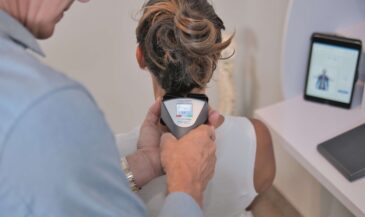
That’s where INSiGHT scanning shines: taking what you feel in your hands and translating it into hard data. It’s how the modern herniated disc doctor tailors a care plan for each patient, never relying on a cookie-cutter approach.
Neurological Scanning and Objective Analysis: INSiGHT Technology at Work
Let’s be honest: nothing builds trust like proof. Patients want to know their care is working—not just by “feeling better,” but by seeing real changes inside their body. That’s what makes INSiGHT neuroTECH technology so invaluable.
Making the Invisible, Visible—INSiGHT’s 3D Approach:
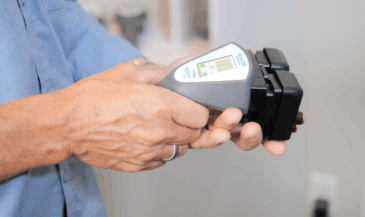
- neuroCORE (Surface EMG): Measures muscle energy, tension, and compensation patterns along the spine—essential for spotting areas of exhaustion or wasted effort in disc cases.
- neuroTHERMAL: Tracks autonomic imbalance, inflammation, and chronic stress by recording skin temperature differences.
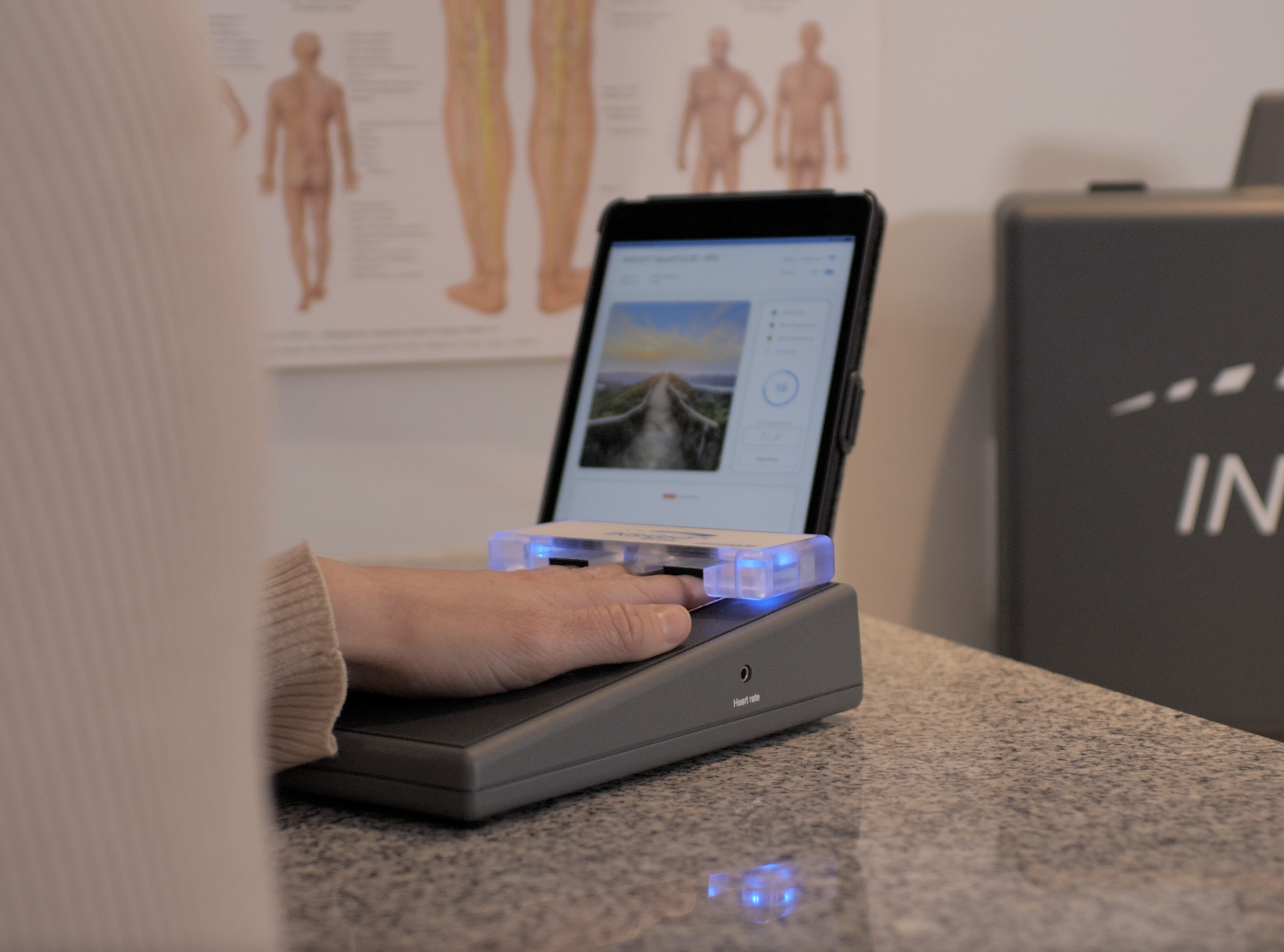
- neuroPULSE (HRV): Assesses adaptability—the nervous system’s ability to recover from neurological distress and return to balance.
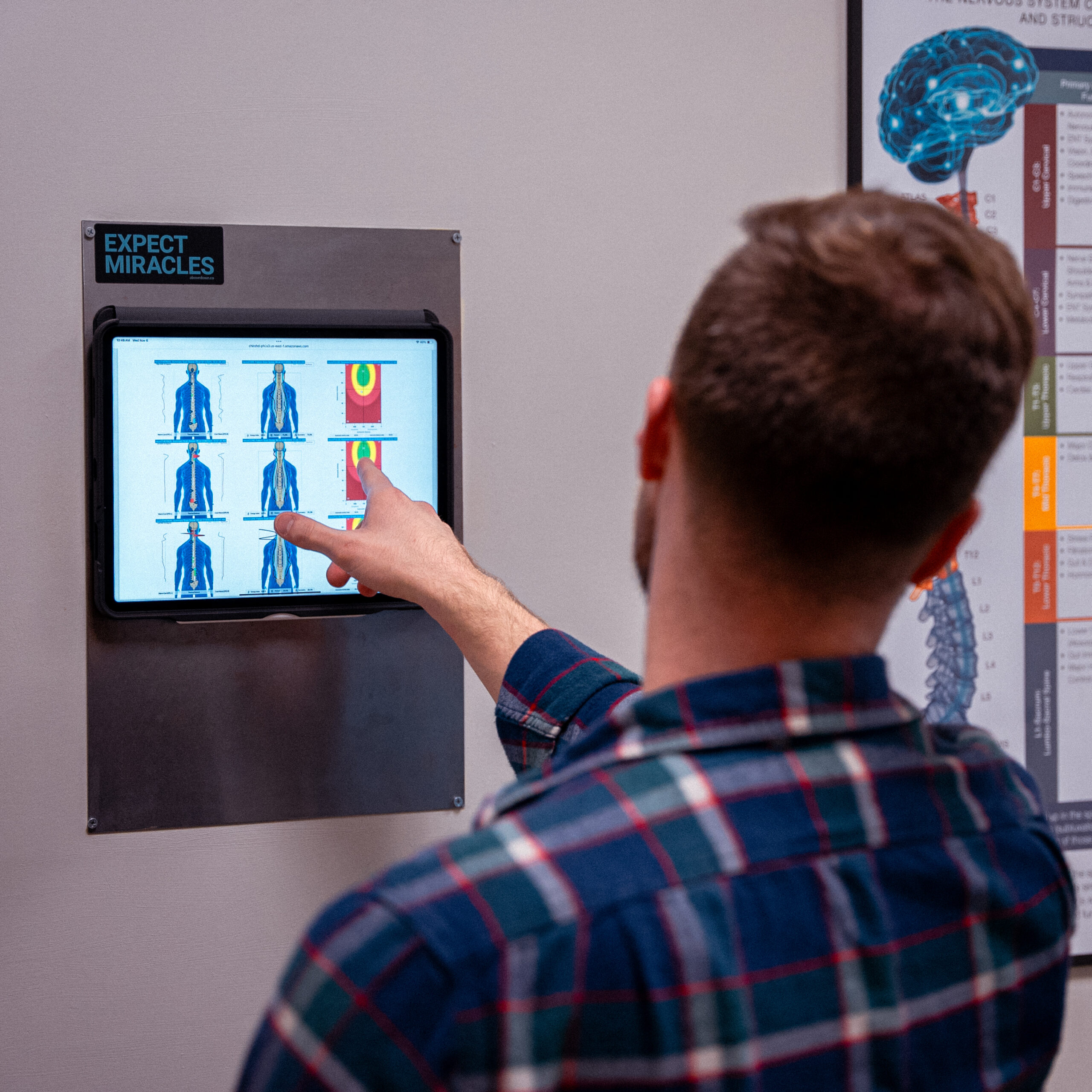
These technologies come together in the CORESCORE—an easy-to-understand metric that lets both doctor and patient track neurological improvement over time. With scan visuals, you can show exactly where tension, exhaustion, or sympathetic overdrive is resolving as care progresses.
Regular scanning isn’t just about “seeing improvement.” It informs every clinical decision, enables individualized treatment for a herniated disc, and provides proof your care is making a difference. That’s how you shift from being seen as a “pain doctor” to a true nervous system leader.
Care Plan Strategies: Chiropractic Adjustments and Disc Healing
No two disc injuries—or nervous systems—are alike. That’s why every care plan for a herniated disc doctor should be built on a foundation of objective data and clinical experience.
How Care Plans Are Built:
- Review scan data from neuroCORE, neuroTHERMAL, and neuroPULSE
- Select gentle, safe adjustments to relieve nerve tension and restore communication between brain and body
- Use flexion-distraction or pelvic blocking to decompress the disc and reduce inflammation
- Support with therapeutic exercises, nutritional recommendations, and at-home strategies
- Track and adapt the plan as follow-up scans reveal progress
Myth-Busting:
Chiropractic doesn’t “pop” herniated discs back into place. The “pop” you might hear during an adjustment is just gas releasing from the joint—not a fix for the herniated disc. The true focus is on restoring neurological balance and adaptability.
By integrating scan visuals and data at every stage, you help patients see real change—not just in symptoms, but in their entire nervous system.
Tracking Progress and Outcomes: The Value of Objective Measures
Healing is rarely a straight line—symptoms wax and wane, and patients can lose faith in the process. That’s why ongoing full spine nerve system scans are so vital. They reveal improvement in neurological function, sometimes even before symptoms fully resolve.
Why Objective Measurement Matters:
- Captures nervous system changes invisible to the naked eye
- Keeps patients motivated and engaged in care, even when pain fluctuates
- Lets you adjust the plan, celebrate wins, and address challenges together
- Documents the effectiveness of your care plan—critical for patient retention and satisfaction
CORESCORE progress reports turn every re-exam into a chance to celebrate, educate, and inspire. That’s what makes neurologically-focused care a cut above for those looking to truly heal—not just cope.
Frequently Asked Questions
What are the symptoms of a herniated disc?
The symptoms of a herniated disc can vary depending on the location of the herniation. Common symptoms include back and neck pain, pain that radiates down the legs or arms, numbness or tingling in the affected areas, and muscle weakness. If you experience severe pain, difficulty moving, or loss of bladder or bowel control, it is important to see a doctor immediately.
What is the best treatment for a herniated disc?
The best treatment for a herniated disc often starts with conservative treatment options such as chiropractic care, rest, and specific exercise routines..How can I heal from a herniated disc?
Healing from a herniated disc typically involves a combination of rest, physical therapy, and pain management techniques. Engaging in gentle exercises and stretches can support the spine and promote recovery. It’s important to follow your doctor’s treatment plan and avoid activities that could aggravate the condition.
When should I see a doctor for a herniated disc?
You should see a doctor if you experience persistent pain, symptoms that are getting worse, or any signs of neurological deficits such as weakness or numbness. Early diagnosis and treatment can help prevent further complications and improve outcomes.
What are the risk factors for developing a herniated disc?
Risk factors for developing a herniated disc include age, as the spine becomes less flexible with time, obesity, sedentary lifestyle, and occupations that require heavy lifting or prolonged sitting. Genetics may also play a role in susceptibility to disc herniation.
Can I treat herniated discs without surgery?
Yes, many patients successfully treat herniated discs without surgery. Nonsurgical options such as chiropractic care, and physical therapy can provide significant relief. In some cases, advanced treatments like minimally invasive procedures may also be available.