
Let’s get this straight from the start: a bulging disc and a herniated disc are not the same thing. While both involve changes to the spinal disc’s structure, they differ in how—and how much—the disc has changed. But here’s what matters more than the disc itself: how your nervous system is responding to the pressure, the tension, and the stress.
The truth is, disc findings on their own don’t always mean you’re headed for back pain or surgery. What really matters is your body’s adaptability. Is your nervous system resilient enough to handle the shift?
In this article, we’ll walk through the difference between a bulging disc and a herniated disc, what causes them, what symptoms may show up, and how chiropractors—especially those using INSiGHT scanning technology—are uniquely positioned to track nerve system performance and help patients build lasting resilience.
What Are Spinal Discs, Really?
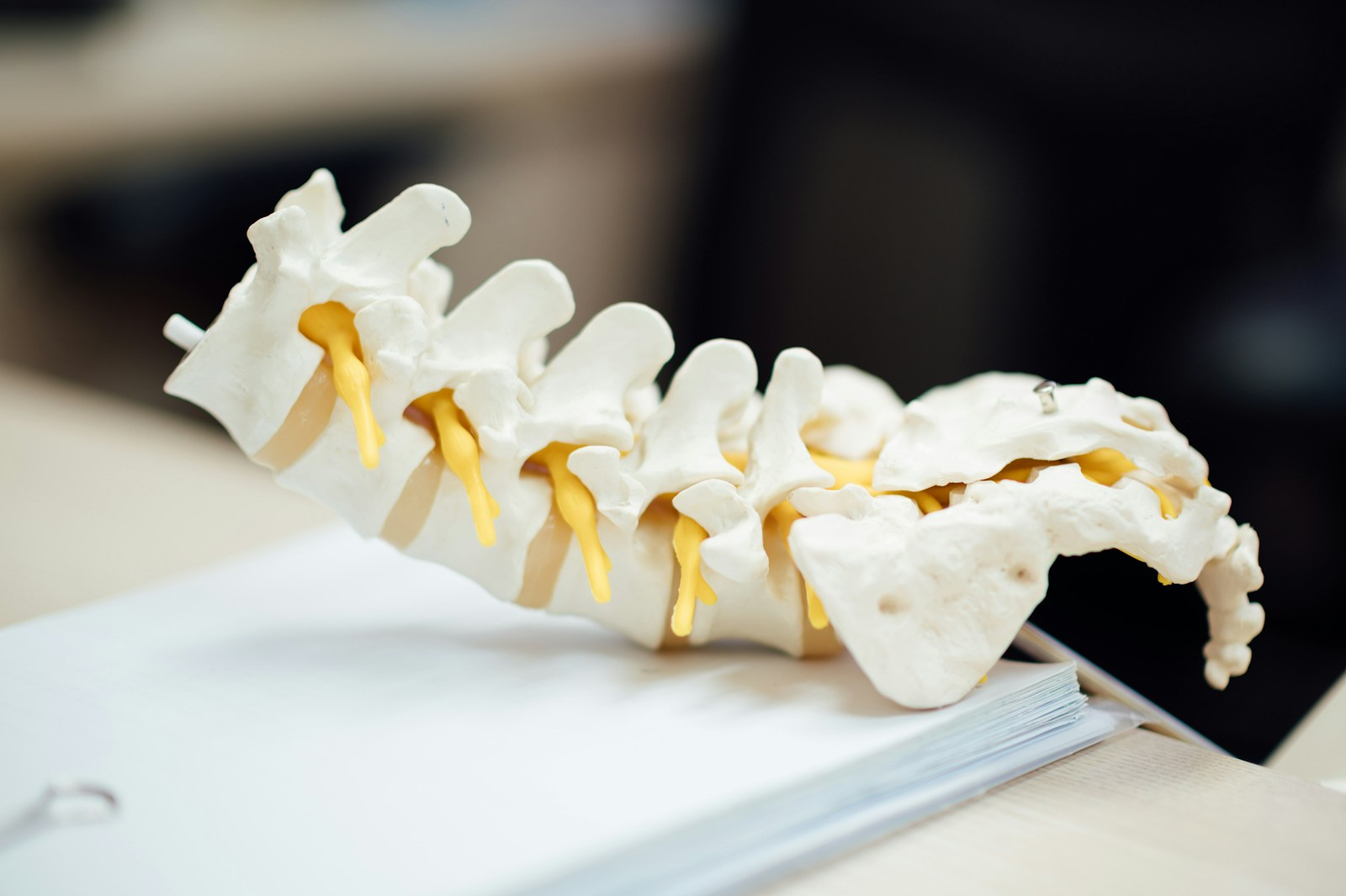
Before we dive into the difference between a herniated disc and a bulging disc, it helps to understand what a spinal disc actually is. Think of each disc as a small but mighty cushion tucked between the vertebra of your spine. These spinal discs aren’t just shock absorbers—they’re critical parts of your spinal structure that allow you to move, bend, and twist without grinding bone against bone, as explained in this anatomy review.
Each disc is made up of two distinct parts:
- The annulus fibrosus – the tough, fibrous outer layer of the disc that holds everything together
- The nucleus pulposus – the soft, gel-like center that helps distribute pressure and maintain flexibility
Picture it like a jelly donut: the outer dough (annulus) protects the inner filling (nucleus). When everything’s intact and hydrated, your discs help your spine move smoothly while safeguarding the delicate nerve tissue nearby.
And that’s the key point—your discs aren’t just structural. They’re closely intertwined with your nervous system. Just millimeters away from these discs are spinal nerves that pass signals from your brain to your body. When disc material shifts—whether from a bulge or a rupture—it’s the nervous system that often ends up carrying the burden.
The Difference Between a Bulging Disc and a Herniated Disc
Let’s break down the key difference between a bulging disc and a herniated disc, because while they’re both disc conditions, they’re not interchangeable.
A bulging disc occurs when the disc’s outer layer—the annulus fibrosus—remains intact but begins to stretch and protrude outward. Think of it like pressing on a water balloon without popping it.
A herniated disc means the inner disc material—called the nucleus pulposus—has broken through a tear in the outer layer. When this disc material escapes, it can leak into the spinal canal and press directly on the nerve root.
| Feature | Bulging Disc | Herniated Disc |
| Outer Layer (Annulus) | Intact | Torn or ruptured |
| Disc Material | Stays contained | Escapes into the spinal canal |
| Onset | Often gradual | Sudden or gradual |
| Symptoms | May be mild or absent | More likely to cause nerve irritation |
| Common Locations | Lumbar and cervical regions | Lumbar and cervical regions |
Learn more about INSiGHT scanning?
Fill this out and we’ll get in touch!
"*" indicates required fields
What Causes Disc Changes?
It’s easy to hear terms like “disc degeneration,” “slipped disc,” or “bulging or herniated disc” and assume something has gone wrong. But in many cases, disc changes are a natural part of life.
In fact, research confirms that degeneration is common with age and not always problematic. The disc may dry out, flatten, or lose its shape, especially in the lower back or neck.
Common contributors to disc degeneration and disc problems include:
- Prolonged sitting, especially in slouched posture
- Heavy lifting or repetitive motion jobs
- Past spinal injuries or trauma
- Lack of motion, which limits disc hydration
- The natural aging process
What determines whether a bulging disc or herniated disc becomes a problem is often whether the nervous system can keep up. If nerve tension builds or adaptive reserve drops, symptoms can emerge.
Herniated Disc Symptoms vs. Bulging Disc Traits
When the nervous system starts to struggle, symptoms of a herniated or bulging disc may show up. These symptoms vary depending on the location and severity of the disc issue—but also on the adaptability of the nervous system.
Common herniated disc symptoms include:
- Back pain or neck discomfort
- Radiating pain into the arm or leg
- Numbness, tingling, or “pins and needles”
- Muscle weakness or instability
- Symptoms that worsen with sitting, coughing, or sneezing
Even small disc changes can cause pain if the system is overwhelmed. In many cases, what we call a “disc problem” is really a nervous system communication problem.
The Role of Imaging—And Its Limits
MRIs and CT scans can confirm a bulging or herniated disc, but they don’t tell us the whole story. Imaging captures structure—not function. It doesn’t measure nerve tension, sympathetic overdrive, or adaptability.
That’s why Neurologically-Focused Chiropractors rely on functional assessments in addition to imaging. Nerve interference, not just disc shape, is the true driver of dysfunction.
Why the Nervous System’s Response Matters Most
The disc and a herniated disc both apply pressure—but the real difference lies in how the nervous system handles that pressure. If the system is stuck in stress mode, even a mild bulge can send things off track.
When a patient is in a state of sympathetic overdrive, their body is less capable of adapting to mechanical tension. This is what leads to persistent symptoms, even in the absence of major damage.
Chiropractors look at these issues through the lens of neurological performance. When interference is reduced and adaptability restored, symptoms often improve—regardless of whether the disc has changed shape.
The Chiropractic Approach: Restoring Resilience
Chiropractic care doesn’t directly treat the disc. Instead, we work to restore the nervous system’s ability to adapt to stress, injury, and inflammation.
Specific adjustments aim to reduce neurological interference, relieve postural tension, and support the body’s healing response. The approach is drug-free and adaptability-focused.
When a care plan is supported by neurological data, chiropractors can:
- Improve spinal motion near the affected disc
- Relieve muscle tension and guarding
- Reduce nerve root irritation
- Build adaptive reserve
- Prevent disc flare-ups from recurring
Using INSiGHT Scanning Technology to Track Progress
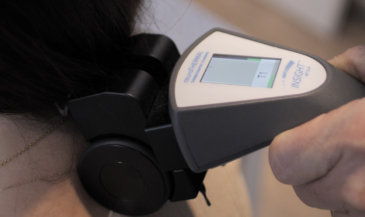
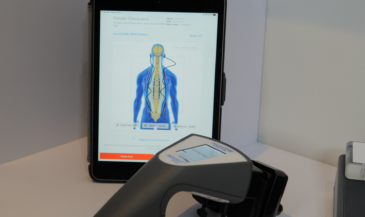
To make care measurable, chiropractors use INSiGHT scanning technology, which tracks how disc interference may be affecting the nervous system in real time.
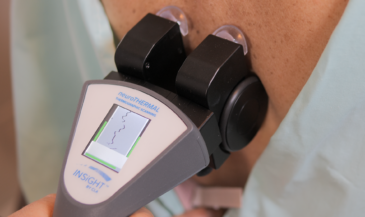
- neuroTHERMAL scans reveal autonomic imbalances along the spine.
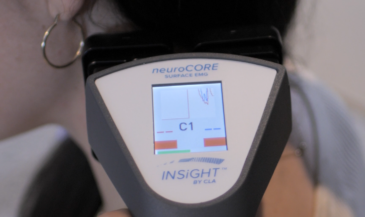
- neuroCORE sEMG scans track energy imbalance and postural fatigue.
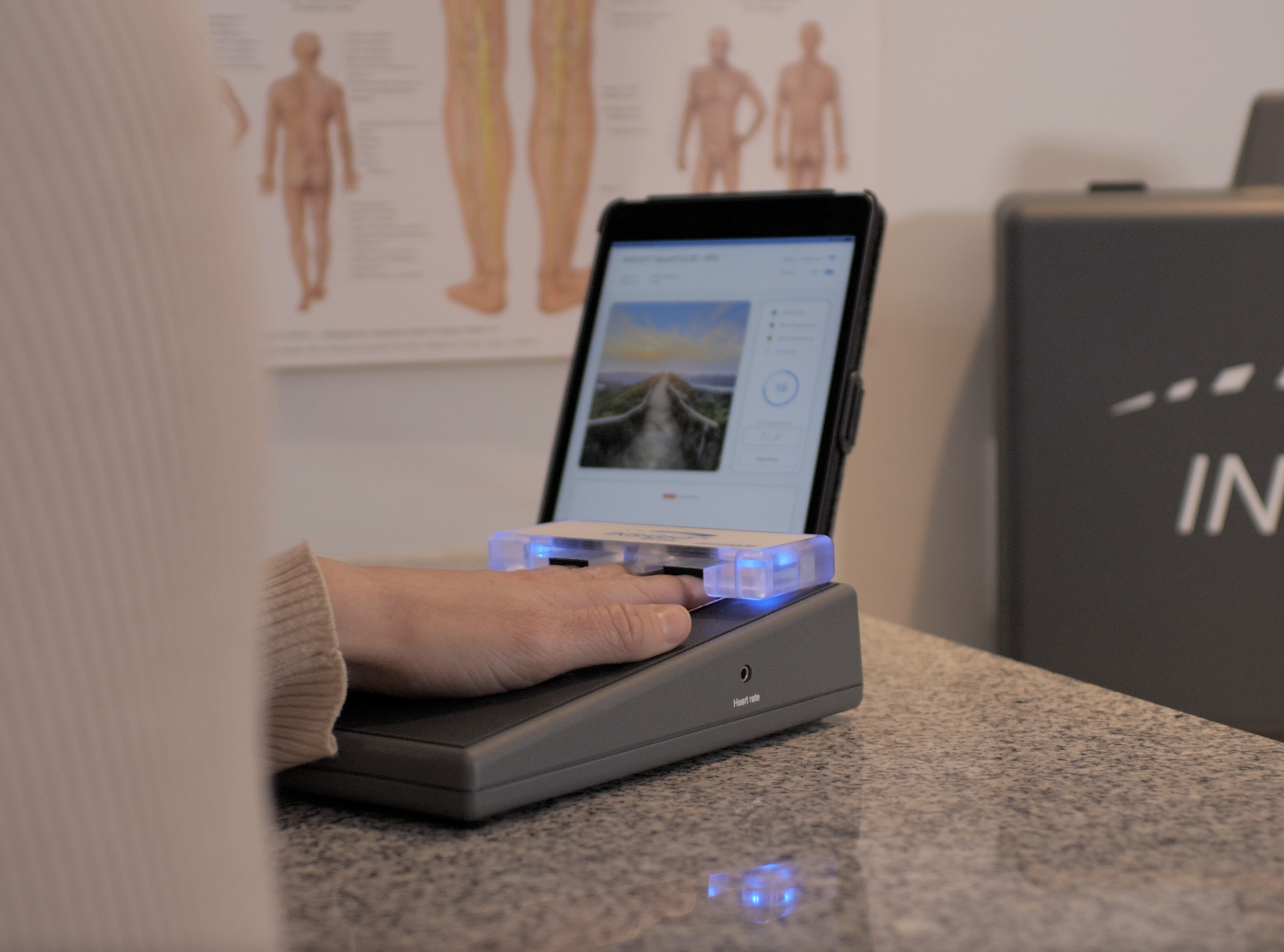
- neuroPULSE HRV scans reveal adaptability under stress.
- The CORESCORE compiles all metrics into one score, offering an easy-to-understand view of the nervous system.
These scans shift the conversation from structural fear to functional clarity.
From Disc Diagnosis to Nervous System Direction
So, is a herniated disc the same as a bulging disc? No—and yes. They differ in structure, severity, and onset. But what matters more than the difference between a bulging disc and a herniated disc… is how the nervous system is handling it.
Bulging and herniated discs may show up on scans long before symptoms do. But that doesn’t mean you’re broken. It means your body is doing its best to adapt.
And chiropractors using tools like INSiGHT scanning are uniquely trained to read that adaptation, support it with personalized care, and build lifelong resilience—without drugs, without fear, and without guessing.