

As chiropractors, we see this every day. People chase the newest pillow, yet miss the fundamentals of sleep posture. A supportive setup for your cervical spine is straightforward, whether you prefer sleeping on your back or your side. Small changes—like choosing a pillow that supports the natural curve of the neck, or placing a pillow under your knees to relax the lower back—quickly add up. On the other hand, sleeping on your stomach twists the head and neck for hours, straining soft tissues that were meant to unwind overnight.
In the pages ahead, we’ll walk through the positions and pillow choices that are good for your spine, explain why certain sleeping positions can cause neck pain, and show how a neurologically focused approach helps you coach patients toward better sleep. We’ll also connect these practical tips to objective analysis using INSiGHT scanning technology, so you can document progress, build certainty, and help more people start the day with a calmer, more resilient neck.
Understanding the Cervical Spine and Sleep Posture
The cervical spine is a remarkably mobile, load-sharing system that keeps your head and neck aligned with the rest of your spine while you move and rest. At night, alignment matters even more. When your neck muscles finally let go of the day’s workload, the body relies on a neutral position to restore tissue glide and calm the nervous system. If the head is bent or rotated for hours, the effect of sleep posture shows up as morning stiffness, neck pain, or even shoulder and neck pain. Over time, sleeping in the wrong position can contribute to neck pain by repeatedly tugging on joint capsules and irritating sensitive structures that were meant to recover overnight.
From a neurologically focused perspective, sleep posture on neck muscle activity is never just about cushioning—it’s about communication. The cervical spine houses nerve pathways that coordinate posture, balance, and recovery. When alignment drifts, the body compensates with postural tension and protective guarding. That pattern can nudge the system toward sympathetic overdrive, disrupting sleep quality and making it more likely you’ll wake up with neck pain. Keeping the neck properly aligned reduces mechanical strain and eases neurological distress, which is good for your spine and your capacity to heal.
So what does a neutral position look like in bed? Think straight lines and gentle curves. The natural curve of the neck should be supported without forcing the chin toward the chest or letting the head drop back. Your ear, shoulder, and hip should sit roughly in a straight line. If gravity creates gaps between your body and the mattress, place a pillow to fill those spaces and support the neck. This simple approach helps prevent awkward angles that cause pain, reduce neck pain over time, and promote a calmer start to the day.
- Neutral means supported: Use a pillow that maintains the cervical curve without pushing the head forward.
- Avoid long rotations: Prolonged head turn—common when you sleep on your stomach—is a frequent cause of neck pain upon waking.
- Check side-to-side symmetry: If you sleep on your side, be sure the pillow height fills the ear-to-shoulder gap so the neck is aligned with the rest of the spine.
- Mind habitual sleep patterns: Preferred sleeping habits are powerful; adjust gradually and reinforce the new setup until it feels natural.
The Best Sleeping Positions for Neck Relief
For most people, the best sleeping positions for the neck are simple and sustainable: back or side. Both positions keep your head and neck aligned with the rest of your spine, protect the natural curve of the neck, and make sleeping with neck pain more manageable. The goal is a neutral position that offloads the cervical spine, calms postural tension, and supports a good night’s sleep.
Sleeping on Your Back
Back sleeping distributes weight evenly across the back and neck, letting tissues decompress and reset. To make back sleeping good for your spine and your lower back, a few small adjustments go a long way.
- Choose a thinner pillow for the head and a cervical pillow or small neck roll to support the neck. This maintains the natural curve of the neck without pushing the chin down.
- Place a pillow under your knees to relax the lower back and encourage a neutral lumbar curve.
- Keep your head and neck aligned—avoid stacking multiple pillows that flex the neck and can cause morning pain and stiffness.
Many people with neck pain find that back sleeping may reduce neck tension if the setup prevents the head from jutting forward. When the neck is properly aligned, you protect both back and neck pain patterns and allow for better sleep quality.
Side Sleeping
Side sleeping is an excellent choice when the details are dialed in. The key is to use a pillow that fills the gap from ear to shoulder so the neck stays level. This keeps your neck aligned with the rest of your spine and reduces shear forces on the cervical joints.
- Use a pillow slightly higher under the neck than under the head to maintain alignment.
- Place a pillow under your top arm to settle the shoulder girdle and reduce shoulder and arm pain.
- Consider a pillow between the knees to keep the pelvis neutral and spare the lower back.
What to Avoid
The worst sleeping position for neck pain is typically lying on your stomach. Prolonged rotation forces the cervical spine into a twisted posture, can cause neck pain, and may aggravate chronic symptoms.
- If you can’t sleep any other way, modify the posture: place a thin pillow under the hips and lower abdomen to reduce lumbar extension, and use a very flat pillow—or none—under the head to minimize rotation.
- Retrain gradually: Use pillows to guide yourself toward back or side positions.
- Re-check your setup if you frequently wake up with neck pain.
Learn more about INSiGHT scanning?
Fill this out and we’ll get in touch!
"*" indicates required fields
How Pillows Shape Cervical Support
The right pillow is more than comfort—it’s an alignment tool. When a pillow supports the natural curve of the neck, the head and neck remain aligned with the spine. That’s when neck muscles let go of postural tension, and sleep quality improves. When a pillow is too high or too stiff, it can keep your neck flexed for hours, leading to morning pain and stiffness.
Cervical pillows are designed to cradle the head while providing a subtle ridge to support the neck. This shape keeps your neck properly aligned whether you’re back or side sleeping. For many people with neck pain, memory foam or latex maintains its shape through the night and offers consistent neck support. Feather pillows can feel great initially, but they compress and lose loft, often requiring replacement every year to keep your head and neck aligned.
- Back sleeping setup: Use a thinner pillow under the head and a small neck roll to support the curve without forcing the chin down.
- Side sleeping setup: Choose a pillow height that fills the ear-to-shoulder gap; it should be slightly higher under the neck than under the head.
- Material matters: Memory foam or latex holds loft; feather pillows need regular fluffing and replacement.
The Sleep–Nervous System Connection
Sleep is when repair meets regulation. During restful sleep, the nervous system downshifts, muscles release tension, and the brain releases hormones that drive tissue repair. When that cycle is interrupted—difficulty falling asleep, waking often, or non-restorative sleep—the body misses key windows for recovery. Poor sleep quality can amplify musculoskeletal pain and make it more likely you’ll wake up with neck pain.
Research suggests that people with persistent sleep disturbances are more likely to develop spinal pain and chronic neck pain over time. Disrupted sleep interferes with the normal relaxation of neck muscles and the nervous system’s reorganization during rest. That keeps you closer to sympathetic overdrive, raises baseline tension, and can make sleeping with neck pain feel like a nightly battle.
From a neurologically focused chiropractic lens, sleep posture is inseparable from nervous system performance. A neutral position reduces irritation from stressed tissues, quiets reflex guarding, and allows the cervical spine to settle. That sets the stage for better sleep quality and improved resilience.
The Neurological Approach: How INSiGHT Scanning Completes the Picture
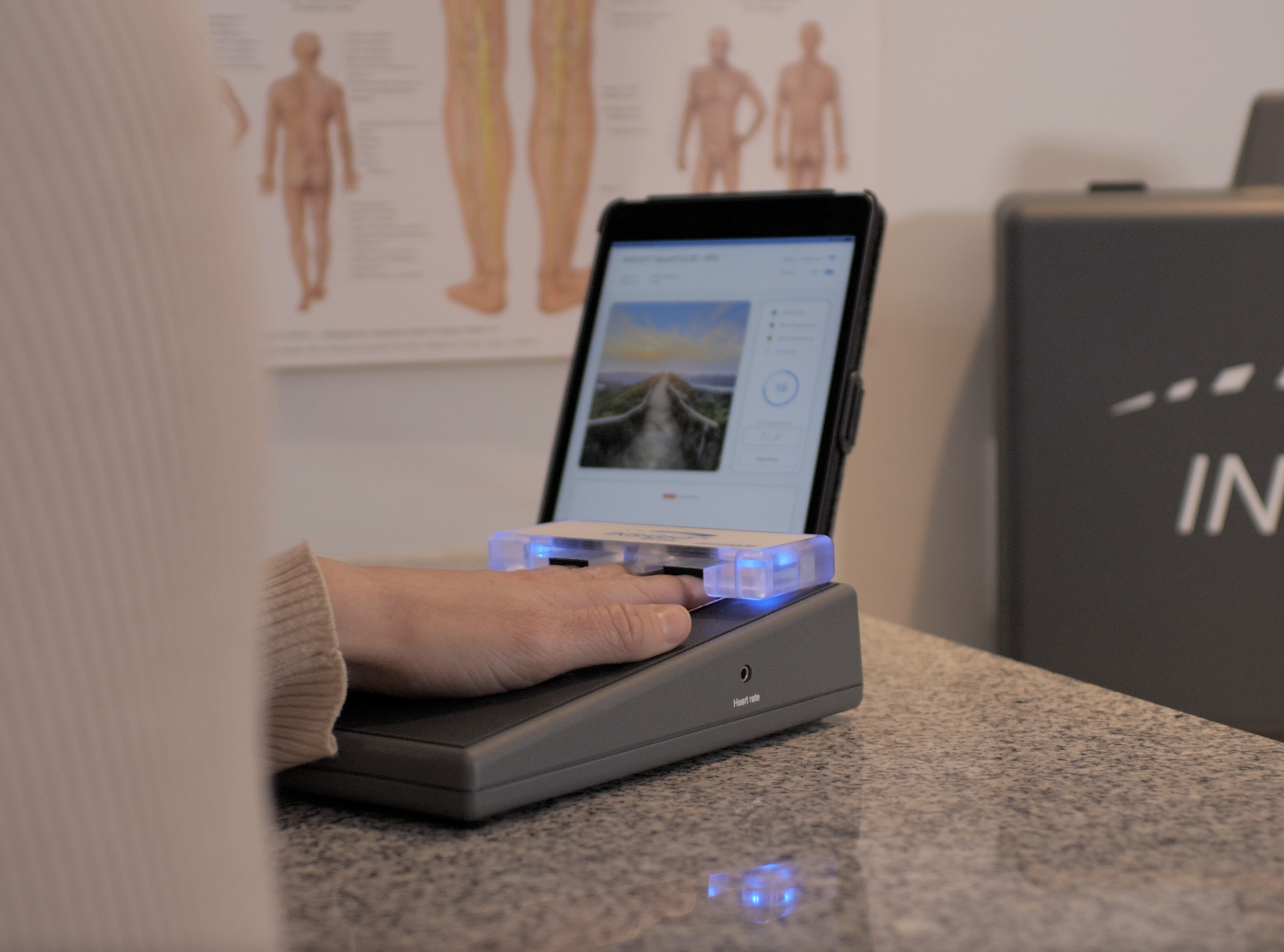
Chiropractic adjustments help reduce neurological interference and restore adaptability—but how do you measure those changes? That’s where INSiGHT scanning technology provides clinical clarity. These tools help you visualize patterns of tension and recovery linked to posture and sleep.
- neuroCORE (sEMG): Reveals postural tension and muscle asymmetry, showing how neck muscle activity fluctuates with poor sleep posture or prolonged forward head carriage.
- neuroTHERMAL: Measures autonomic balance through skin temperature; chronic sympathetic overdrive from poor sleep or alignment often appears as asymmetrical readings.
- neuroPULSE (HRV): Captures the body’s adaptability and rest capacity. Low readings often parallel non-restorative sleep and fatigue.
Together, these form the CORESCORE, a single neurological efficiency index that helps doctors and patients track how care plans improve nervous system performance and promote quality sleep. The chiropractor interprets these scan views to design individualized care plans that address underlying neurological tension, not just surface-level symptoms. It’s objective proof that better alignment and restful sleep go hand in hand.
Practical Steps for Chiropractors: Coaching Sleep Hygiene and Alignment
During progress exams, review sleep posture alongside scan views to illustrate how neurological distress patterns change under care. Encourage gentle neck stretches before bed, and remind patients that consistent sleep schedules support adaptability. A supportive sleep environment—cool, dark, and screen-free—reduces sensory overload that can keep the nervous system in stress mode.
- Replace pillows that have lost structure or loft.
- Reinforce back or side sleeping, adjusting pillow height until the head and neck remain neutral.
- Use progress scans to show how reduced neurological distress correlates with better sleep quality.
Care plans work best when daily posture, adjustment rhythm, and nighttime rest align. Each reinforces the other, helping patients find relief and experience truly restorative, quality sleep.
The Neurology of a Good Night’s Sleep
A good night’s sleep starts with alignment—but thrives with a balanced nervous system. The neck is the gateway between brain and body; caring for it means protecting communication and adaptability. By combining practical sleep advice with the clarity of INSiGHT scanning technology, chiropractors can help patients achieve not just symptom relief, but long-term neurological balance. The result: fewer sleep disturbances, improved nervous system performance, and a calmer, more restorative night’s sleep that promotes healing from the inside out.