

What is vasovagal syncope
Vasovagal syncope is a type of fainting that happens when a reflex in the autonomic system briefly lowers heart rate and blood pressure at the same time. When that drop in blood pressure reduces blood flow to the brain, a transient loss of consciousness can follow. This is the most common cause of fainting and is also called reflex syncope or neurocardiogenic syncope. For many people, syncope occurs in predictable settings such as prolonged standing, standing up too fast, heat, dehydration, or the sight of blood. Most people regain consciousness quickly once they are lying or sitting because blood flow to the brain is restored.
The vagus nerve is central to this reflex. Under certain conditions, the vagus nerve can be overstimulated and slow the heart rate while blood vessels widen. Blood can pool in the legs, venous return can drop, and reduced blood flow to the brain can follow. The result is a syncopal event that often resolves within seconds once the person is supported on the floor or a table. Understanding this mechanism gives us the leverage to teach people how to recognize symptoms before fainting and how to prevent fainting with simple counterpressure and position changes.
Clinically, syncope includes a short window of warning signs. People may report feeling dizzy or lightheaded, seeing dim or tunnel vision, or noticing clammy skin and nausea. These symptoms of vasovagal syncope are useful because they mark the moment to act. Sitting or lying with the legs elevated helps restore blood flow. If standing is unavoidable, crossing the legs and tensing the muscles of the arms, legs, and buttocks can assist the body in maintaining heart rate and blood pressure long enough to avoid a fainting episode.
You will see several names used for this type of fainting. They all point to the same reflex pathway:
- Vasovagal syncope
- Reflex syncope
- Neurocardiogenic syncope
While occasional episodes of fainting due to vasovagal syncope are common, recurrent syncope deserves attention to rule out other causes of syncope such as an arrhythmia or metabolic issues. With a clear understanding of the cause of fainting and a few practical tools, patients with syncope can lower their risk of fainting and feel more confident in everyday situations.
Common triggers and early warning signs
Vasovagal syncope occurs when the autonomic reflex lowers heart rate and blood pressure together, which reduces blood flow to the brain. For people with vasovagal syncope, the most reliable path to prevention is to understand common triggers and to act quickly when symptoms before fainting appear. When patients and teams can name what sets a syncopal event in motion, they can take preventive measures to avoid the next fainting episode.
Common triggers include environmental and situational loads that stress regulation. The sight of blood is a classic example. So are prolonged standing in heat, crowded rooms, donating blood, and standing up too fast from a lying or sitting position. Dehydration increases the risk of fainting by lowering circulating volume and venous return. Intense emotion or a sudden burst of severe symptoms can also prime a vasovagal reaction. Less common triggers can include coughing, swallowing, urinating, or bowel movements. Each of these situations can temporarily shift the reflexes that stabilize heart rate and blood pressure.
Coach patients to notice the earliest prodrome. A fainting spell is often preceded by feeling dizzy or lightheaded, visual dimming, a sense of warmth or clammy skin, nausea, muffled hearing, and a quick awareness that something is not right. These early symptoms of a vasovagal episode are the window to act. Prompt action can restore blood flow to the brain before full loss of consciousness. Most people regain consciousness quickly after a transient loss of consciousness, but preventing the fall is the priority.
Use this quick checklist to help people with vasovagal syncope identify and respond to warning signs:
- Know common triggers. Prolonged standing, standing up too fast, heat, dehydration, crowded spaces, blood draws, and the sight of blood are high risk.
- Catch the prodrome. If a fainting spell is preceded by feeling dizzy, lightheaded, clammy, nauseated, or visually dim, prepare to sit or lie down.
- Secure the environment. If syncope occurs, remove hazards, guide the person to a safe position, and elevate the legs to restore blood flow.
- Plan around known triggers. For procedures, ask to be lying or sitting from the start. For travel or events, identify places to rest and hydrate.
Inside the practice, train the team to watch for early signs during exams and conversations. If a patient becomes pale, slows speech, or reports tunnel vision, shift them to a lying or sitting position immediately. These simple steps reduce the recurrence of vasovagal syncope and build confidence for patients with recurrent episodes.
Learn more about INSiGHT scanning?
Fill this out and we’ll get in touch!
"*" indicates required fields
Day-to-day vasovagal syncope prevention strategies
Practical routines make the biggest difference in vasovagal syncope prevention. Because syncope occurs when heart rate and blood pressure dip together and blood flow to the brain drops, the daily goal is to keep circulation steady, avoid stacking triggers, and act early. People with vasovagal syncope can prevent fainting by building simple habits that support venous return, reduce sudden shifts, and keep the system more adaptable to change.
Hydration and volume support. Staying well hydrated increases circulating volume and helps maintain blood pressure during position changes. Some patients with recurrent syncope may be advised by their medical provider to increase salt intake to expand volume. This should always be individualized and overseen by a clinician, since salt can raise blood pressure in sensitive people. Remind patients that caffeine and alcohol can be dehydrating, especially in hot environments or on travel days when prolonged standing is likely.
- Drink water regularly through the day to support stable blood flow to the brain.
- Ask your healthcare provider whether a higher salt diet is appropriate for prevention of recurrent vasovagal syncope.
- Carry an electrolyte solution for long outings, events, or travel days to lower the risk of fainting.
Gradual transitions and trigger planning. Standing up too fast is a common cause of fainting in susceptible individuals. Encourage patients to pause at the edge of the bed, flex ankles and calf muscles to prime venous return, then rise slowly. Heat, crowded rooms, and the sight of blood can each trigger a vasovagal reaction. Those with known triggers should plan ahead to reduce exposure and to have a seat available if needed.
- Rise in stages from lying or sitting, and test balance before walking.
- During hot weather or packed events, schedule hydration breaks and locate seating in advance.
- If blood draws are required, request a lying position and remain for a minute after the procedure to ensure stability.
Movement, conditioning, and compression. Regular, moderate exercise can support autonomic adaptability and vascular tone. For patients with vasovagal syncope who spend long periods standing, compression stockings or an abdominal binder may support venous return and reduce pooling in the legs. These practical tools serve people whose work or routines include prolonged standing where syncope episodes have occurred.
- Use graduated compression stockings when long standing is unavoidable.
- Build a steady routine of walking and light strength work to support venous return and autonomic balance.
- Avoid extreme exertion or prolonged exercise in heat if these have been a trigger.
Build a personal prevention plan. People with vasovagal syncope benefit from a written checklist that links their specific trigger to a simple action. This lowers anxiety and keeps prevention steps top of mind. For example, if the sight of blood has caused a fainting episode, the plan could read, “For shots or bloodwork, lie down, look away, breathe slowly, and stay lying for one minute after.” If recurrent fainting is a concern, encourage a medical check to rule out other causes of syncope before assuming all episodes are due to reflex syncope.
These routines do not replace diagnosis and treatment from a medical provider when red flags are present. They form the daily foundation that helps patients with syncope reduce the risk of fainting in ordinary settings. When combined with coaching on counterpressure maneuvers, the likelihood of a full syncopal event drops and confidence rises in people with recurrent episodes.
In-the-moment steps to prevent fainting
When symptoms before fainting appear, acting quickly can prevent a full syncopal event. The goal is simple. Support venous return, raise blood pressure, and restore blood flow to the brain before loss of consciousness. Teach patients to treat the prodrome as a green light to start counterpressure maneuvers and position changes immediately. This practical playbook helps prevent fainting in real time and reduces the recurrence of vasovagal syncope.
Recognize the window to act. A vasovagal reaction often announces itself. People describe feeling dizzy, lightheaded, or nauseous. Vision may dim or blur. Skin can feel cold and clammy. Sound may muffle. If standing, the legs can feel unsteady. This is the moment to shift position and use muscular counterpressure. Syncope occurs when heart rate and blood pressure drop together, which reduces blood flow to the brain. Timely action can stabilize heart rate and blood pressure long enough to avoid a fainting episode.
Counterpressure maneuvers to use anywhere. These maneuvers recruit large muscle groups to squeeze the vascular system and support venous return. They are simple and portable for people with vasovagal syncope.
- Leg cross and squeeze. Cross the legs at the ankles and press them together. Simultaneously tense the muscles of the arms, legs, and buttocks. Hold for 10 to 15 seconds, release for a few seconds, then repeat.
- Handgrip or fist clench. Grip a rubber ball or make a tight fist with both hands and hold tension.
- Quadriceps and gluteal squeeze. If crossing the legs is not possible, stand tall and contract the thighs and gluteal muscles hard.
- Squat, sit, or lie down. If the prodrome is strong, move to a squat or sit immediately. When available, lie down and elevate the legs to restore blood flow to the brain.
Coaching cues for teams and families. When a patient or family member reports a rising wave of symptoms of a vasovagal episode, help them to a safe, lying or sitting position. Loosen tight clothing at the neck. Encourage slow nasal breathing once stable. If the trigger is the sight of blood, shift the gaze away and coach a steady handgrip. Keep the environment calm. Most people regain consciousness quickly once circulation improves. If the episode does not resolve, or if chest discomfort, shortness of breath, or palpitations occur, escalate to medical care to rule out other causes of syncope.
Diagnosing vasovagal syncope and ruling out other causes
Not all fainting is due to a vasovagal reaction. Diagnosis and management of syncope begin with a careful history, a review of common triggers, and a screening for red flags. Patients with recurrent vasovagal syncope benefit from a clear plan, but first it is important to rule out other causes of syncope such as cardiac arrhythmia, heart rhythm conduction issues, metabolic derangements, seizure, or medication effects. This safeguards patients and guides appropriate referral.
Diagnosing vasovagal syncope often involves pattern recognition. Classic situations include prolonged standing in heat, the sight of blood, donating blood, or standing up too fast. When uncertainty remains, a head-up tilt test or tilt table test can be used to evaluate whether syncope is induced by head-up tilt and to document a head-up tilt test response. Basic cardiac screening may be ordered to rule out arrhythmia and other possible causes. Guidelines for the diagnosis from cardiology organizations, including the European Society of Cardiology, emphasize careful history taking and targeted testing.
Urgent referral is advised if syncope includes chest discomfort, shortness of breath, ongoing palpitations, new confusion, or a family history of sudden cardiac death. In those situations, ask your healthcare provider to evaluate immediately.
For patients with vasovagal syncope whose episodes are predictable and preceded by feeling dizzy with known triggers, much of the work is education. The diagnosis of vasovagal syncope sets the stage for prevention. It helps the person and the team take preventive measures to avoid high-risk situations and to use counterpressure at the first sign of symptoms.
Management and treatment options for recurrent vasovagal syncope
Management and treatment for vasovagal syncope start with lifestyle steps and counterpressure. These are the foundation for the prevention of neurally mediated syncope. People with recurrent episodes can add compression strategies and plan around known triggers. When fainting spells persist despite diligent prevention, medical options may be considered.
- Medications. In selected cases, physicians may prescribe midodrine, fludrocortisone, or selective serotonin reuptake inhibitors. These options are considered after lifestyle measures and may be supported by evidence from controlled trial settings. Medication decisions are individualized and monitored.
- Devices. In rare scenarios where documented pauses or specific heart rhythm patterns accompany syncope, a pacemaker can be considered by cardiology. This is uncommon and reserved for patients with syncope where other measures have failed and rhythm abnormalities are clear.
- Compression and conditioning. Compression stockings and steady conditioning support venous return and help manage prolonged standing.
For patients with recurrent vasovagal syncope, emphasize that prevention is a learned skill. The combination of hydration, gradual transitions, compression, and real-time counterpressure usually reduces the recurrence of vasovagal syncope. Continued episodes should prompt a review to rule out other causes and to revisit individualized care with the medical team.
The chiropractic lens: autonomic balance, reserve, and adaptability
From a neurologically focused chiropractic perspective, prevention is about improving adaptability. The autonomic system governs heart rate and blood pressure responses to daily challenges. When a trigger overwhelms a person’s reserve, syncope occurs. Helping patients recognize triggers, build daily routines, and use counterpressure maneuvers is a drug-free strategy that supports better nervous system performance under load.
In practice, that looks like simple coaching. Hydrate well. Rise gradually. Use compression when standing long hours. Practice leg cross and squeeze and handgrip so they are ready when needed. Recognize that a vasovagal reaction is a reflex that can be steered in the moment. The goal is fewer syncope episodes, fewer injuries from falls, and more confidence in everyday situations.
Chiropractors also ensure safety inside the office. If a patient has ever fainted, note it on intake, identify common triggers, and prepare the room so lying or sitting is available quickly. This attention to detail reinforces trust and keeps care efficient.
How INSiGHT scanning technology supports prevention and communication
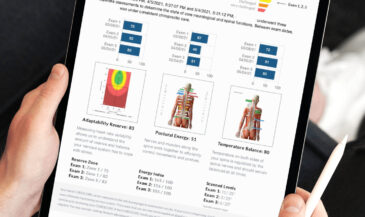
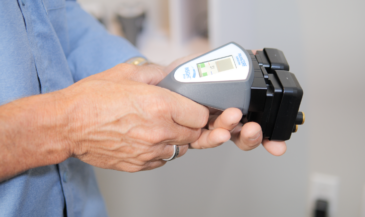
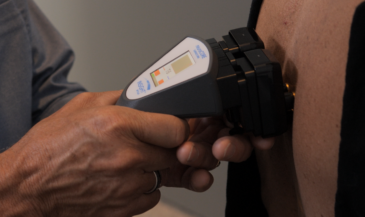
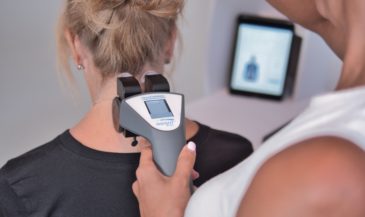
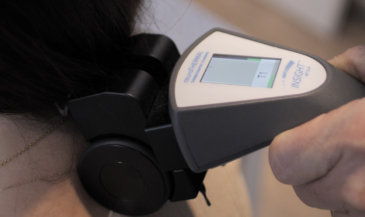
Objective analysis helps patients understand why syncope occurs and what to do about it. INSiGHT scanning technology and INSiGHT software (powered by Synapse) provide reproducible exam data and clear scan views that bring autonomic concepts to life.
- neuroPULSE HRV. Heart rate variability helps clinicians discuss autonomic balance and reserve. While HRV is not a diagnostic test for vasovagal syncope, it can inform conversations about how the system adapts to stress and why pacing, hydration, and counterpressure matter for patients with vasovagal syncope.
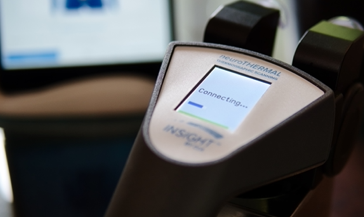
- neuroTHERMAL. Analyzes patterns of neurological distress along the spine that relate to autonomic regulation. This gives a visual way to discuss regulation, triggers, and why recovery strategies reduce the risk of fainting.
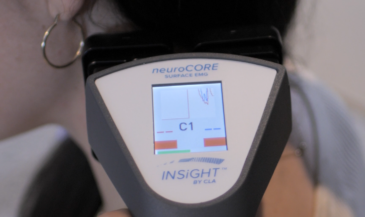
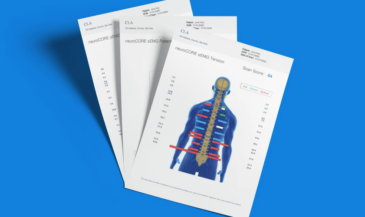
- neuroCORE sEMG. Maps postural tension that can influence venous return during prolonged standing, offering a concrete way to connect positioning, compression, and movement breaks to real-world prevention.
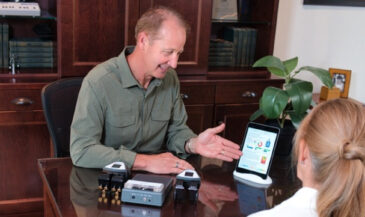
INSiGHT software transforms complex findings into simple visuals patients can follow. These visuals support exam explanations, progress reviews, and care planning discussions. The INSiGHT generates objective exam data and reports that the chiropractor interprets and integrates with clinical expertise to design the care plan. When patients see their status and trends clearly, they engage with prevention and follow through on recommendations that help prevent vasovagal syncope.
Clinic protocols and team training checklist
- Intake. Ask if the person has ever fainted and document common triggers. Note whether syncope is preceded by feeling dizzy, visual dimming, or clammy skin.
- Room readiness. Ensure a chair or table is available so patients can be quickly moved to a lying or sitting position.
- Procedure planning. For those with known triggers such as the sight of blood, plan for a lying position before any needle procedure.
- Counterpressure coaching. Teach leg cross and squeeze, handgrip, and gluteal and quadriceps contractions. Emphasize engaging the muscles of the arms and legs.
- Compression guidance. Recommend compression stockings for people who stand long hours and have had syncope episodes.
- Escalation plan. If syncope includes chest discomfort, shortness of breath, or palpitations, or if recurrent fainting continues despite prevention, recommend medical evaluation to rule out other causes.
Frequently asked questions
What causes vasovagal syncope and is it dangerous?
Triggers can cause vasovagal syncope by stimulating a reflex that lowers heart rate and blood pressure together. The faint itself is usually brief. The main risk is injury from a fall. Prevention focuses on avoiding triggers and acting early when warning signs appear.
How can I prevent vasovagal syncope at home?
Hydrate, rise gradually from lying or sitting, plan for heat and crowds, and practice counterpressure maneuvers. Compression can help if prolonged standing is unavoidable. These steps help prevent vasovagal syncope and reduce the risk of fainting.
When do I need medical tests?
If syncope is recurrent, new, or accompanied by chest discomfort, shortness of breath, or palpitations, ask your healthcare provider. Tests may include a tilt table test, cardiac screening for arrhythmia, or other studies to rule out alternative causes.
Which medications are used for recurrent syncope?
In select cases, physicians consider midodrine, fludrocortisone, or selective serotonin reuptake inhibitors. These are individualized, monitored, and typically reserved for refractory vasovagal syncope after lifestyle measures.
Do compression stockings help?
Compression stockings can reduce pooling in the legs, support venous return, and lower the risk of fainting in people with recurrent syncope during prolonged standing.