

For chiropractors practicing in a neurologically focused, vitalistic paradigm, the vagal nerve response is not just a fainting issue. It is a meaningful pattern inside the autonomic nervous system that helps explain why patients handle stress or pain differently, why their reserve fluctuates, and how adaptable their nervous system may be in daily life.
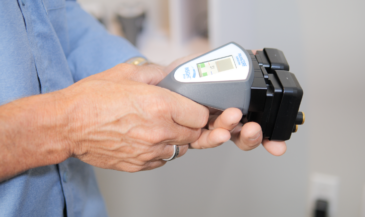
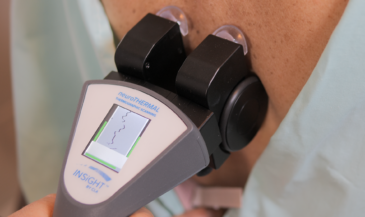
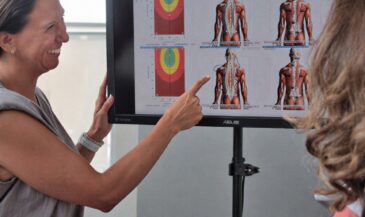
With objective analysis from INSiGHT scanning technology, you can observe the unique blend of autonomic load, emotional triggers, and spinal neural patterns that contribute to these events. Instead of guessing at why vasovagal syncope occurs, you can show patients exactly how their system is performing and how it changes over time.
What Is a Vagal Nerve Response?
A vagal nerve response is a reflex deeply rooted in the circuitry of the brainstem, the heart, and the vascular system. The vagus nerve helps the body slow down, recover, and stabilize after acute stress. When the reflex becomes exaggerated, the vagal nerve can overreact, producing a strong parasympathetic surge that slows the heart and relaxes blood vessels.
This pattern is often identified as vasovagal syncope, neurocardiogenic syncope, or a vasovagal syncopal episode. When the nerve is stimulated strongly enough, the reflex may produce a sudden sequence of physiological shifts. Heart rhythm slows, vascular tone drops, and blood pressure declines. If the changes are fast enough, the person may experience lightheadedness or a brief loss of consciousness.
How the Autonomic System Coordinates This Response
This reflex sits at the intersection of the sympathetic and parasympathetic nervous system branches. The sympathetic nervous system primes the body for action, while the parasympathetic system helps the body return to a state of calm and recovery.
A vagal nerve response is what happens when the parasympathetic branch surges in an attempt to override a perceived threat. The body may interpret a trigger as dangerous and send strong efferent vagal signals that slow the heart and reduce vascular tone. In many people, this mechanism works quietly. In others, the reaction becomes dramatic enough to produce syncope.
Learn more about INSiGHT scanning?
Fill this out and we’ll get in touch!
"*" indicates required fields
Common Triggers and Physiology Behind Vasovagal Syncope
A vagal nerve response rarely occurs randomly. Instead, common triggers set the stage for a strong reflex. These include emotional, physical, and environmental factors that the part of your nervous system responsible for stabilization interprets as overwhelming.
- Emotional surges such as fear, anxiety, or the sight of blood
- Medical procedures such as blood drawn
- Hot environments or prolonged standing
- Bowel or pelvic strain, including during a bowel movement
- Low blood volume, dehydration, or blood loss
- Fatigue, hunger, or skipped meals
These triggers of vasovagal syncope illustrate the many ways a response can be triggered. In each case, the body overreacts to certain triggers because its adaptive reserve is limited or because autonomic patterns are miscoordinated.
When vasovagal syncope occurs, the vagus nerve sends a rapid inhibitory signal that slows the heart and relaxes blood vessels in your legs. This causes blood to pool in your legs and reduces venous return. Central blood volume falls, blood pressure drops, and blood flow to the brain decreases.
Symptoms and Warning Signs
The symptoms and causes of a vasovagal nerve response unfold in predictable stages. Recognizing these warning signs can significantly reduce the risk of fainting episodes.
- Dizziness and lightheadedness
- Heat followed by a clammy sweat
- Tunnel vision or blurred vision
- Nausea or abdominal discomfort
- Weakness and fatigue
If the reflex deepens, the patient may faint, slump, or briefly lose consciousness. Some people with vasovagal syncope may experience confusion or heart palpitations during an event.
Any concerning features should prompt referral to a healthcare provider to rule out more serious underlying causes such as arrhythmias or seizure activity. These red flag guidelines align with published recommendations from the National Institute of Neurological Disorders and Stroke.
Why the Vagal Nerve Response Happens
The reflex behind this event explains the rapid changes in blood pressure and heart rate. As autonomic centers in the brainstem interpret a threat, they may send a strong parasympathetic signal that lowers heart rate and blood pressure simultaneously.
Once blood pressure begins to drop suddenly, cardiac output falls and the cascade continues.
When blood to pool in the legs reduces venous return, the heart receives less blood to pump forward. The result is reduced blood flow and eventually a drop in blood pressure sufficient to impair blood flow to your brain. If the threshold is crossed, a vasovagal episode or reflex syncope develops.
Managing a Vagal Nerve Response in the Moment
If you recognize the early signs, you can often prevent fainting entirely. Changing position quickly, hydrating, and reducing gravitational load are the most effective first steps.
- Have the person lie down immediately
- Encourage bringing the head between your knees if they cannot lie down
- Elevate the legs to restore blood flow
- Provide water once stable
The Vagal Nerve Response Through a Neurologically Focused Chiropractic Lens
In chiropractic, every reflex is part of a bigger story about the nervous system. The vagal nerve response is not just a cardiovascular event. It is an adaptability signal that reveals how the autonomic nervous system reacts under load.
How INSiGHT Scanning Illuminates Autonomic Patterns
The vagal story becomes visible with objective analysis:
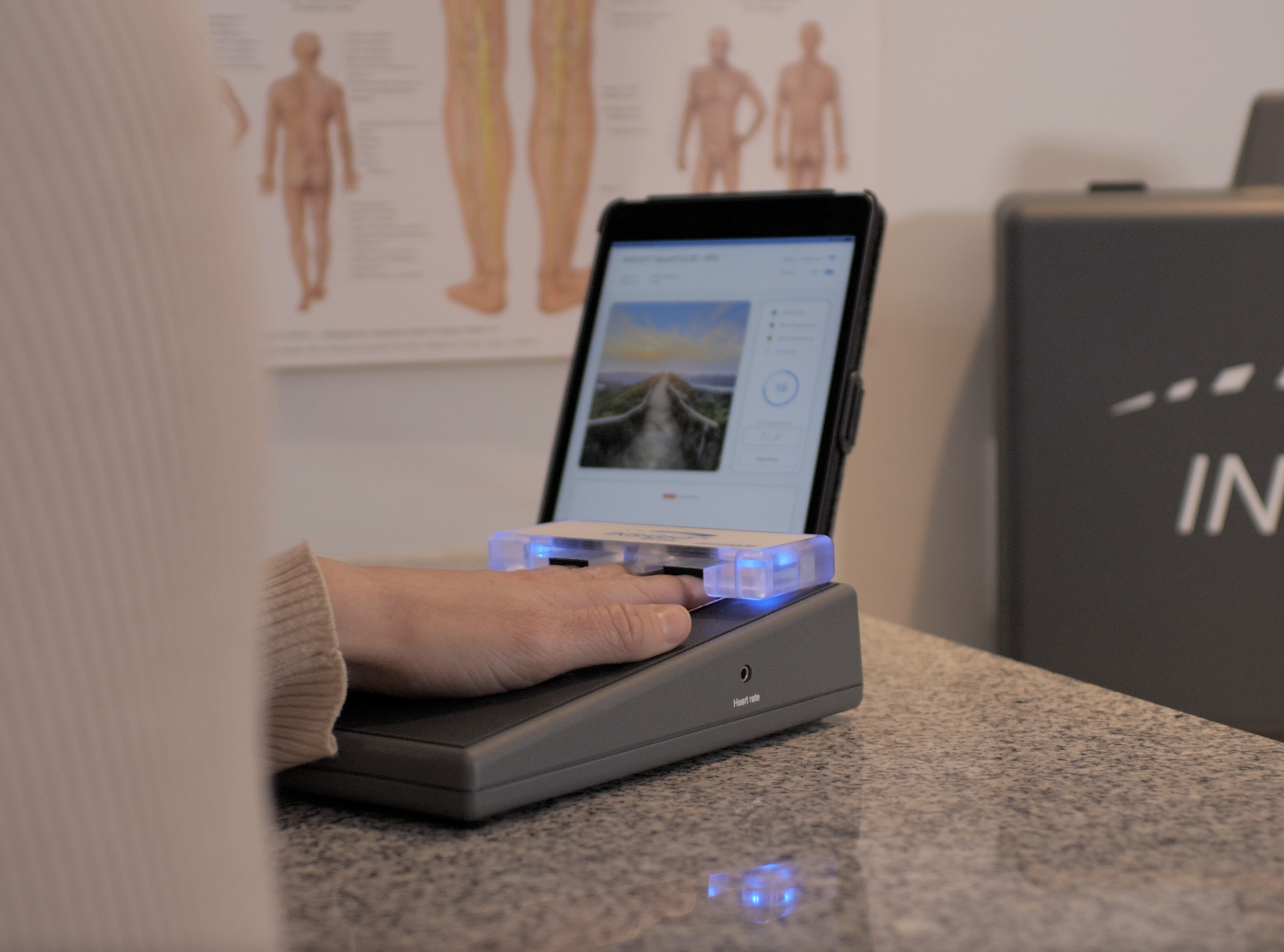
- neuroPULSE HRV reveals sympathetic-parasympathetic balance and autonomic reserve.
- neuroTHERMAL identifies dysautonomia along the spine.
- neuroCORE sEMG measures postural tension linked to autonomic stress.
- CORESCORE integrates findings into a single index.
Chiropractic does not target syncope itself. It supports the body through improved neural coordination, reduced interference, and increased adaptability. Improvements in HRV and autonomic balance under chiropractic care have been documented in HRV-focused chiropractic research.
When spinal patterns improve and autonomic balance shifts, patients often experience greater reserve and resilience. For someone who has lived in fear of the next faint, this shift can be life changing.
Bringing the Vagal Story Into Your Nerve-First Practice
A vagal nerve response is a coordinated event involving the heart, vascular tone, autonomic centers, and spinal neural pathways. It offers a real-time demonstration of how the nervous system adapts or struggles to adapt under pressure.
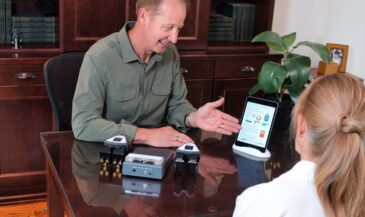
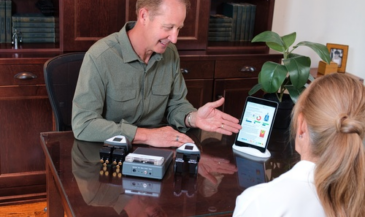
With INSiGHT scanning, chiropractors can connect this physiology to objective findings, show patients the neurological patterns contributing to their episodes, and track improvements over time. Whether discussing everyday triggers, explaining why vasovagal syncope is a reflex, or reviewing a CORESCORE together, you help patients understand what is happening inside their bodies.
Your mission is to build adaptability, reserve, and confidence through neurologically focused chiropractic care, supported by the clarity that INSiGHT scanning provides. When you do, patients experience not just fewer episodes, but a stronger sense of control over their lives.