
What makes this condition even more confusing is that it does not show up the same way for everyone. Some people have violent episodes of vertigo with nausea and vomiting. Others notice a slow, steady decline in hearing and constant tinnitus that never fully quiets down. Over time, many will move through recognizable patterns from early, fluctuating symptoms into more permanent changes in hearing and balance. These patterns are described as the 4 stages of Meniere’s disease, a framework that brings clarity to what otherwise feels unpredictable.
From a neurological perspective, each vertigo episode is more than a spinning sensation. The inner ear is feeding distorted information into brainstem centers that help coordinate eye movements, posture, and spatial awareness. At the same time, the autonomic nervous system is pushed into high alert. Heart rate rises, muscles brace, breathing changes, and the entire body shifts into protective mode. When this happens again and again, it takes a toll on overall nervous system performance.
That is where neurologically focused chiropractors can offer meaningful support. We may not change the underlying fluid dynamics in the inner ear, but we can measure and track how a person’s nervous system adapts to this chronic vestibular load. Using INSiGHT scanning technology to assess autonomic balance, spinal muscle activity, and regional dysautonomia gives us a clearer picture of how the body is coping. In the sections that follow, we will walk through each of the four stages of Meniere’s disease, how symptoms evolve, and how a nerve first perspective helps guide patient education and long term support.
What Is Meniere’s Disease?
Meniere’s disease is a disorder of the inner ear that affects both hearing and balance. The condition involves a specific cluster of symptoms including episodes of vertigo, tinnitus, hearing loss, and a feeling of fullness in the affected ear. These symptoms often fluctuate early on, then become more predictable and more permanent as the disease progresses through its stages.
The American Academy of Otolaryngology defines Meniere’s disease as spontaneous episodes of vertigo lasting between 20 minutes and 12 hours, paired with low to mid frequency sensorineural hearing loss in the affected ear, tinnitus, and a sense of pressure. Vertigo here means a clear sensation of movement when neither the person nor the environment is moving. This is different from simple dizziness or near fainting. That distinction matters when evaluating a patient’s symptoms.
Underlying these symptoms is a disturbance in inner ear fluid. The cochlea and vestibular organs contain a specialized fluid called endolymph. When the amount of this inner ear fluid becomes unbalanced, known as endolymphatic hydrops, pressure inside the inner ear rises. This fluid buildup distorts the way sensory hair cells function, which helps explain why hearing and balance signals can suddenly become unreliable.
Even with these structural insights, the exact cause of Meniere’s disease is unknown. Viral factors, immune responses, vascular influences, and even family patterns have all been explored. What is clear is that many conditions can mimic Meniere’s disease. This is why hearing tests, vestibular assessments, and imaging are used to rule out other potential causes including vestibular migraine, acoustic neuroma, stroke, and autoimmune inner ear disorders.
Once the diagnosis is clear, most people follow a recognizable trajectory through different stages of the disease. Early on, symptoms may appear mild and reversible. Later, hearing loss and balance problems may become more permanent. Understanding these shifts is essential for long term planning and patient education.
The Meniere’s Tetrad: Four Symptoms That Travel Through Every Stage
Most individuals living with Meniere’s disease experience the same central group of symptoms. This group is sometimes referred to as the Meniere’s tetrad and includes vertigo, tinnitus, fullness in the ear, and hearing loss. These symptoms show up in every stage of the disease, although their intensity and duration shift with time.
Early in the disease, symptoms may be sporadic. As Meniere’s progresses, these symptoms often become more stable and predictable. Recognizing the tetrad helps clinicians explain why a patient may feel fine one week and overwhelmed the next. Each symptom interacts with the others, creating a shifting neurological picture.
Vertigo
Episodes of vertigo are the hallmark event in Meniere’s disease. These vertigo attacks are sudden, intense, and often disabling. Patients describe the world as spinning, tilting, or dropping. During these episodes of vertigo, nausea, vomiting, cold sweats, and anxiety are common. The brainstem is receiving distorted motion signals, and the autonomic nervous system responds as though the body is in danger. This creates neurological distress that can leave individuals drained for hours or days.
Tinnitus
Tinnitus is the internal ringing, buzzing, or hissing sound that is often reported in the affected ear. Early on, tinnitus may come and go. As the disease moves into later stages, tinnitus usually becomes constant. The combination of hearing loss and tinnitus places a heavy load on the auditory system and the emotional centers of the brain, especially at night or in quiet settings.
Aural Fullness
The feeling of fullness or pressure in the ear is a defining symptom of Meniere’s disease. It often appears before a vertigo attack and can serve as a warning sign. This fullness reflects pressure changes inside the inner ear as endolymph increases. Patients may describe this as congestion that never clears. Allergy flare ups, fluid retention, and sinus irritation can intensify this sensation.
Hearing Loss
Hearing loss in Meniere’s disease typically begins as fluctuating loss in low frequencies. A patient may notice muffled voices or sound distortion during an episode, then partial recovery afterward. Over time, hearing loss may become more stable and more permanent. In later stages, hearing loss may extend across more frequencies, making communication increasingly difficult. The combination of abnormal sound input and vestibular dysfunction challenges the body’s balance and orientation systems.
- Vertigo that is sudden and often prolonged
- Tinnitus ranging from intermittent buzzing to constant internal noise
- A feeling of fullness or pressure that may precede vertigo attacks
- Hearing loss that fluctuates early on and becomes more permanent with progression
Learn more about INSiGHT scanning?
Fill this out and we’ll get in touch!
"*" indicates required fields
The 4 Stages of Meniere’s Disease
Clinicians commonly describe four stages of Meniere’s disease. These stages are not rigid or perfectly linear. Symptoms may overlap, skip forward, or temporarily regress. Still, this framework helps organize the progression of disease symptoms and provides clarity for patients who feel overwhelmed by the unpredictability of vertigo attacks and shifts in hearing.
Stage 1: Early Stage
The earliest stage of Meniere’s disease features unpredictable episodes of vertigo, fullness in the affected ear, fluctuating hearing loss, and bursts of tinnitus. Hearing may return to near normal between attacks. Patients often describe pressure building in the ear followed by episodes of vertigo with nausea and vomiting. Because symptoms settle between episodes, this stage is easy to dismiss as an isolated event rather than the beginning of a chronic pattern.
Stage 2: Intermediate or Middle Stage
In this stage, vertigo attacks may still occur, but hearing loss and tinnitus become more persistent. Fluctuations may continue, but full recovery is rare. Fullness in the ear becomes constant for many individuals. Balance issues begin to show up even outside of vertigo attacks. Patients often report cognitive fatigue, fogginess, or sensitivity to visually busy environments. Symptoms begin to influence daily activities and emotional well being.
Stage 3: Late Stage
Vertigo becomes less frequent in the late stage, but balance problems become more pronounced. Significant and permanent hearing loss often appears in the affected ear. Tinnitus remains persistent and may become louder. Many patients experience unsteadiness in low lighting or on uneven surfaces. The combination of poor auditory input and vestibular impairment increases fall risk, requiring new long term strategies for mobility and safety.
Stage 4: Burnout or Last Stage
Episodes of vertigo may stop altogether in the final stage, but hearing loss and balance issues remain pronounced. Tinnitus continues, and imbalance becomes a daily challenge. Some individuals experience drop attacks, sudden falls while remaining conscious. This stage represents a long term reorganization of the vestibular system, which now provides limited reliable input. Navigating home and community environments requires increased attention and adaptation.
Progression through these stages varies from person to person. The disease may accelerate during stressful periods or appear quiet for long stretches. Understanding these stages helps clinicians and patients communicate clearly and plan effectively for changes in hearing, balance, and overall nervous system demands.
Diagnosis and Medical Care Approaches
Diagnosing Meniere’s disease requires a combination of clinical evaluation, hearing tests, vestibular studies, and imaging. Many conditions can mimic Meniere’s disease, so ruling out other potential causes is essential. Providers look for the classic combination of symptoms described earlier and compare results over time.
Medical care focuses on reducing vertigo attacks, protecting hearing where possible, and improving long term stability. Common strategies include reducing salt intake to limit fluid retention, adjusting diet to avoid foods that worsen inner ear fluid buildup, and using medications during vertigo attacks to manage your symptoms such as nausea and vomiting. Steroid or gentamicin middle ear injections may be used in severe cases, and surgical options such as endolymphatic sac procedures are reserved for advanced stages.
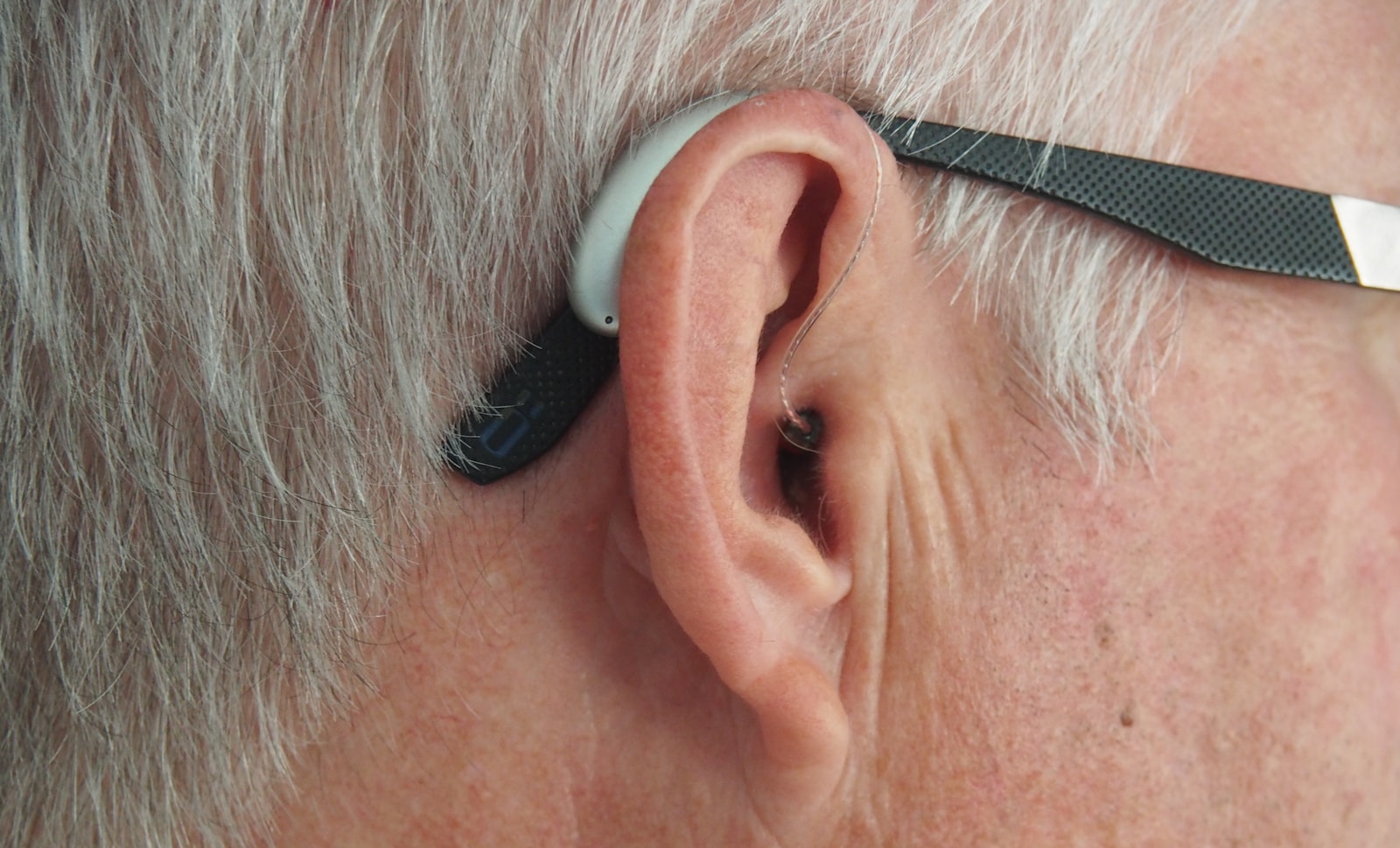
As hearing loss becomes more permanent, many individuals benefit from hearing aids. Vestibular rehabilitation may also be recommended to help retrain balance pathways in the brain. Treatment can help improve comfort and function, but there is no cure for Meniere’s disease, which makes patient education and long term planning essential.
The Nervous System and Meniere’s Disease
Every episode of vertigo places immense stress on the nervous system. When the inner ear delivers distorted motion signals, the brainstem, postural muscles, and autonomic centers all react. This creates a full body response that can drain energy and reduce overall adaptability. Over time, this chronic load can shift a patient toward sympathetic overdrive.
In neurologically focused chiropractic, we pay close attention to how these conditions influence the spine and nervous system. Upper cervical tension, for example, can influence brainstem function and sensory integration. Imbalanced postural patterns may emerge as the body tries to stabilize itself between episodes. These changes do not cause Meniere’s disease, but they shape how the body responds to it.
Where INSiGHT Scanning Supports Patients With Meniere’s Disease
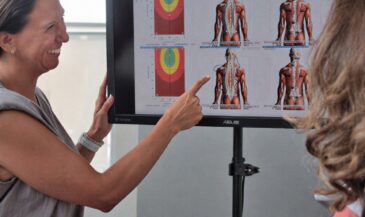
One of the most important roles of a neurologically focused chiropractor is helping patients understand how their nervous system is coping with this condition. The spinal nervous system contributes to the neurological dissonance and so INSiGHT scanning technology provides a way to measure and visualize that adaptation.
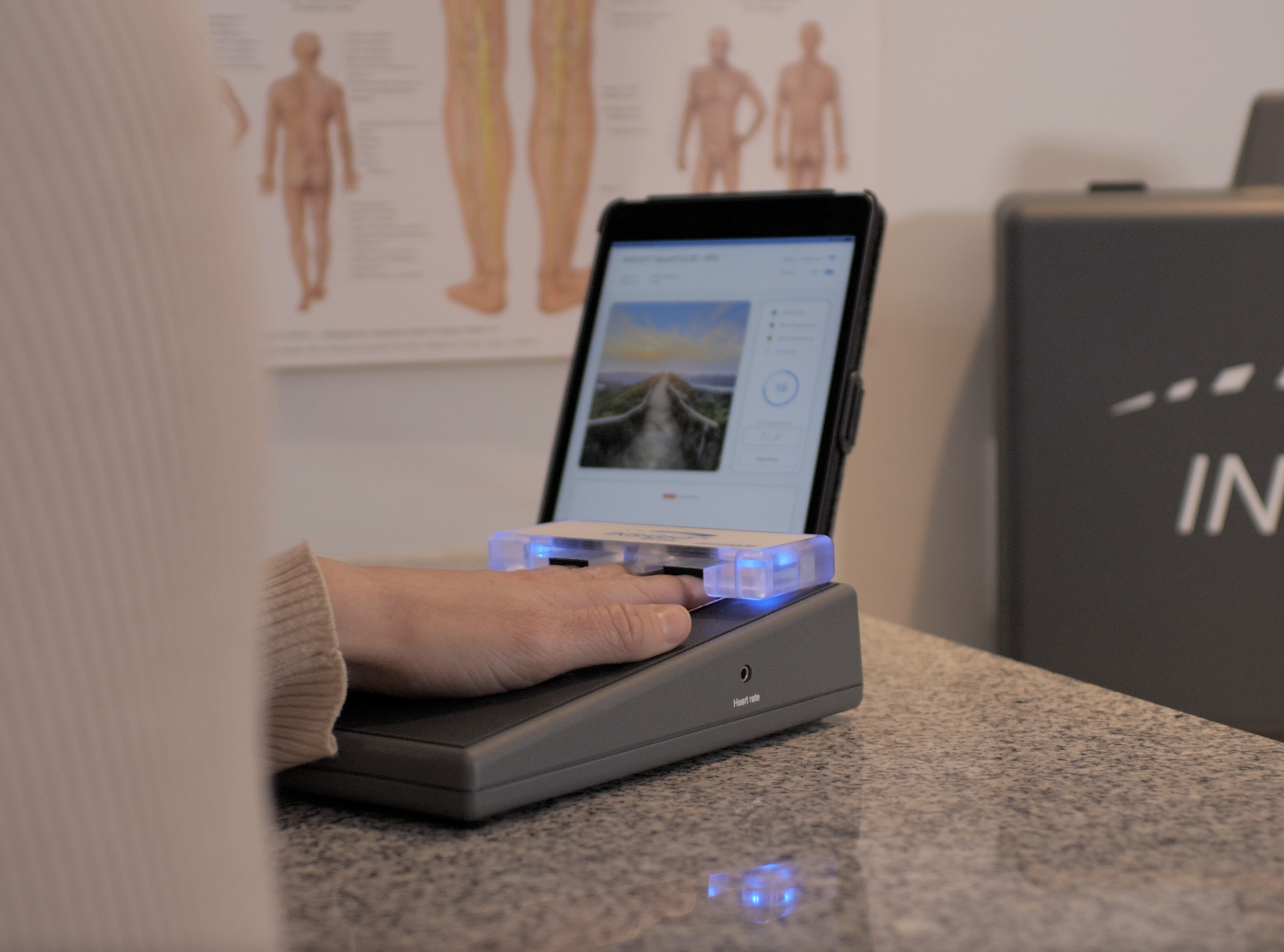
neuroPULSE HRV
HRV reveals how well a patient’s autonomic system is managing stress. Individuals living with Meniere’s disease often show reduced adaptive reserve or imbalanced autonomic activity because of repeated vertigo events. Plotting HRV on the Rainbow Graph helps you explain why fatigue, anxiety, and poor recovery are common.
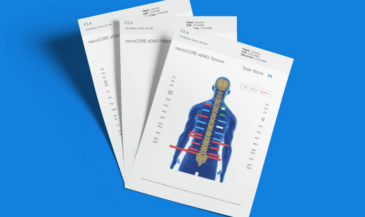
neuroCORE sEMG
Surface EMG helps highlight muscular compensation patterns that develop as patients try to stabilize their posture during and between attacks. Many show elevated postural tension or uneven energy expenditure across the spine. This offers a clear talking point about how vestibular challenges influence the neuromuscular system.
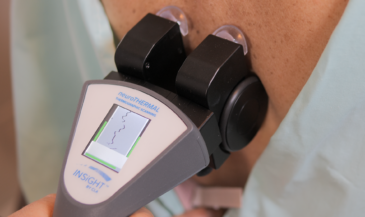
neuroTHERMAL
Thermal scans reveal autonomic patterns along the spine. Dysautonomia around the upper cervical region often shows up in patients who struggle with chronic imbalance or sensory overload. This scan provides visual clarity about how internal stress may be affecting stability.
Together, these scans create a RED profile Reserve, Energy, Dysregulation that helps patients understand their nervous system performance. They also provide a measurable way to monitor progress during long term supportive care.
Lifestyle Support and Self Regulation Strategies
Living with Meniere’s disease requires daily management. Simple habits can reduce symptom intensity and support nervous system regulation. These may include consistent sleep routines, hydration, reducing sodium, and learning breathing strategies that promote parasympathetic activity.
Patients often benefit from movement strategies that improve balance without overwhelming the vestibular system. Gentle head and eye movements, practiced safely, can help the brain integrate visual and motion cues more effectively. Just as important is teaching patients to pace their day, avoid sensory overload, and seek support during high stress periods.
Frequently Asked Questions
What are the four stages of Meniere’s disease? The four stages describe how vertigo, hearing loss, tinnitus, and imbalance evolve from fluctuating symptoms to more permanent challenges.
Does every patient progress to the last stage? Not necessarily. Progression varies widely.
How does Meniere’s disease affect driving? Driving may be unsafe during periods of active vertigo or imbalance, and decisions should be made carefully with medical guidance.
What triggers episodes of vertigo? Stress, fatigue, dietary factors, and seasonal allergies may influence symptoms although triggers vary among individuals.
Can lifestyle changes help? Yes. Reducing fluid retention, managing stress, and supporting nervous system regulation can improve quality of life.