
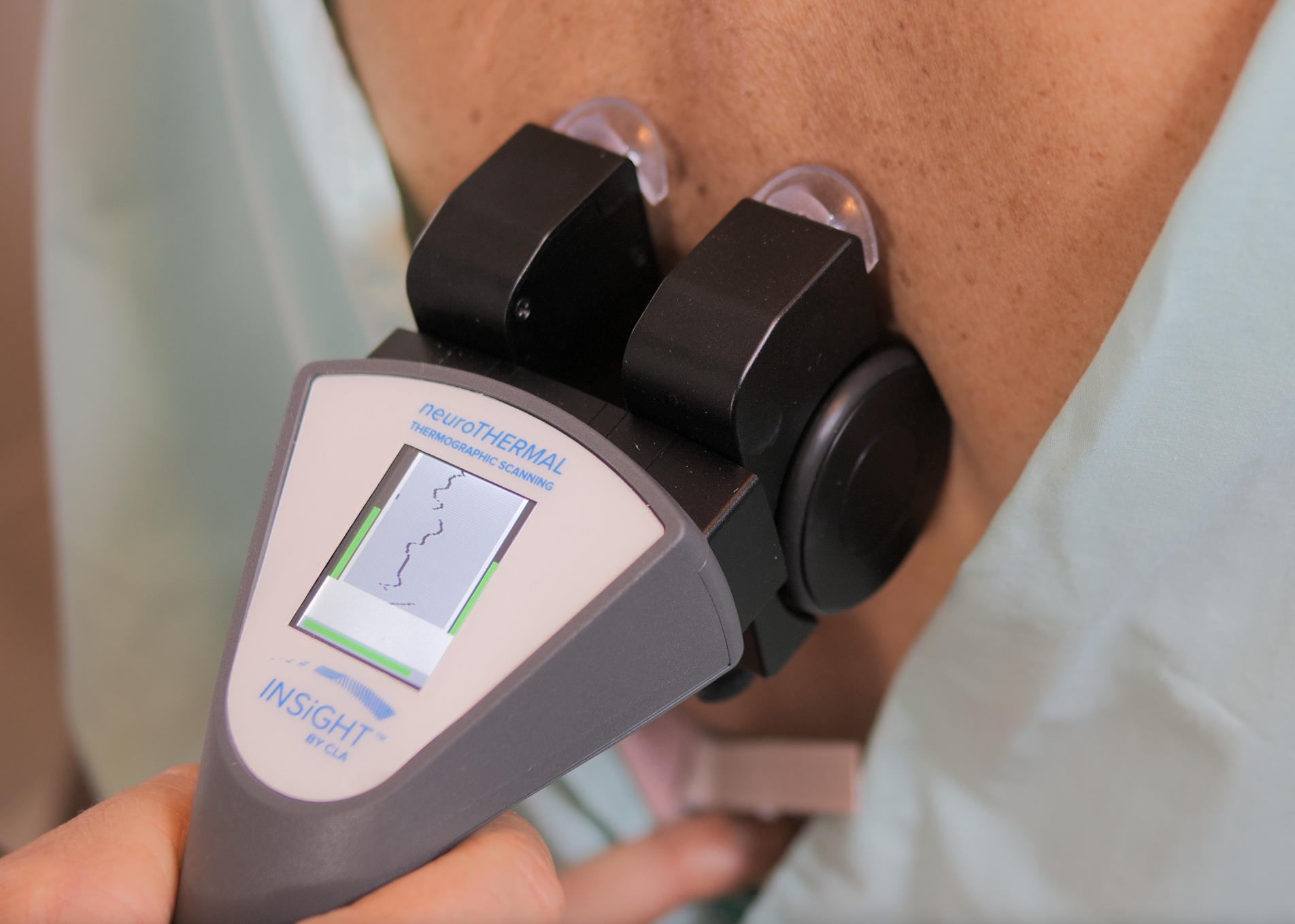
Thermography in chiropractic is not new, but it is often misunderstood. When used properly, it is one of the most practical ways to observe physiological changes related to spinal nervous system regulation. Rather than guessing or waiting for symptoms to escalate, thermography in chiropractic allows doctors of chiropractic to visualize how the body is adapting through measurable temperature variations. That shift, from feeling towards function, changes the entire clinical conversation.
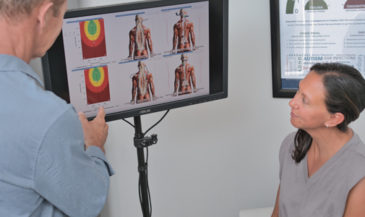
In today’s chiropractic, patients expect clarity. They want to see what you see. Thermography in chiropractic care provides a visual bridge between the chiropractor’s clinical reasoning and the patient’s lived experience. It helps move care away from short-term symptom chasing and toward long-term wellness and nervous system performance.
Why Thermography Still Matters in Today’s Chiropractic
Thermography in chiropractic remains relevant because it focuses on function rather than structure alone. While traditional methods like x-ray imaging have their place, thermography measures how the body is regulating in real time. A patient may show stable findings on structural imaging, yet still display ongoing physiological stress.
Thermography is used in chiropractic as a non-invasive way to observe skin surface temperature and temperature patterns. These patterns reflect how the spinal sympathetic nervous system is regulating blood flow. When regulation is balanced, side-to-side temperature symmetry is typically present. When regulation is strained, a measurable temperature difference may appear.
Used appropriately, thermography is an adjunctive assessment rather than a stand-alone diagnostic tool. It strengthens chiropractic analysis by adding functional context to structural and postural findings.
- Provides insight into nervous system function
- Helps identify areas of neurological stress
- Improves communication and retention in recommending the necessary chiropractic care plan
What Thermography Is (and What It Is Not)
Thermography, also referred to as digital infrared imaging or infrared thermography, uses infrared technology to detect radiant heat emitted from the skin. This information is converted into a thermogram, a visual display of skin temperature measurement across the body.
Thermography measures function, not anatomy. Structural tools such as x-rays, ultrasound, or magnetic resonance imaging show anatomy. Thermography measures temperature variations and temperature changes that reflect physiological output. That distinction is critical in chiropractic.
According to the FDA, thermography is considered investigational and complementary. In chiropractic, thermography can be used responsibly as a functional screening method that supports, but does not replace, other evaluations.
Learn more about INSiGHT scanning?
Fill this out and we’ll get in touch!
"*" indicates required fields
The Neurological Basis of Thermography
Thermography in chiropractic is grounded in neurology. Skin temperature is regulated primarily by the sympathetic nervous system through vascular control. When nerve function is balanced, blood flow produces symmetrical temperature patterns along the skin.
When neurological distress is present, regulation can falter. This may appear as asymmetry, increased temperature, or cooling along the spine. These findings represent a measurable change in temperature, reflecting altered nerve function rather than structural damage.
This neurological foundation explains why thermography allows chiropractors to detect nerve-related physiological changes before symptoms become severe.
What Is Paraspinal Thermography?
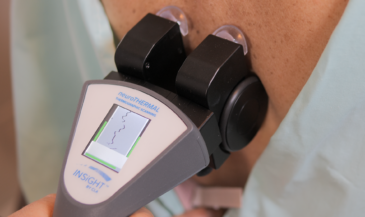
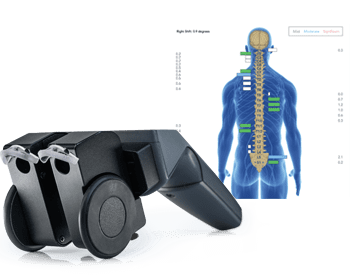
Paraspinal thermography focuses on temperature measurement along the spine. By comparing left and right temperature output, chiropractors can identify patterns that may indicate nerve interference or altered autonomic regulation.
In chiropractic, paraspinal thermography is used to identify areas of interest that may correlate with vertebral involvement, vertebral subluxation, or subluxations. The scan itself does not diagnose a condition. It supports interpretation and chiropractic analysis.
When chiropractors use paraspinal thermography consistently, they can track trends over time and visually demonstrate changes in regulation.
How Thermography Scans Are Performed in a Chiropractic Setting
Proper thermography scanning begins with environmental control. Skin temperature is influenced by recent activity, ambient temperature, and airflow. Allowing acclimation ensures accurate temperature measurement.
Thermography scans are quick and non-contact. Modern systems use infrared technology rather than older thermocouple or liquid crystal devices. This improves accuracy and reproducibility in clinical practice.
Interpretation focuses on consistent thermal abnormalities rather than single data points. Over time, trends matter more than isolated findings.
Common Clinical Applications of Thermography in Chiropractic
Thermography in chiropractic is commonly applied to musculoskeletal and spinal assessments. Areas of inflammation may present as increased temperature, while chronic dysregulation may appear as cooling.
Clinically, thermography is often used when evaluating cervical, upper cervical, thoracic, and lumbar regions. It can support assessment of postural strain, nerve interference, and adaptation patterns.
Thermography can also be discussed as an adjunctive screening approach in contexts such as breast health, always alongside traditional methods and appropriate referrals.
Thermography, Chiropractic Analysis, and Clinical Research
The medical literature includes decades of discussion on thermography as a functional assessment. Clinical research and peer-reviewed journals have demonstrated that thermography can produce reliable data when protocols are followed.
This evidence supporting thermography reinforces its role as a complementary diagnostic tool rather than a replacement for other evaluations.
Why Thermography Fits the Chiropractic Philosophy
From the early days of chiropractic, the profession has emphasized nerve function and adaptation. Thermography fits this model by focusing on regulation rather than structure alone.
It aligns with chiropractic theories that prioritize function, adaptability, and overall health.
Integrating Thermography with INSiGHT Neurological Scanning Technology
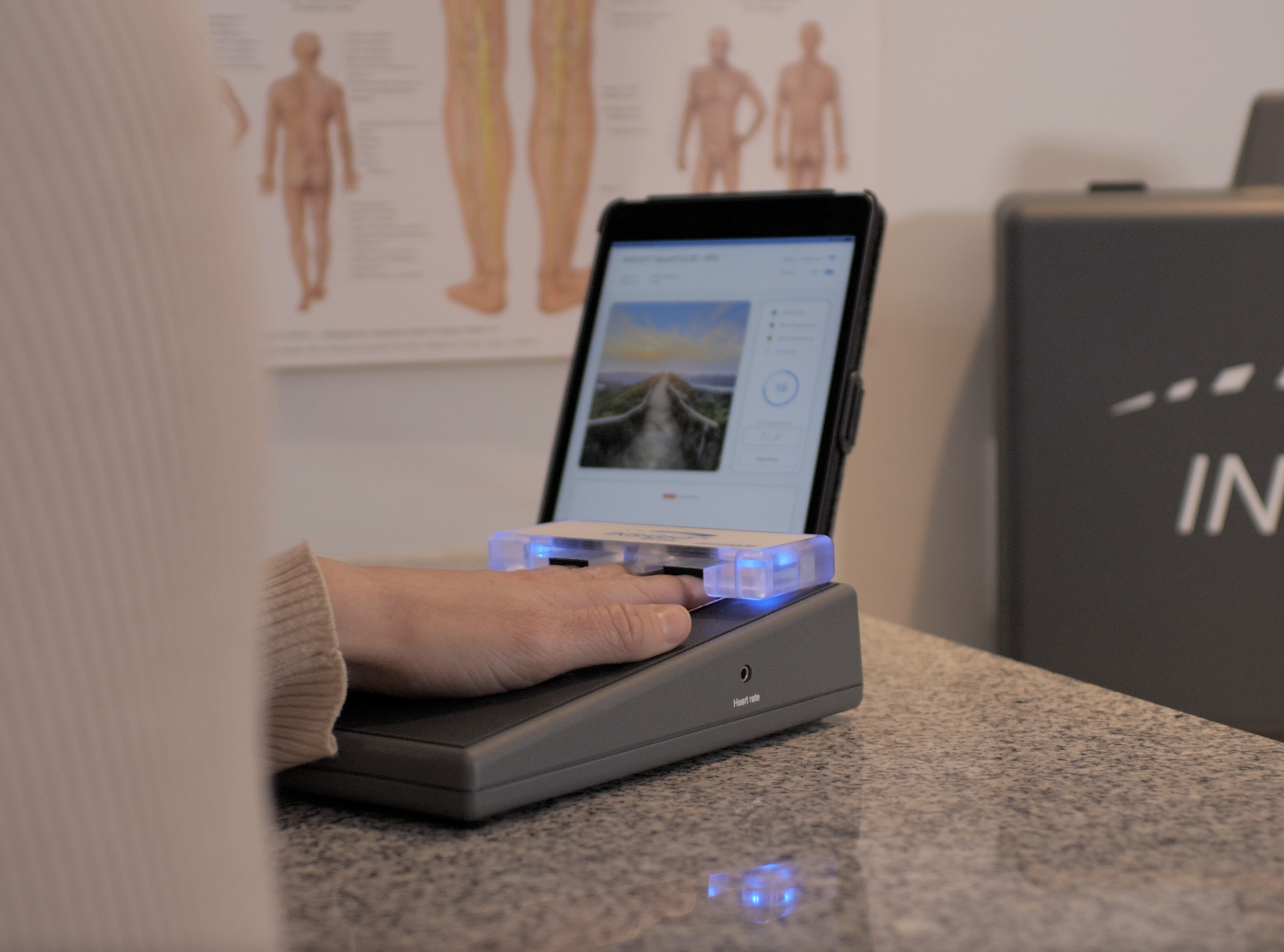
Thermography reaches its highest clinical value when integrated with comprehensive neurological scanning. INSiGHT scanning technology was designed with this exact purpose in mind.
The INSiGHT neuroTHERMAL performs precise paraspinal thermography using advanced infrared technology. Through INSiGHT neuroTECH and Synapse software, thermography measures are combined with other objective scans to support a complete view of nervous system function.
Importantly, INSiGHT does not create care plans. It provides objective data that chiropractors interpret to design care plans grounded in clarity and confidence.
Seeing the Nervous System Story More Clearly
Thermography in chiropractic helps chiropractors detect nerve-related physiological changes, identify areas needing attention, and communicate findings clearly. When combined with neurological scanning, thermography supports better decisions and stronger patient engagement.
When patients can see how their nervous system is responding, chiropractic stops being a mystery and becomes a measurable, trusted path toward better overall health.