

A bulging disc means the disc’s outer wall has thinned or deformed, but the jelly-like core stays contained. A herniated disc means part of that inner material has escaped, usually through a small tear. That distinction matters because it often determines whether a nearby spinal nerve is simply nudged—or chemically irritated and inflamed.
But let’s go deeper. Discs aren’t the problem; they’re the symptom of a system under strain. At INSiGHT CLA, we’ve seen how the nervous system status—how well a person adapts to stress—determines whether a disc bulge turns into a breakdown, or quietly reintegrates under care. That’s the message patients need to hear.
The Key Difference Between a Bulging Disc and a Herniated Disc
Let’s get visual. If a disc is a jelly doughnut, then:
- A bulging disc is when the doughnut flattens and bulges outward—still intact.
- A herniated disc is when the jelly pushes through a crack in the dough—no longer contained.
Bulging discs involve a general widening of the disc, often due to aging, poor mechanics, or disc degeneration. The outer layer of the disc stretches but doesn’t rupture. It’s usually broader, affecting a quarter or more of the disc’s circumference.
Herniated discs, on the other hand, happen when that stretched wall gives way, and the inner core breaks through. This is more focal—and more likely to irritate a nearby spinal nerve.
Where They Show Up—and What They Feel Like
Lower back pain is the classic sign for both conditions—but not the only one.
- A lumbar disc herniation may cause leg pain, numbness, or weakness that radiates into the foot.
- A cervical disc issue can produce neck pain, arm tingling, or grip fatigue.
- A bulging disc may feel like tightness, stiffness, or a sense of strain after long drives or poor posture.
Here’s the kicker: many people walk around with a bulging or herniated disc and have no clue—until a moment of overload sends their system into distress. Studies show that a surprising number of people have disc abnormalities on MRI but no symptoms.
Learn more about INSiGHT scanning?
Fill this out and we’ll get in touch!
"*" indicates required fields
Symptoms of a Herniated Disc vs Bulging Disc
Herniated disc symptoms tend to be more dramatic:
- Radiating pain into the arm or leg
- Sharp, electric sensations
- Numbness or tingling in a nerve distribution
- Muscle weakness (can’t lift the foot, poor grip strength)
- Worsens with coughing or sitting
Bulging discs, especially in the cervical or lower back, tend to present with:
- Dull, achy back or neck pain
- Reduced flexibility or endurance
- Symptoms that come and go with posture or position
Diagnosis: Going Beyond the Scan
You don’t need a radiology degree to know when a disc is talking. You need ears, hands, and the right instruments. A great evaluation includes:
- Straight leg raise or Spurling’s to provoke symptoms
- Reflex testing and strength checks
- Sensory mapping
- And—when it’s warranted—an MRI to confirm structural change
Why Neurological Scanning Changes the Game
This is where INSiGHT’s technology shines.
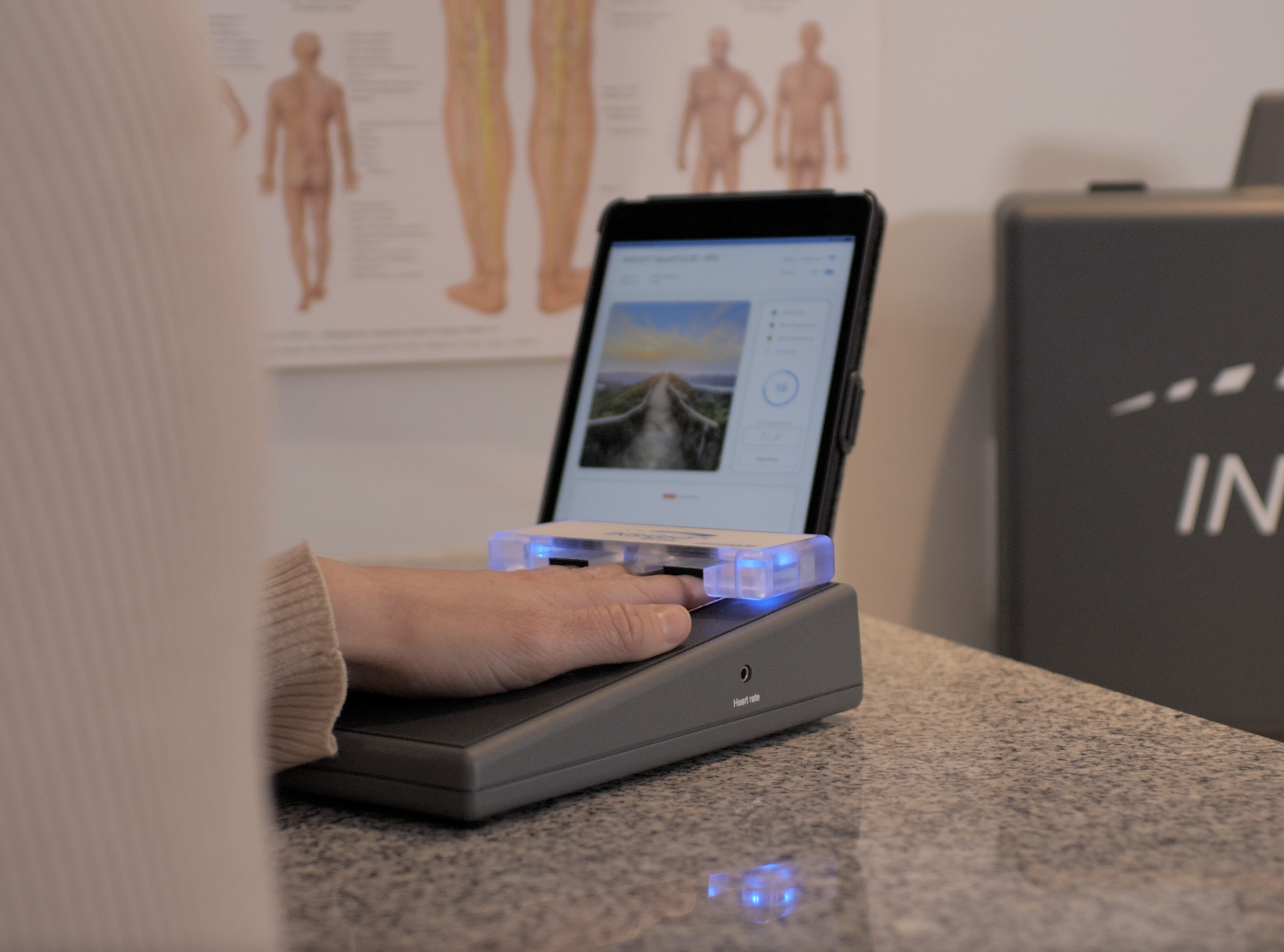
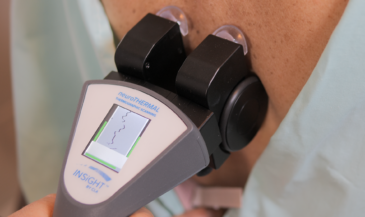
Using the INSiGHT neuroTECH suite, chiropractors can scan the spine in minutes and see what the body is hiding.
- neuroTHERMAL identifies patterns of painless neurological distress
- neuroCORE (sEMG) maps out protective muscle bracing
- neuroPULSE HRV measures adaptability and recovery
Together, these scans give you the truth behind the complaint. They show whether the nervous system is adapting, inflamed locally, or fatigued. Best of all? They give you visual, undeniable proof your care is making a difference.
Treatment Options: What Helps and What Doesn’t
Most bulging discs and herniated discs don’t need surgery. They need space, motion, and a nervous system that isn’t in full-blown defense mode.
Studies confirm that conservative care is often effective—especially when customized to the nervous system’s needs.
Treatment for a bulging disc often includes:
- Chiropractic adjustments
- Postural re‑education
- Progress tracking through objective scans
Occasionally, when symptoms escalate, an interventional referral is warranted.
Red Flags to Watch For
Refer out when:
- Bladder or bowel control changes
- Saddle anesthesia develops
- Sudden weakness emerges
- Fever, trauma, or cancer history is present
Why Objective Scanning Makes the Difference
You can’t improve what you can’t measure. With INSiGHT, chiropractors get reproducible, patient-friendly ways to evaluate disc-related patterns. Over 12,000 offices rely on:
- neuroTHERMAL for autonomic asymmetries
- neuroCORE for postural distortion
- neuroPULSE for recovery potential
What This Means for You—and Your Patients
Bulging vs herniated disc isn’t just a technical distinction. It’s the fork in the road where you choose between chasing symptoms—or building a care plan that restores performance.
When we look beyond the disc and assess the nervous system’s adaptability, we’re no longer treating just back pain. We’re helping the body reorganize. Reconnect. Reclaim.
With the right scans, the right strategy, and a clear message, patients stop counting visits—and start valuing results.