

Here is the straightforward answer: no, you cannot feel a bulging disc with your hand. Not as a patient, and not even as a trained clinician. The disc sits too deep, tucked safely between the vertebra inside the spinal column, surrounded by ligaments, back muscles, and layers of protective tissue. What people feel at the surface is almost always a bony contour, muscle guarding, inflammation or postural tension, not the disc itself.
But their concern is understandable. When a disc bulges or herniates, it can crowd the spinal foramen, irritate a nerve root, and set off symptoms that travel into the arm or leg. Patients often assume the tender spot they are touching is the disc itself. As neurologically focused chiropractors, our job is to reframe the conversation. The disc is part of the story, but the real question is how the nervous system is adapting to that stress.
In this article, you will learn why you cannot feel a bulging disc with your hand, what a disc bulge or herniated disc really is, how symptoms show up differently in the neck and lower back, and when those symptoms may indicate something more serious. You will also discover how INSiGHT scanning technology offers a clearer, objective view of nervous system performance, helping you guide people with more certainty.
Why You Cannot Feel a Bulging Disc With Your Hand
How Deep the Disc Really Is
Each intervertebral disc sits between two vertebra, inside the spinal column, right beside the spinal cord and nerve roots. Before your fingers ever get near a disc, they must pass through skin, fascia, multiple layers of back muscles, ligaments, and the bony arch of the spine. Even in very lean individuals, the disc is several centimeters beneath the surface.
A disc bulge or herniated disc, even a sizable one, does not push outward through the muscles and vertebra. It stays within the spinal foramen, where it may narrow the space around a nerve root. That is why even a major herniated disc seen on MRI cannot be felt through palpation.
What Patients Are Actually Feeling
If it is not the disc, what is that bump or tender knot patients swear they can feel Here are the usual suspects:
- The bony contour of a vertebra or facet joint
- Postural back muscles tightening or spasming
- Thickened or strained ligaments
- Local swelling or inflammation
- Protective muscle guarding around an irritated spinal region
These findings are meaningful. They tell a story about how the body is adapting to deeper stress. But they are not the disc itself.
Why Disc Problems Do Not Create Surface Lumps
A disc bulge occurs within the spinal canal. It may compress a nerve root or crowd the spinal cord, but it cannot migrate through bones and muscles to form a palpable lump. Even in a disc rupture, the material remains within or just beyond the outer disc layers.
Palpation still has value. You can identify regions of rigidity, tension, or asymmetry that help guide clinical reasoning. But it cannot confirm a disc bulge or disc herniation. That requires a broader assessment of symptoms, nerve function, and imaging when appropriate.
Bulging Disc, Herniated Disc, Slipped Disk: What Is Really Going On
Defining the Different Types of Disc Changes
A bulging disc describes a disc that has widened and pushed outward, while the outer ring remains mostly intact. A herniated disc or herniated disk occurs when there is a tear in the annulus and some of the inner material pushes through. A disc rupture or ruptured disk refers to the same process.
These changes often develop gradually as part of normal wear and tear. Degenerative disc disease occurs when the disc becomes thinner, less flexible, and more prone to injury. Not every disc bulge causes symptoms. Some create numbness, tingling, or leg pain only when the nerve root becomes irritated.
How a Herniated Disc Develops
A herniated disc rarely appears suddenly. Most of the time, disc degeneration has been progressing silently for years. Heavy objects, poor posture, repetitive bending, or physically demanding jobs can increase pressure on your spine and raise the risk of a herniated disc.
- Wear and tear from daily use
- Poor posture or prolonged sitting
- Repetitive bending or twisting
- Sudden heavy lifting
- Physically demanding occupations
The disc alone does not determine whether symptoms develop. The state of the person’s nervous system and its ability to adapt plays a much larger role.
The Disc Alone Does Not Tell the Whole Story
Some people have large disc herniation on MRI and no symptoms. Others have small disc bulge with significant leg pain or back pain. This wide range of experiences highlights an important truth. Symptoms reflect the interaction of mechanical stress and neurological adaptability. The disc is the structural change. The nerve root carries the functional consequences.
Learn more about INSiGHT scanning?
Fill this out and we’ll get in touch!
"*" indicates required fields
Common Symptoms of a Disc Bulge or Herniation
Lumbar Disc Signs
When a disc in the lower spine bulges or tears, symptoms often appear in the lower back and leg. Sitting places significant pressure on the spinal discs, so lumbar disc symptoms often worsen with prolonged sitting.
- Lower back discomfort or stiffness
- Leg pain that follows a nerve path
- Numbness or tingling in the buttock, thigh, calf, or foot
- Weakness in the leg or difficulty lifting the foot
This pattern, commonly known as sciatica, occurs when a bulging disc compresses or irritates the nerve root inside the spinal canal.
Cervical Disc Signs
A herniated disc in the neck produces a different pattern. Symptoms can include neck pain, stiffness, or restricted movement. More often, symptoms appear along the nerve pathway in the shoulder, arm, or hand.
- Numbness or tingling in the arm or fingers
- Weakness in grip strength
- Neck symptoms aggravated by looking down or up
- Arm or hand symptoms on one side of the body
Each nerve root supplies a specific part of the arm or leg. That is why symptoms vary depending on the affected area.
Why Symptoms Vary
Symptoms depend on which nerve root is involved, not just the size of the disc bulge. A disc herniation at one level may create calf symptoms, while a different level may create foot weakness or arm tingling. The nervous system, not the disc image, explains the wide differences in how people experience herniated disc pain.
When Disc Issues Are More Serious
The Cauda Equina Warning Signs
Most disc issues are not emergencies. But a large disc herniation in the lower spine can compress the cauda equina and cause significant neurologic compromise.
- Loss of bladder or bowel control
- Numbness in the inner thigh, saddle, or genital region
- Sudden difficulty starting urination
- Rapidly worsening leg weakness
These traits indicate an urgent condition that requires immediate medical evaluation.
Persistent or Worsening Symptoms
Disc symptoms that intensify over time, limit daily activities, or cause progressive weakness require careful assessment. In these cases, MRI and a full neurological exam help determine how much the disc is compressing the nerve root.
Many disc issues resolve gradually. But your role as a chiropractor includes recognizing the rare cases that need surgical consultation.
How Disc Issues Affect the Nervous System
The Disc Is Structural, the Nerve Is Functional
A disc bulge or herniated disk is structural. The symptoms it creates are functional. They reflect how the nerve root and spinal cord respond to mechanical stress. This explains why two people with similar MRI findings can have such different experiences.
Sympathetic Overdrive and Neurological Distress
Chronic disc irritation can push the body into sympathetic overdrive. People may report fatigue, shallow breathing, difficulty sleeping, and recurring flare ups. These are signs of neurological distress that extend far beyond the disc itself.
Nervous System Performance Is the Better Metric
When evaluating disc issues, the question should not only be “What does the MRI show” but “How is this person’s nervous system adapting to stress” Measures like heart rate variability, sEMG, and thermal scanning offer insight into autonomic balance, muscular guarding, and dysautonomia along the spine.
Using INSiGHT Scanning to See the Whole Picture
From Disc Size to Adaptability
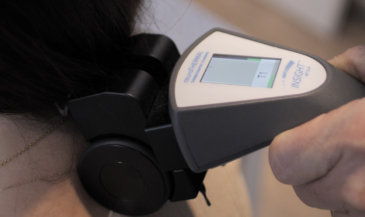
MRI shows the disc. INSiGHT scans show how the nervous system is handling the disc pressure. Together, they create a complete clinical picture. The INSiGHT neuroTECH tools measure Reserve, Energy, and Depth of distress through a three dimensional analysis of autonomic and motor function.
neuroPULSE HRV
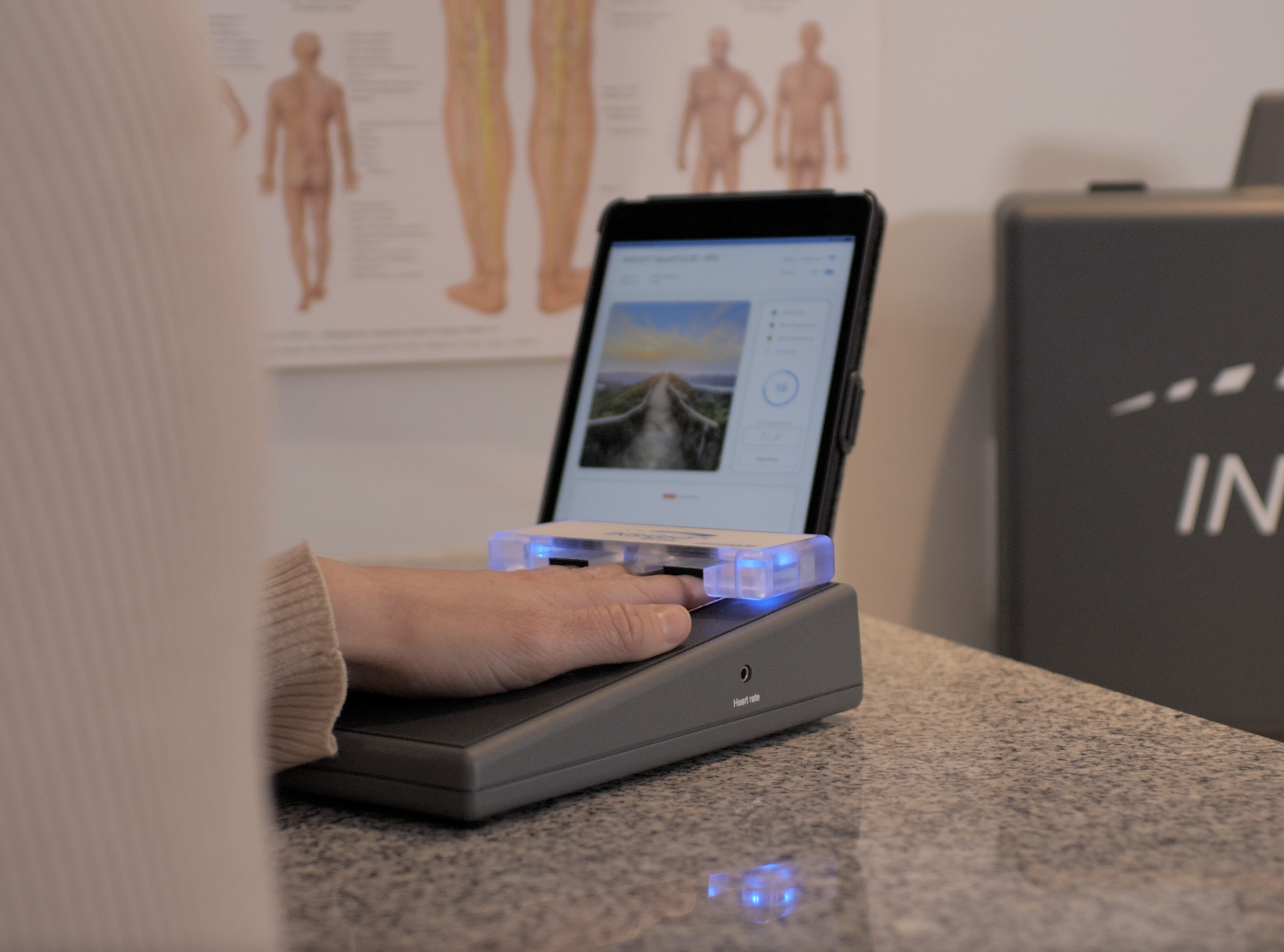
The neuroPULSE heart rate variability scan reveals autonomic balance and adaptive reserve. In disc cases, HRV highlights whether the nervous system is stuck in sympathetic dominance or showing signs of fatigue. This helps explain why symptoms persist or fluctuate.
neuroCORE sEMG
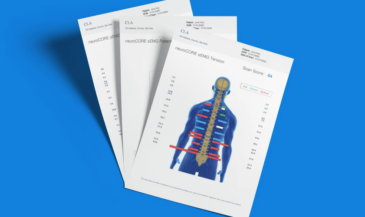
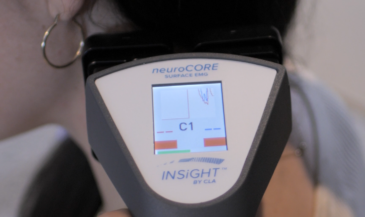
The neuroCORE surface EMG scan measures energy use in the postural muscles. Disc cases often show elevated activity, asymmetry, or fatigue patterns. Tracking these changes over time shows whether the system is reorganizing as adjustments are made.
neuroTHERMAL
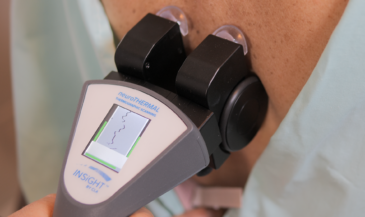
The neuroTHERMAL scan measures temperature patterns along the spine, revealing autonomic imbalance. Disc irritation can create clumping, asymmetry, or segmental cooling, signaling deeper dysautonomia.
CORESCORE and Synapse
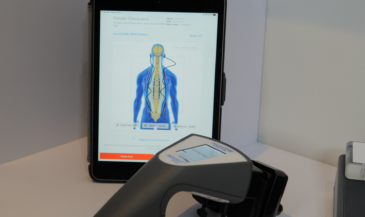
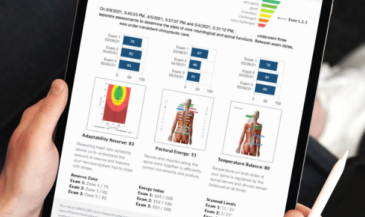
Synapse software integrates HRV, EMG, and thermal into a single CORESCORE. This gives patients a clear, visual representation of their nervous system performance. It supports your clinical reasoning while giving them confidence in the direction of their care plan.
Care Options for Disc Related Conditions
Chiropractic Adjustments
Chiropractic adjustments improve motion in restricted spinal regions, decrease neurological interference, and support the system’s ability to adapt. In disc cases, the goal is to improve both structure and function so the person can handle load more efficiently.
Nonsurgical and Minimally Invasive Supports
Additional drug free options include guided rehab, postural training, activity modification, and, when necessary, pain management coordinated with medical providers. Image guided injections may be appropriate when nerve irritation is severe.
When Surgery Is an Option
Surgery is considered when red flags appear or when symptoms persist despite conservative care. As a primary care provider, your role includes recognizing these cases and supporting the person before and after surgical intervention.
Frequently Asked Questions About Bulging and Herniated Discs
Can You Feel a Bulging Disc with Your Hand
No. The disc is too deep to be felt. Surface lumps are almost always muscle tension, a bony ridge, or local guarding.
What Does a Disc Bulge Feel Like
A disc bulge may create back or neck symptoms, radiating leg pain or arm symptoms, numbness, tingling, or sharp pain depending on the nerve root affected.
Can a Herniated Disk Occur Without Back Pain
Yes. Many herniated discs cause no symptoms at all. Others create leg or arm symptoms without significant back discomfort.
How Long Does It Take a Herniated Disc to Heal
Many improve within weeks. Others take months. Healing depends on disc size, location, lifestyle demands, and nervous system adaptability.
Can Poor Posture Cause a Herniated Disc
Poor posture increases pressure on the spinal discs and can contribute to degeneration over time.
When Should I Worry About Numbness or Tingling
Sudden or worsening numbness, leg weakness, or loss of bladder or bowel control requires immediate evaluation.
Bringing the Focus Back to the Nervous System
Disc language can be scary. Words like bulge, herniation, and rupture sound dramatic. But the presence of a disc issue does not define the person. What matters is how well their nervous system is adapting. When you explain that no one can feel a bulging disc with their hand and show them what their nervous system is doing through INSiGHT scanning, the picture becomes clearer and less threatening.
With INSiGHT neuroTECH and Synapse software, you can measure Reserve, Energy, and Depth of distress and build a care plan grounded in objective data. You help patients understand their disc image in the context of nervous system performance and guide them through a pathway that supports resilience, not fear.
Disc issues will always be part of practice. They are among the most common contributors to neck or back pain. The opportunity is to shift the narrative from disc size to adaptability. When you help people see that the real story is their nervous system performance, you empower them to heal, grow, and function at a higher level, one scan and one adjustment at a time.