
Think of HRV as the nervous system’s fuel gauge. A full tank means you’ve got adaptability to spare. An empty tank means your system is running on fumes. But here’s the thing—there’s no single “perfect” number. What matters is your heart rate variability range—your own personal normal. That range tells you when you’re running strong and when it’s time to back off.
Your range shifts with age and gender, training, sleep quality, nutrition, and even late-night snacks. A higher HRV usually means you’ve got more in the tank for recovery and resilience. A lower HRV can be a sign your reserves are thin.
In a neurologically focused chiropractic practice, HRV is more than a gadget score—it’s a direct look at nervous system performance. Paired with scanning technology, it’s one of the fastest ways to shift the conversation from chasing symptoms to improving adaptability.
What Counts as a “Normal” Heart Rate Variability Range?
When someone asks me, “Doc, what’s a normal HRV?” I tell them, “It depends—on you.” HRV varies from person to person, and even within the same person day to day. Genetics, fitness level, stress load, and daily habits all influence HRV.
That’s why I don’t get hung up on a “perfect” number. Instead, I focus on your baseline—the range your system calls home when life is steady. Once you know that, you can spot HRV changes that mean something.
A few truths about ranges:
- HRV tends to decrease as you age.
- Higher HRV indicates better adaptability and parasympathetic control.
- Low HRV can indicate more sympathetic dominance and less reserve.
- A good heart rate variability for you may be different than your neighbor’s, even if you’re the same age.
And yes, you’ll see heart rate variability charts and “normal” numbers online. Use them as a loose reference. The most useful normal HRV range is the one you get from tracking your HRV consistently over a few weeks.
Common Reasons HRV Falls
Once you know your range, you’ll notice the patterns. Some dips are just part of life:
- Poor sleep or late nights
- Overtraining
- Alcohol or heavy meals late
- Illness or travel
- High-load stress days
The point isn’t to panic over a low day. It’s to understand what’s driving it so you can recover before it becomes your new normal.
Learn more about INSiGHT scanning?
Fill this out and we’ll get in touch!
"*" indicates required fields
Using HRV to Plan Your Days
One of the smartest uses of your heart rate variability range is to let it guide how hard you push. That’s where heart rate variability to plan and variability to plan your workouts comes in.
- High HRV is generally a green light—tackle the big project, push the workout.
- Low HRV is a yellow light—scale back intensity, focus on recovery, maybe get an adjustment.
- Baseline HRV is your steady zone—carry on as usual, but stay aware.
The goal is to work with your body, not against it. That’s a vitalistic way to live—listening to the nervous system and adjusting before problems pile up.
Bringing HRV to Life with INSiGHT’s neuroPULSE
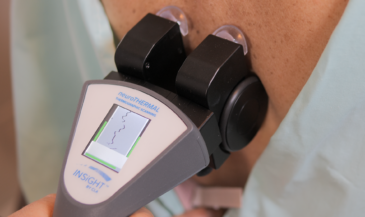
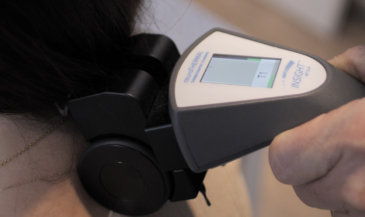
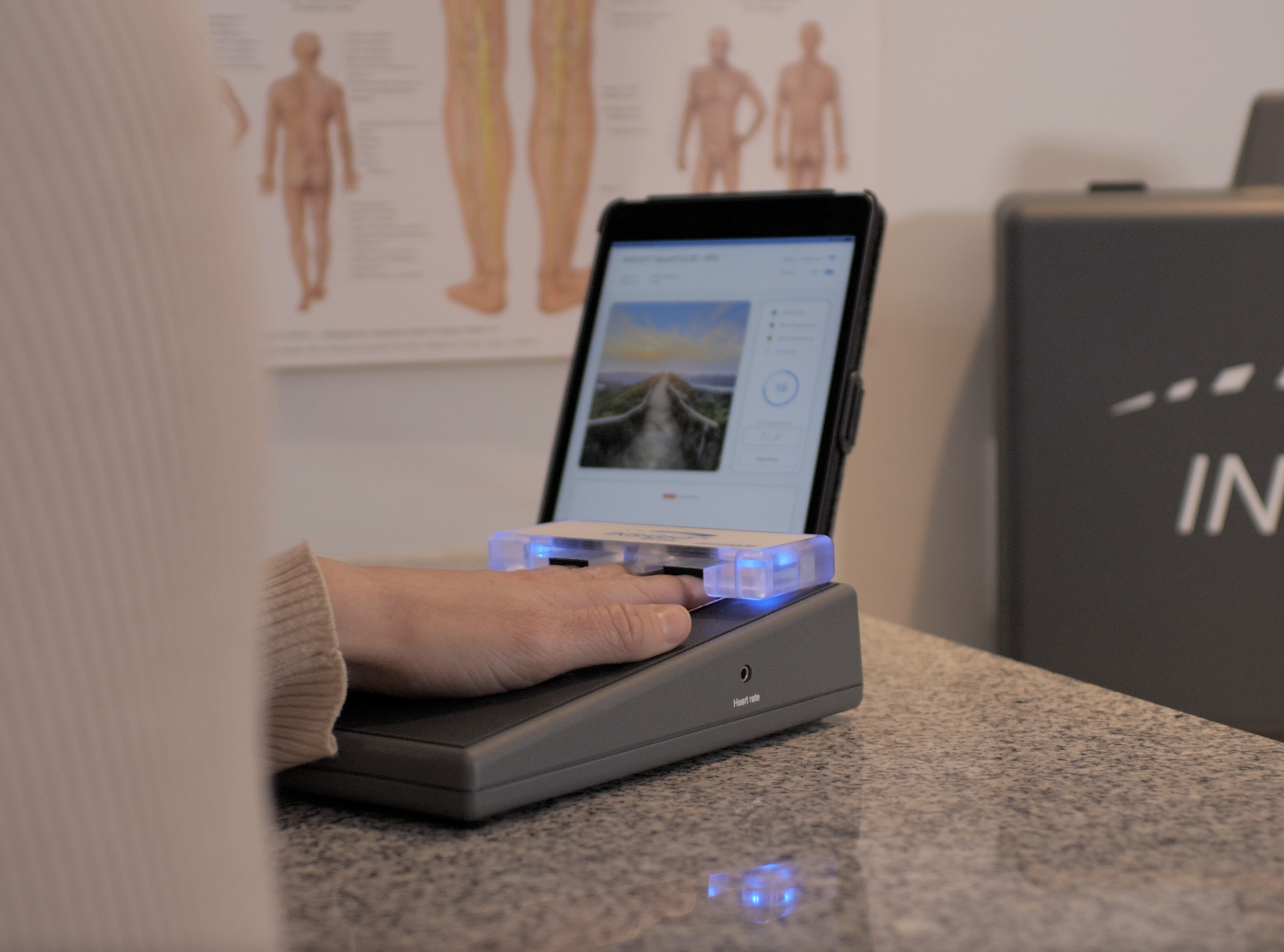
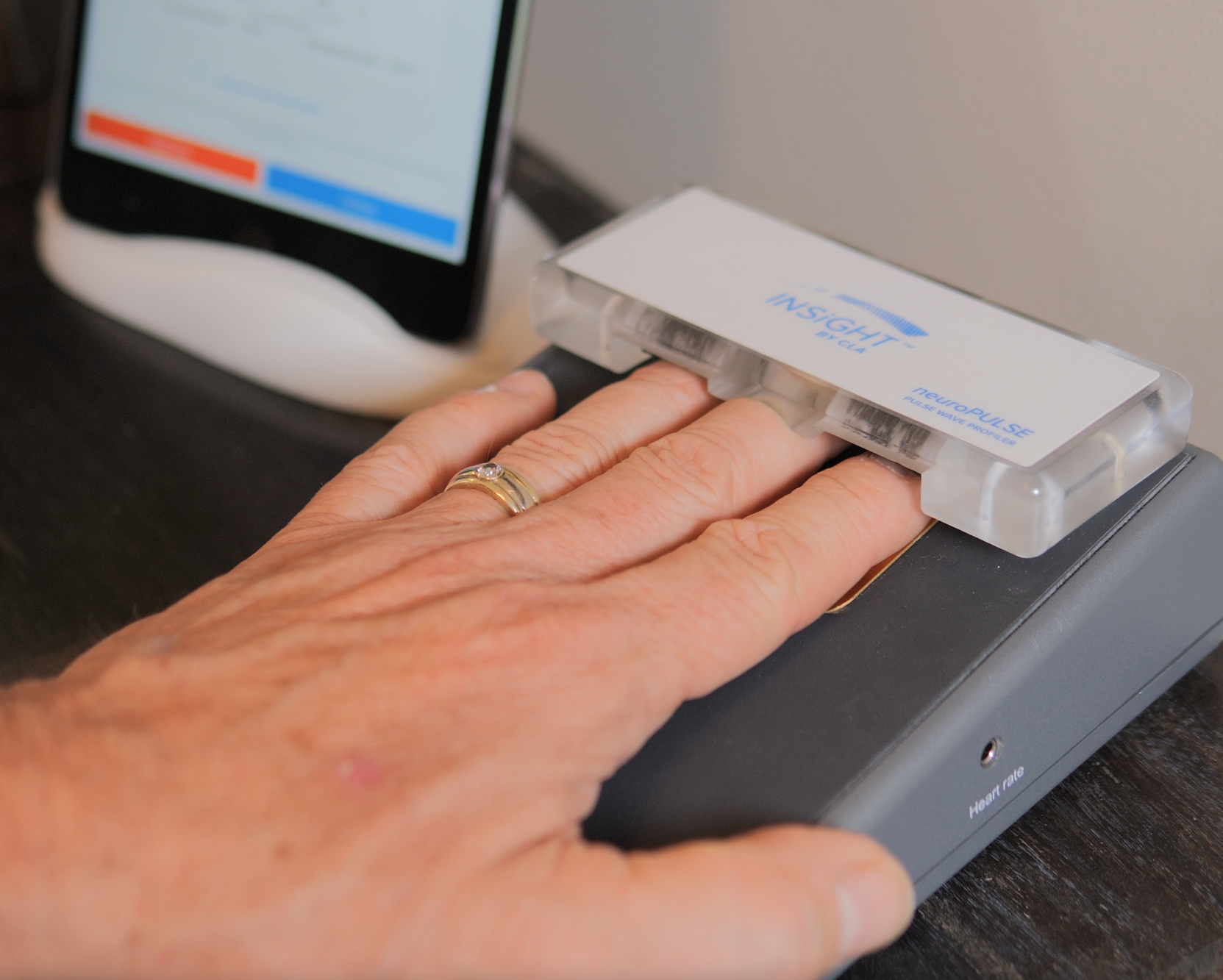
Here’s where it gets exciting for chiropractors. Understanding HRV is one thing. Measuring it precisely and making sense of it with patients is another. That’s where INSiGHT’s neuroPULSE scan comes in.
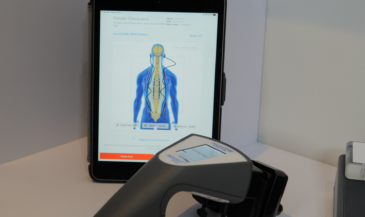
The neuroPULSE captures the times your heart beats and turns them into two key measures: Activity (overall autonomic output) and Balance (sympathetic vs. parasympathetic tone). Plot those on a graph, and you can see exactly where someone falls relative to optimal adaptability.
Because the neuroPULSE is a registered Class II medical device and is backed by a massive normative database, your patient’s HRV score is compared to others of the same age and gender. That context makes your findings more powerful.
With this scan, you can:
- Track HRV numbers and shifts over time
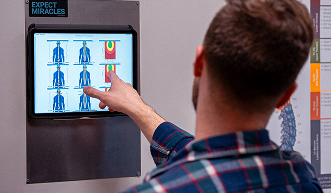
- Show patients visual proof of progress toward a better heart
- Build care plans on objective HRV score data, not just symptoms
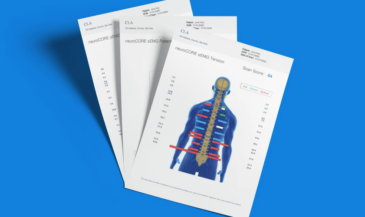
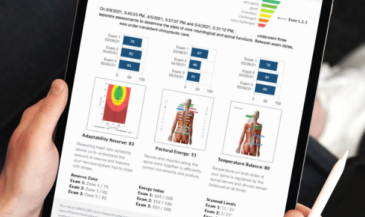
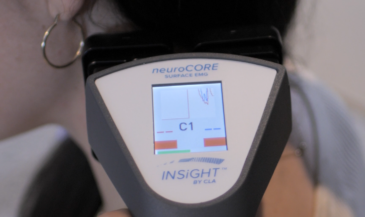
Paired with the neuroCORE and neuroTHERMAL scans, you can give patients a complete picture of nervous system adaptability. That’s how you move the conversation from “I feel better” to “I perform better.”
Wrapping It All Together
Your heart rate variability range is your nervous system’s way of telling its story. Learn your baseline, track your HRV changes, and use them to make smart daily choices.
As chiropractors, we can take this a step further—using HRV as part of a scanning-based, neurologically centered care model. With the right tools, we can show patients how their adaptability is improving, not just how their symptoms are changing.
When you listen to what the nervous system is saying—and you’ve got the scans to back it up—you help people build resilience they can feel and see. And that’s the kind of care that keeps both tanks—yours and theirs—full.