

Plain-spoken promise: We will explain what activates the system, what it looks like when the nervous system is dysregulated, and how to calm the nervous system with effective techniques that are drug-free and realistic for daily life. We will also clarify how INSiGHT scanning technology provides exam data and visual reports that you interpret to design the care plan.
Parts of the Nervous System Involved in Stress
The nervous system is a complex network that coordinates your internal and external life. The central nervous system processes context, memory, and meaning. The peripheral nervous system carries signals to and from tissues and organs. Inside this network, the autonomic nervous system quietly adjusts heart rate, blood pressure, breathing, and digestion without asking your permission. This is the system responsible for your rapid response to stress.
Two key branches guide the moment-to-moment shifts:
- Sympathetic nervous system: the accelerator that gets you moving. It helps the body’s fight or flight response and increases heart rate, elevates blood pressure, and mobilizes fuel. Think of the sympathetic system as the get-out-of-trouble gear.
- Parasympathetic nervous system: the brake that restores. It supports recovery, digestion, and sleep. Activating the parasympathetic nervous system brings a sense of calm and helps the body reset after the challenge ends.
When this rhythm is flexible, short-term stress can sharpen focus and reaction time. When the system is activated too often, it can drift toward sympathetic overdrive. That is when the nervous system may feel overstimulated and dysregulated, and everyday triggers start to feel bigger than they should.
The Acute Stress Response: Why It Exists
Acute stress is a normal protective reaction. A sudden noise, an unexpected email, or the thought of a difficult conversation can trigger a rapid stress response. The limbic system, including the amygdala, flags potential threat, and your hypothalamus relays commands through autonomic pathways to prime the body.
Here is what typically happens next:
- Adrenal glands release a stress hormone cocktail, including epinephrine and a surge that prepares muscles to move.
- Heart rate increases to supply oxygen and energy where it is needed most.
- Breathing quickens and airways open, improving oxygen delivery.
- Digestion pauses so energy can be diverted to immediate action.
In a healthy sequence, the relaxation response follows. Parasympathetic activity rises, the vagus nerve helps slow the pulse, and the system returns to baseline. You feel calm again. This alternating dance between sympathetic and parasympathetic keeps you adaptable, focused, and resilient.
Learn more about INSiGHT scanning?
Fill this out and we’ll get in touch!
"*" indicates required fields
When Repeated Acute Stress Turns Into Chronic Stress
Repeated acute stress can gradually set a new default. The hypothalamic-pituitary-adrenal rhythm can become less efficient, and the body spends too much time in readiness. Over time, this can contribute to elevated heart rate patterns at rest, stubborn muscle tension, and changes in digestion and sleep.
Researchers have associated persistent activation with changes in key control centers. The amygdala may become more reactive, the hippocampus can show signs of stress on memory functions, and prefrontal areas that regulate impulses may not engage as smoothly. This is a snapshot of what a dysregulated nervous system can look like on the inside.
Clinically, that shows up as an overactive nervous system that has trouble downshifting. The person feels wired but tired, focus narrows, and it is harder to feel calm even in safe situations. Recognizing the signs of nervous system dysregulation early helps you redirect the system and protect physical and mental health.
Signs and Symptoms That the System Is Working Too Hard
Everyone adapts differently, but there are familiar signs of a dysregulated nervous pattern:
- Frequent tightness in the neck and shoulders and generalized muscle tension
- Shallow breathing or breath-holding during the day
- Restless sleep, difficulty settling at night, or groggy mornings
- Digestive shifts such as queasiness in stressful moments or a sluggish gut
- Racing thoughts and feelings of anxiety in everyday situations
These are signals that the sympathetic nervous system is responsible for too much of the day and the parasympathetic system is not taking its turn. The goal is not to shut off the sympathetic and parasympathetic responses. The goal is to regulate the nervous system so the right branch shows up at the right time.
How Stress Impacts Body Systems and Daily Performance
The response to stress affects more than mood. It shapes body systems that determine how you move, sleep, and digest:
- Cardiorespiratory: Persistent activation can elevate resting heart rate and influence blood pressure readings. In the moment, it gets you ready to act. Over time, it can wear you down.
- Digestive: The body diverts resources away from digestion during challenge. If that pattern sticks around, bloating, reflux, or inconsistent appetite can follow.
- Immune: Stress can modify immune signaling. In short bursts, that can be protective. When sustained, it may contribute to a sense of nervous system overload and slower recovery from minor illnesses.
- Motor system: Postural patterns often co-activate when you brace for a challenge. Elevated neck and back tension is a common result.
None of this means damage is inevitable. It means your nervous system plays a crucial role in how you show up each day. With awareness and consistent habits, you can manage stress and support overall health and well-being.
Stress and Anxiety: The Mental Side of a Physical Process
Behind stress and anxiety there is a physical sequence. When the system kicks into readiness too often, feelings of anxiety can ride along. Over time, some individuals notice symptoms of anxiety and depression, especially when sleep is short and recovery is limited. While everyone’s story is unique, the relationship between physiology and mood is real and worth tending to.
Supporting physical health and consistent recovery does not replace appropriate mental health care. It complements it. Simple habits that calm and relaxation promote better sleep and more stable energy, which can ease the load on the limbic system and improve attention and patience.
The Role of the Vagus Nerve and Parasympathetic Reset
The vagus nerve is the main highway of parasympathetic activity. When you activate the vagus nerve, you invite the relaxation response to settle the system. Slow exhalations, humming or gentle vocalization, and unhurried nasal breathing can stimulate the vagus nerve and guide the heart back toward steadier rhythms.
Think of the sympathetic and parasympathetic branches as partners. The first gets you out of trouble. The second brings you home. Your body’s design includes both for a reason, and your daily choices help regulate which one leads. This is where simple practices shine because techniques can help even on busy days.
Effective Ways to Calm the Nervous System
Here are effective techniques that help reduce stress and restore flexibility to the system. These are simple, practical, and repeatable:
- Deep breathing: Sit tall, inhale through the nose, and lengthen the exhale. A 4-in, 6-out rhythm is a good start. This helps activate the parasympathetic response and may help calm a racing pulse.
- Consistent sleep routine: Aim for a repeatable wind-down. Dim evening light, steady bed and wake times, and a quiet bedroom help regulate your nervous system.
- Unhurried walking: Ten to twenty minutes outdoors helps downshift an overstimulated nervous system and improves mood. Movement is a natural regulator.
- Unplugged moments: Short breaks from the scroll support attention and reduce triggers. Listen to your body for signs of overload and take the hint.
- Connection and routine: Small rituals with people you trust create a sense of calm that protects resilience and calm across the week.
These are not cures. They are anchors. Used together, they regulate nervous system patterns so you can feel calm more often and return to center more quickly after challenges.
Recognizing the Signs of Nervous System Dysregulation
For clarity, here is a quick checklist that captures early indicators that the nervous system acts outside its best range:
- Your resting heart rate is higher than usual for weeks at a time
- Sleep feels light, unrefreshing, or broken by early waking
- Digestive cues feel off or inconsistent
- Postural tension persists even on calm days
- Small triggers prompt outsized reactions
Recognizing the signs is not about labeling yourself. It is about noticing patterns so you can regulate the nervous system with simple steps, and seek professional guidance when needed.
What Chiropractors Can Measure with INSiGHT
This is where objective analysis shines. INSiGHT scanning technology provides exam data and reported views that make the nervous system’s patterns visible. You use this information, along with your clinical expertise and the patient’s goals, to design the care plan. INSiGHT does not generate care plans, it supports your interpretation.
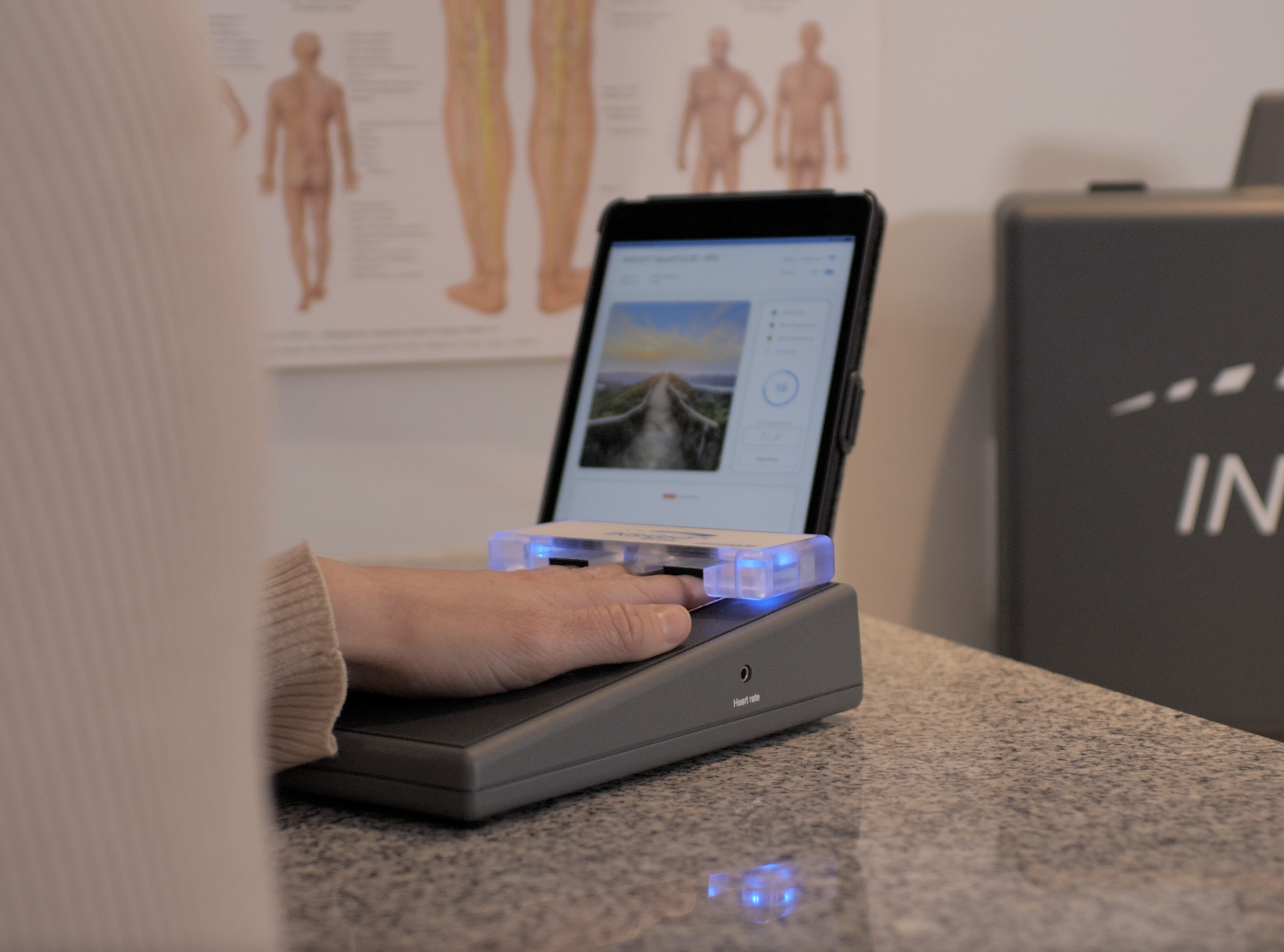
- neuroPULSE HRV: Evaluates adaptability and reserve. The Rainbow Graph plots autonomic balance and activity so you can discuss how the system responds to stress. Over time, this helps you track nervous system regulation and recovery capacity.
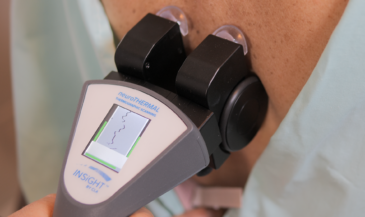
- neuroTHERMAL: Analyzes neurological distress patterns along the spinal regions. Rolling and segmental views show areas of increased demand and symmetry shifts that often correlate with stress triggers and recovery windows.
- neuroCORE sEMG: Maps postural tension and motor system recruitment. Helpful for connecting muscle tension and bracing patterns with everyday stressors.
With INSiGHT software, powered by Synapse, complex neurology is simplified into scan views patients understand. You can compare visits, show trends that help reduce stress around uncertainty, and demonstrate proof your care is making a difference by tracking objective changes over time.
How to Communicate Findings Without Jargon
Patients do not need a lecture. They need plain language and a plan. Here is a simple framework you can use in the adjusting room and during progress checks:
- What we measured: Explain the scan views in one or two sentences.
- What it means: Describe whether sympathetic activation is dominant, or if parasympathetic recovery looks limited.
- What we will do next: Outline the adjustment plan and basic home strategies such as breathing and short walks.
- How we will track it: Show when you will rescan and what improvements might look like on the visuals.
This approach respects the system plays a crucial role in everyday life and keeps the conversation focused on progress. People feel supported and understand how their body responds to stress and how your expertise will help regulate the pattern over time.
A Day-by-Day Guide to Manage Stress and Support Recovery
Use this practical, repeatable rhythm to help reduce stress and build resilience:
- Morning: Two minutes of deep breathing before you look at a screen. Slow exhale is the star. A short walk outdoors to set your clock.
- Midday: A five-minute break to stand, breathe, and reset posture. A glass of water and a few shoulder rolls to ease postural tension.
- Afternoon: If the mind is racing, take sixty seconds of eyes-closed nasal breathing. Let the exhale lengthen naturally.
- Evening: Dim lights and choose a simple wind-down. Light reading, gentle stretches, or a warm shower help activate the parasympathetic tone.
- Weekly: A standing time to walk with a friend, prepare simple meals, and schedule your next full spine nerve system scan if you are in active care.
These techniques can help even the most sensitive nervous patterns. The goal is steady steps, not perfection. Over time, you will notice a smoother response to stress, fewer spikes, and a more reliable return to a sense of calm.
Frequently Asked Questions
Does stress affect heart rate and digestion
Yes. During challenge, heart rate rises and digestion slows so energy is available for action. As the relaxation response returns, the vagus nerve helps restore steady rhythms and digestion improves.
What does it mean if my nervous system is dysregulated
It means the system leans too long toward readiness and does not downshift easily. You might notice restlessness, tight muscles, light sleep, and quick reactions to small triggers. This pattern is workable with consistent habits and supportive care.
How do I calm the nervous system quickly
Lengthen the exhale with deep breathing through the nose, relax your tongue and jaw, and soften your shoulders. A slow walk outside helps. These steps help activate the parasympathetic, especially when practiced regularly.
How can chiropractic help
A chiropractor trained in neurological scanning can measure nervous system performance, explain patterns, and provide adjustments and guidance to support recovery. Objective exam data from INSiGHT scans help you and your chiropractor monitor changes over time.
Next Step: Get Objective Clarity
If you are noticing signs of nervous system dysregulation, schedule a full spine nerve system scan with a chiropractor who uses INSiGHT scanning technology. You will receive objective exam findings and visual reports that your chiropractor will interpret to design a care plan tailored to your goals. Understanding your response to stress is the first step toward feeling calm, steady, and resilient.
Your nervous system plays a crucial role in every decision, movement, and mood. It is adaptable by design. With clear understanding, daily practices, and objective measurements, you can regulate your nervous system, reduce stress, and restore a steadier rhythm to your days. If you are ready for clarity, ask your chiropractor for an INSiGHT full spine nerve system scan and start tracking what matters.