
That’s where the HRV score steps in. It’s not just a number for your files; it’s the heartbeat of modern, neurologically-focused chiropractic care—a way to show that care is making a difference, not just tell. Let’s roll up our sleeves and dig into why HRV is the new gold standard for nervous system progress.
What Is HRV Score? The Basics, the Science, and Why It Matters
Here’s the straight goods: Heart rate variability (HRV) is the natural fluctuation—measured in milliseconds—between each heartbeat. It’s not your heart rate, but rather how much the time between each beat changes as you go about your day. This dance between the sympathetic (gas pedal) and parasympathetic (brake pedal) sides of your autonomic nervous system keeps you adaptable, responsive, and resilient.
So, what’s an HRV score? It’s a practical way of turning those tiny millisecond differences into a single, clear number. Higher HRV scores reflect a nervous system with plenty of adaptability—a bit like a truck with a full tank and good shocks, ready for any road. When HRV gets stuck or drops, it means the system’s losing its spring; it’s stuck in sympathetic overdrive, or just plain worn out.
Why should we care? Well, integrative reviews show that heart rate variability is tied to everything from better cardiovascular health and sleep quality to emotional resilience and immune strength. In plain language: a healthy HRV score means your nervous system is running the show, coordinating your health like the conductor of a big city orchestra.
For a Neurologically-Focused Chiropractor, HRV is a true game-changer. It gives you a real, reproducible way to measure the nervous system’s status and adaptability—no guesswork, no hoping for the best. You get a baseline, track trends, and show your patients the “why” behind your care plan, building trust at every visit.
How Is HRV Score Measured? The Anatomy of a Vital Sign
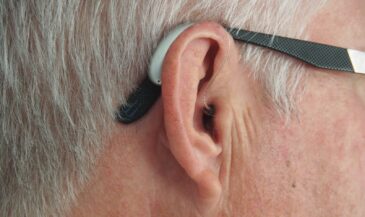
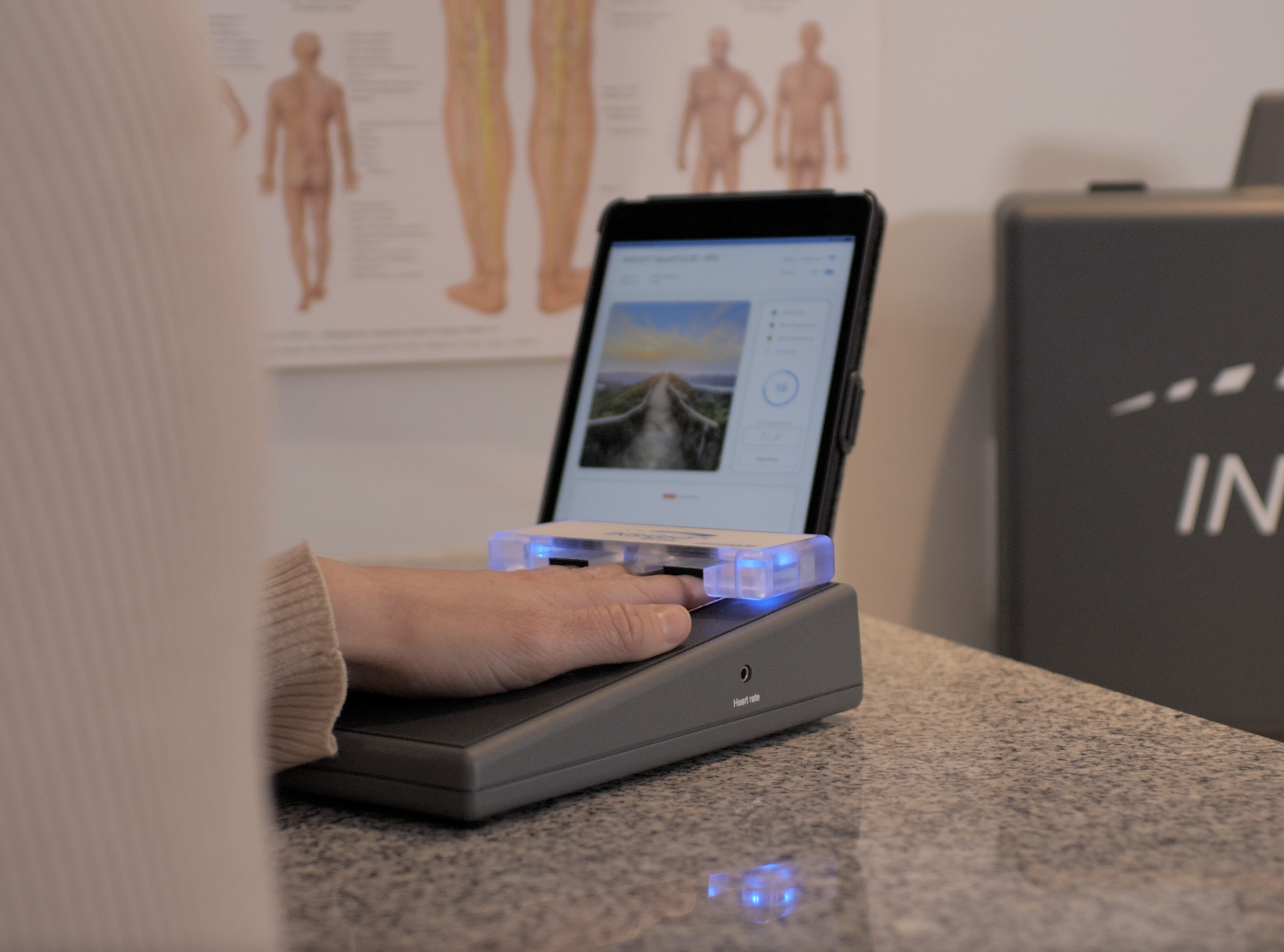
Let’s take a peek under the hood. Measuring HRV score is all about tracking the timing between each heartbeat. Modern tools like the neuroPULSE make this process easy, quick, and accurate. You pop a sensor on the finger (or use a pediatric sleeve or ear clip for kids), and in a few short minutes, you get a treasure trove of data, all boiled down into a number you and your patients can both understand.
Here’s how HRV is analyzed:
- Time Domain (like SDNN, rMSSD): Looks at how much those heartbeat intervals fluctuate over time.
- Frequency Domain (like LF/HF ratio): Breaks those changes down into patterns, showing how the sympathetic and parasympathetic branches are playing together.
A good hrv score from the neuroPULSE is more than a number on a screen; it’s a window into a patient’s ability to adapt to daily neurological distress, recover from life’s bumps, and stay ahead of chronic issues. Importantly, INSiGHT scanning technology makes it simple for all ages—including newborns, thanks to its pediatric attachments.
But HRV doesn’t happen in a vacuum. It’s shaped by:
- Age and gender: HRV drops as you age, and there are slight differences between men and women.
- Genetics: Some are just born with higher or lower adaptability.
- Lifestyle: Sleep, physical activity, diet, and early exposure to antibiotics and other environmental toxins all matter.
- Chronic neurological distress: Physical, chemical, and emotional stress can suppress adaptability and trigger the presence of vertebral subluxations.
- Underlying tension: Even without symptoms, spinal tension or neurological interference can bring scores down.
So when you see a patient’s hrv score, think of it as a snapshot. The real value is watching how that picture changes over time.
Learn more about INSiGHT scanning?
Fill this out and we’ll get in touch!
"*" indicates required fields
What’s a “Good HRV Score”? Understanding Ranges, Trends, and Adaptability
Now, everyone wants to know, “Doc, what’s a good HRV score?” Truth is, there’s no one-size-fits-all answer. HRV is unique—like your thumbprint or your grandma’s chili recipe. The real power comes from understanding the trend, not obsessing over a single number.
With INSiGHT’s HRV Rainbow Graph, you can map a patient’s score into simple zones:
- Green Zone: Optimal adaptability. The nervous system is humming, handling daily demands with ease.
- Yellow/Orange Zones: Adaptability could be better, but the system’s holding steady.
- Red Zone: The system’s struggling—often stuck in sympathetic overdrive or running on empty.
Keep in mind, high HRV usually relates to good adaptability, but if that number’s jumping around like a frog on a hot rock, you’ll want to take a closer look. On the flip side, low HRV (or low heart rate variability) usually signals chronic neurological distress, exhaustion, or underlying interference—even if the patient doesn’t “feel” bad yet.
What makes HRV so vital for care planning?
- High HRV: Usually seen in folks who are fit, sleep well, handle stress, and keep their nervous system tuned.
- Low HRV: Shows up in those facing chronic stress, lack of sleep, illness, underlying vertebral tension, or after early exposure to toxins.
The bottom line? A “good HRV score” is one that improves over time. If your patient is moving from red to green, spending more days in the optimal range, you’re not just making a difference—you’re building resilience for life.
Why HRV Score Belongs in Every Neurologically-Focused Practice
We’re living in an era when patients expect proof, not promises. The HRV score gives you a way to show, not just tell, that their nervous system is adapting. You shift from “How do you feel?” to “Let’s see how your nervous system is adapting.” It’s a complete paradigm shift—especially in pediatrics, where symptoms aren’t always easy to measure.
Here’s what makes the HRV score so powerful for your practice:
- Builds trust: Patients see real, objective progress—especially parents watching their kids grow stronger.
- Boosts engagement: When patients see their score change, they get invested in their own adaptability.
- Guides care: Baseline and regular scans guide re-exams, care plan changes, and even conversations around lifestyle shifts.
- Elevates your reputation: When you show patients the science, you become the local go-to for neurologically-focused care.
The Clinical Benefits: Using HRV Score to Guide Adjustments, Adapt Care Plans, and Foster Commitment
Let’s get practical. Here’s how HRV supercharges your care plans:
- Baseline HRV: Every new patient gets a full spine nerve system scan and initial HRV score. This is your “starting line.”
- Use neuroPULSE: INSiGHT’s research-grade scanner delivers reliable, pediatric-friendly HRV analysis.
- Track trends: Re-scan every 12 visits, watching for improvements. Celebrate small wins and address stalls before symptoms return.
- CORESCORE integration: By combining HRV, neuroCORE (EMG), and neuroTHERMAL, you give patients a single neural efficiency score—their “report card.”
- Personalized care: Spot sympathetic overdrive, monitor stress adaptation, and adjust plans for different age groups or situations.
Most importantly, these scans make communication a breeze. Instead of talking about “pain” or “problems,” you point to the rainbow graph: “Here’s where you started, and here’s how far you’ve come.” Patients get it, parents love it, and you get to enjoy practicing with more certainty.
How INSiGHT Technology Puts HRV Score to Work
I’ll tell you—after years in practice, nothing has transformed my patient care like the INSiGHT neuroTECH and Synapse software suite. Here’s why:
- neuroPULSE: Research-grade HRV assessment. Measures millisecond variations, tracking the dance between sympathetic and parasympathetic responses.
- neuroCORE: Surface EMG technology that detects postural strain and neuromuscular exhaustion—think of it as reading the nervous system’s “energy budget.”
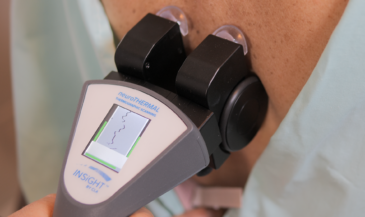
- neuroTHERMAL: Measures subtle temperature differences along the spine—giving you a window into the spinal autonomic nervous system and vascular adaptation.
All this data comes together in Synapse software, where you can generate a simple, easy-to-understand CORESCORE—one number (on a 0-100 scale) that shows how the nervous system is doing, and how it’s changing under your care.
Scans are quick (minutes, not even 10 minutes!), non-invasive, and suitable for everyone from newborns to seniors. With this technology, you move from “adjust-and-hope” to “analyze, adapt, and prove progress”—building your confidence and the patient’s trust, every step of the way.
Implementation Guidelines: Making HRV and Neurological Scanning a Practice Staple
Bringing scanning into your office shouldn’t be complicated. Here’s how to keep it easy, efficient, and impactful:
- Train your team: Everyone should know how to run scans and explain results. INSiGHT Academy has great support for this.
- Scan every new patient: Make HRV and full spine scans routine at intake, re-exams, and progress assessments. Use the “Rule of 12” to guide regular reviews.
- Educate with visuals: Synapse’s color-coded graphs and report cards are worth a thousand words—use them!
- Watch the trend: Focus on progress over time. A single scan’s a snapshot, but trends reveal the real story.
- Speak plainly: Most folks don’t want a textbook—they want to know, “Am I getting stronger? Is my nervous system adapting?” Give them the story, not just the stats.
With regular HRV and neural scanning, your care becomes measurable, your results undeniable, and your practice ready for the future of neurological health.
HRV and the Future of Chiropractic: Leading the Way in Neurological Health
The science of neurological assessment is moving fast and HRV is right at the heart of it. Every year, more studies link heart rate variability to mental health, resilience, and chronic disease prevention. As AI, population health analytics, and community screening become the norm, the practices that lean into HRV and INSiGHT scanning will lead the pack.
The takeaway? The days of “adjust and hope” are over. The future belongs to those who measure, track, and prove neurological adaptation. That’s what your community wants, and that’s what the next generation of chiropractic is all about.
Leading with Certainty: Why HRV Score is the New Standard
If there’s one thing I’ve learned over a lifetime in chiropractic, it’s that what gets measured gets managed. The HRV score is more than a number—it’s a window into every patient’s potential for resilience, adaptability, and growth. When you bring HRV and neurological scanning front and center in your practice, you don’t just give great adjustments—you give proof. You show families how their nervous system is changing for the better.
So here’s my challenge to you: Make the HRV score your new vital sign. Use INSiGHT scanning technology to track what matters most. Build certainty in your care, and help your patients see progress in living color. That’s what neurologically-focused chiropractic care is all about—and there’s never been a better time to lead the way.
Frequently Asked Questions
What is heart rate variability and why is it important?
Heart rate variability (HRV) refers to the variation in time intervals between heartbeats. It is an important indicator of the autonomic nervous system’s health, reflecting how well your body can adapt to stress and changes in the environment. A good HRV score generally suggests a well-functioning nervous system and overall health.
How can I check my heart rate variability?
You can check heart rate variability using various methods, including wearable fitness trackers, HRV apps, or specialized heart rate monitoring devices. These tools measure the time between heartbeats and provide insights into your HRV number and trends over time.
What does a heart rate variability chart show?
A heart rate variability chart visually represents the changes in HRV measurements over time. It can help you track your HRV trends, assess your overall health, and understand how factors like stress and exercise impact your HRV score.
How does age affect heart rate variability?
Age can significantly influence HRV levels. As you age, it’s common to see a decrease in HRV, which may indicate a decline in the autonomic nervous system’s flexibility. A rate variability chart by age can help you understand these changes and what constitutes a normal HRV for your age group.
What is considered a good HRV score?
A good HRV score varies by individual, but generally, a higher HRV number indicates better heart health and a more resilient autonomic nervous system. Monitoring your average heart rate variability over time can provide insights into your current and future health status.
What factors can lower my heart rate variability?
Several factors can contribute to lower HRV, including high stress levels, poor sleep quality, sedentary lifestyle, and underlying health conditions. Understanding these factors can help you take steps to improve your heart rate variability.
How can I improve my heart rate variability?
There are various strategies to improve your heart rate variability, including regular chiropractic care, mindfulness practices like meditation, proper sleep hygiene, and maintaining a healthy diet. Tracking HRV changes can help you identify which strategies are most effective for you.
How do I measure heart rate variability accurately?
To measure HRV accurately, use devices designed for heart rate monitoring that provide reliable data. Ensure you are at rest and follow consistent conditions when measuring your HRV to obtain valid results. Regular tracking can help you understand your HRV baseline and overall trends.