
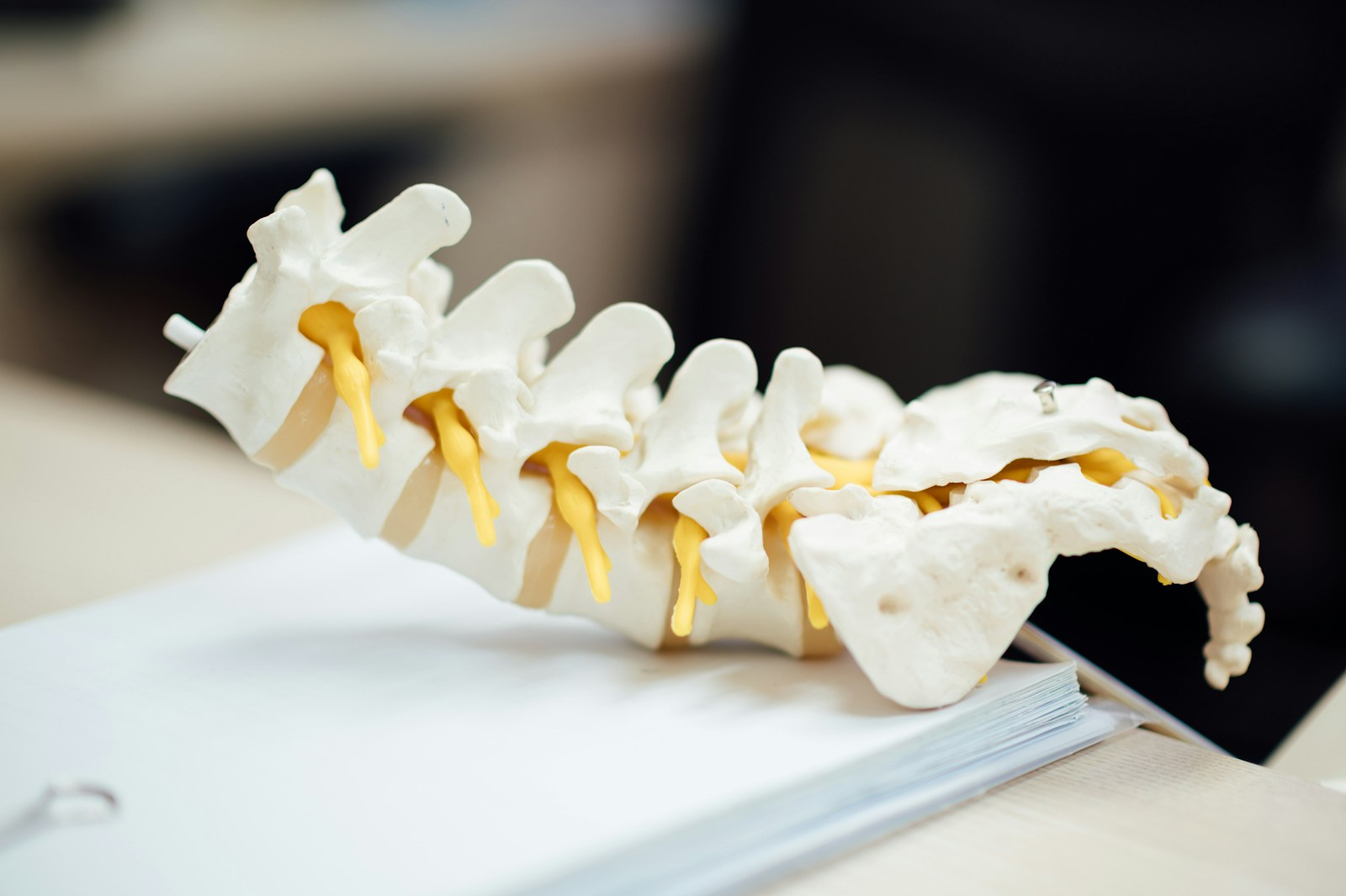
Inside the lumbar spine, the intervertebral discs act as cushions between the vertebrae. Over time, they can lose hydration, develop annular tears, and narrow the disc space—creating instability and strain. These changes are structural, but they also signal something deeper: a system under neurological distress. The nervous system’s performance determines how the body stabilizes, coordinates, and recovers when mechanical stress builds.
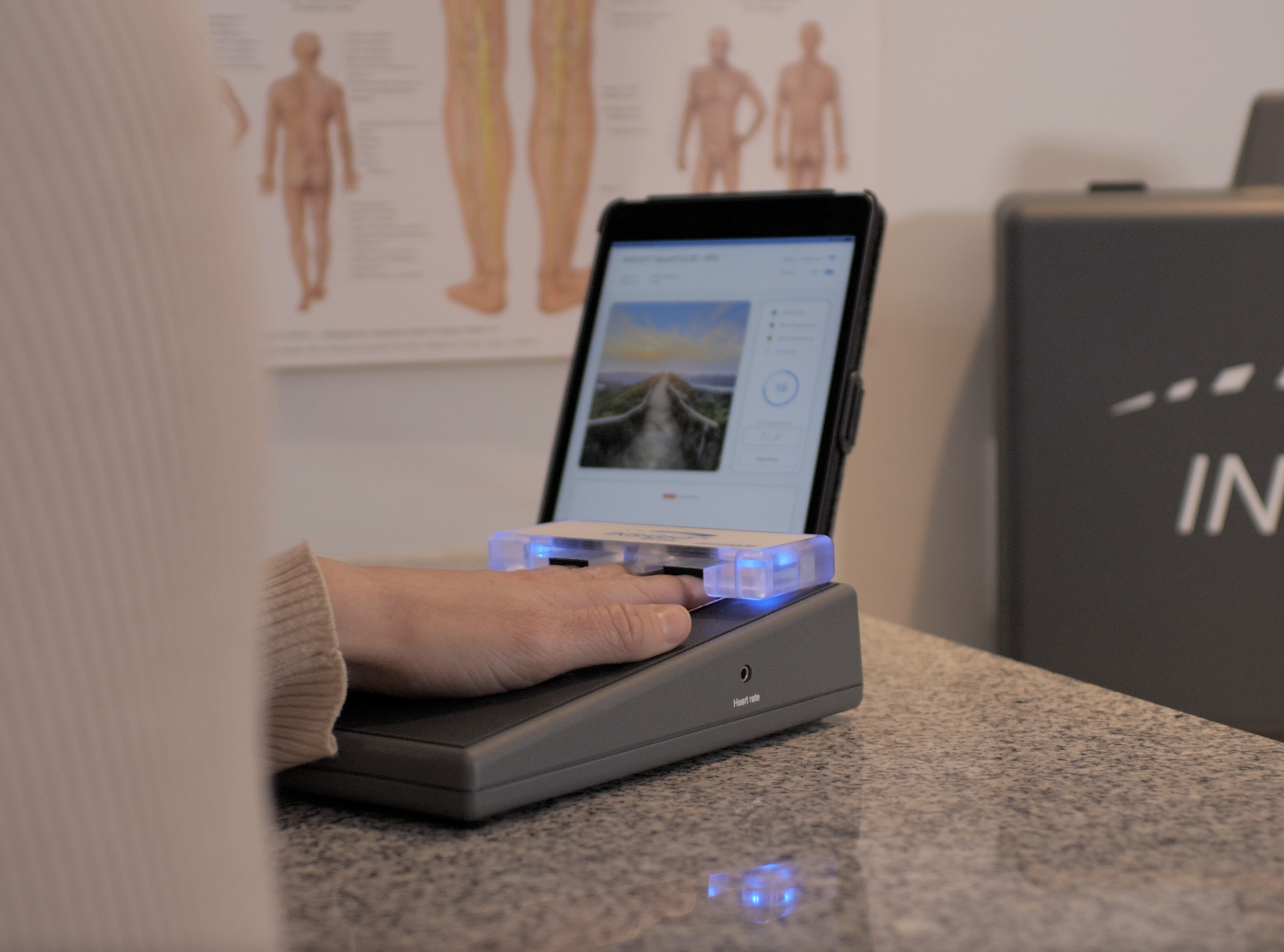
This is where a nerve-first approach changes everything. With INSiGHT scanning technology and INSiGHT software (powered by Synapse), chiropractors can move beyond guessing and start showing patients objective data about adaptability and stress. In minutes, a scan can reveal postural tension, autonomic imbalance, and adaptive reserve—visual proof that connects the structure to the system.
What Is Lumbar Disc Disease? A Closer Look at the Spine’s Engine Room
Lumbar Disc Disease describes the progressive degeneration of the discs in the lower spine, typically between the fourth and fifth lumbar vertebrae or between the fifth lumbar vertebra and the first sacral level. These discs of the lumbar spine serve as shock absorbers between vertebral bodies, each made of a gel-like nucleus pulposus surrounded by tough rings of collagen called the annulus fibrosus.
When a disk disease occurs, it usually follows years of repetitive stress. The cartilage intermediate layer protein and water content inside the nucleus decline, weakening the disc’s elasticity. Small fissures appear in the annulus, allowing disc material to bulge outward. In more advanced cases, this bulge or herniation can press on the nerve, causing irritation, weakness, or sensory loss.
Not everyone who shows degeneration develops symptoms. In fact, studies show that most people over 60 have some degree of disk degeneration on MRI (magnetic resonance imaging) scans, even if they feel fine. The reason some people develop symptoms while others don’t comes down to one variable: adaptability. When the nervous system performs efficiently, it can buffer stress, coordinate repair, and maintain stability even when structural wear is present.
Why the Lumbar Disc Degenerates: Structural, Lifestyle, and Neurological Factors
Degenerative disc disease doesn’t appear overnight. It develops gradually as the disc loses hydration and elasticity. The degenerative changes most often affect the lower lumbar spine, where daily load and motion are greatest. Over time, the annulus weakens, the nucleus loses pressure, and the disc height drops—reducing shock absorption and inviting instability.
Common disease causes include:
- Mechanical stress: bending, twisting, or lifting heavy objects repeatedly.
- Deconditioning: weak core stabilizers and poor endurance around the lumbar region.
- Postural stress: prolonged sitting that elevates intradiscal pressure.
- Obesity: adds mechanical load on each lumbar intervertebral segment.
- Smoking and increased rates of degeneration due to poor tissue oxygenation.
- Prior injury: repetitive microtrauma that seeds annular tears and later herniation.
Chronic sympathetic overdrive—the “fight or flight” state—reduces blood flow to the spinal disc and interferes with nutrient exchange, a mechanism supported by autonomic physiology research. When recovery pathways are compromised, small irritations become chronic. Over time, this neurological pattern accelerates lumbar degenerative disc disease and erodes the body’s ability to heal.
Two patients with the same imaging can live completely different realities. One moves freely with minimal discomfort, while another lives in constant pain. The difference isn’t just structure—it’s the nervous system’s capacity for adaptation.
Learn more about INSiGHT scanning?
Fill this out and we’ll get in touch!
"*" indicates required fields
Common Symptoms of Lumbar Disc Disease
Symptoms of lumbar disc disorders vary widely, ranging from mild stiffness to sharp, radiating leg pain. The most recognizable pattern involves low back pain that extends into the hips or legs. When a lumbar disc herniation or herniated disk irritates a nerve root, symptoms may include:
- Back and leg pain (sciatica) that radiates down the leg.
- Numbness, tingling, or weakness in the feet or toes.
- Discomfort that worsens with sitting, bending, or twisting.
- Muscle spasms as the body attempts to stabilize the spine.
- Relief with gentle walking or lying flat.
While most cases of lumbar herniated disc improve over time, clinical evidence shows that conservative management resolves symptoms for the majority without spine surgery. Severe red flags such as cauda equina syndrome—marked by loss of bladder or bowel control or profound weakness—require immediate surgical evaluation (NASS Guidelines).
Symptoms can fluctuate throughout the day as hydration and neural tone change; discs reabsorb fluid overnight and lose height with load.
Diagnosis and Traditional Treatment Options
Effective management begins with a detailed medical history and physical examination. Clinicians look for patterns that reveal disk disorders—posture, reflex changes, and muscle weakness indicating nerve irritation. Imaging tools such as magnetic resonance imaging (MRI) or CT confirm disk herniation, lumbar disc degeneration, or narrowing of the spinal canal.
The initial treatment approach is usually conservative. Most patients with lumbar disc disease respond well to activity modification and guided exercise. Chiropractic adjustments, postural training, and ergonomics form the core of conservative treatment.
Common treatment options include:
- Manual therapy to improve joint motion and reduce tension.
- Stretching and strengthening to protect the lumbar spine.
- Ergonomic corrections for sitting, sleeping, and lifting.
- Aerobic exercise to promote circulation and healing.
Still, imaging alone doesn’t tell the full story. Structural findings don’t always align with pain or function. Objective neurological analysis using INSiGHT scanning helps align chiropractic decisions with nervous system performance.
The Nervous System Connection: More Than a Mechanical Problem
The discs of the lumbar spine live in constant communication with the nervous system. The autonomic and motor pathways regulate tone, circulation, and repair. When chronic stress drives sympathetic dominance, blood flow decreases, and inflammation rises. Balanced parasympathetic tone, largely through the vagus nerve, supports regeneration by activating the body’s anti-inflammatory pathways.
When these systems function efficiently, even a degenerated or herniated disc can stabilize. When they falter, degeneration progresses faster. Chiropractic care focused on restoring autonomic coherence has been shown to improve HRV and overall adaptability.
How INSiGHT Scanning Technology Adds Precision and Certainty
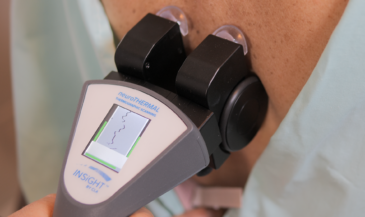
INSiGHT neuroTECH and Synapse software give chiropractors a measurable way to evaluate nervous system performance. These technologies form a 3-dimensional analysis that complements traditional imaging.
- neuroCORE (sEMG): Measures postural tension and symmetry.
- neuroTHERMAL: Detects autonomic nerve tension through temperature asymmetries.
- neuroPULSE (HRV): Evaluates adaptive reserve and autonomic balance.
- CORESCORE: Integrates all three metrics into a unified 0–100 index, simplifying patient communication.
With these tools, chiropractors can transform complex neurology into clear visuals. Baseline scans highlight where the nervous system is struggling; progress scans show measurable improvement.
Using Objective Data to Guide and Communicate Care
Each full spine nerve system scan establishes a baseline for future comparison. Follow-up scans at regular intervals—every 12 visits under the Rule of 12—track recovery trends.
This systematic approach ties patient communication to evidence. When a symptomatic lumbar disc stabilizes and scan visuals show improved coherence, people understand their progress. They begin to value consistency instead of chasing temporary relief.
Prevention and Performance: Building a Resilient Lumbar Spine
Lumbar Disc Disease prevention is about sustaining adaptability. Encourage regular movement, balanced activity, and stress management.
- Engage in low-impact aerobic activity.
- Maintain postural endurance to support the lumbar region.
- Lift heavy objects safely and avoid sudden twisting.
- Stay hydrated and avoid smoking, which worsens disk degeneration.
- Schedule periodic INSiGHT analyses to verify adaptability.
Healthy discs depend on a healthy nervous system. Research on HRV and chiropractic adjustments shows improved adaptability and autonomic balance over time).
From Labels to Adaptability: The Neuro Age of Lumbar Care
Lumbar Disc Disease may begin as a structural challenge, but recovery depends on neurological adaptability. The body’s ability to regulate tone, coordinate movement, and restore balance determines whether degeneration continues or stabilizes.
With INSiGHT scanning technology, chiropractors can now show this adaptability in living color. Through HRV, sEMG, and thermal assessments, you can document how the system is reorganizing—not just how the structure looks. The INSiGHT software consolidates this data into reports that patients understand, helping them see the power of neurological improvement firsthand.
The future of lumbar care belongs to the nerve-first chiropractor—one who combines structural skill with neurological insight. When you show patients what’s truly happening beneath the surface, they stop counting visits and start valuing results. And that’s how chiropractic leads the way in the Neuro Age of spine care—by turning uncertainty into measurable adaptability and giving every patient proof their care is making a difference.