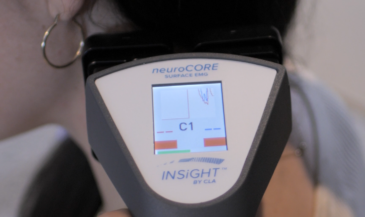


What sets pediatric chiropractic care apart is how age-appropriate and precise it is. Gentle adjustments are tailored to small bodies and the unique needs of children. Chiropractors use gentle techniques designed to help babies and children feel safe, supported, and comfortable. Today’s pediatric chiropractors can measure nervous system performance using INSiGHT scanning technology, providing objective data the chiropractor interprets to design an individualized care plan. These reports show real progress so families can see how chiropractic care supports healthy growth and development.
This article explains what pediatric chiropractors do, how pediatric chiropractic care differs from adult chiropractic, which common childhood conditions chiropractors can help with, and why modern neurological scanning matters for healthy growth and development. If you’re exploring chiropractic care for children, you’ll learn how this natural care approach—tailored, measurable, and gentle—can help your child grow with confidence and health and well-being.
What Pediatric Chiropractors Do
Pediatric chiropractors focus on how a child’s spine and nerves work together during key stages of growth and development. Their goal is to support clear communication along the child’s nervous system so the body can regulate, recover, and coordinate movement and regulation efficiently. Peer-reviewed studies suggest that neurologically based chiropractic approaches may influence adaptability and resilience, providing measurable improvements in nervous system balance.
Care for babies and children is not simply a smaller version of adult chiropractic. A pediatric chiropractor adapts every adjustment to the child’s size, stage, and unique needs. Research from Dr. Christopher Kent highlights how adjustments influence autonomic balance by reducing neurological interference. Chiropractic techniques help realign the spine and restore proper alignment, improving how the body adapts to stress. These methods can support conditions such as colic, ear infections, or postural tension that may stem from interference in the nervous system.
Regular chiropractic visits also provide preventative benefits. Early checkups allow doctors to identify small issues before they escalate. In a family chiropractic setting, pediatric patients grow up understanding that visiting a chiropractor is a routine part of staying healthy. This builds lifelong habits and reinforces how chiropractic care can improve balance, sleep, and adaptability in children of all ages.
- Specialized care: Pediatric chiropractors can provide gentle, specialized pediatric care matched to a child’s unique needs.
- Developmental focus: Care supports posture, coordination, and growth and development through proper spinal alignment.
- Preventative care: Regular visits identify small problems before they become major challenges and promote overall health.
Most pediatric chiropractors complete additional training and certification in infant and child care through organizations like the International Chiropractic Pediatric Association (ICPA) and The Pediatric Experience. If you’re looking to find a chiropractor or compare chiropractors near your area, ask how they use scanning and chiropractic adjustments to track system function and ensure safe, natural care for your family.
Why Children Benefit from Chiropractic Care
Chiropractic care for children is designed to support the body as it adapts to everyday activities, new movements, and growth spurts. The nervous system is the control center that connects every muscle, joint, and organ. When free of interference, it helps the body function at its best. Clinical findings show that heart-rate-variability (HRV) analysis can document improvements in adaptability following chiropractic adjustments.
Chiropractic care can help balance a child’s posture, coordination, and focus. Gentle adjustments ease neurological tension, helps align the spine, and relieve strain from daily stressors like falls, backpacks, and screen time. As a result, chiropractic care can support better sleep, digestion, and concentration. Research on salutogenic outcomes notes improvements in HRV and sleep as markers of enhanced resilience.
Chiropractic care helps address the common childhood stresses that show up as posture changes, restless sleep, or growing pains. Chiropractors can help improve efficiency in everything from digestion and muscle coordination to immune response. Studies on vagal regulation show how balanced nerve tone supports digestive and immune health.
- Common childhood conditions: Chiropractors can help with musculoskeletal strains, sports injuries, or posture challenges.
- Infant and toddler support: Gentle care can help with colic, feeding issues, and sleep disturbances that may reflect interference in the nervous system.
- Ear and sinus comfort: Families often seek natural care to support recovery from ear infections and related discomfort.
By reinforcing healthy communication throughout the body, chiropractic care can improve adaptation and promote healthy growth and development. Over time, families see that regular chiropractic checkups not only correct small misalignments but also encourage resilience, balance, and confidence for young patients.
How Pediatric Chiropractic Care Differs From Adult Care
Pediatric chiropractic care involves more than smaller adjustments—it represents a different approach altogether. A pediatric chiropractor uses gentle techniques suited to a child’s developing spine and soft tissues. Because the body is still learning coordination, care is focused on guiding rather than correcting. Surface-EMG research demonstrates how evaluating paraspinal energy use can guide precise, age-appropriate care.
Chiropractors use gentle techniques such as fingertip pressure, low-force tools, or light cranial and soft-tissue contacts. These adjustments are so mild that infants often sleep through them. Each step is adapted to meet the unique needs of the child and to address the unique needs of developing systems.
One additional difference between pediatric and adult chiropractic care lies in how frequently the doctor reassesses. Because children adapt quickly, regular chiropractic adjustments can help the doctor monitor nervous system performance as the child develops new motor skills and Autonomic regulation. Through gentle contacts that restore proper alignment and reduce vertebral subluxations, pediatric care allows the body to function at its best.
Learn more about INSiGHT scanning?
Fill this out and we’ll get in touch!
"*" indicates required fields
Pediatric Chiropractic Care and Family Wellness
Many parents discover that when children receive care, the whole family benefits. Family chiropractic care emphasizes wellness over reaction, showing children that regular checkups are part of staying strong and balanced. This perspective encourages families to prioritize healthy routines and reinforces why chiropractic care can also play a vital role in long-term wellness.
Establishing a rhythm of receiving chiropractic care builds understanding and trust. Families who schedule checkups for pediatric patients alongside their own care often find the process helps keep everyone accountable for posture, rest, and recovery. This shared focus supports child’s health and overall family adaptability. Recent commentary reinforces that early assessment of somatic and autonomic patterns may prevent future dysfunction.
- Preventative care: Periodic scans and assessments identify potential imbalances before they become problems.
- Consistency: Following the chiropractor’s recommended frequency of visits helps maintain progress.
- Modeling health: Parents demonstrate the value of chiropractic care for children by participating themselves.
Regular wellness visits promote child’s overall health by supporting the body’s ability to self-regulate. Families who include chiropractic in their lifestyle report better posture habits, improved coordination, and fewer setbacks during busy school or sports seasons. In short, care can help every family member stay aligned and adaptable through every stage of life.
Objective Pediatric Assessment with INSiGHT Scanning Technology
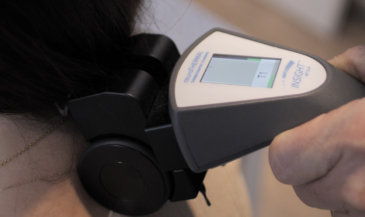
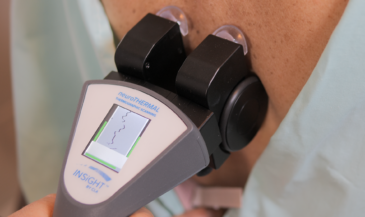
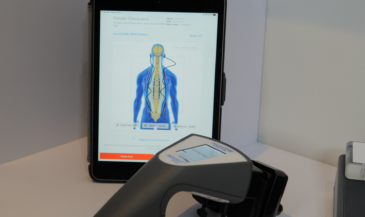
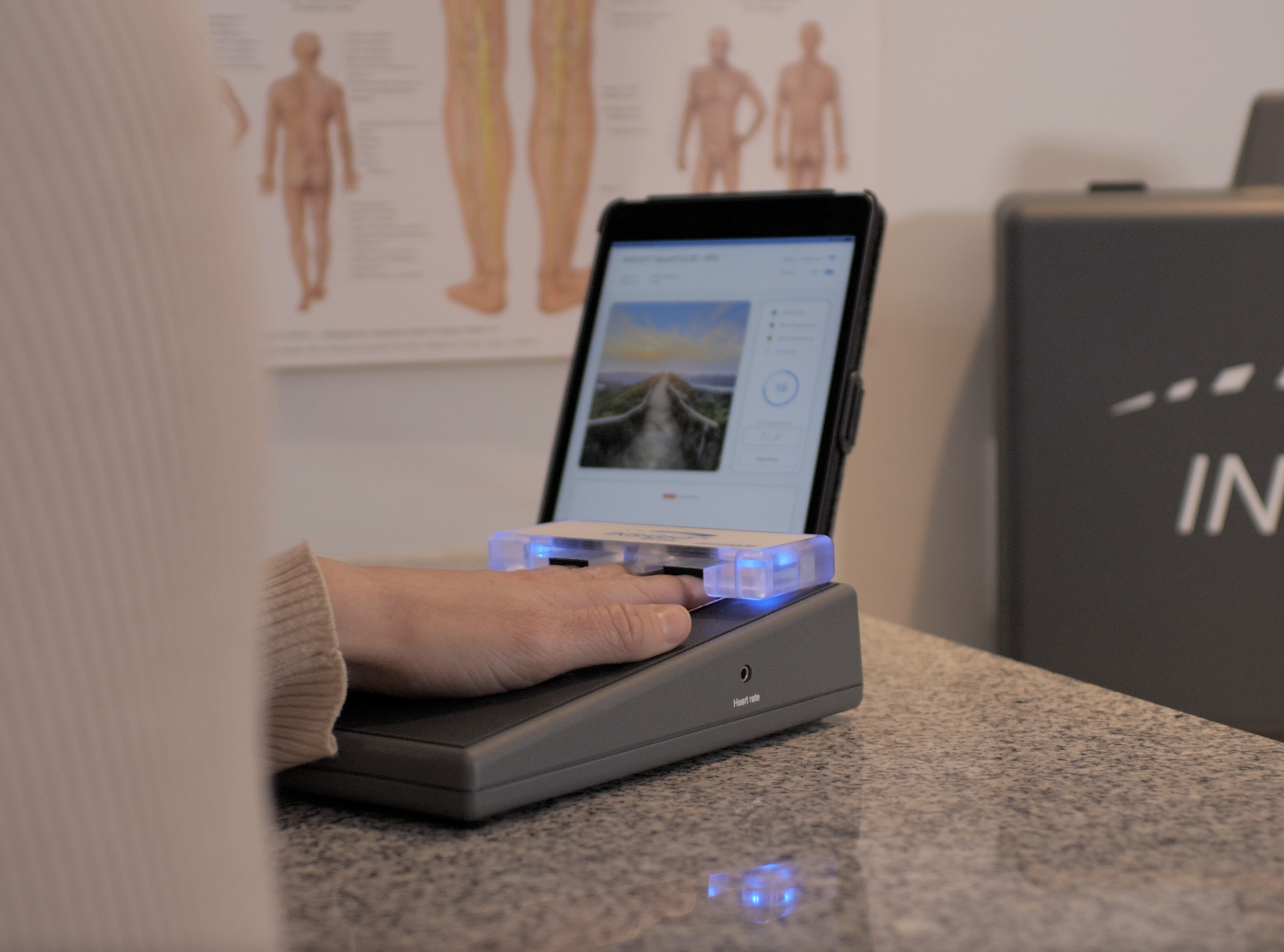
Peer-reviewed evidence supports the use of objective technologies to measure autonomic changes following chiropractic care. INSiGHT scanning technology gives pediatric chiropractors the ability to evaluate how the body is adapting using three validated instruments—neuroPULSE (HRV), neuroCORE (sEMG), and neuroTHERMAL scanning. Together they provide a window into the child’s nervous system that helps the chiropractor interpret patterns of spinal tension and adaptability.
neuroTHERMAL thermography has shown excellent reliability in detecting temperature asymmetries associated with autonomic activity. The CORESCORE compiles data from all three instruments into a single neural-efficiency index, simplifying communication with families. This objective model allows chiropractors to document progress, verify that chiropractic care helps, and ensure every adjustment aligns with the body’s needs.
Safety, Training, and Finding the Right Chiropractor
Parents naturally want assurance that their child’s care is safe and appropriate. Chiropractors may pursue completed additional training through the ICPA or similar organizations that emphasize specialized pediatric techniques. When you’re ready to find a chiropractor, ask about pediatric qualifications, scanning capabilities, and experience with pediatric chiropractic services.
- Safety: Chiropractic care for children uses precise, gentle forces suited to each age group.
- Communication: Look for a doctor who explains chiropractic adjustments clearly and welcomes questions.
- Office atmosphere: A child-friendly space makes visiting a chiropractor comfortable and familiar.
Most importantly, choose a chiropractor who incorporates objective tools such as INSiGHT scans. These reports provide data the doctor uses to personalize care, confirm progress, and build long-term trust. When parents can see measurable results, confidence grows—because they know care decisions are based on evidence, not guesswork.
What to Expect During a Pediatric Visit
On the first visit, your chiropractor will review health history and developmental milestones, then complete a non-invasive assessment using INSiGHT scanning. The scan suite measures HRV, muscular energy using non invasive EMG, and thermal balance to show how well the nervous system is adapting. Thermography reliability research confirms the reproducibility of these assessments, even in pediatric applications.
Gentle adjustments follow the analysis. Pediatric chiropractors use gentle techniques—sometimes a fingertip touch, a soft click from an instrument, or light cranial work—to restore proper alignment and reduce interference in the nervous system. Most children find care relaxing, and many enjoy the process.
- During care: Visits are short, positive, and matched to your child’s comfort level.
- After care: Your chiropractor provides guidance on posture and movement at home.
- Progress checks: Follow-up scans help verify that chiropractic care helps the nervous system perform efficiently.
Each plan is individualized, with the frequency of visits depending on age, activity level, and goals. Through consistency, regular chiropractic visits keep the child’s body balanced, responsive, and performing at its best.
The Benefits of Pediatric Chiropractic Care
The benefits of pediatric chiropractic care extend beyond the spine. By improving nervous system function and posture, chiropractic care can support digestion, coordination, and emotional regulation. Families often notice that children sleep better, move more freely, and adapt more calmly to daily life. Peer-reviewed evidence links these changes to improved adaptability and autonomic balance.
- Everyday function: Chiropractic care can improve posture, balance, and mobility while reducing the risk of injuries.
- Comfort for infants: Chiropractic adjustments may help relieve colic and irritability, promoting relaxation.
- Sinus and ear support: Care may ease recurring ear infections and tension from congestion.
- Posture awareness: Regular chiropractic adjustments can help children maintain better alignment during growth spurts.
Pediatric chiropractors focus on adaptability and nervous system balance, which provides a foundation for healthy growth. By addressing subtle misalignments before they cause greater strain, care helps babies and children build strong habits that last into adulthood. In short, pediatric chiropractic care involves gentle, targeted steps that provide numerous benefits for child’s overall health and family wellness.