

In this article, we’ll explore how SOAP notes—especially when paired with objective scanning technology—can transform your documentation from a paperwork burden into a vital part of neurologically-focused chiropractic care.
Why SOAP Notes Matter in Chiropractic Care
We’ve all heard it—“If it isn’t documented, it didn’t happen.” That’s more than a catchphrase; it’s the bedrock of healthcare documentation. SOAP notes are your legal and clinical record, but they’re also your best way to build certainty in your care and help patients see their progress.
In neurologically-focused chiropractic, SOAP notes tie together your clinical insights, patient feedback, and objective data from scanning technologies. They tell the story of how your patients’ nervous systems adapt and recover over time—not just whether they’re symptom-free that day.
- Create a living timeline of patient progress
- Foster clear communication between you, your patients, and other healthcare professionals
- Provide confidence and legal protection for your care
- Build trust and long-term patient commitment
The Neurological Foundation: Beyond Symptom Tracking
Chiropractic isn’t just about easing aches; it’s about optimizing nervous system function. Traditional notes often focus on “where it hurts,” but neurologically-focused documentation asks, “How is the nervous system adapting?”
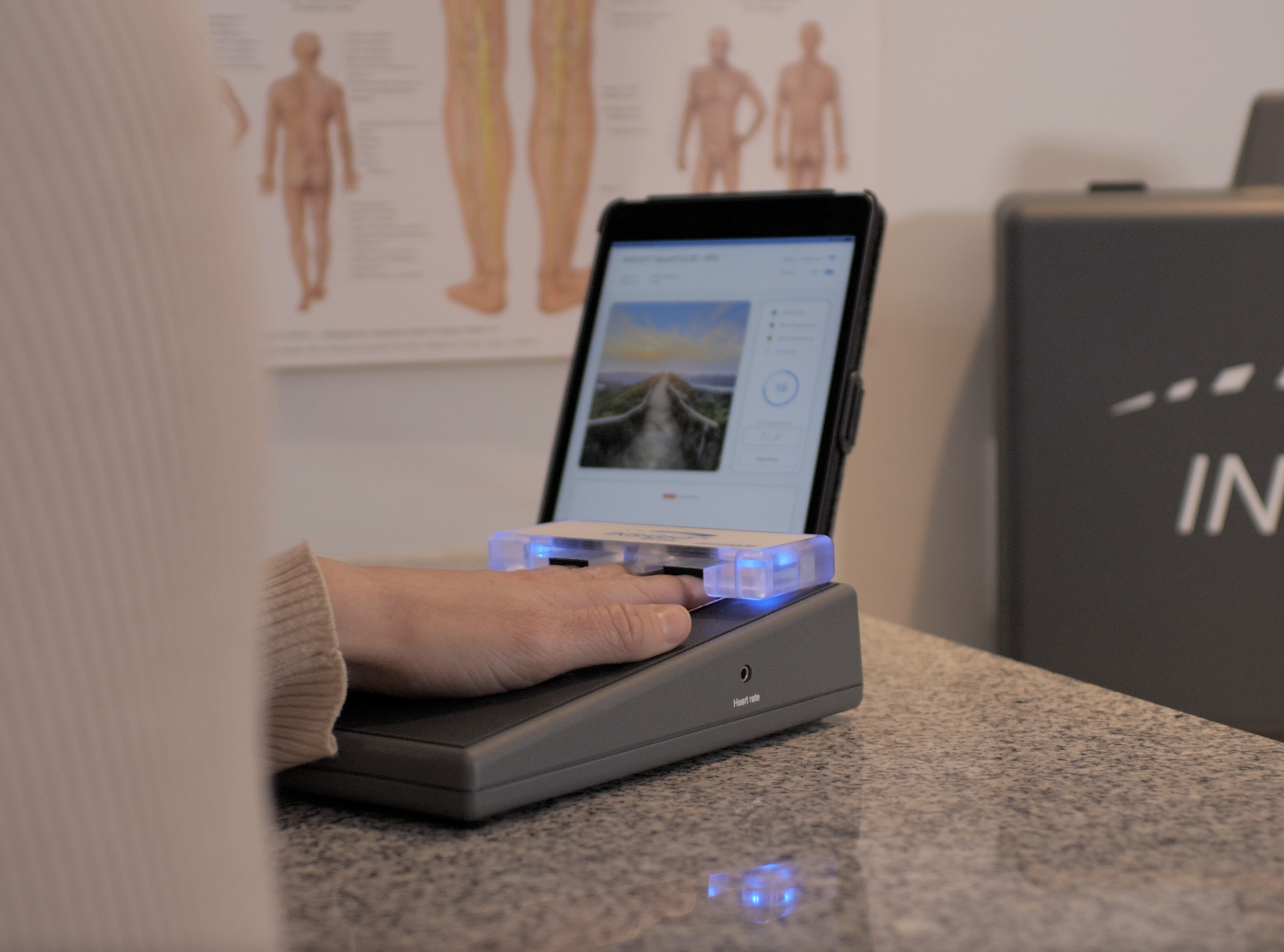
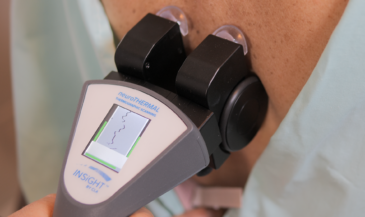
With tools like heart rate variability (HRV), EMG, and thermal scans, SOAP notes evolve into a measurable record of nervous system function and recovery. These tools allow us to document shifts in adaptability, not just symptoms.
CORESCORE in particular combines these scans into a single, trackable index that simplifies communication and enhances care planning.
Learn more about INSiGHT scanning?
Fill this out and we’ll get in touch!
"*" indicates required fields
Anatomy of the SOAP Note—Deep Dive
Subjective (S): Listening for Adaptability
- Changes in sleep, mood, energy, and stress resilience
- Parental observations like “He’s settling at bedtime”
- Quotes from the client that reveal new capacity
Objective (O): What You Can Measure
- Surface EMG for muscle tension patterns
- HRV for autonomic adaptability
- Thermal scanning for autonomic patterning
- Posture, ROM, neurological tests
Assessment (A): Making Sense of It All
This is your clinical interpretation—how subjective traits and objective findings line up. Are you seeing signs of sympathetic overdrive? Is the HRV trending upward? Are EMG readings becoming more balanced?
Plan (P): Purposeful Steps Forward
- Frequency of care
- Progress scan intervals
- Home advice, referrals, or co-management recommendations
Traditional vs. Neurologically-Focused Documentation
| Traditional SOAP Notes | Neurologically-Focused SOAP Notes |
| Focus on symptoms and pain | Focus on adaptability and nerve function |
| “What hurts today?” | “How is your system adapting?” |
| Pain-based and reactive | Objective and proactive |
| Generic entries | Personal, scan-informed, trait-based |
Practical SOAP Note Examples
Initial Visit
- Subjective: “Low energy, waking at night, overwhelmed.”
- Objective: CORESCORE 58, HRV low, thermal asymmetry C1-C3
- Assessment: Nervous system in sympathetic dominance.
- Plan: 3x/week for 4 weeks, re-scan at visit 12.
Progress Note
- Subjective: “Sleeping through, calmer mornings.”
- Objective: HRV improved, thermal balance normalizing
- Assessment: Early signs of adaptability returning
- Plan: Maintain frequency, re-scan in 2 weeks.
Pediatric Note
- Subjective: “Tantrums down, easier bedtimes.”
- Objective: EMG balanced, HRV age-appropriate
- Assessment: Regulation improving
- Plan: Decrease to 1x/week, monitor for 4 weeks
Integrating Scanning into SOAP Notes
INSiGHT’s neuroCORE, neuroTHERMAL, and neuroPULSE technologies are validated tools with clinical reliability. Each has been independently reviewed in peer-reviewed chiropractic and biomedical literature.
- Real-time adaptability data
- Reproducible documentation
- Patient-friendly scan visuals
These scan results integrate directly into your SOAP notes—turning documentation into clinical storytelling backed by measurable outcomes.
Best Practices and SOAP Templates
- Document traits, not just symptoms
- Scan every 12 visits or sooner
- Anchor each note with at least one objective
- Train your team to assist with documentation
Overcoming Common Challenges
- Use smart templates to reduce time
- Batch scan interpretation when possible
- Always personalize—avoid boilerplate
- Upgrade your software if it’s holding you back
Turning Paperwork Into Progress
When you pair precise documentation with objective scans and neurologically-focused analysis, you don’t just write SOAP notes—you build certainty. According to chiropractic research on scan-based assessment, neurologically-centered care anchored in documentation can measurably improve both clinical insight and patient outcomes.
Keep your SOAP notes clean, consistent, and connected to your scans. Use every note as a tool to educate, validate, and reinforce the care you provide. Because when your notes reflect nervous system progress—not just pain points—you become more than a chiropractor. You become the trusted guide on your patients’ journey toward adaptation and vitality.
Frequently Asked Questions About SOAP Notes
What are SOAP notes and how do healthcare professionals use SOAP notes?
SOAP notes are a structured documentation format used by healthcare professionals to provide a comprehensive overview of a patient’s care. The acronym SOAP stands for Subjective, Objective, Assessment, and Plan. This format helps clinicians organize information clearly, enabling effective communication among healthcare providers and ensuring continuity of patient care.
How do I write SOAP notes effectively?
To write effective SOAP notes, begin by gathering subjective information from the patient, including their symptoms and feelings. Next, document objective information, such as vital signs and physical exam findings. In the Assessment section, analyze the data and make a clinical judgment. Finally, outline the Plan for treatment, including any interventions or referrals. Using a SOAP note template can streamline this process.
What should be included in the subjective section of a SOAP note?
The subjective section of a SOAP note includes information gathered directly from the patient, such as their medical history, current symptoms, and any concerns they may have. This section captures the patient’s perspective and provides context for the clinician’s observations.
Can you provide a SOAP note example?
A SOAP note example may look like this: Subjective: Patient reports increased anxiety and difficulty sleeping. Objective: Vital signs are stable, and the physical exam is normal. Assessment: Generalized anxiety disorder. Plan: Continue cognitive behavioral therapy and consider medication adjustment. This structured approach allows for clear communication and documentation of patient care.
What are SOAP note resources for healthcare professionals?
SOAP note resources include templates, guides, and examples available online. Many websites offer free SOAP note templates tailored to various specialties, ensuring that healthcare professionals can document patient interactions efficiently and accurately.
How do SOAP notes differ from DAP notes?
SOAP notes and DAP notes both serve as documentation formats, but they differ in structure. SOAP notes include four distinct sections: Subjective, Objective, Assessment, and Plan. In contrast, DAP notes consist of three sections: Data, Assessment, and Plan. Each format has its advantages, depending on the clinician’s preference and the context of patient care.
Why is it important to track client progress with SOAP notes?
Tracking client progress with SOAP notes is crucial for evaluating the effectiveness of treatment plans over time. By documenting changes in the patient’s condition, healthcare professionals can make informed decisions about modifications to the treatment approach, ensuring optimal patient care and outcomes.
How can I learn how to write SOAP notes?
To learn how to write SOAP notes, consider taking online courses, attending workshops, or reviewing educational materials focused on clinical documentation. Additionally, practicing with sample cases and utilizing SOAP note templates can enhance your skills in creating effective and accurate SOAP notes.
What best practices should I follow when using SOAP notes?
Best practices for using SOAP notes include being concise and clear, ensuring that all sections are filled accurately, and maintaining confidentiality of patient information. Regularly reviewing and updating notes can also help track patient progress and improve the quality of care provided.