

In chiropractic practice, especially in vitalistic care models, these episodes are more than just a fall—they’re signals. They tell us the body wasn’t able to adapt at that moment. Whether it’s a drop in blood pressure, a misfire in heart rhythm, or an overwhelmed autonomic circuit, syncope is a symptom that deserves clarity, not guesswork.
In this article, we’ll walk through the most common types of syncope, the warning signs to look for, how these events are evaluated, and how INSiGHT scanning technology gives chiropractors a window into the nervous system’s adaptability—often long before symptoms appear.
Types of Syncope (and What They Tell You)
Every chiropractor needs to know how to identify the type of syncope they’re seeing—or referring. All syncopal episodes boil down to one shared feature: blood flow to your brain dropped just long enough to cause a brief loss of consciousness.
Let’s break them down:
1. Reflex Syncope (Vasovagal and Situational)
This is the most common type of syncope, also known as neurally mediated syncope or neurocardiogenic syncope. It includes:
- Vasovagal syncope – Triggered by heat, emotional stress, needles, or standing too long. It reflects an overreaction of the vagus nerve, causing a coordinated drop in heart rate and blood pressure.
- Situational syncope – Happens during activities like coughing, laughing, swallowing, or urinating. The trigger causes a vagal reflex response.
Vasovagal syncope is usually harmless, especially when it includes a brief warning phase—dizziness, nausea, tunnel vision, warmth, or lightheadedness—and quick recovery.
2. Postural Syncope (Orthostatic Hypotension)
This occurs when standing up too quickly causes blood to pool in the legs, creating a drop in blood pressure and not enough blood flow reaching the brain. Common in dehydrated individuals or those on certain medications, postural syncope often includes lightheadedness just before the episode.
3. Cardiac Syncope
Here’s where we pump the brakes. Cardiac syncope reflects an underlying serious heart issue like a valve disorder, arrhythmia, or obstruction between the heart and the aorta. These episodes often occur without warning and may indicate elevated risk of sudden cardiac death.
Red flags include:
- Fainting during exertion or while lying flat
- A family history of sudden cardiac death
- Known heart failure or prior arrhythmia
In these cases, it’s important to get treatment right away and co-manage with cardiology.
4. Neurologic Syncope
Though less common, neurologic syncope can be confused with seizure or stroke. These events may involve longer recovery, confusion, or focal neurological signs. A neurologic evaluation is warranted when symptoms point that way.
5. Syncope of Unknown Cause
Not every episode fits neatly into a category. Some require careful tracking, lifestyle analysis, and sometimes testing to get clear on the cause of syncope.
Recognizing the Symptoms and Triggers
Syncope often gives us warning—if we know how to listen.
Common symptoms of syncope:
- Tunnel vision or “seeing spots”
- Lightheadedness or dizziness
- Clammy skin or nausea
- Feeling off-balance or weak
- Headache or warm flush
- Sudden fatigue or confusion after
Possible causes include:
- Dehydration
- Standing up too quickly
- Emotional stress or fear
- Hot environments
- Large meals or alcohol
- Medications affecting blood pressure or heart rate
- Underlying cardiac or neurological conditions
Many of these trigger syncope through autonomic overload—too much input, not enough adaptability. The warning signs of syncope are your patient’s early alert system. Helping them tune in is just as vital as evaluating the fall itself.
Learn more about INSiGHT scanning?
Fill this out and we’ll get in touch!
"*" indicates required fields
Evaluation: History, Testing, and the Right Questions
Every syncope episode tells a story. The key is asking the right questions and observing the right signals.
Start with:
- A detailed history: what happened, what was felt, and what came before the spell
- A full physical exam, including blood pressure and heart rate in various positions
- A medication and hydration review
Tests commonly used to explore syncope symptoms:
- Electrocardiogram (ECG): Helps record your heart rhythm
- Ambulatory monitor: Detects intermittent abnormal heart rhythm
- Echocardiogram: Assesses valve and flow problems
- Tilt-table test: Assesses how heart rate and blood pressure respond to positional shifts
- Autonomic reflex testing: Evaluates reflex imbalance
- Labs or brain imaging if symptoms suggest seizure or vascular events
According to the American Heart Association, anyone with syncope should receive an initial evaluation to rule out several serious heart conditions. While many potential causes are benign, it’s critical to identify those that aren’t.
Most people don’t need follow-up treatment for simple reflex faints. But you do need treatment for certain causes, especially if the cause of your syncope stems from underlying cardiovascular risk.
INSiGHT Technology: Revealing What’s Beneath the Fall
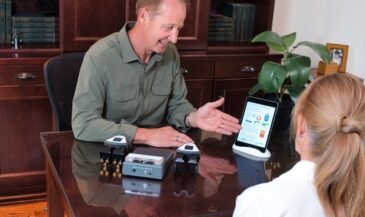
In chiropractic, we don’t guess. We scan. And when it comes to syncope—especially recurring or unexplained episodes—objective scanning helps move the conversation from uncertainty to clarity.
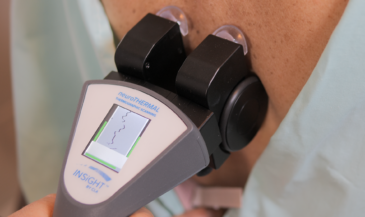
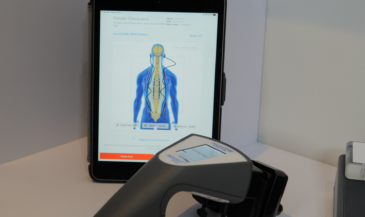
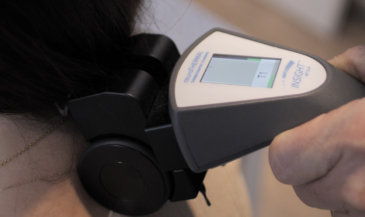
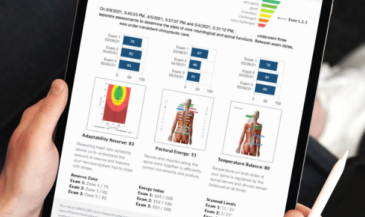
The INSiGHT neuroTECH and Synapse software gives chiropractors a visual, multi-dimensional lens on nervous system adaptability:
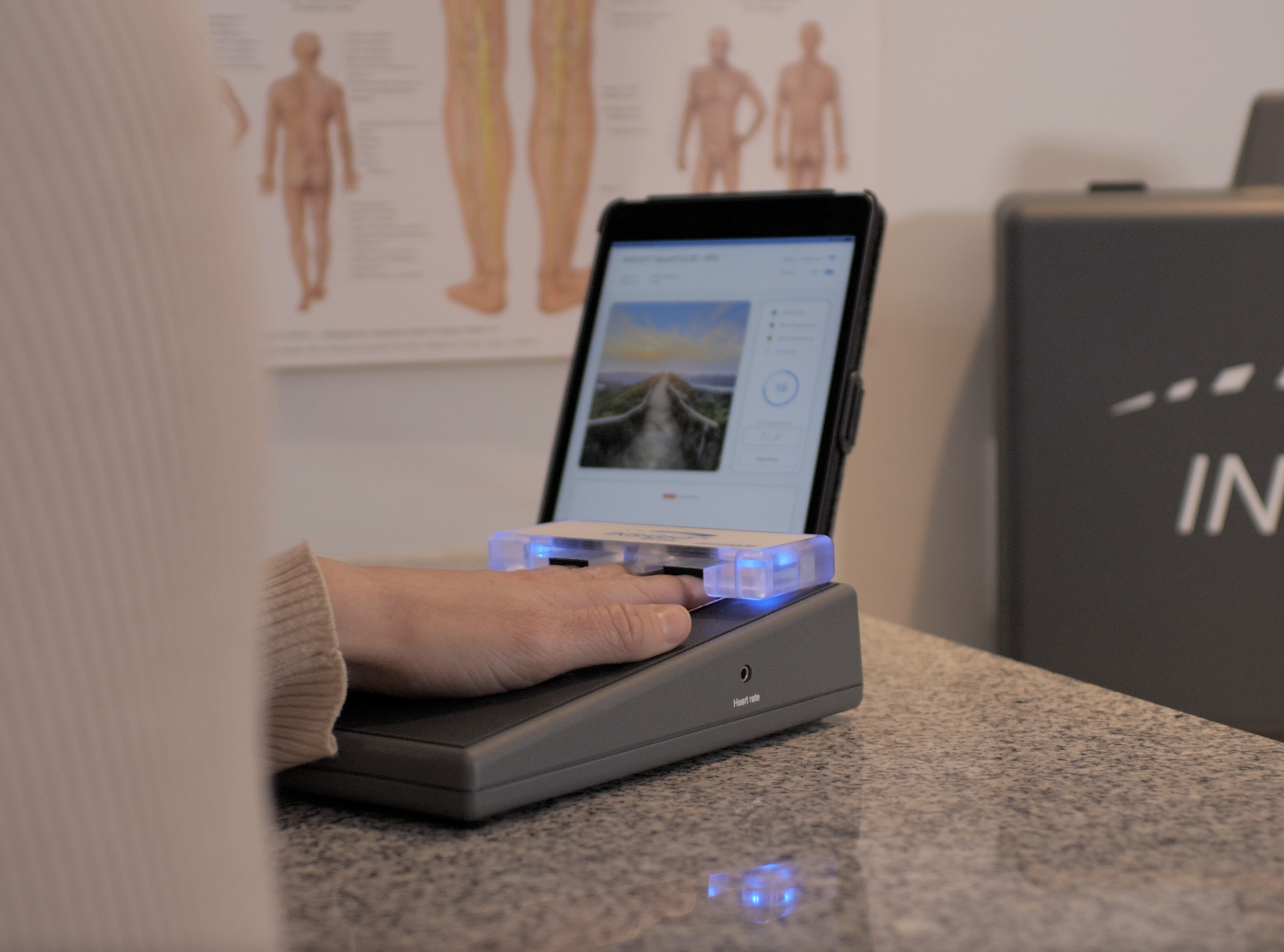
- neuroPULSE HRV scan shows us autonomic reserve—how well the system handles challenge and recovery.
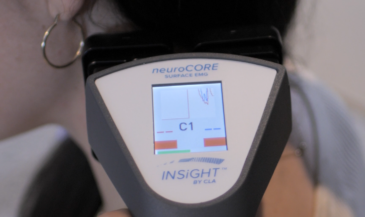
- neuroCORE surface EMG maps muscular tension and balance.
- neuroTHERMAL thermography highlights patterns of sympathetic overdrive or interference.
Together, this technology reveals the hidden terrain beneath a fainting spell—stress patterns, adaptation fatigue, and autonomic instability. With each full spine nerve system scan, chiropractors can map progress, design better care plans, and build trust through results.
Looking Beyond the Fall
Syncope often feels like an isolated event. A quick scare. But more often than not, it’s a reflection of long-term imbalance—a system stuck in fight-or-flight with no reserve left to stand tall.
So, what is syncope? It’s a signal. One that tells you something in the background isn’t working as it should.
That’s why chiropractors using INSiGHT technology don’t just stabilize—they elevate. They identify the cause, analyze stress responses, and support patients in building resilience from the inside out.
Whether the trigger was emotional, positional, or rooted in a deeper heart condition, the goal of treatment is the same: restore adaptability, protect recovery, and prevent the next collapse—not by treating the symptom, but by supporting the system.
Because in a nerve-first practice, syncope is also a starting point—not an endpoint.