

Zone 5 isn’t about pacing yourself. It’s about surging—using short bursts of effort at 90–100% of your maximum heart rate to tap into your body’s highest physical and neurological reserves. While most training plans focus on lower zones for endurance, Zone 5 is reserved for those moments when you ask your system to adapt, recover, and fire again at full throttle.
At INSiGHT CLA, we don’t just talk about heart rates and cardio conditioning. We look under the hood. We measure how a nervous system responds to demand—and how Zone 5 can either be a tool for growth or a trap for exhaustion, depending on what’s happening neurologically. Let’s dig in.
The Physiology Behind Zone 5 Effort
Zone 5 training operates in the 90–100% range of your max heart rate, a space where your body transitions from aerobic into anaerobic energy systems—specifically the phosphagen and glycolytic pathways. These systems don’t rely on oxygen; instead, they depend on stored energy, allowing you to explode with intensity for 10–30 seconds at a time.
At this level, your heart beating rapidly signals a full sympathetic activation. Breathing is hard, talking is nearly impossible, and your body is producing lactate quickly. This intensity creates what’s known as an “oxygen debt,” which triggers the EPOC effect—excess post-exercise oxygen consumption. That means your metabolic rate stays elevated long after the workout is over.
Research shows that Zone 5 efforts can dramatically improve VO₂ max, a critical indicator of cardiovascular performance and longevity. Additionally, Zone 5 training enhances insulin sensitivity and fuels calorie burn for hours after exercise, thanks to the extended afterburn associated with high-intensity training.
Zone 5 Is a Neurological Stress Test
Zone 5 training pushes more than muscles. It asks your entire neurological system to shift into high gear. The results you get depend not just on physical readiness—but on how adaptable your nervous system is.
- Sympathetic activation: Great for drive, but risky if always “on.”
- Parasympathetic rebound: A fast return to calm means better adaptability.
- Heart rate recovery: A 20–30 bpm drop in the first minute post-exercise predicts autonomic health.
- Heart Rate Variability (HRV): Tracks system flexibility between stress and recovery.
A study of chiropractic patients showed that HRV improves with neurologically focused care, confirming that adaptability can be restored with the right approach.
Learn more about INSiGHT scanning?
Fill this out and we’ll get in touch!
"*" indicates required fields
The Five Heart Rate Zones Explained
| Zone | % Max HR | Intensity | Primary Benefit |
| Zone 1 | 50–60% | Very light | Recovery, warm-ups |
| Zone 2 | 60–70% | Light aerobic | Fat burning, endurance |
| Zone 3 | 70–80% | Moderate | Aerobic fitness, tempo |
| Zone 4 | 80–90% | Hard | Lactate threshold |
| Zone 5 | 90–100% | Maximal | Power, VO₂ max, adaptability |
Experts agree that most training should occur in Zones 1 and 2, with Zone 5 used strategically.
You can calculate your maximum heart rate by subtracting your age from 220. Then multiply by 0.90 to estimate when you enter Zone 5.
Why Train in Zone 5?
1. Time Efficiency
Short bursts of high effort offer metabolic benefits equivalent to long cardio sessions.
2. VO₂ Max Gains
Improving VO₂ max improves cardiovascular health and physical resilience.
3. Fat Burning Beyond the Workout
EPOC keeps the body burning calories well after you’re done.
4. Metabolic Benefits
High-intensity training improves insulin response and blood sugar control.
Can Everyone Handle Zone 5?
Not always. When the nervous system is stuck in sympathetic overdrive, pushing harder can lead to burnout. That’s why we scan before we push.
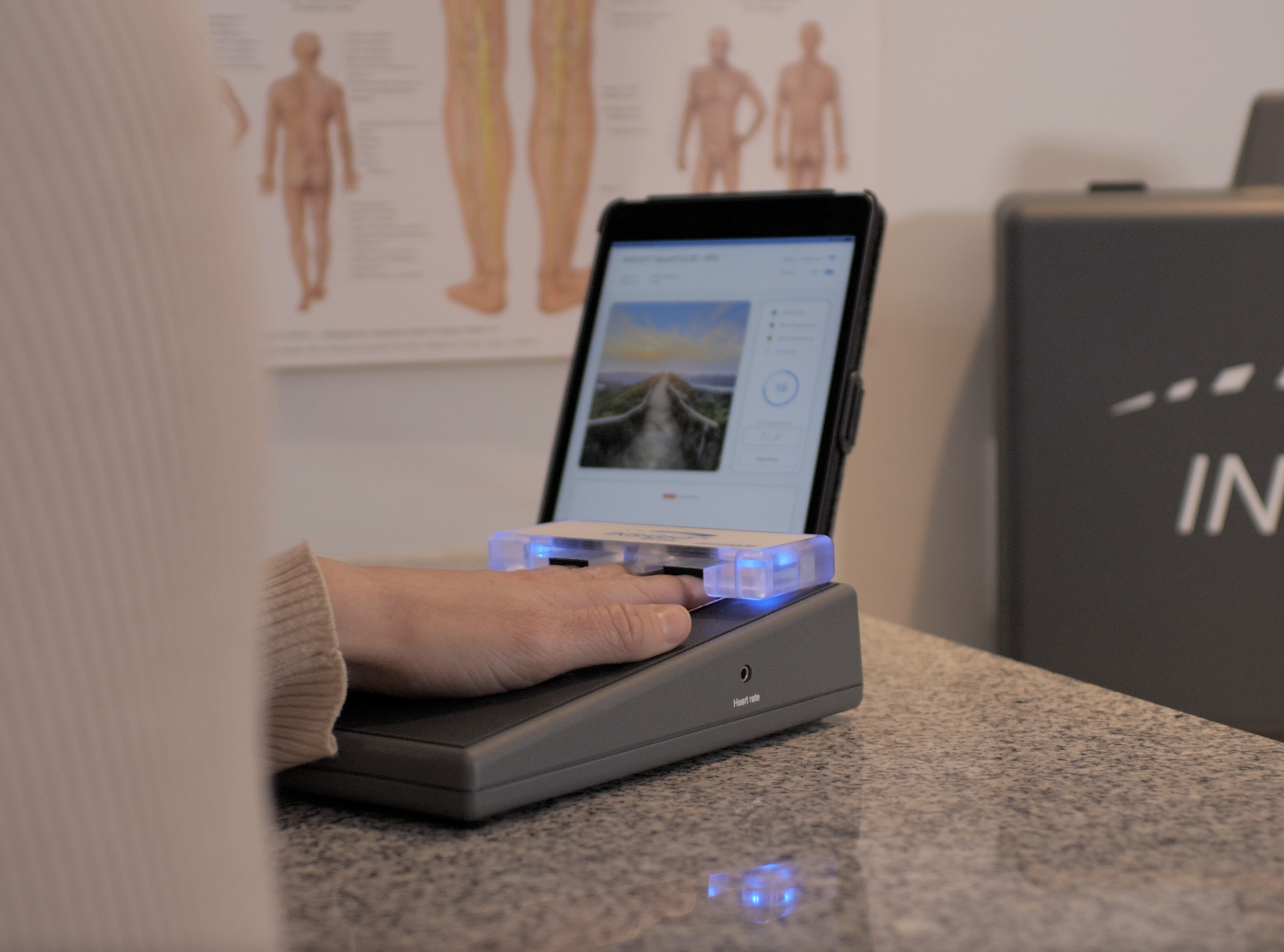
- neuroPULSE HRV shows balance and reserve.
- neuroCORE sEMG reveals postural tension and inefficiency.
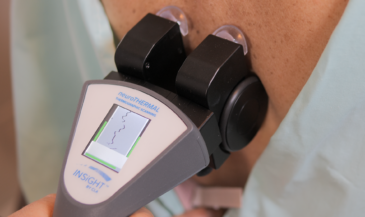
- neuroTHERMAL scan maps autonomic stress before symptoms emerge.
sEMG technology has proven reproducible, and thermal scanning shows consistent autonomic patterns.
The Rainbow Graph: Visualizing Adaptability
INSiGHT’s Rainbow Graph plots nervous system activity and balance in five zones. The Green Zone (Zone 5) is the goal: high reserve, perfect balance.
Studies show visuals like these increase comprehension and help patients connect with their care plan.
Zone 5: A Marker of Resilience
Zone 5 is intense—but for the resilient, it’s transformative. Chiropractors trained in nervous system scanning know how to recognize readiness and measure results. When we guide patients back to adaptability, Zone 5 becomes a diagnostic benchmark—not just a workout setting.
Where Chiropractic and Cardio Meet
Whether you’re helping athletes push limits or guiding everyday patients toward resilience, Zone 5 heart rate reflects readiness and response. With INSiGHT scanning technology, chiropractors see what’s behind the number and track real neurological change. When we do that, we’re not just counting reps—we’re revealing adaptability.