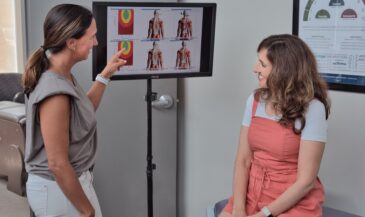


A neurologically-focused chiropractor can interpret these patterns through a wider lens of nervous system performance. With INSiGHT scanning technology, you can connect the disc, the spine, and the nervous system into one coherent story that builds clarity, confidence, and long-term change.
What Is A Mild Disc Bulge
A mild disc bulge is a mechanical change in the intervertebral disc that causes the disc material to extend outward beyond the vertebra. This outward bulge can appear anywhere in the spine, though it is most common in the lumbar spine and cervical regions. A bulging disc may show up gradually over years as disc degeneration changes how forces move through the spinal disc. A disc bulge refers to a broad, shallow deformation of the disc surface and is often an incidental MRI finding.
The inner core of the disc is softer and more gel-like, while the outer layers provide strength and containment. When the outer layers weaken, the disc protrudes outward. This bulge can place subtle pressure on your spine or on the nerve root that exits between each vertebra. Interestingly, many people with a bulging disc experience no disc symptoms at all. Others with the same amount of bulge experience significant back pain, leg pain, or neck issues. The difference is not only the structure but the nervous system’s ability to adapt.
A disc might look the same on imaging in two different people, yet their experience can be completely different. This is why chiropractors step back and evaluate both structure and function instead of relying solely on disc findings.
The Anatomy Of The Spine And Disc
The spine is a flexible column made up of vertebra, stacked to protect the spinal cord and to guide movement. Between each pair of bones in the spine rests an intervertebral disc. This spinal disc absorbs load, supports proper spacing, and helps distribute pressure on your spine throughout the day. When disc material weakens through wear and tear, a bulge happens as the disc protrudes outward into the space where the spinal cord or a nerve root travels.
Each part of the spine carries different mechanical loads. The lumbar spine supports body weight and responds to bending, lifting, and twisting. The cervical spine manages head posture and repetitive movement patterns. When strain accumulates in these areas, degenerative changes in the spine become more likely, increasing the risk of a bulging disc.
Key structures involved include:
- Vertebra which protect the spinal cord and anchor movement.
- Intervertebral disc which transfers load and allows motion.
- Nerve root branches that exit between each vertebra.
- Back muscles that stabilize and protect areas of tension.
- Spinal cord which carries signals that regulate every function.
The relationship between spine and disc structure and the nervous system is intimate. Even a protruding disc that barely changes space can influence the body’s overall adaptability. This begins to explain why symptoms may appear in one person and not in another.
Learn more about INSiGHT scanning?
Fill this out and we’ll get in touch!
"*" indicates required fields
Mild Disc Bulge vs Bulging Disc vs Herniated Disc
Although these terms often get lumped together, they describe different levels of disc change. Understanding the distinctions helps clarify patient conversations and improves the accuracy of your evaluation.
- Mild disc bulge: a general outward rounding of disc material. Usually related to degenerative disc disease and disc degeneration.
- Bulging disc or bulging disk: a more pronounced broader deformation where the disc protrudes around the circumference. A bulging disc happens with long-standing mechanical load.
- Herniated disc or herniated disk: a focal tear in the disc annulus where disc material pushes more forcefully outward. A herniated disc may cause leg or arm symptoms because of nerve root pressure.
- Bulging disc vs herniated disc: a bulge is broad and shallow while disc herniation is narrow and deeper. Bulging or herniated conditions often coexist with degenerative changes in the spine.
A disc bulge occurs gradually while a herniated disc occurs more suddenly. A lumbar disc herniation is known as disc displacement that can cause symptoms of a herniated condition like sciatica. The North American Spine Society classification system clarifies that a bulging disc and herniated disc are distinct patterns that require different interpretations.
What matters clinically is not only the shape of the affected disc, but the nervous system’s response to the mechanical change.
Symptoms When A Bulging Disc May Cause Problems
Symptoms of a bulging disc vary widely. A bulging disc may cause symptoms in some people and zero issues in others. Symptoms of a bulging disc depend heavily on location and the level of neurological stress involved. Symptoms may be mild or severe symptoms depending on the tissue response and inflammation.
In the lumbar region, bulging disc symptoms are often in the lower back and legs. Pain in your lower back may radiate into the buttock or down the leg. Lower back pain often appears with long periods of sitting or bending. A bulging disc occurs in the lumbar spine more often than in the cervical region and is a common cause of sciatica. Disk symptoms here may worsen when you lie on your back, cough, or change posture quickly. Pain that worsens with these movements suggests pressure on your spine or nerve root involvement.
Cervical disc and cervical disc bulges may cause symptoms in the neck, shoulder, arm, or hand. Symptoms tend to follow nerve pathways, especially when disc material narrows the foramen. Thoracic disc changes are less common but can cause symptoms that refer around the ribs or chest.
Recognizing symptoms and causes helps determine whether a disc might be contributing to a patient’s presentation or whether nervous system patterns are the dominant factor. When there is loss of bowel or bladder control or progressive leg weakness, symptoms will become urgent and require medical evaluation. These patterns indicate severe symptoms associated with spinal cord or nerve compromise.
Causes And Risk Factors Behind A Mild Disc Bulge
The most common cause of a bulging disc is degenerative disc disease, sometimes called disc is degenerative disc disease. Degenerative changes in the spine occur naturally with age and long-term loading. Common cause of a bulging disc includes repetitive stress and long periods of poor posture. A cause of bulging can also include a blow to the back or sports injuries that overload the lumbar spine.
Frequent bulging disc causes include:
- Disc degeneration from natural wear and tear.
- Sedentary habits and long periods of sitting.
- Obesity increasing load on the lumbar spine.
- Poor lifting habits that cause a herniated pattern to develop.
- Weakened back muscles that reduce spinal stability.
- Genetic predisposition toward disc disease.
A bulging disc is a degenerative disc by nature. Causes and risk factors often overlap with factors that increase the risk of a herniated pattern. When a bulging disc happens, symptoms tend to vary depending on inflammation, movement, and nervous system reserve.
How Mild Disc Bulge Is Diagnosed
Diagnosis begins with history and examination. Orthopedic tests such as straight leg raise help assess nerve involvement. Neurological testing identifies sensory changes or disc symptoms. MRI is the primary imaging tool to visualize disc material and determine whether a disc occurs with nerve root contact. Many patients with disc bulge on MRI have no symptoms because the nervous system is compensating effectively.
X rays reveal the bones in the spine and disc height but cannot show disc bulges. MRI findings must always be interpreted in the context of the patient’s symptoms and adaptive capacity.
How Mild Disc Bulge Is Managed In Conventional Care
Conventional bulging disc treatment focuses on pain and inflammation control. Nonsurgical treatment strategies include posture changes, stretching, gentle exercise, or strengthening to reduce pain. These programs help reduce pain and inflammation around the affected disc and spinal region.
Treatment options escalate when symptoms of a herniated pattern are severe. It is always the best approach to seek chiropractic care before the symptoms and disc bulge escalate. Do not respond to conservative approaches.
Chiropractors understand the many treatment options available and can discuss them when building a collaborative treatment plan when needed.
The Neurological Perspective: Structure Meets Adaptation
A mild disc bulge is not simply a mechanical problem. Disc material can influence neurological pathways, and neurological pathways influence how disc symptoms express. When a disc protrudes outward, the body often recruits back muscles for protection, altering posture and increasing tension. This guarding response is a neurological strategy, not just a muscular one.
Mechanical stress can activate sympathetic patterns. This can amplify symptoms, even when the structural problem is unchanged. Symptoms may flare during emotional stress or fatigue because adaptive reserve is lower. When disc herniation or disc bulge disrupts efficient signaling, the nervous system must work harder to maintain homeostasis.
Chiropractic adjustments can help restore balance and improve adaptability. The goal is not only to treat a bulging pattern but to improve nervous system performance so symptoms may diminish as function increases.
How INSiGHT Scanning Technology Enhances Disc Interpretation
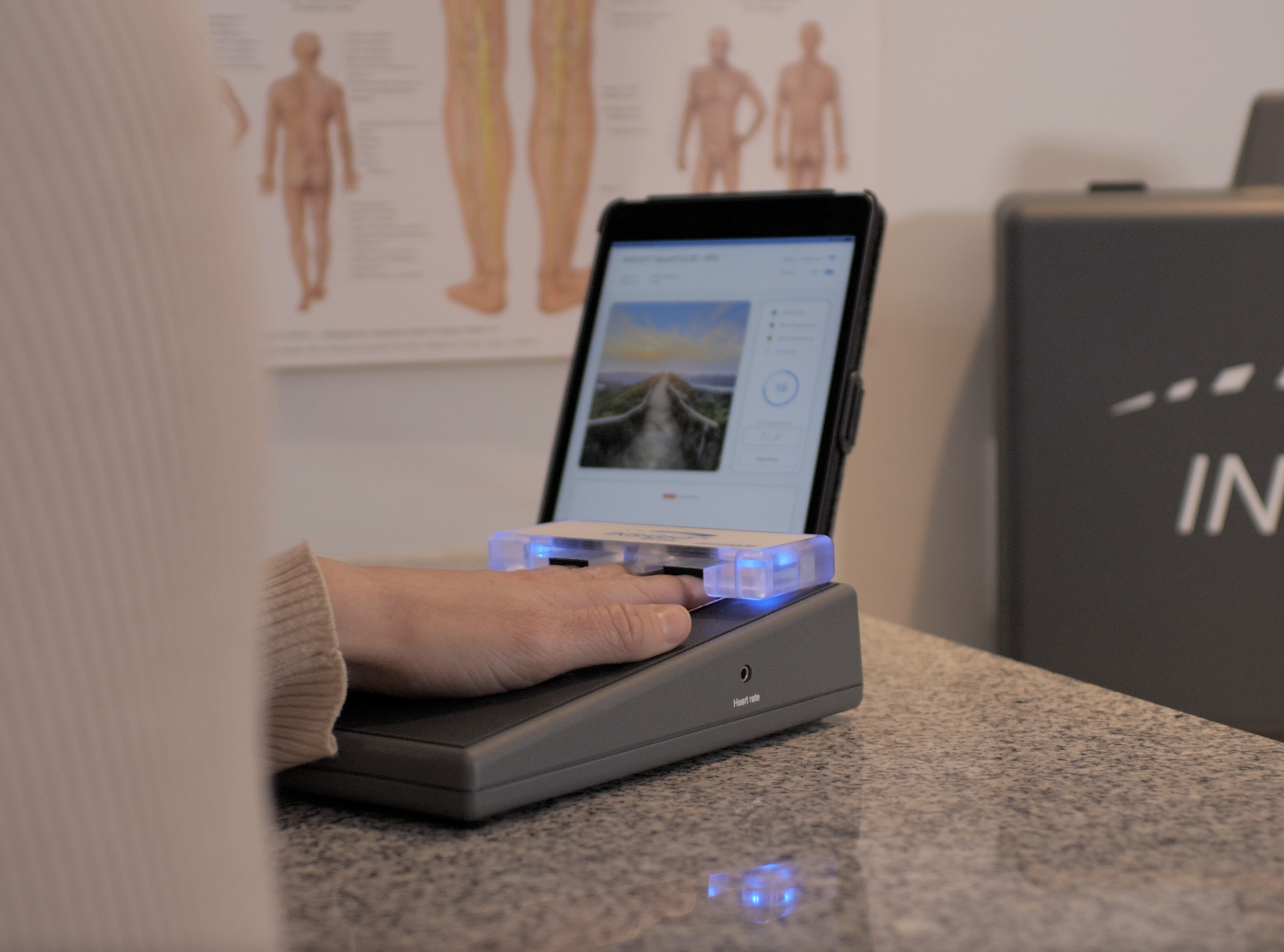
Imaging shows structure, but INSiGHT scanning shows function. This is where neurologically focused practices shine. The INSiGHT neuroTECH suite analyzes three dimensions of the nervous system, giving you a full spine nerve system scan that reveals how the disc and spine are influencing performance.
- neuroCORE (sEMG) shows muscular tension patterns around the spinal region. Disc bulge often produces compensatory guarding above and below the affected disc.
- neuroTHERMAL identifies temperature asymmetries along the spine and disc levels, revealing autonomic patterns that accompany disc irritation.
- neuroPULSE (HRV) measures adaptive reserve. Low HRV shows that the system is in sympathetic overdrive and struggling to adapt to bulging disc stress.
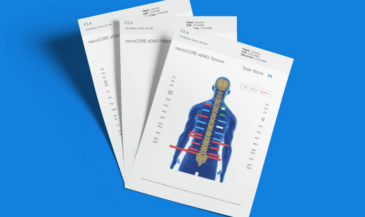
All three tools are integrated in our Synapse software to create an actionable CORESCORE. These tools help you connect structure to function, giving patients a narrative that makes sense and guiding a treatment plan that is based on objective findings. Repeated scanning helps document improvement over time and offers proof your care is making a difference.
Helping Patients Understand The Full Picture
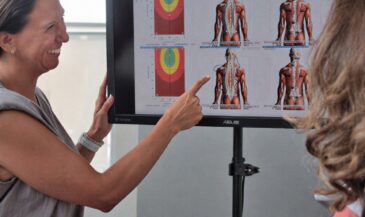
Patients often assume that a bulging disc or herniated condition is the entire story. They come in focused on disc shape and the fear of worsening symptoms. You can reframe the conversation by showing them that mild disc bulge is part of a bigger interaction between spine and disc structure and nervous system function.
With INSiGHT scanning technology, you can demonstrate why symptoms may appear on some days and disappear on others. You can help them understand why a disc might look the same on MRI even while their system is reorganizing under care. This clarity builds confidence and increases long-term follow through in your practice.