

The answer lies in a quiet, rhythmic pattern inside your chest: heart rate variability.
At first glance, HRV might sound like something better suited to a tech lab than a chiropractor’s table. But it’s one of the most powerful tools we have to understand how your nervous system is handling life’s pressures—physically, emotionally, and neurologically.
Let’s walk through what heart rate variability stress really is, how it impacts your health, and how you can use this measure to support long-term adaptability and resilience—both for your patients and yourself.
What Is Heart Rate Variability, Really?
Let’s get one thing straight: heart rate variability is not your heart rate.
It’s the variation in time between heartbeats—those micro-moments where the heart is responding to signals from the brain, shifting gears depending on what life is demanding in that moment.
Behind the scenes, it’s your autonomic nervous system pulling the strings. This system has two sides:
- The sympathetic system, your gas pedal—ready for “fight or flight”
- The parasympathetic system, your brake—responsible for “rest and digest”
When you’re well-regulated, the heart doesn’t beat like a metronome. It fluctuates, moment to moment. And that’s a good thing. A high HRV means your body is flexible, recovering well, and adapting to the ups and downs of daily life. A low HRV, on the other hand, points to strain—your system stuck in high alert, unable to pivot or recover.
Think of it this way: The heart is not a metronome—it’s a mirror. And what it’s reflecting is how your nervous system is handling the demands of life.
How Stress Shapes Your HRV
Stress affects HRV—plain and simple. But not all stress is bad.
Short-term stress (like a workout or a big presentation) can temporarily drop HRV while activating your body’s resources. That’s normal. The problem is when stress becomes chronic, and your system never gets the memo to relax.
During stress, your sympathetic nervous system activates, raising your heart rate and blood pressure. Your heart rate variability drops, and your body enters “go-mode.” If this goes on too long—say, weeks or months—that low HRV becomes your new normal.
Research, including multiple systematic reviews and meta-analyses, has shown that chronic stress is associated with consistently lower HRV. It’s a physiological pattern linked to burnout, insomnia, immune dysfunction, even heart disease. And it often happens before symptoms ever appear.
Common drivers of low heart rate variability include:
- Psychological stress: anxiety, mental overload, emotional strain
- Physical stress: pain, illness, inflammation
- Social stress: relationship conflict, loneliness, caregiving
- Environmental stress: noise, light pollution, toxins
What’s most concerning is that people often adapt to this state of dysfunction. They don’t feel stressed anymore—it’s just their “normal.” That’s why HRV is such a vital measure of stress—it bypasses the conscious mind and speaks directly to how the body handles stress.
Learn more about INSiGHT scanning?
Fill this out and we’ll get in touch!
"*" indicates required fields
Low HRV vs. High HRV: Why It Matters for Your Health
When HRV is low, it means the system isn’t switching between stress and recovery efficiently. The body stays reactive. And the longer it stays there, the more health problems begin to stack up.
Low HRV is associated with:
- Poor sleep and fatigue
- Emotional dysregulation
- High resting heart rate and blood pressure
- Digestive and immune dysfunction
- Increased inflammation
- Greater risk of anxiety-related and cardiovascular illnesses
On the flip side, high heart rate variability suggests a nervous system that’s balanced and adaptive. Individuals with higher HRV tend to:
- Recover faster from illness or injury
- Sleep more deeply
- Regulate mood and focus more effectively
- Handle pressure with greater calm
You could say that HRV is the body’s adaptability score—a measure of how well your system flexes and rebounds.
And it’s not just about feeling better. Multiple studies have shown that HRV can predict current or future health problems—even before traditional symptoms arise. That makes it not only a marker of stress, but also a marker of chronic stress and resilience.
Factors That Influence HRV
Everyone’s heart rate variability metrics are a little different, but certain patterns are consistent.
Here’s what can cause changes in HRV—better or worse:
- Age: HRV tends to decline with age, but healthy lifestyle habits can buffer the effect.
- Exercise: Regular movement supports HRV, but overtraining without rest can lower it.
- Sleep: Inconsistent or poor sleep leads to lower HRV and slow recovery.
- Hydration & nutrition: Low blood sugar, alcohol, and inflammatory diets suppress variability.
- Mental health: Anxiety, depression, and trauma create persistent stress on autonomic regulation.
- Environmental exposure: Noise, air quality, and light pollution can affect your heart rhythm.
- Genetics: Some people are wired for higher or lower HRV, but daily choices still matter.
The key takeaway? HRV is dynamic. It changes in response to your habits, your environment, and how your nervous system is adapting over time. That’s why measuring heart rate variability regularly is so powerful. It reflects the trend, not just a moment in time.
Measuring HRV: From ECGs to Wearables
You can’t manage what you don’t measure—and HRV is no different.
The gold standard for HRV measurement is an electrocardiogram (ECG), which provides high-precision readings of your heart period and rate changes. But let’s face it: most people aren’t getting ECGs every week.
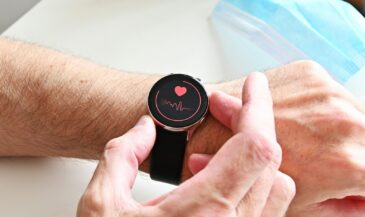
Enter the rise of wearables. Devices like the Oura Ring, Apollo wearable, and WHOOP strap make it easier than ever to check heart rate variability. These tools track HRV passively and can show how it changes in response to sleep, movement, and recovery.
That said, wearable accuracy varies—and they often miss the big picture. They don’t analyze nervous system function, just surface trends. That’s where contextual analysis of heart rate variability becomes essential.
Tracking HRV over time is what gives it meaning. A single low score after a poor night’s sleep? Not a concern. But HRV over time showing a downward slope? That’s your assessment of stress in action.
Where Neurological Scanning Comes In: The Chiropractic Advantage
While wearables offer some insight, they often fall short of telling the full story. That’s where INSiGHT CLA steps in.
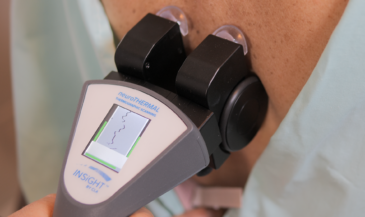
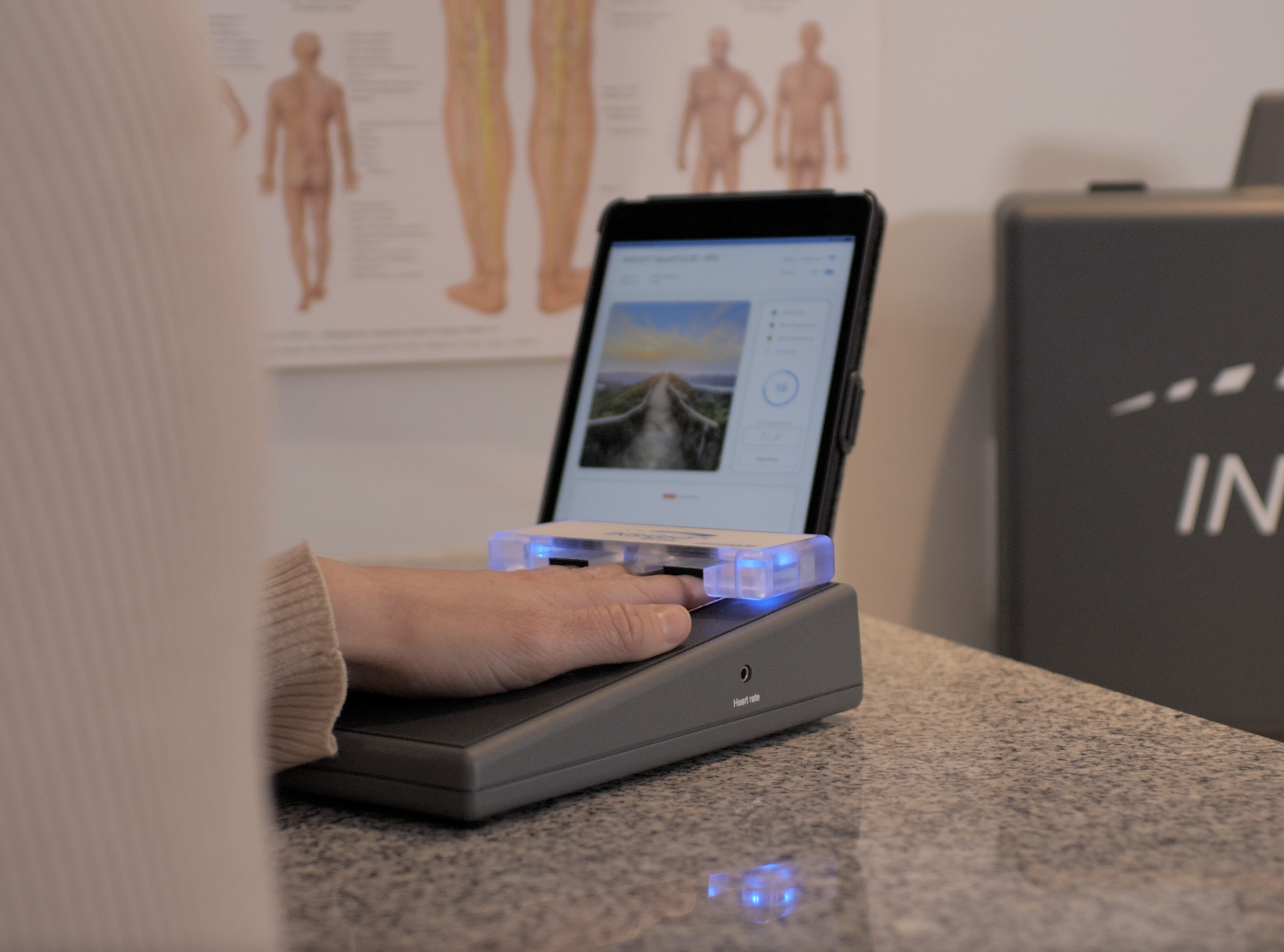
INSiGHT scanning technology doesn’t just measure HRV—it places HRV within a broader context of neurological function. Through a multi-dimensional scan suite—including thermal scanning, sEMG, and HRV—INSiGHT chiropractors can see exactly how the nervous system is adapting to stress.
Instead of relying on symptoms, we use data. HRV reveals the body’s response to stress and the strength of the recovery response. The scans show how that stress manifests across the spine, muscles, postures and autonomic control systems. Stress duration, stress response, and recovery can all be tracked—providing real-time evidence of change.
For patients, that means care plans grounded in more than just how they feel. For chiropractors, it’s a clinical compass for long-term outcomes.
And because HRV can be used to track both the short-term impact of adjustments and the long-term shift in adaptability, it becomes a powerful part of every INSiGHT chiropractor’s toolkit.
Reclaiming Your Rhythm
In today’s world, stress is nearly constant. But what’s often missing isn’t more coping skills—it’s awareness of how deeply that stress is affecting your body.
That’s what heart rate variability stress reveals. It shows you the tension that doesn’t show up in a symptom checklist. It’s your marker of stress, your stress measurement, and your call to action.
But here’s the good news: HRV changes. It responds to care. It responds to awareness. It responds to you and best of all, it responds to chiropractic adjustments.
By learning to listen to your HRV—whether through a wearable or a scan—you begin to reclaim your rhythm. You move from surviving stress to adapting through it.
And when your nervous system can finally breathe, everything else tends to fall into place.
Frequently Asked Questions
What is heart rate variability and how is it related to stress?
Heart rate variability (HRV) refers to the variation in time intervals between consecutive heartbeats. It is a measure of the autonomic nervous system’s regulation of the heart and is influenced by stress levels. Higher HRV is often associated with less stress and better overall health, while lower HRV can indicate higher levels of mental stress and a less flexible physiological response to stressors.
How can I check heart rate variability to evaluate my stress levels?
You can check your heart rate variability using various heart rate monitoring devices or apps that measure HRV. These tools often provide insights into how stress affects your heart rate variability over time, allowing you to monitor changes in HRV and correlate them with your stress levels, including work stress and acute psychosocial stress.
What does the relationship between HRV and stress levels look like?
The relationship between heart rate variability and stress is significant; as stress levels increase, HRV tends to decrease. This decrease reflects the body’s physiological stress response, indicating that both mental stress and psychosocial stress can negatively impact heart rate variability. Evaluating stress through HRV can help you identify patterns and manage your stress effectively.
How does mental stress affect heart rate variability?
Mental stress has a pronounced effect on heart rate variability. Stressful situations can cause changes in heart rate, leading to decreased HRV. This reduction may serve as an indicator of how your body is coping with stress and can highlight the need for interventions to reduce stress and improve overall health.
Can measuring heart rate variability help in coping with stress?
Yes, measuring heart rate variability can be an effective tool for managing stress. By regularly monitoring HRV, you can gain insights into your stress levels and identify the effectiveness of stress management techniques. This information can help you develop strategies to reduce stress and improve your overall well-being.
What are the long-term effects of stress on heart rate variability?
Chronic stress can lead to persistent changes in heart rate variability, which may indicate an ongoing physiological stress response. Over time, low HRV has been associated with increased risk of current or future health problems, including cardiovascular issues and mental health disorders.
How can HRV be used to plan workouts for less stress?
Using HRV to plan your workouts can help you tailor your training intensity and recovery periods based on your stress levels. When HRV is high, it may indicate readiness for more intense exercise, while low HRV suggests a need for lighter workouts or rest. This approach can help manage stress and enhance your physical performance.
What is the significance of heart rate variability over time in relation to stress?
Tracking heart rate variability over time provides valuable insights into how stress affects your body. By observing changes in HRV, you can understand your stress response and monitor improvements as you implement stress reduction strategies. This long-term perspective is crucial for maintaining mental health and overall well-being.
How does stress and anxiety correlate with heart rate variability?
Stress and anxiety are closely linked to heart rate variability. High levels of stress and anxiety can lead to a decrease in HRV, reflecting a compromised ability to handle stress. By monitoring HRV, you can gauge your emotional state and implement practices that foster resilience against stress and anxiety.