
For chiropractors, that matters because the conversation should not stop at where someone feels sore. A neurologically focused exam looks deeper. It asks how the system is adapting, how the spinal support muscles are managing gravity, and whether the body is spending too much energy just to maintain posture. A surface electromyography device helps record electrical activity through the skin in a non-invasive way, giving the doctor a more accurate view of function, balance, and coordination. In a profession that values objective findings, a surface electromyography device brings measurable input to what the doctor already sees with trained eyes.
That is why surface electromyography belongs in every chiropractic office. It supports a cleaner report of findings, a stronger care conversation, and a more grounded way to track change over time. When patients see the scan, they stop thinking only about one region and start understanding that chiropractic is about nervous system performance. That shift is one of the greatest strengths of neurological scanning.
What a Surface Electromyography Device Is in Chiropractic
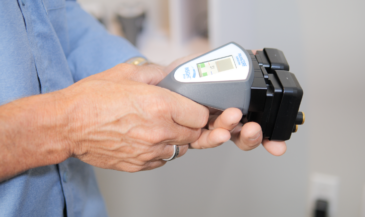
A surface electromyography device is a non-invasive instrument used to detect and display muscle electrical activity from the surface of the body. In simple terms, it measures the small signals created when muscles are activated by the nervous system. Surface electromyography has been used across a wide range of settings, including research, training, rehabilitation, and performance analysis. In chiropractic, the emphasis is different. The surface electromyography device is used to evaluate paraspinal muscle tone, symmetry, and postural organization as part of a broader neurological exam.
That distinction matters. In chiropractic, a surface electromyography device is not being used to diagnose muscle disease or replace a medical electrodiagnostic study. It is being used to help identify how the motor system is responding to neurological distress. The scan gives useful input about how hard the body is working to stabilize itself and whether that effort is balanced or biased. This is one reason a surface electromyography device fits so naturally into a scan-centered practice.
The paraspinal muscles are especially important because they are always working. They manage posture, support stability, and coordinate movement all day long. If the nervous system is compensating poorly, these muscles often show it before the patient can explain it clearly. A surface electromyography device helps the chiropractor evaluate those patterns in a way that is comfortable, fast, and repeatable. That is what gives the technology real clinical value.
How Surface Electromyography Works
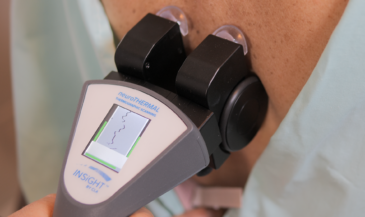
The science behind a surface electromyography device is straightforward. The nervous system sends electrical messages through motor nerves to muscles. When motor units fire, they create a signal that can be detected at the surface. A surface electromyography device captures that signal through sensors placed on the skin and sends the information into software for display and analysis. The result is a readable view of how the motor system is functioning at that moment.
This is why the quality of the scan depends on more than the device itself. Good contact matters. Placement matters. Consistency matters. The most useful surface electromyography device is one used with a repeatable protocol so the doctor can compare one scan to the next. A reliable scan is not about random readings. It is about gathering precise, dependable information that can be interpreted over time.
When chiropractors talk about signal quality, they are talking about whether the scan can be trusted. The sensor must maintain proper contact with the skin. The emg electrodes must be positioned consistently. The patient posture should be consistent. The scan procedure should be repeatable. That is how a surface electromyography device becomes an accurate part of the exam rather than a flashy extra.
What the Instrument Is Recording
A surface electromyography device is not reading one single fiber. It is detecting the summed electrical activity of many motor units beneath the surface. That is why the scan is so useful in chiropractic. The goal is not to isolate one tiny structure. The goal is to see how the larger system is organizing itself. In that sense, a surface electromyography device gives a broad view of postural tension, asymmetry, and coordination.
Good emg equipment also depends on thoughtful design. The best systems make it easier for the user to gather repeatable information, reduce noise, and display scan views that are easy to understand. Some EMG devices in the broader market are designed for sports, prosthetics, or laboratory settings. Chiropractors need a product built for office workflow and patient communication, not just technical data collection.
Why Setup and Training Matter
Proper training improves the value of every scan. A surface electromyography device can only help if the doctor and team know how to use it consistently. That means understanding scan posture, placement, and how to interpret findings within the context of the rest of the exam. The ability to gather reliable data does not come from guessing. It comes from sound process.
- Sensor placement affects scan quality.
- EMG electrodes need stable contact for a dependable signal.
- Surface EMG electrodes should be applied with consistency.
- Training helps the team perform repeatable scans.
- Analog input and software processing work together to capture useful data.
Learn more about INSiGHT scanning?
Fill this out and we’ll get in touch!
"*" indicates required fields
What a Surface Electromyography Device Can Tell Chiropractors
The value of a surface electromyography device is not that it replaces clinical judgment. Its value is that it strengthens it. Chiropractors are already skilled observers. They can see guarding, posture shifts, and compensation. But a surface electromyography device adds objective input to those observations. It helps identify whether one side is overworking, whether another side is under-recruiting, and whether the body is organizing muscle function efficiently or expensively.
This matters because compensation often appears in muscle activity before the patient can fully describe what they are experiencing. A patient may report mild symptoms while the scan shows a system spending too much energy on stability. Another may report intense discomfort while the deeper pattern suggests widespread adaptation rather than a single isolated problem. A surface electromyography device helps the chiropractor see beyond the complaint and into the performance of the system.
In practice, chiropractors use a surface electromyography device during baseline exams, progress exams, and neurological re-evaluations. The goal is not symptom chasing. The goal is to evaluate how the body is adapting over time. When you compare scans, you can see whether the pattern is becoming more balanced, more efficient, and less burdened by compensation. That is a much better conversation than simply asking whether the patient feels different today.
What Chiropractors Commonly Look For
A surface electromyography device can help identify several meaningful patterns that matter in practice:
- Muscle activity that is excessively high in one region
- Signal imbalance between left and right sides
- Movement support patterns that suggest overuse or underuse
- Force management that looks inefficient under postural demand
- Motion control that may reflect compensation rather than resilience
That does not mean the scan tells the whole story by itself. It means the scan contributes meaningful information to the whole exam. Used correctly, a surface electromyography device helps the chiropractor evaluate how the motor side of the nervous system is handling everyday demand.
Why Patients Respond to It
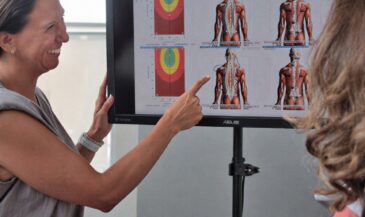
Patients often understand a picture faster than a lecture. When they see scan views from a surface electromyography device, the report becomes more concrete. They stop thinking only about a sore muscle or one stiff region and start understanding that the body is behaving like an interconnected system. That kind of communication can improve understanding, retention, and confidence in the care process.
Research in this field has supported the value of paraspinal scanning for reliability, validity, and trend analysis over time. In chiropractic, that kind of research matters because it reinforces what many doctors already know from experience: when you measure what matters, the conversation gets better.
Why a Surface Electromyography Device Belongs in a Neurological Scanning Model
A surface electromyography device is powerful on its own, but it becomes even more meaningful when it is used as part of a broader neurological scanning model. Chiropractors do not need a single snapshot. They need a profile. A surface electromyography device gives the motor side of that profile, showing how the body is managing postural demand and movement coordination. Other scans help reveal additional dimensions of nervous system status.
This is one of the biggest differences between a scan-centered office and a symptom-centered office. A symptom-centered office tends to react to the complaint of the day. A neurological scanning office looks for patterns, compares trends, and grounds recommendations in objective analysis. That is why a surface electromyography device is so helpful. It gives you one more solid layer of input about what the nervous system is doing beneath the surface.
In real practice, this means the chiropractor can baseline the patient, re-scan at intentional intervals, and compare results over a care plan. That process helps remove guesswork. Instead of reacting to every fluctuation, the doctor can focus on whether the system is becoming more organized and more efficient. A surface electromyography device supports that long-view approach.
Why Trend Matters More Than One Reading
One scan is useful. A series of scans is where the real value appears. The capability of a surface electromyography device is not limited to one moment. Its real strength is in helping the chiropractor record change over time. That trend can reveal whether the nervous system is becoming more balanced, whether postural tension is settling, and whether the body is adapting with less effort.
That is especially important because symptoms can fluctuate for many reasons. Sleep, work stress, travel, and daily demands can all affect how a patient feels. A surface electromyography device gives a steadier reference point. It helps identify what the system is actually doing rather than relying only on subjective reports.
- System trends matter more than isolated impressions.
- Input from objective scans supports better communication.
- Ability to compare scans over time improves certainty.
- Range of adaptation is easier to understand when it is measured.
How INSiGHT neuroCORE Brings the Surface Electromyography Device into Practice
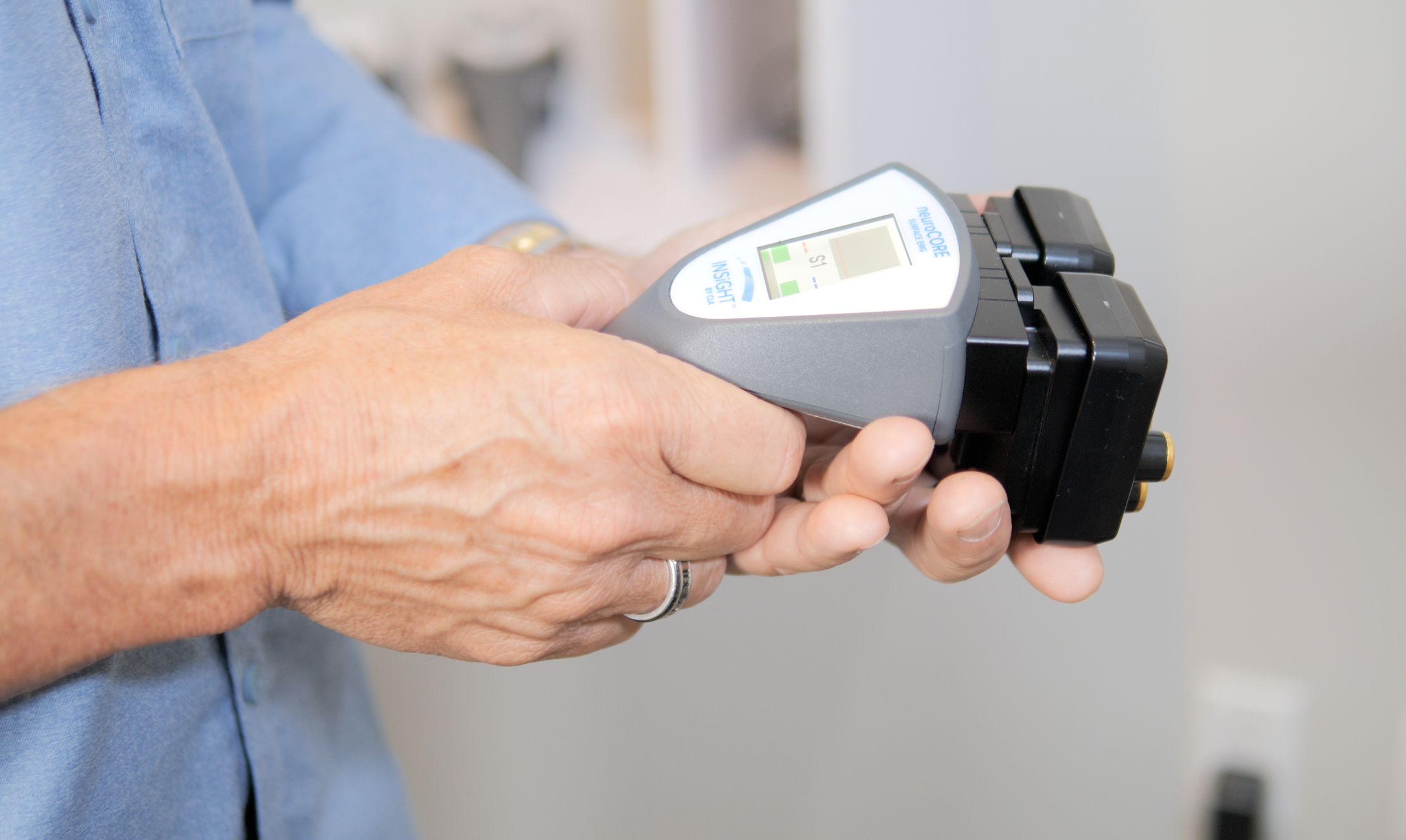
If a surface electromyography device is going to matter in a busy office, it has to be practical. It has to be fast, consistent, and easy to explain. That is where INSiGHT scanning technology fits. INSiGHT neuroCORE is the surface electromyography component of the INSiGHT neuroTECH and Synapse software ecosystem. It is designed for chiropractors who want objective analysis of paraspinal patterns without turning the exam room into a laboratory.
INSiGHT neuroCORE helps the doctor gather data about spinal muscle tension, asymmetry, and efficiency in a way that supports repeatable scans. The technology does not create the care plan. It provides objective findings and scan reports. The chiropractor interprets those findings and uses them, along with the full exam, to design the care plan. That distinction is important because scanning should strengthen clinical judgment, not replace it.
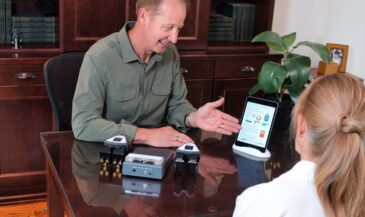
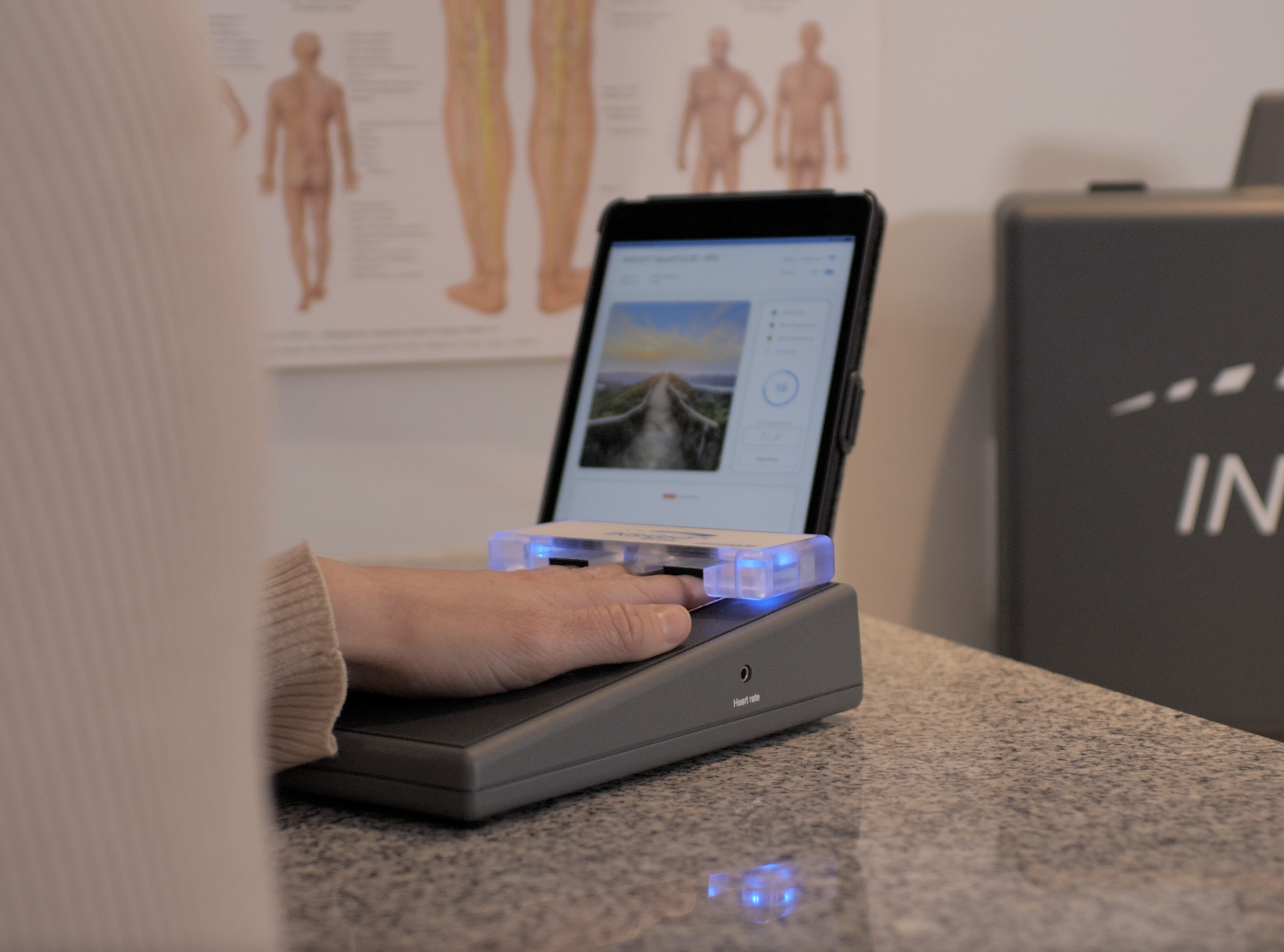
What makes this especially useful is communication. Synapse software helps translate the scan into clear visuals that patients can understand. That gives the chiropractor a more practical way to explain why care is needed, why re-scans matter, and how neurological change can be tracked over time. A surface electromyography device becomes much more valuable when the findings are easy to communicate.
Why neuroCORE Fits a Scan-Centered Office
INSiGHT neuroCORE gives chiropractors a surface electromyography device workflow that supports consistency, clarity, and follow-up comparison. Instead of relying on scattered impressions, the doctor can use objective scan data to identify patterns of postural tension and inefficiency. That makes the report of findings more grounded and the care conversation more compelling.
This also matters because neuroCORE is not standing alone. It fits into a larger neurological scanning model. The motor findings from a surface electromyography device add a valuable layer to the broader picture of nervous system performance. When that information is viewed alongside other scans, the chiropractor gains a more complete understanding of the patient’s status and the best next step in care.
- Product value comes from objective data and communication.
- Technology should support practice workflow, not slow it down.
- EMG system findings are stronger when paired with re-scan comparison.
- EMG devices are most useful when they improve patient understanding.
Why This Matters More Than Ever
The latest conversation in chiropractic is not really about buying another device. It is about raising the quality of the exam. A surface electromyography device deserves attention because it helps chiropractors measure something that has always mattered: how the nervous system is organizing the body under load. That is not a small thing. It is central to chiropractic reasoning.
A sensitive, reliable, and precise surface electromyography device gives the doctor a better way to evaluate adaptation, identify compensation, and improve communication. It helps bring objectivity into a part of the exam that is often discussed but not always measured well. And when a surface electromyography device is tied into neurological scanning through INSiGHT neuroCORE, it becomes even more practical for real-world care.
That is the real takeaway. A surface electromyography device is not just about muscle. It is about the nerve system, the way the human body manages posture and motion, and the way chiropractic can measure performance instead of guessing at it. When you use a surface electromyography device well, you give yourself and your patient something solid to work from. You strengthen the exam, clarify the report, and create proof your care is making a difference.
For chiropractors who want to bring more certainty into the exam room, that is reason enough to take a serious look at what a surface electromyography device can do.