

Heart rate variability training gives us a direct look at how the nervous system is adapting to life, training stress, and recovery demands. It reflects how efficiently the body moves between demand and rest, between effort and repair. That is why heart rate variability has shifted from being an elite performance metric to a practical, everyday window into physiological adaptability.
For chiropractors, heart rate variability training is not about chasing numbers or optimizing workouts alone. It is about understanding nervous system performance, building resilience, and helping patients see why adaptability matters long before symptoms show up.
Why Heart Rate Variability Training Matters in Chiropractic
Heart rate variability refers to the variation in timing between heart beats. Unlike heart rates, which tell you how fast the heart is beating, heart rate variability shows how adaptable the system is between beats. A healthy heart does not beat like a metronome. Subtle variation in variability is the key to efficient regulation.
When we measure heart rate variability, we are looking at autonomic balance and reserve. Higher variability generally reflects greater adaptability, while reduced HRV often reflects accumulated training stress, poor recovery, or ongoing neurological strain. This is why HRV has been used in endurance training, strength training, and recovery-based training programs for decades.
Heart rate variability training matters in chiropractic because it shifts the conversation from isolated complaints to system-wide regulation. A person can present with a normal resting heart or a low resting heart rate and still show poor adaptability. HRV reveals patterns that heart rate alone cannot. It gives chiropractors a way to talk about resilience, training status, and response to training without guessing.
When heart rate variability training is introduced properly, it becomes a bridge. It connects lifestyle choices, breathing habits, sleep, and training load back to nervous system performance. That clarity changes how patients engage with care plans and how they understand recovery.
What Heart Rate Variability Training Actually Is (And What It Is Not)
Heart rate variability training is a form of biofeedback-based nervous system training. It uses real-time HRV data to teach the body how to regulate more efficiently through controlled breathing, posture, and attention. The most common approach involves slow diaphragmatic breathing at a steady respiratory rate, often around five to six breaths per minute.
This type of training supports vagally-mediated heart rate variability by encouraging parasympathetic responsiveness. Extended exhales, reduced breathing rate, and relaxed posture help shift the system out of chronic sympathetic dominance. Over time, this practice can improve HRV responses and build regulation skills that transfer into daily life.
It is important to distinguish between HRV measurement, heart rate variability monitoring, and heart rate variability training. Measuring heart rate variability captures data. Monitoring training uses that data over time to identify trends. Heart rate variability training actively teaches the system how to adapt. Wearing a device alone is not training. Training requires intentional practice.
HRV training is also not a diagnosis, a cure, or a replacement for clinical judgment. HRV might fluctuate due to sleep loss, illness, alcohol, emotional load, or heavy training sessions. A single low HRV reading does not mean failure, and a single high HRV day does not guarantee resilience. Patterns over time matter more than individual readings.
Learn more about INSiGHT scanning?
Fill this out and we’ll get in touch!
"*" indicates required fields
Using HRV Data to Guide Training, Recovery, and Adaptation
HRV-guided training has gained attention because it adapts training intensity to the individual rather than forcing the individual to follow rigid plans. In this model, daily HRV is compared to an established baseline or average HRV. Higher HRV often suggests readiness for harder work, while low HRV suggests the need for recovery.
This approach has been explored in endurance training and endurance performance research, including heart rate variability in elite populations. Studies examining rate variability in elite endurance, variability in elite endurance athletes, rate variability in elite nordic-skiers, and even rate variability in a collegiate setting have shown that adaptability matters as much as volume. A systematic review and systematic review and meta-analysis have discussed the effectiveness of hrv-guided training compared to predefined training for maintaining intensity regardless of training status.
In practice, HRV data should be interpreted alongside context. Training load, sleep, emotional stress, and overall training all influence HRV. A single day does not define adaptation. Stable HRV across a training block suggests positive training adaptation. Persistently reduced HRV may signal the need to adjust training characteristics, training methodologies, or recovery strategies.
- Higher HRV relative to baseline often supports harder interval training or increased training.
- Low guided by daily heart rate variability readiness suggests recovery-focused sessions.
- Elevated resting heart rate combined with low HRV increases concern for accumulated training stress.
- Heart rate recovery provides additional insight into response to training.
HRV is not typically monitored during training sessions. Heart rates and average heart rate guide intensity during exercise, while HRV guides readiness before training. Used correctly, HRV-guided training is an accessible framework that supports long-term training load and performance without burnout.
The Nervous System, Adaptation, and Chiropractic Care
Heart rate variability has been associated with adaptability, resilience, and response to training. From a chiropractic perspective, this aligns directly with nervous system performance. HRV reflects how efficiently the autonomic system moves between demand and recovery, not just how fast the heart beats.
Normal HRV varies by individual. Age, conditioning, and lifestyle all create differences in HRV. What matters clinically is not comparing one person to another, but watching trends throughout the training cycle and throughout the training season. A stable HRV pattern suggests effective regulation. HRV saturation, where improvements plateau despite increased training, often points to recovery limitations rather than conditioning failure.
Heart rate variability training fits chiropractic because it reinforces adaptability rather than symptom chasing. HRV training for enhancing cardiac-vagal modulation supports regulation, recovery, and physiological efficiency. It complements chiropractic conversations about long-term resilience and training for maintaining and improving adaptability rather than short-term fixes.
Used properly, HRV supports an individualized exercise prescription strategy. It informs training prescription guided by heart rate variability rather than emotion or ego. This approach respects differences in HRV profiles, differences in HRV across populations, and differences in HRV responses regardless of training background.
How INSiGHT Scanning Technology Elevates Heart Rate Variability Training
Heart rate variability training becomes far more meaningful when it is supported by consistent, objective neurological assessment. Consumer devices can introduce noise and misinterpretation. INSiGHT scanning technology provides a structured way to measure, visualize, and track HRV within a clinical framework.
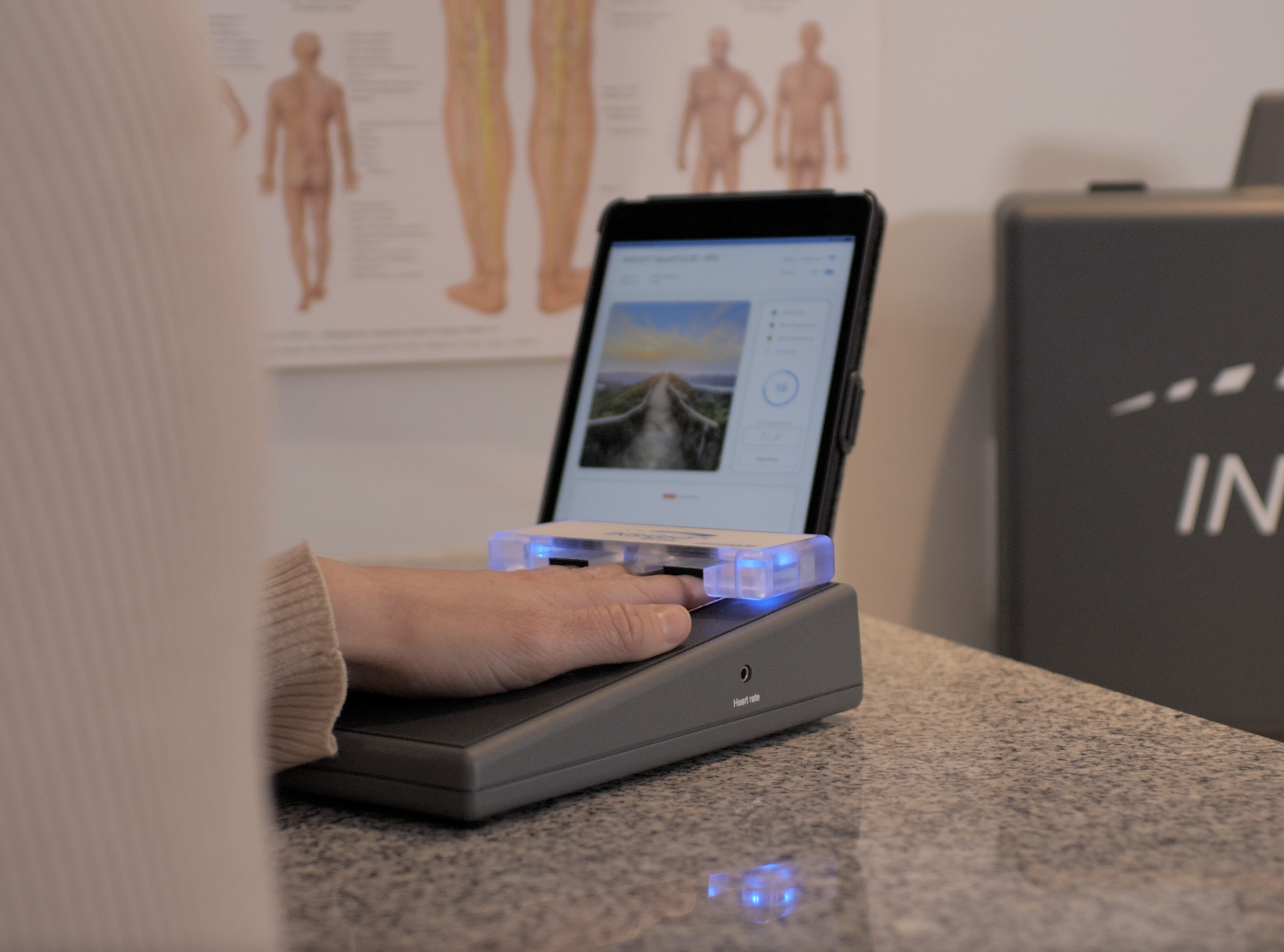
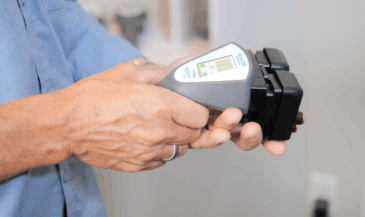
The INSiGHT neuroPULSE performs precise HRV measurement and presents heart rate variability metrics in clear scan views. It supports heart rate variability monitoring across time, allowing chiropractors to evaluate resting HRV, daily HRV trends when appropriate, and HRV recovery patterns throughout the training process. This creates context around hrv data instead of isolated numbers.
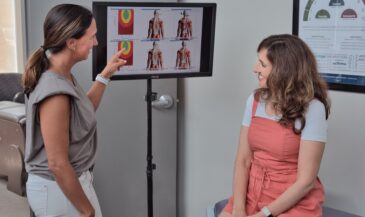
HRV-guided training is an accessible concept for patients when they can see what is happening inside their nervous system. INSiGHT scan views help explain why resulting in a lower HRV can follow increased training or poor recovery, why higher HRV reflects better adaptability, and why improving training requires matching intensity to readiness. Importantly, INSiGHT scanning technology provides objective exam data; it does not generate care plans. Chiropractors interpret the information and use it to support individualized care plan decisions.
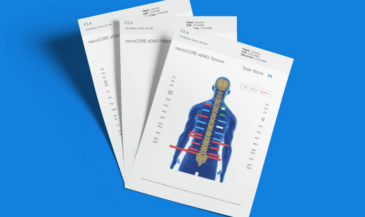
When combined with other neurological assessments, HRV data becomes part of a complete nervous system picture. NeuroPULSE supports conversations about adaptability, neuroCORE sEMG highlights energy expenditure patterns, and neuroTHERMAL reveals autonomic regulation along the spinal regions. Together, they support monitoring training, understanding response to training, and showing proof your care is making a difference.
Where Heart Rate Variability Training Fits Moving Forward
Heart rate variability training is not about perfection or constant optimization. It is about awareness, adaptability, and consistency. HRV might fluctuate day to day, but trends over time reveal how well the nervous system is handling life and training demands.
For chiropractors, heart rate variability training provides a clear way to explain nervous system performance, guide recovery conversations, and support long-term care plans. Supported by INSiGHT scanning technology, HRV moves from a trendy metric to a meaningful clinical insight. When patients understand their adaptability, they stop chasing symptoms and start valuing resilience. That shift is where chiropractic thrives.