

Many people consume caffeine before appointments, workouts, or daily activities—through coffee, tea, soda, pre-workout supplements, or energy drinks. When heart rate variability (HRV) is measured afterward, the results may reflect not only the body’s underlying state, but also the temporary effects of caffeine.
Caffeine can influence the nervous system in several ways. It may raise heart rate, alter blood pressure, and shift the balance of the autonomic nervous system. Because HRV is closely tied to how the nervous system adapts to stress, recent caffeine intake can change HRV readings, sometimes for several hours.
This matters when HRV is being used to understand stress levels, recovery, sleep quality, or neurological function. Without considering caffeine use, it can be difficult to tell whether a low or altered HRV reflects a deeper pattern or a short-term stimulant effect.
Whether you are a chiropractor reviewing clinical data or a patient trying to understand your own health, asking about caffeine timing and amount provides important context. HRV is a valuable tool, but like any measurement, it makes the most sense when the full picture—including caffeine intake—is taken into account.
How Long Does Caffeine Affect Your Heart Rate Variability
If you want the practical answer first, caffeine’s affect on heart rate variability usually depends on timing, tolerance, and dosage. In many people, caffeine consumption begins affecting the body within 15 to 60 minutes. The acute effects often peak around 30 to 60 minutes. The more obvious stimulating effects may last 3 to 6 hours, but the half-life of caffeine is often around 5 hours, which means the effect of caffeine can continue well after the patient no longer feels “buzzed.”
A patient may drink coffee at 7 a.m. and still show changes in hrv, blood pressure, or cardiovascular tone later that morning. Another patient may clear it faster. A third may feel the effects on the heart for much of the day. In practice, heart rate variability can depend on caffeine metabolism, the dose of caffeine, the source, and the patient’s usual patterns.
When chiropractors ask how long does caffeine affect your heart rate variability, we should think in layers:
- Onset: The effect on heart rate and the autonomic nervous system can start quickly.
- Peak: The acute effects of caffeine are often strongest within the first hour.
- Lingering influence: Heart rate variability, blood pressure, and hrv indices may still be influenced for several hours.
Caffeine affects many patients quickly, often peaks within an hour, and may influence HRV and cardiovascular findings for several hours, sometimes longer in sensitive caffeine consumers or after high doses of caffeine.
What the Effect of Caffeine Can Do to HRV, Blood Pressure, and Heart Rhythm
Heart rate variability is more than pulse. Heart rate variability reflects the changing time between heart beats, and those changes give insight into autonomic adaptability, reserve, and recovery. That is why hrv matters so much in chiropractic. When we review hrv, we are looking at how the nervous system is responding right now. So when we ask how long does caffeine affect your heart rate variability, we are really asking how long stimulant input may influence that adaptive picture.
The effect of caffeine often involves the autonomic nervous system and the cardiovascular system together. Caffeine increases alertness partly through stimulant effects that can shift autonomic tone. That may influence blood pressure, mean heart rate, resting heart rate, and in some people the sensation of altered heart rhythm. The effects on the heart are not identical in every patient, but the effects on cardiovascular function are real enough that chiropractors should account for them before over-interpreting one isolated scan.
The effect of caffeine can also be misunderstood because caffeine on heart rate does not always tell the whole story. A patient may not have a dramatic rise in pulse and still show alterations in hrv. Another may notice pounding or fluttering even if the actual change in heart rate and blood pressure is modest. This is why hrv analysis can be more informative than simply asking whether caffeine affects pulse.
From a chiropractic perspective, here are some of the common ways caffeine affects physiology:
- Blood pressure: Caffeine intake may raise blood pressure, including systolic and diastolic blood pressure, especially during the acute effects window.
- Autonomic balance: The autonomic nervous system may shift toward a more activated state, changing hrv indices and hrv parameters.
- Heart rhythm perception: Some patients notice pounding, skipping, or irregular heart beats after caffeine consumption.
- Cardiovascular effects: The effects on cardiovascular function may be mild in one patient and more noticeable in another.
That is why chiropractors should pay attention to the effect of caffeine on heart rate variability, not just caffeine on heart rate. The effects of caffeine on hrv may reflect a temporary autonomic response, a decrease in recovery capacity, or a broader issue with adaptation. It does not automatically mean something dangerous is happening, but it does mean state matters.
When you view the effect of caffeine through an autonomic and cardiovascular lens, the question becomes more useful. We are not just asking if caffeine affects the pulse. We are asking whether acute caffeine ingestion may influence frequency heart rate variability, blood pressure and hrv, and the patient’s current scan findings. That is a much better chiropractic question.
Learn more about INSiGHT scanning?
Fill this out and we’ll get in touch!
"*" indicates required fields
Why Caffeine Intake Affects Patients Differently
Much of this difference comes down to how caffeine is metabolized. The half-life of caffeine is an average, not a rule. One person may clear a given amount of caffeine relatively quickly, while another processes the same dose much more slowly. As a result, the length of time caffeine affects heart rate variability can vary widely, even when intake amounts are similar.
The source of caffeine also matters. Coffee is the most common contributor, but caffeine now comes from many sources, including tea, pre-workout powders, sodas, supplements, and energy drinks. Some energy drinks combine high caffeine content with sugar and other stimulants that can intensify cardiovascular and nervous system effects. So when someone says they only had “one drink,” that does not always reflect the true caffeine dose or its potential impact on HRV.
Several factors shape the response to caffeine:
- Dosage: Higher dosage and high doses of caffeine are more likely to create stronger acute effects.
- Habitual caffeine: Habitual caffeine and habitual caffeine consumption may reduce the obvious sensation, though not always the physiological response.
- Coffee consumption patterns: Regular caffeine consumers may describe less discomfort even when hrv still fluctuates.
- Physical activity: Recent aerobic exercise or other physical activity can change the autonomic response and cardiovascular picture.
- Sleep and stress: A tired patient in sympathetic nervous system overload may react more strongly to the same caffeine intake.
Caffeine withdrawal is part of the picture too. Some patients who usually consume caffeine daily may present differently on days when they skip it. So the chiropractor should think beyond whether the patient had coffee today. Ask about regular caffeine patterns, recent changes, and whether this visit reflects their usual routine.
Most of the time, the potential effects are temporary. Still, patients with heart concerns, heart failure, congenital heart conditions, or a history of altered heart rhythm should be approached thoughtfully. A balanced chiropractic discussion can acknowledge that caffeine affects patients differently, that most responses are mild, and that persistent symptoms or concerning cardiovascular signs deserve proper medical evaluation. Even the American Heart Association generally frames stimulant use within the broader context of cardiovascular health, dosage, and individual susceptibility.
What Chiropractors Should Consider When Reviewing HRV After Caffeine, Exercise, and Daily Stress
In practice, hrv is a snapshot. It reflects the current status of the nervous system, not a timeless verdict on the patient. That means heart rate variability matters every time you review a scan. If the patient had coffee 20 minutes before their visit, the acute effects may be strong. If they had caffeine intake 4 or 5 hours earlier, the effect of acute caffeine may still be present depending on the patient and the dose.
This becomes even more important around exercise. Many patients consume caffeine before training. So if you are evaluating heart rate variability after exercise, you may be seeing the combined effect of acute caffeine ingestion, exertion, and incomplete recovery. In some cases, autonomic recovery following exercise looks relatively normal. In others, caffeine may delay the recovery, contribute to delayed hrv recovery, or shape hrv recovery following exertion more than the chiropractor expects.
That is one reason heart rate variability after exercise can be tricky to interpret without context. If the patient had moderate caffeine before aerobic exercise, the recovery of hrv may look different than it would under calmer conditions. The same is true hrv following a stressful morning, poor sleep, or an unusually high workload. This is not a flaw in scanning. It is exactly why interpretation matters.
Before reviewing hrv, it helps to ask a few consistent questions:
- When was your last caffeine intake? The time interval matters.
- How much did you have? Ask about mg of caffeine when possible, or at least the type and amount.
- Was it coffee, tea, pre-workout, soda, or an energy drink? Different sources can produce different physiological responses to caffeine.
- Did you exercise today? Following exercise, the autonomic recovery following that effort may still be in progress.
- Have your patterns changed recently? A change in caffeine use or caffeine withdrawal can influence the scan.
The goal is not to police caffeine consumption. The goal is better hrv analysis. Blood pressure and heart rate, hrv indices, and the broader autonomic response all make more sense when the chiropractor knows what went into the system that day. That is how you keep one scan from being over-read while still respecting the valuable information it contains.
From a communication standpoint, this helps patients too. Instead of telling them caffeine is simply “bad,” you can explain that the effects of caffeine on heart rate variability may temporarily change scan findings, blood pressure, and cardiovascular tone. That makes the conversation about interpretation, not fear. It also helps patients understand why repeated scans under similar conditions are often more meaningful.
How INSiGHT Scanning Helps Chiropractors Interpret the Effect of Caffeine
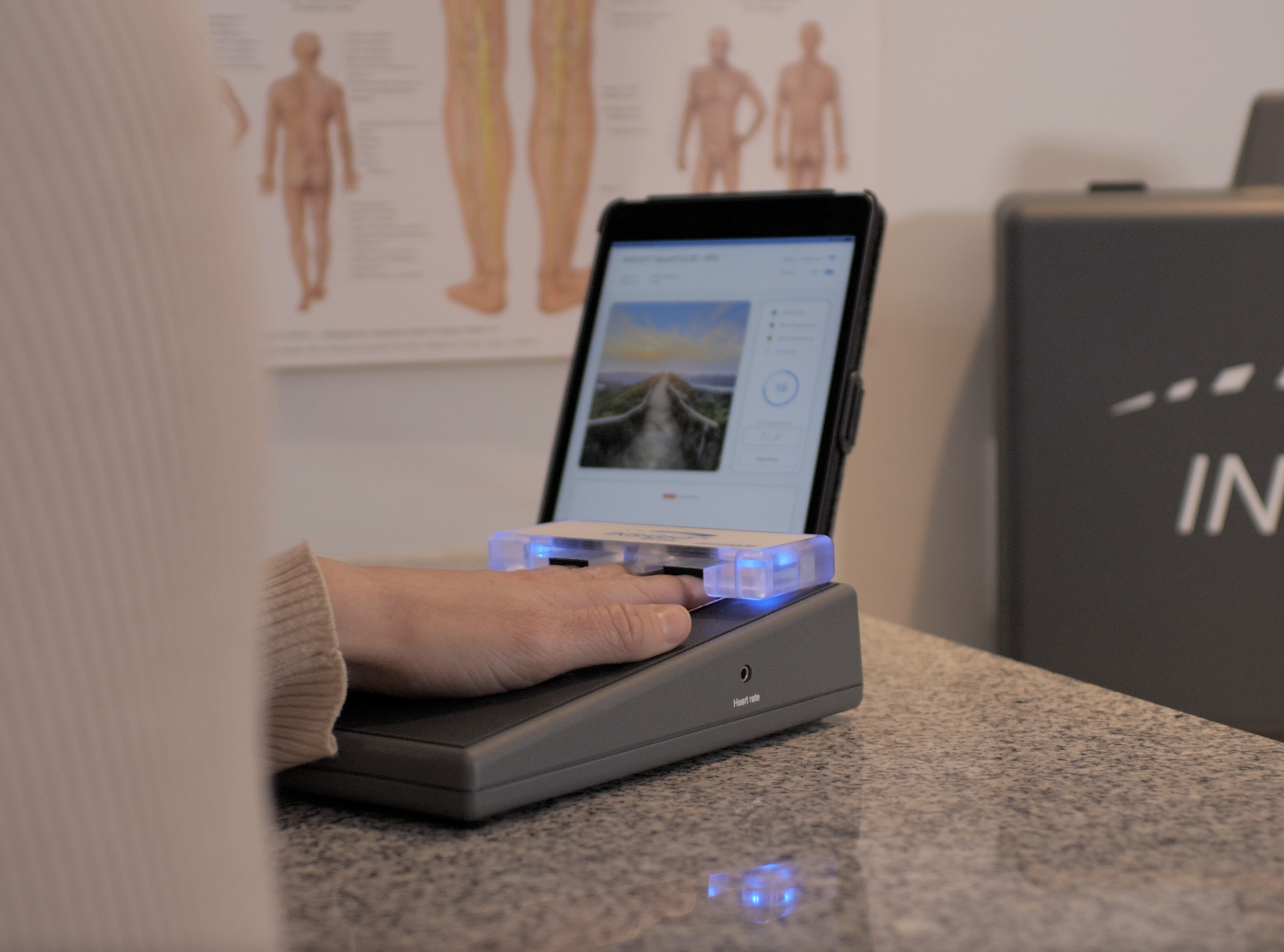
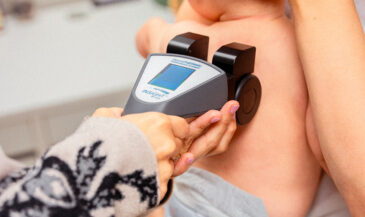
This is where INSiGHT scanning technology becomes essential. A chiropractor can ask all the right questions, but objective analysis still matters. INSiGHT neuroPULSE gives a clear look at hrv and helps the doctor see the current autonomic and cardiovascular status with more certainty. The neuroPULSE helps you move beyond assumptions and actually analyze what the patient’s nervous system is doing at that moment.
That matters because the effect of caffeine is not always obvious. Some patients feel wired. Some feel nothing. Some show subtle changes in blood pressure and heart rate, while others show more meaningful changes in hrv indices. NeuroPULSE helps the chiropractor analyze the effects of caffeine on hrv in a way that is objective, visual, and easier to communicate. It does not generate the care plan. It provides the objective exam data and reports that help the chiropractor design the care plan.
INSiGHT neuroPULSE is especially useful when the question is not simply caffeine on heart rate variability, but what that change means for adaptation and recovery. A single scan shows the patient’s current autonomic response. Repeated scans show whether the findings are a temporary state, a pattern of poor recovery following moderate stress, or part of a broader issue in nervous system performance. That is exactly the kind of interpretation chiropractors need when patients consume caffeine regularly.
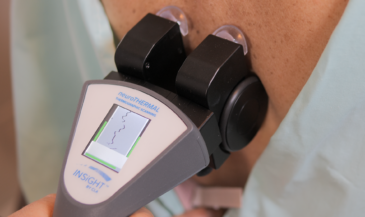
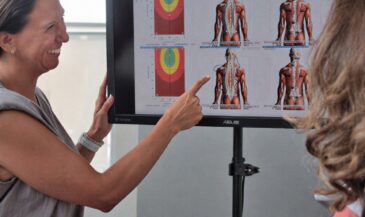
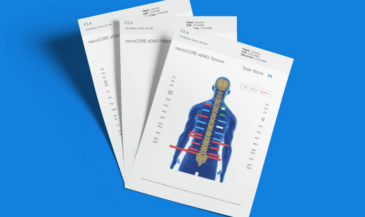
INSiGHT neuroTHERMAL and neuroCORE can add more context as well. NeuroTHERMAL helps analyze stress trends in the spine and nervous system. NeuroCORE helps analyze muscle activity and postural tension patterns. Together with Synapse software, the INSiGHT neuroTECH and Synapse software give the chiropractor scan views that make complex autonomic and cardiovascular findings simpler to explain. That is powerful when you want a patient to understand why caffeine intake, sleep, exercise, and recovery all matter.
Objective scanning helps you see whether the impact autonomic function today appears brief and stimulant-driven or whether the scan reflects a deeper need for attention. Once the patient can see it, the conversation shifts from guesswork to understanding.
A Better Way to Think About Caffeine, HRV, and Chiropractic Interpretation
So, how long does caffeine affect your heart rate variability? In many patients, the answer is minutes to hours. The acute effects may begin quickly, often within 15 to 60 minutes. The strongest effect of caffeine often shows up within the first hour. The lingering effects on cardiovascular tone, blood pressure, and hrv may remain relevant for 3 to 6 hours or longer depending on caffeine metabolism, the dose of caffeine, and the patient’s usual patterns.
For chiropractors, the key is not chasing a perfect universal rule. The key is understanding that caffeine affects the autonomic nervous system, that the effects on cardiovascular function can alter scan findings, and that hrv is always best interpreted in context. That includes coffee consumption, stimulant supplements, physical activity, recovery, and daily stress. It also includes remembering that variability in healthy patients is normal and that not every shift in hrv means the same thing.
With INSiGHT neuroPULSE and the broader INSiGHT neuroTECH and Synapse software, chiropractors can analyze the effects on heart, effects on cardiovascular function, and alterations in hrv with much more clarity. That does not make caffeine the enemy. It simply gives the doctor a better window into what the nervous system is doing now and how it fluctuates over time. In a profession centered on nervous system performance, that kind of certainty is hard to overstate.