

For the Neurologically-Focused Chiropractor, this is not simply a bathroom story. Vasovagal syncope is a reflex event involving the vagus nerve, the autonomic nervous system, blood pressure, heart rate, and blood flow. When vasovagal syncope occurs during defecation, the bowel movement is the obvious trigger, but the deeper conversation is about how well that person adapts to strain. That is where chiropractic starts to see the bigger picture.
Most patients do not describe it in technical language. They say they got lightheaded, clammy, nauseated, or felt like they might lose consciousness. Some mention abdominal pain, stomach pain, or an intense urge to defecate right before the event. Others say they had no idea what happened until they were on the floor. What looks like a simple faint can actually reveal a lot about nervous system performance.
Understanding vasovagal syncope bowel movements from a neurological perspective
Vasovagal syncope bowel movements refers to fainting or near fainting connected to defecation. In medical language, this is often called defecation syncope, a form of situational syncope and one type of reflex syncope. It is also called neurocardiogenic syncope. The common cause is a temporary reflex that makes blood pressure to drop and heart rate slows at the same time, leaving the brain with too little circulation for a brief period.
That is why vasovagal syncope is so important to understand clearly. The episode may last only seconds, and it is often usually harmless, but syncope may still lead to injuries because the patient can fall hard and fast. The loss of consciousness is brief because once the person is down, blood flow to the brain improves again. Still, the event tells you something meaningful about how the body handled the challenge leading up to it.
In this setting, the bowel movement is not the whole story. Straining during bowel movements can create a powerful reflex pattern, especially when constipation, dehydration, fatigue, or other stressors are present. The result is a vasovagal response that may cause fainting episodes, pre-syncope symptoms, or a full syncopal event. A patient may be able to avoid a full event if they catch the warning signs early, but not everyone gets much warning.
That is why chiropractors should care. This is not only about digestion. It is about how a part of your nervous system that regulates circulation and visceral function behaves under pressure. When vasovagal syncope occurs in this setting, the clinical presentation can open a valuable conversation about adaptability, reserve, and neurological interference.
What happens physiologically when straining becomes the trigger
The physiology is straightforward once you slow it down. During a difficult bowel movement, the patient often bears down hard. That strain raises pressure through the chest and abdominal cavities, changes venous return, and stimulates the vagus nerve. Because the vagus nerve is closely tied to parasympathetic activity, the body can shift too far in the wrong direction. This vagal reflex is the core of the event.
Once that reflex is triggered, blood pressure and heart rate may change quickly. In a strong vasovagal response, the heart rate and blood pressure both move away from what is needed to keep the brain perfused. The heart rate slows, the vessels widen, and there is a drop in blood pressure. That fall in blood pressure, especially when paired with a slower pulse, leads to reduced blood flow and not enough blood flow to the brain. That is the mechanism that can cause fainting.
In practical terms, this is why patients describe the event the way they do. They may report dizziness, nausea, tunnel vision, sweating, blurred vision, weakness, or even a brief palpitation. Some say they felt warm first. Others say they became clammy and pale. These pre-syncope symptoms are the body’s warning that circulation is becoming unstable. When the reflex continues, hypotension and bradycardia can lead the person to lose consciousness.
The clinical characteristics of defecation syncope often include the same sequence:
- An urge to defecate or active straining
- A sudden vasovagal response
- Dizziness, nausea, blurred vision, and sweating
- A brief syncopal or near syncopal event
- Rapid recovery once the person is horizontal
Several common triggers can make the event more likely. Common triggers include constipation, dehydration, skipping meals, heat, prolonged standing, coughing, urinating, swallowing, intense emotion, intense symptoms, and even the sight of blood. In broader reflex syncope, common triggers include many everyday stressors. Having a bowel movement simply becomes the moment where the system is pushed past its limit. That raises the risk of fainting in patients with lower autonomic reserve.
Learn more about INSiGHT scanning?
Fill this out and we’ll get in touch!
"*" indicates required fields
How chiropractic should think about symptoms and causes in practice
In chiropractic, we need to talk about this responsibly. Vasovagal syncope is one of the most common causes of fainting, but it is not the only cause of syncope. A chiropractor should always respect that some causes of fainting require medical attention. Heart problems, medication effects, blood volume issues, and certain neurological disorders can all contribute. When the history is unclear, severe, or recurrent, the patient needs a doctor to rule out a more dangerous underlying cause.
That is where a proper workup matters. A medical evaluation may include orthostatic measurements, an electrocardiogram, rhythm monitoring, imaging, blood work, or tilt table testing. In syncope in adults, history still matters enormously, but the doctor to rule out dangerous pathology is not optional. The broader literature on syncope and presyncope, including discussions from authors such as Benditt and publications in N Engl J Med, Arch Intern Med, Pacing Clin Electrophysiol, J Midlife Health, and Yonsei Med J, reinforces that careful history, trigger recognition, and proper triage are essential.
Once that framework is respected, chiropractic has something valuable to add. The question becomes more than, “What made you faint?” It becomes, “Why did your system fail to adapt well in that moment?” Vasovagal syncope occurs through a reflex, but recurrent syncope often points to reduced reserve, poor autonomic coordination, or a body living too close to overload. That is a very relevant chiropractic conversation.
In other words, a bowel-related event can be viewed through a neurological lens without making exaggerated claims. A patient may not only have constipation. They may have chronic strain patterns, poor recovery, autonomic imbalance, and a system that is easier to destabilize under pressure. That does not mean chiropractic claims to be the sole answer. It means the event can reveal important information about nervous system performance.
This is also where clear communication helps. Explain that vasovagal episode patterns are often benign, but recurrent syncope, syncope and presyncope without warning, or events tied to exertion or known heart problems deserve extra caution. The prognosis of syncope is often good when the cause is classic vasovagal syncope, but the clinical presentation still deserves a careful history and good judgment.
Where INSiGHT scanning technology fits into the conversation
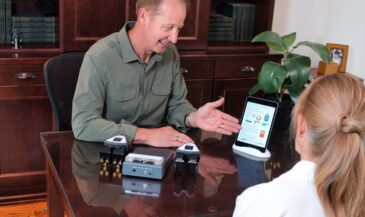
This is where INSiGHT scanning technology becomes especially useful. A patient with vasovagal syncope bowel movements is usually confused. They know the event felt dramatic, but they do not understand what their body was doing. Neurological scanning helps shift the conversation from fear and guesswork to objective analysis. It gives you a way to make the invisible visible.
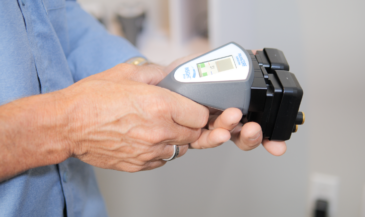
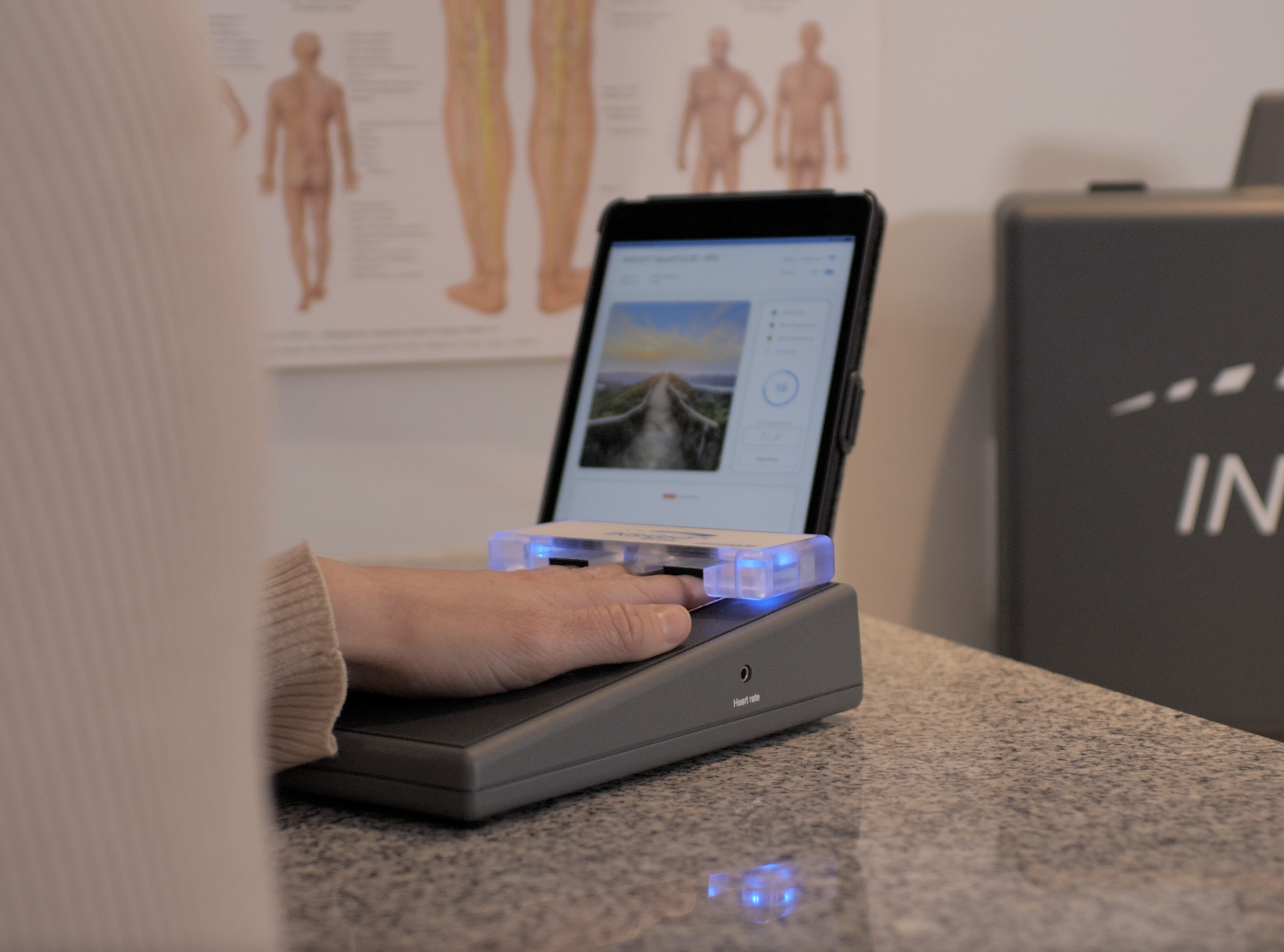
The neuroPULSE is particularly relevant because it evaluates Heart Rate Variability and gives the chiropractor insight into how the autonomic nervous system is functioning, including heart rate, adaptability, and reserve. In patients with recurrent vasovagal syncope, the issue is often not just one bathroom event. It may be a broader pattern of fluctuating autonomic control, lower resilience, or poor stress recovery. Looking at Heart Rate Variability does not diagnose every cause of syncope, but it does help chiropractors assess how well the patient is adapting overall.
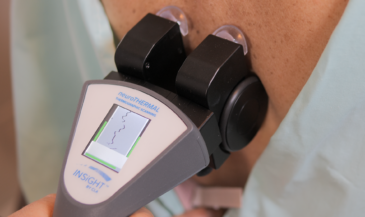
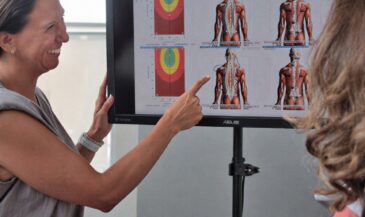
The neuroCORE adds another valuable layer by analyzing paraspinal muscle activity and energy expenditure. Patients with chronic compensation often show tension, exhaustion, and inefficient patterns that tell you the body is working too hard just to function. In a patient who has recurrent fainting episodes or chronic autonomic complaints, that matters. The neuroTHERMAL helps as well by revealing regional autonomic patterns through thermal asymmetry. Together, INSiGHT neuroTECH and Synapse software give the chiropractor objective exam data that can support communication, re-exam decisions, and a more precise neurological story.
That distinction matters. INSiGHT scanning technology does not generate the care plan. It provides the data and reports that support the chiropractor’s interpretation. That is a strong fit for a topic like this, because patients need more than reassurance. They need to see whether there are measurable patterns in their nervous system status that help explain why a trigger such as straining produced such a strong response.
And from a practice standpoint, that is powerful. When patients see scan views that reflect reserve, tension patterns, and autonomic stress, the conversation changes. It is no longer just, “I got dizzy on the toilet.” It becomes, “My body may be struggling to adapt, and now we have a way to analyze that.” That is the kind of clarity that strengthens trust and helps patients understand why ongoing neurological assessment matters.
Practical guidance for chiropractors and patients
There are simple steps that matter here. If a patient reports vasovagal syncope bowel movements, help them recognize the pattern. The bowel movement itself may not be dangerous, but the combination of straining, low blood volume, and a sensitive reflex can be enough to cause fainting. If they begin to feel dizzy, sweaty, weak, or visually dim, they should stop straining immediately. If possible, they should lie down and elevate their legs to improve blood flow. Acting early may keep them from a full faint.
Reducing constipation is also important. Hard stools increase strain. That makes the trigger more likely. Supporting hydration, fiber intake, and easier elimination can reduce that mechanical pressure and lower the chance of another event. Those are practical steps, not dramatic ones, but they matter a great deal in the management of syncope related to defecation.
For the chiropractor, history is everything. Ask about recurrent episodes, warning signs, syncopal injuries, medications, dehydration, and whether symptoms happen only during a bowel movement or in other situations too. Ask whether common triggers include heat, prolonged standing, coughing, urinating, or the sight of blood. Ask about symptoms and causes in context, not just the event itself. That helps you determine whether you are hearing a classic vasovagal story or something that needs more urgent referral.
Then bring it back to objective analysis. That is where chiropractic can offer something distinct. You are not simply waiting for another episode. You are looking at nervous system performance, including heart rate and blood pressure relationships indirectly through autonomic analysis, stress patterns, and reserve. You are helping the patient understand that the event may not have been random. It may have been the visible moment where an already stressed system could no longer compensate well.
That is the bigger message here. Vasovagal syncope bowel movements may begin in the bathroom, but it should not end there. For chiropractors, it is an opportunity to think more deeply, communicate more clearly, and tie the patient’s experience back to measurable neurological patterns. And when you can do that with INSiGHT scanning technology, you give the patient something better than a vague explanation. You give them a clearer view of what their nervous system is really doing.