
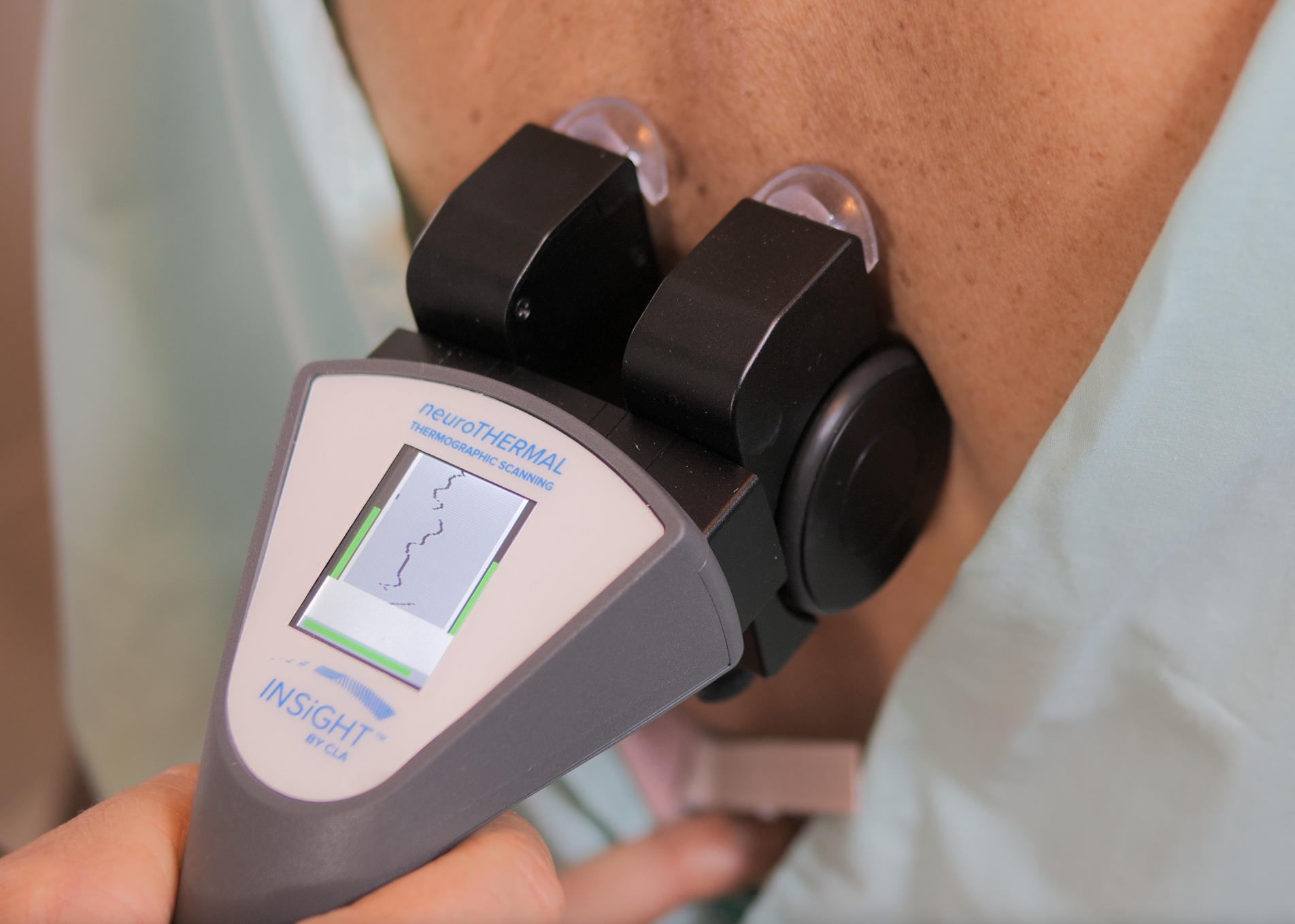
That is why the question what is a thermograph matters so much in a chiropractic setting. We are not just asking what the instrument records. We are asking what the findings may reveal, how they fit into a broader examination, and why they help doctors communicate functional change more clearly. In a profession centered on the relationship between the spine, the nerves, and the body’s ability to adapt, a thermograph is more than a picture. It is part of a modern way to analyze function.
So if you have ever wondered what is a thermograph from a chiropractic point of view, this is where the conversation gets interesting. The value is not in the image alone. The value is in what that image helps a chiropractor see, explain, and track over time.
What Is a Thermograph and What Does the Term Mean?
Let’s start with the direct answer. What is a thermograph? A thermograph is a visual recording of surface heat patterns. It shows differences across an area rather than one isolated number. In broad language, it is a way to display how heat is distributed so that patterns can be analyzed.
A basic thermograph definition from a general source, including something like the Collins English Dictionary, may describe it as a recording or image showing heat or thermal variation. That is useful as a starting point. It tells you what the term means in general language. But chiropractors need more than a general definition because chiropractic does not look at a thermograph the way a contractor, engineer, or home inspector would.
In chiropractic, the question what is a thermograph is really a question about function. The focus is not simply on whether one part of the back is warmer or cooler. The focus is on whether those patterns may reflect changes in autonomic regulation, blood flow control, and neurological tension along the spine.
- What is a thermograph in simple terms? A visual map of heat patterns across a surface.
- What is a thermograph in chiropractic terms? An objective functional scan that helps chiropractors analyze spinal thermal asymmetry and nervous system status.
- What is a thermograph compared to a thermometer? A thermometer gives one reading at one spot, while a thermograph shows a broader pattern across a region.
That last point is important. A thermometer has value, but it is limited to one point at a time. A thermograph gives the doctor a pattern to interpret. It shows whether the heat expression across the spine appears even, irregular, or repeatedly broken in certain regions. That is a very different kind of clinical information.
How Chiropractors Look at a Thermograph
When chiropractors ask what is a thermograph, they are usually asking from a functional point of view, not a purely technical one. They want to know what it helps them analyze. In a chiropractic office, a thermograph is commonly associated with paraspinal scanning. That means the doctor is looking at heat patterns along the spine, where autonomic regulation can influence blood vessel activity and skin heat expression.
This is one reason a thermograph matters in neurological practice. It can help reveal whether the surface pattern is balanced from left to right or whether there are asymmetries that deserve attention. The significance is not that the scan diagnoses everything by itself. The significance is that it adds objective examination data to the larger clinical picture.
That is also why what is a thermograph cannot be answered well by saying it is only a heat image. In chiropractic, it is better understood as a functional analysis tool. It helps the doctor think beyond structure alone. X-rays may show shape and position. A thermograph can contribute information about physiological regulation and how the nervous system may be expressing stress through the spine.
When interpreted correctly, chiropractors may look for several things on a thermograph:
- Left-to-right asymmetry along spinal regions
- Changes from one segment to the next
- Repeated thermal breaks or irregularities
- Improvement or fluctuation over time
That is where the practical value shows up. A patient may say they feel better one day and worse the next. Symptoms can fluctuate. A thermograph gives the chiropractor another reference point that is not based on guesswork alone. That makes the conversation more objective and often more useful for both doctor and patient.
Learn more about INSiGHT scanning?
Fill this out and we’ll get in touch!
"*" indicates required fields
How a Chiropractic Thermograph Is Created
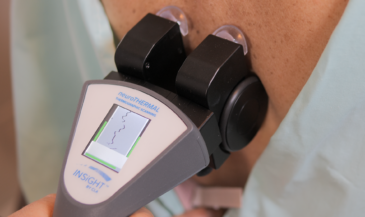
So what is a thermograph from a technical standpoint? In chiropractic, it is typically created through infrared sensing that records emitted heat at the skin surface. The instrument is not reading deep anatomy the way an MRI or X-ray does. It is capturing external thermal expression in a controlled, repeatable way so the doctor can analyze the result.
This matters because many people assume a thermograph is just a fancier type of thermometer. It is not. A thermometer gives a single reading. A thermograph records a pattern. That pattern is what makes analysis possible. The chiropractor is not just interested in one number. The chiropractor is interested in whether the thermal expression across the spine appears symmetrical, irregular, or changing in a meaningful direction.
The scan process itself is usually fast and simple. The patient is positioned properly, the spinal region is prepared for scanning, and the instrument records the findings. In a modern office, the software can organize those scan views automatically so the doctor can compare one visit to another. Even then, the interpretation still belongs to the chiropractor. The technology gathers the data. The doctor decides what it means in context.
That point should never be lost. What is a thermograph in chiropractic? It is not a standalone answer machine. It is a measured part of the exam. The scan contributes objective information, but it does not replace history, posture, palpation, movement findings, or professional judgment.
For a thermograph to be valuable, consistency matters. The room, the procedure, and the scan method should be as reproducible as possible. That allows the doctor to compare changes with greater confidence instead of wondering whether the testing conditions changed the outcome.
Why a Thermograph Matters in Chiropractic Communication
One of the strongest answers to what is a thermograph is this: it is a communication tool as much as it is an examination tool. Chiropractors have always worked with function, adaptation, and nervous system performance. The challenge has often been helping patients understand those ideas clearly. That is where a thermograph can make a real difference.
Patients do not always understand why they still need attention when they are feeling temporarily better. They do not always understand why a structurally normal-looking spine on an image does not automatically mean normal function. A thermograph helps bridge that gap. It gives the patient something visual, objective, and easy to follow.
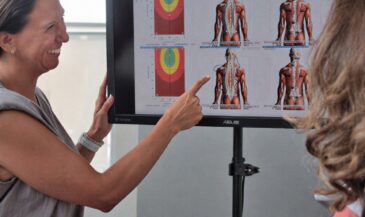
When the doctor can show a pattern instead of only describing one, the conversation changes. The patient is no longer relying only on the memory of symptoms or the hope that things are improving. The patient can see that the doctor is tracking measurable findings. That builds clarity and often strengthens confidence in the process.
Here are a few reasons chiropractors value this kind of analysis:
- It helps establish a baseline instead of relying only on symptoms
- It makes progress assessments easier to explain
- It supports a shift from structure-only thinking to function-based thinking
- It helps patients understand why nervous system findings still matter even when symptoms fluctuate
That is why what is a thermograph is really a bigger question than it first appears. In chiropractic, it is not just about a scan. It is about having a shared reference point. It is about helping the patient see what the doctor is analyzing and why that analysis matters for decisions moving forward.
How a Thermograph Fits Into Neurological Scanning and INSiGHT Technology
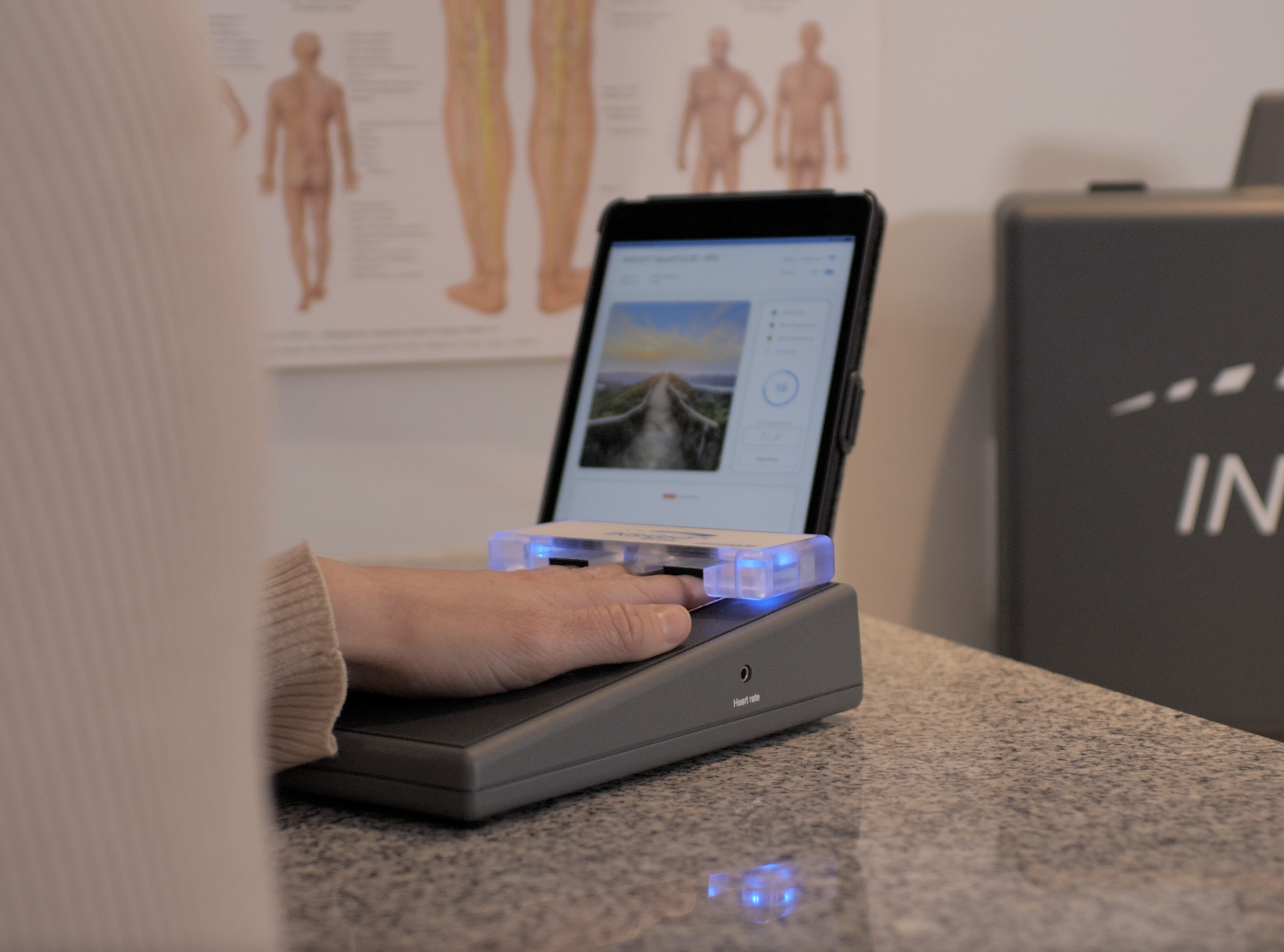
This is where the answer becomes especially relevant for modern chiropractic offices. What is a thermograph in today’s neurological scanning environment? It is part of an objective exam process that helps chiropractors measure function, visualize patterns, and track change over time. That is exactly where INSiGHT scanning technology enters the conversation.
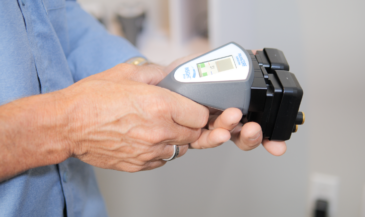
INSiGHT neuroTHERMAL is CLA’s thermal scanning technology within the broader INSiGHT neuroTECH and Synapse software platform. In practical terms, it provides a full spine nerve system scan focused on paraspinal thermal findings. That gives chiropractors a reliable way to analyze asymmetry, observe shifts in spinal thermal expression, and bring more objective information into the examination process.
In that setting, what is a thermograph? It is not just a generic heat image. It becomes part of a neurologically focused workflow. It helps move the conversation away from joints alone and toward nerves, adaptation, and performance. It helps the chiropractor explain what the body is expressing right now and whether the scan is showing more stability or continued fluctuation over time.
With Synapse software, the scan views are easier to organize, compare, and present. That matters because the goal is not simply to collect data. The goal is to make the data useful. When patients can see their nervous system findings presented clearly, they begin to understand the why behind the doctor’s recommendations. That is one of the strongest advantages of neurological scanning in practice.
So when someone asks what is a thermograph in a CLA-centered chiropractic office, the answer should include this bigger picture. It is an objective scan that supports clear communication, stronger analysis, and better understanding of nervous system performance. And when it is paired with INSiGHT scanning technology, it becomes a powerful part of a measured, modern chiropractic exam.
A Better Way to Answer the Question
By now, the question what is a thermograph should feel much clearer. Yes, a thermograph is a recording of heat patterns. Yes, it reflects surface temperature. But in chiropractic, that is only the starting point. Its real value is in how it helps analyze function, assess asymmetry, and support a more objective understanding of nervous system performance.
That is why chiropractors continue to care about this technology. A thermograph is not a gimmick, and it is not a replacement for every other exam finding. It is one part of a broader process that helps doctors measure what they otherwise might only suspect. It gives patients something visible. It gives chiropractors something objective. And it gives the clinical conversation more certainty.
If someone asks what is a thermograph, the best chiropractic answer is this: it is a functional scan that helps make the invisible more visible. And in today’s practice environment, especially with tools like INSiGHT neuroTHERMAL and Synapse software, that kind of neurological scanning matters more than ever.