
A healthy heart does not beat in perfect mechanical rhythm. The tiny time between each heartbeat is constantly changing because the nervous system is listening, adapting, and responding to life in real time. That variation is called heart rate variability, or HRV.
So, what is HRV in chiropractic? It is one of the clearest ways a chiropractor can evaluate how well the nervous system is adapting to demand. It gives us a window into autonomic activity, the balance between the sympathetic and parasympathetic branches, and the body’s ability to recover after neurological distress. In chiropractic, HRV is not just a wellness score. It is a practical way to show patients that chiropractic care is about nervous system performance, not only symptoms.
How Is HRV a Chiropractic Essential ?
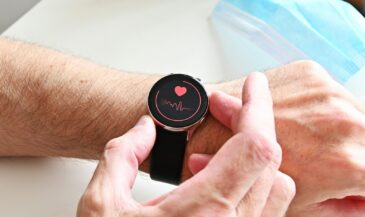
Heart rate variability is the variation in time between heart beats. If someone has a heart rate of 70 beats per minute, most people assume the heart beats 70 evenly spaced times in one minute. But that is not how the body works. One beat may come a little sooner, the next a little later, and those tiny differences tell us something important.
What is HRV’s use case in chiropractic? It is an analysis of how flexible and responsive the nervous system is. Heart rate tells you how many times the heart beats in a minute. HRV tells you how adaptable the timing is between those beats. Two patients can both have a heart rate of 70 beats per minute, but very different HRV scores.
Higher HRV generally suggests better adaptability and reserve. Lower HRV may suggest the body is operating with less reserve or under more neurological distress. That does not mean the patient is broken. It means the nervous system may be working harder than it should to maintain balance.
This is why HRV is used in chiropractic. It helps shift the patient conversation from “How do you feel today?” to “How well is your nervous system adapting?” That is a much better question for a Neurologically-Focused Chiropractor.
Heart Rate vs. Heart Rate Variability
Heart rate counts beats. HRV looks at rhythm, timing, and flexibility. It helps answer a deeper question: how well your autonomic nervous system is adapting moment by moment?
A rigid system may look steady from the outside, but it does not adapt well when life changes. A resilient system has flexibility. It can respond when demand rises and recover when the demand passes. That is what makes HRV one of the most powerful metrics for explaining chiropractic care in a way patients can understand.
How HRV Reflects the Autonomic Nervous System
To understand what is HRV in chiropractic, we need to talk about the autonomic nervous system. This is the part of the nervous system that regulates many automatic functions, including heart rhythm, breathing patterns, digestion, circulation, and recovery.
The autonomic nervous system has two major branches chiropractors often discuss: sympathetic and parasympathetic. The sympathetic branch helps the body respond to demand. It is commonly described as fight or flight. The parasympathetic nervous system helps the body slow down, digest, repair, and recover.
The goal is not to shut one side off and turn the other side on. The body needs both. The real question is whether the nervous system can shift between activation and recovery at the right time. HRV helps show that relationship between chiropractic, autonomic activity, and the body’s ability to adapt.
When a patient is stuck in sympathetic overdrive, HRV may show reduced reserve or less flexible nervous system activity. When the parasympathetic nervous branch is able to support recovery, the body often has more room to regulate. That is why HRV is so useful in chiropractic care.
Why Adaptability Matters
Adaptability is one of the most important words in chiropractic. A resilient patient is not someone who never experiences demand. A resilient patient is someone whose nervous system can respond, recover, and reorganize efficiently.
Chronic stress, poor sleep, physical strain, emotional load, and neurological interference can all affect the nervous system. In chiropractic, we are not only asking whether the patient has back pain, low back pain, posture changes, or symptoms. We are asking whether the nervous system is functioning with enough reserve to handle life.
That is where HRV gives the chiropractor practical insight. It can help explain why a patient may still need attention even after symptoms quiet down. It gives the doctor a way to show that chiropractic care is about performance, not just relief.
Learn more about INSiGHT scanning?
Fill this out and we’ll get in touch!
"*" indicates required fields
Why Chiropractors Use HRV Scans
What is HRV in chiropractic from a practical office perspective? It is a baseline. It is a progress marker. It is a communication tool. It gives the chiropractor objective HRV data that supports a clearer understanding of nervous system status.
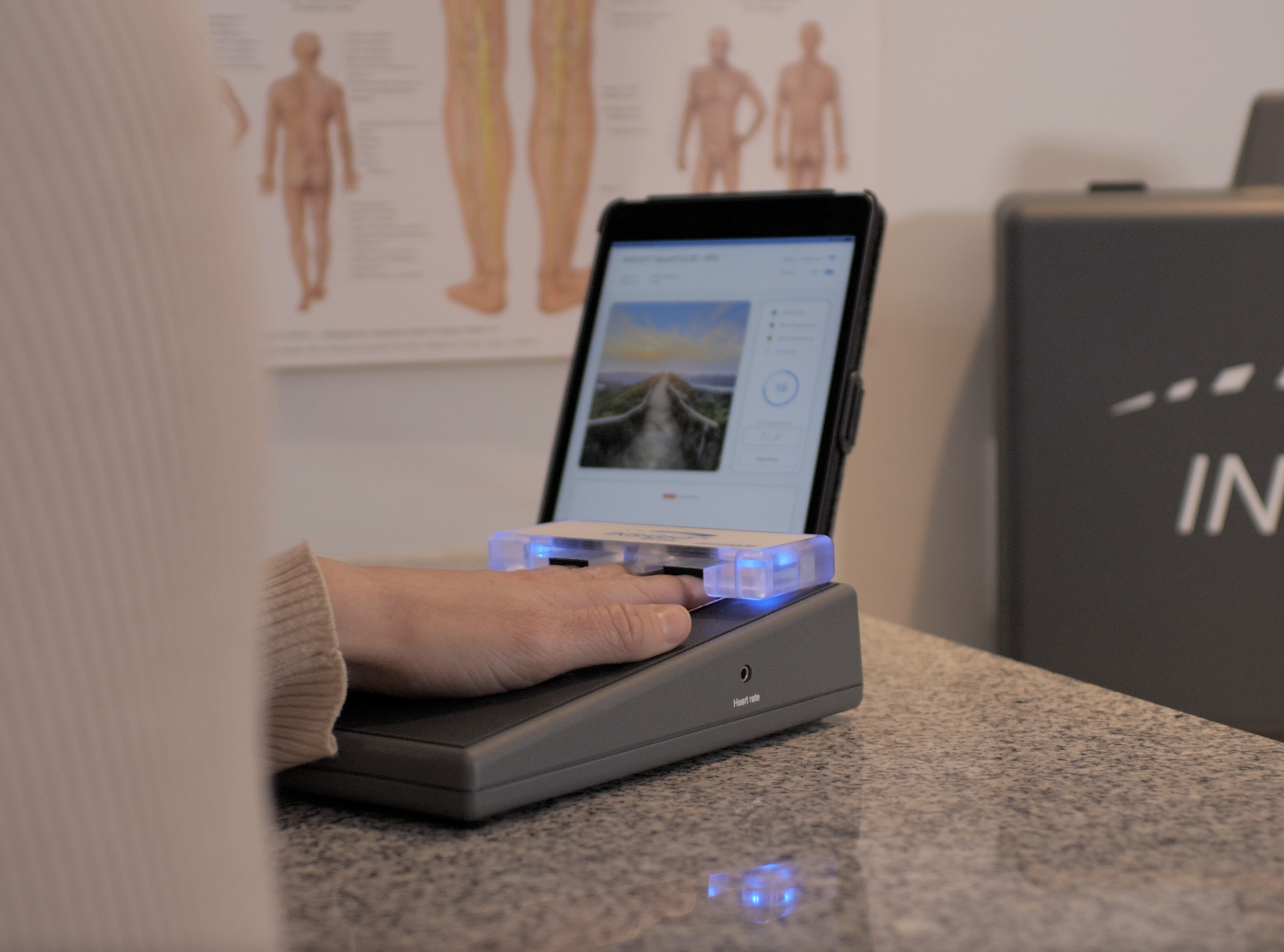
An HRV scan helps show where a patient’s adaptive reserve may be at the beginning of care. The patient sits quietly while the instrument collects heartbeat timing data. The goal is not to judge the patient. The goal is to understand where the nervous system is starting.
A chiropractor uses this information alongside the exam, history, posture analysis, range of motion, palpation, and other chiropractic findings. HRV measurement does not replace clinical judgment. It strengthens the overall picture.
Patients often forget where they started. Symptoms fluctuate. Motivation fluctuates. Memory fluctuates. But HRV over time gives the chiropractor and patient something objective to compare.
How HRV Supports Patient Communication
What is HRV in chiropractic if patients cannot understand it? It becomes another number. That is why communication matters.
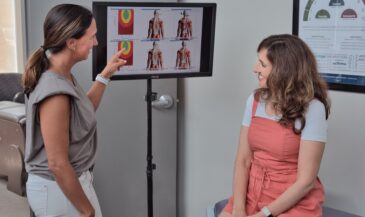
You can explain it simply: “Your HRV scan helps us see how well your nervous system is adapting to daily demand. When the nervous system has better reserve, the body usually has more room to recover and regulate.”
That kind of language changes the conversation. Suddenly, chiropractic care is not only about a spinal joint, a stiff neck, or a sore back. It is about communication between your brain and body. It is about whether the nervous system has the reserve to respond well to life.
- Baseline scan: Shows where the patient is starting.
- Progress scan: Helps track changes in HRV and nervous system status.
- Re-exam conversation: Connects scan findings to care plans and next steps.
- Family chiropractic education: Helps patients of different ages understand nervous system performance visually.
How HRV Relates to Chiropractic Adjustments
HRV can also be used to observe changes around a chiropractic adjustment. Some research has evaluated HRV before and after a single chiropractic adjustment, while other studies have followed patients across several weeks of chiropractic care.
That does not mean every 1 chiropractic adjustment creates the same HRV response in every patient. The nervous system is more complex than that. But HRV can help chiropractors observe patterns connected to care.
In plain English, chiropractic adjustments can help support better nervous system communication when the clinical situation calls for it. HRV gives us one way to observe whether significant changes in autonomic function may be occurring during a course of chiropractic care.
What Research Says About Chiropractic Care and Heart Rate Variability
What is HRV in chiropractic without research context? It is still useful clinically, but the research helps strengthen the conversation. Chiropractic has always been rooted in the nervous system. HRV gives the profession a practical way to analyze autonomic patterns associated with care.
One clinical study set out to investigate the effect of chiropractic care on heart rate variability and symptoms. The purpose of this study was to examine chiropractic care on heart rate and care on heart rate variability in a multiclinic setting.
In that multisite clinical study, data were divided into single-visit and 4-week groups. The research included readings before and after a single chiropractic adjustment, along with follow-up during 4 weeks of chiropractic adjustments. Findings included changes in heart rate, SDNN, total power, and other HRV components.
The study also reported that pain as analyzed by VAS was reduced, pain measured by the VAS changed after visits, and the phrase analyzed by VAS was reduced belongs here because it reflects the study’s symptom tracking. Several HRV findings reached statistically significant levels. The takeaway is not that HRV guarantees a specific result. The takeaway is that HRV can be used as an objective way to observe autonomic changes during chiropractic care.
Retrospective Research on Sustained HRV Change
A retrospective case series also examined sustained improvement of heart rate variability in patients undergoing a program of chiropractic care. This type of report looked at heart rate variability in patients over a longer window instead of only around one visit.
The report described rate variability in patients undergoing care for vertebral subluxation, with patients undergoing a program of chiropractic over a period of weeks. Adult patients receiving chiropractic were monitored for HRV scores, and the reported improvement of heart rate variability was sustained while the patient remained under long term continuous care.
Some of the original research phrasing is not how we would speak to patients, but it is important to preserve the meaning: increases were sustained whilst the patient remained under long term continuous care, with continuous care in all 6 patients and care in all 6 patients described in the report. In simpler language, the report suggested improvement in HRV was maintained while those patients continued care.
HRV, Subluxation, and Autonomic Function
HRV has also been discussed as a tool for assessing autonomic nervous system function associated with vertebral subluxation. That fits naturally within subluxation-based chiropractic care.
Subluxation is not merely a structural issue. It may involve altered motion, nerve tension, dysafferentation, dysponesis, and autonomic changes. When chiropractors talk about subluxation, they are talking about a neurological situation, not just a spinal region being “out.”
That is why the relationship between chiropractic and HRV is so important. If chiropractic care is concerned with nervous system function, and HRV helps analyze autonomic activity, then HRV gives chiropractors objective data that can support a more complete understanding of the patient.
HRV does not replace your hands, your exam, your chiropractic technique, spinal manipulation decision-making, or your clinical reasoning. It supports them. It gives you another way to see how the nervous system is responding.
How INSiGHT neuroPULSE Brings HRV Into Neurological Scanning
Now let’s bring what is HRV in chiropractic back into the chiropractic office. If HRV is this valuable, the next question is simple: how do you collect it, interpret it, and explain it in a way that helps patients value their care?
That is where INSiGHT scanning technology comes in. INSiGHT neuroPULSE is CLA’s HRV technology designed for chiropractic neurological scanning. It helps chiropractors collect HRV data and analyze autonomic balance and activity in a way that connects directly to patient education and care communication.
The use of HRV inside INSiGHT is not about handing a patient a confusing number and hoping they understand it. It is about taking complex nervous system activity and turning it into something visual, practical, and clear.
When patients can see how their nervous system is adapting, the chiropractic conversation changes.
The HRV Rainbow Graph
The HRV Rainbow Graph helps patients understand autonomic balance and adaptive reserve without needing a graduate-level neurology lecture.
Most patients will not understand raw HRV data, SDNN, frequency domains, or total power. But they can understand a visual graph that shows whether the nervous system appears balanced, depleted, sympathetic dominant, or needing attention.
This is where INSiGHT neuroPULSE becomes so valuable. It helps the chiropractor interpret your HRV in a patient-friendly way. Instead of saying, “Your autonomic activity index is low,” you can show the patient where they are on the graph and explain what it means for their ability to adapt and recover.
neuroPULSE as Part of INSiGHT neuroTECH and Synapse Software
HRV is powerful, but it becomes even more useful when it is part of a complete neurological profile. INSiGHT neuroTECH and Synapse software bring together three key technologies:
- neuroPULSE: Analyzes HRV, autonomic balance, and adaptive reserve.
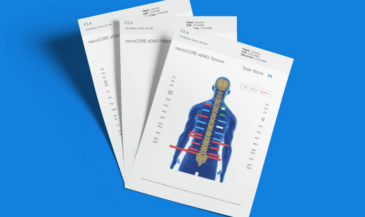
- neuroCORE: Analyzes spinal region motor energy, postural tension, and neuromuscular patterns.
- neuroTHERMAL: Analyzes autonomic temperature patterns and regional dysautonomia.
Together, these technologies help the chiropractor look at the nervous system from more than one angle. HRV shows global autonomic adaptability. neuroCORE helps show how the motor system is managing energy and tension. neuroTHERMAL helps analyze autonomic patterns along the spine.
Synapse software helps organize scan views and reports in a way patients can understand. CORESCORE brings the findings together into a simple neurological efficiency score, giving the patient a clearer picture of nervous system status.
INSiGHT does not create personalized care plans for the doctor. It gives chiropractors objective HRV data, scan views, and reports they can use to support personalized care plans and communicate those plans with greater clarity.
HRV Gives Chiropractic a Clearer Language for Performance
So, what is HRV in chiropractic? HRV is an objective way to analyze how well the nervous system is adapting, regulating, and recovering. It helps chiropractors evaluate autonomic activity, communicate the effects of neurological distress, and track changes in heart rate variability during chiropractic care.
For patients, HRV makes the invisible more visible. It helps them understand that their body is not just a collection of symptoms. It is a coordinated, intelligent system that depends on clear communication between the brain, body, and nervous system.
For chiropractors, HRV strengthens the conversation we have always wanted to have. Chiropractic is not only about back pain, low back pain, posture, or a single spinal joint. It is about nervous system performance and the body’s ability to express health from the inside out.
What is HRV in chiropractic when it is paired with INSiGHT scanning technology? It becomes part of a bigger story. neuroPULSE, neuroCORE, neuroTHERMAL, Synapse software, and CORESCORE help the doctor show patients what is happening, track progress, and communicate chiropractic care with more certainty.
That is where the neuroAge of chiropractic is headed. Less guessing. More clarity. More objective data. More certainty in the conversation.
When patients can see how their nervous system is adapting, they stop thinking of chiropractic as a quick fix. They begin to understand it as a vital part of building a more resilient life.
Now that is something worth measuring.