
Most patients begin chiropractic care with a simple question: “Can you help me feel better?” A new patient may come in with back pain, neck pain, cervical tension, headaches, postural tension, or another concern they can clearly describe. But you and I both know the deeper chiropractic perspective has always been about more than symptoms. It’s about spinal function, neurological patterns, adaptability, and nervous system performance.
That is why the question of whether chiropractic scans help with patient retention matters so much in today’s chiropractic landscape. Scans help patients see what words alone often struggle to explain. When a patient can see their nervous system status in a simple, visual way, the care plan begins to make more sense. The number of visits has context. Re-exams have purpose. Progress becomes something they can understand, not just something they hope is happening.
Why Patient Retention Breaks Down in a Symptom-Based Chiropractic Practice
Do chiropractic scans help with patient retention when patients are used to symptom-based care? They can, because retention often breaks down when the chiropractor and patient are using two different scoreboards.
The chiropractor is looking at the whole picture. You are considering spinal function, cervical patterns, neuromuscular activity, postural tension, adaptive reserve, and how the body is responding to neurological distress. You are thinking about what is happening beneath the surface and how that patient’s nervous system is handling life.
The patient, on the other hand, may be thinking about one thing: “Does it still hurt?”
That symptom-based mindset is common among chiropractic patients. It is not wrong. It is just incomplete. Patients have been trained by the larger healthcare world to wait until something feels bad, get help, and stop once the symptom calms down. So when back pain improves or neck pain fades, they often assume the problem has been solved.
That is why patient retention is rarely just a scheduling problem. It is usually a communication problem.
If a patient believes chiropractic care is only about relief, they will measure your care by relief alone. Once they feel better, they may cancel visits, delay re-exams, or decide wellness care is optional. Not because they do not respect you. Not because they had a poor patient experience. But because they do not yet understand the deeper chiropractic perspective.
For doctors of chiropractic, this is where frustration can creep in. You know the patient still has patterns needing attention. You may feel it in the spinal exam. You may see it in posture. You may notice recurring cervical tension, poor recovery, or ongoing neuromuscular compensation. But without objective scan data, those findings can be hard for the patient to grasp.
They hear your words, but they do not always see the why.
And patients need the why. They want to understand what you are recommending, why care plans matter, and how they will know progress is happening. A successful chiropractic practice needs more than great adjustments. It needs a way to communicate the value of chiropractic care clearly and consistently.
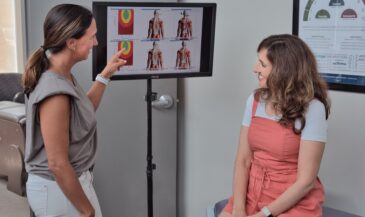
This is where chiropractic scans help close the gap. They give you a shared visual language with the patient. Instead of asking them to believe in an invisible process, you can show them objective patterns and explain what those patterns mean.
That is a much stronger foundation for patient retention.
How Chiropractic Scans Shift the Patient Experience From Symptoms to Nervous System Performance
Do chiropractic scans help with patient retention by changing what patients pay attention to? Absolutely. Neurological scanning changes the conversation.
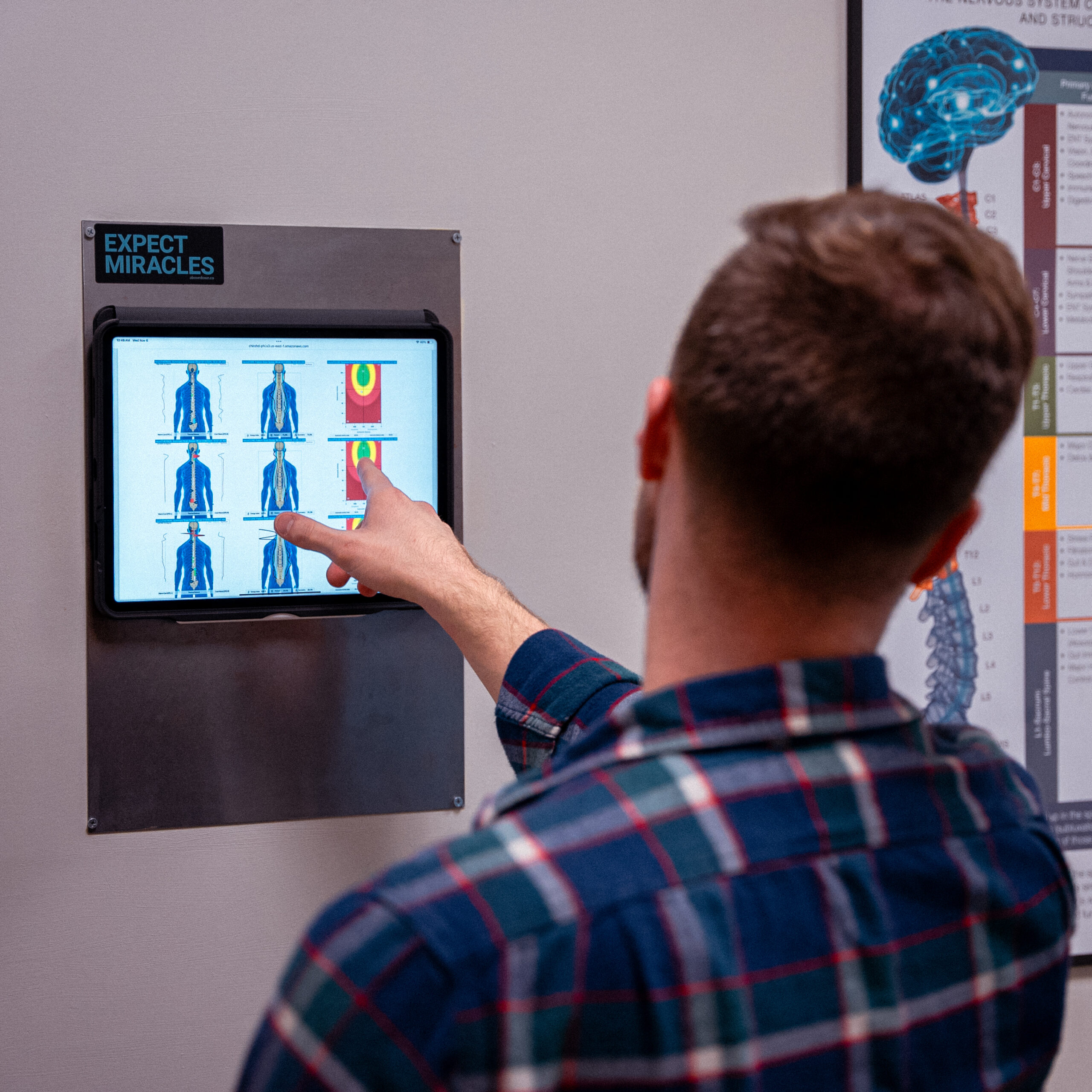
Instead of only talking about symptoms, posture, or where a patient feels discomfort, chiropractic scans help patients see how their nervous system is performing. That matters because most patients have never been shown their nervous system in a way they can understand.
They may know their back pain is better. They may know their neck pain is less noticeable. But they do not naturally know whether their body is adapting better, whether their postural tension is calming, or whether their nervous system is becoming more resilient.
Scans give them a new scoreboard.
A good scan conversation does not overwhelm the patient with technical detail. It simplifies. It gives the chiropractor a way to say, “Here is what we are seeing. Here is why it matters. Here is how this connects to your care.”
That shift can dramatically change the patient experience.
When patients see neurological scanning as part of the exam process, they begin to understand that chiropractic care is not simply about chasing symptoms. It is about helping the nervous system function with more efficiency, adaptability, and balance. That helps patients think beyond today’s discomfort and start seeing the bigger picture.
Chiropractic scans can help patients understand:
- Postural tension: Where the body may be holding patterns that affect spinal performance.
- Neuromuscular activity: How the motor system may be working harder than expected.
- Autonomic adaptability: How the nervous system is responding to daily neurological distress.
- Ongoing patterns: Why symptoms alone do not tell the full story.
- Progress over time: Why follow-up scans and re-exams matter.
That kind of clarity builds trust.
And trust is one of the biggest drivers of patient retention.
When a chiropractor can show objective scan data, the recommendation feels less like an opinion and more like a guided explanation. The patient sees that you are not guessing. You are not simply adding more visits because that is what your office does. You are interpreting what their nervous system is showing and using that information, along with your clinical expertise, to guide their care plan.
That improves patient communication in a very practical way.
Instead of saying, “You need to keep coming,” the conversation becomes, “Here is what your scan is showing. Here is what has improved. Here is what still needs attention. Here is why this next phase of care matters.”
That is a better conversation.
It also supports patient satisfaction and overall satisfaction because patients understand the process. They know what was evaluated. They know what their next touchpoint will be. They know what to expect at re-exams. They can see that chiropractic care has structure, purpose, and follow-through.
Patients tend to stay more committed when they understand what is happening.
That is not pressure. That is clarity.
Learn more about INSiGHT scanning?
Fill this out and we’ll get in touch!
"*" indicates required fields
How Baseline Scans, Progress Scans, and Re-Exams Keep Patients Engaged Over Time
Do chiropractic scans help with patient retention after the first few visits? They can, because retention depends on repeated clarity.
A patient may be fully engaged during the first visit. They may listen closely during the report of findings. They may nod along as you explain the care plan. But a few weeks later, life gets busy. Symptoms improve. The original reason they came in starts to feel less urgent.
That is when patients can drift.
Baseline scans and progress scans help bring the story back into focus. They remind the patient where they started, what has changed, and why continued care still has a purpose.
The initial scan creates a baseline. It gives the new patient a visual starting point. Instead of beginning care with only symptoms and subjective reporting, you now have scan data that can be revisited throughout the care process.
That baseline matters because patients forget.
They forget how much tension they carried. They forget how tired they felt. They forget how limited their movement was. They forget that their first scan showed patterns they could not clearly feel yet. When you bring the initial scan back into the conversation, you help them reconnect with the reason they started.
Progress scans then allow the chiropractor and patient to compare.
That comparison is powerful. It turns care plans from a list of appointments into a journey the patient can see. When scan views show improvement, the patient has a reason to feel encouraged. When scan views show areas still needing attention, the patient has a reason to stay engaged.
Either way, the conversation becomes more meaningful.
These scan comparisons can help patients recognize:
- Improved patterns: Changes in how their nervous system is adapting.
- Reduced tension: Areas where postural or neurological tension appears to be calming.
- More efficient function: Changes in neuromuscular activity and energy demand.
- Continued priorities: Areas still needing attention as care progresses.
Re-exams are where this really comes together. A re-exam should never feel like an administrative checkpoint. It should be a meaningful clinical and communication touchpoint. It gives the chiropractor an opportunity to interpret what has changed, explain what still matters, and help the patient understand the next phase of care.
This is especially important when patients begin feeling better before their nervous system patterns have stabilized.
That is a common point where retention can slip.
The patient thinks, “I feel better, so I must be done.”
The scan conversation helps you respond with clarity: “Feeling better is a wonderful sign. Now let’s look at how your nervous system is adapting and what the scan is showing as we move into the next phase of care.”
That kind of communication can improve patient retention because it gives the patient a better reason to continue.
It also helps keep patients from thinking only in terms of the next adjustment. They begin to understand that chiropractic care is a process of helping the body function better over time. The number of visits becomes easier to understand because each phase of care has a purpose.
The initial scan creates the baseline. The report explains the meaning. The progress scan shows change. The re-exam creates the next conversation.
That rhythm supports patients coming back because they are not left wondering what is happening or why it matters.
How INSiGHT™ Scanning Technologies Support Retention in a Modern Chiropractic Practice
Do chiropractic scans help with patient retention in a successful chiropractic practice? They do when scans are used to create clarity, not confusion. Patients want to understand what you found, why it matters, and how progress can be tracked. That is why insight™ scanning technologies have become such an important part of the neurological scanning conversation.
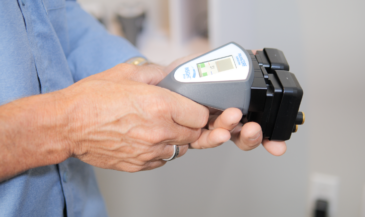
INSiGHT scanning technology helps doctors of chiropractic bring objective exam information into the patient experience. It does not replace clinical judgment. It does not generate care plans. It does not tell the chiropractor what to do.
It provides scan data and patient-friendly reports that support your interpretation, recommendations, and care plan.
That distinction matters.
The chiropractor remains the doctor. The technology supports the conversation.
INSiGHT neuroTECH and Synapse software help transform complex neurological information into scan views patients can understand. This is where the retention value comes from. When patients see what their nervous system is showing, the value of care becomes more visible.
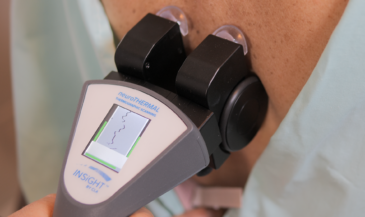
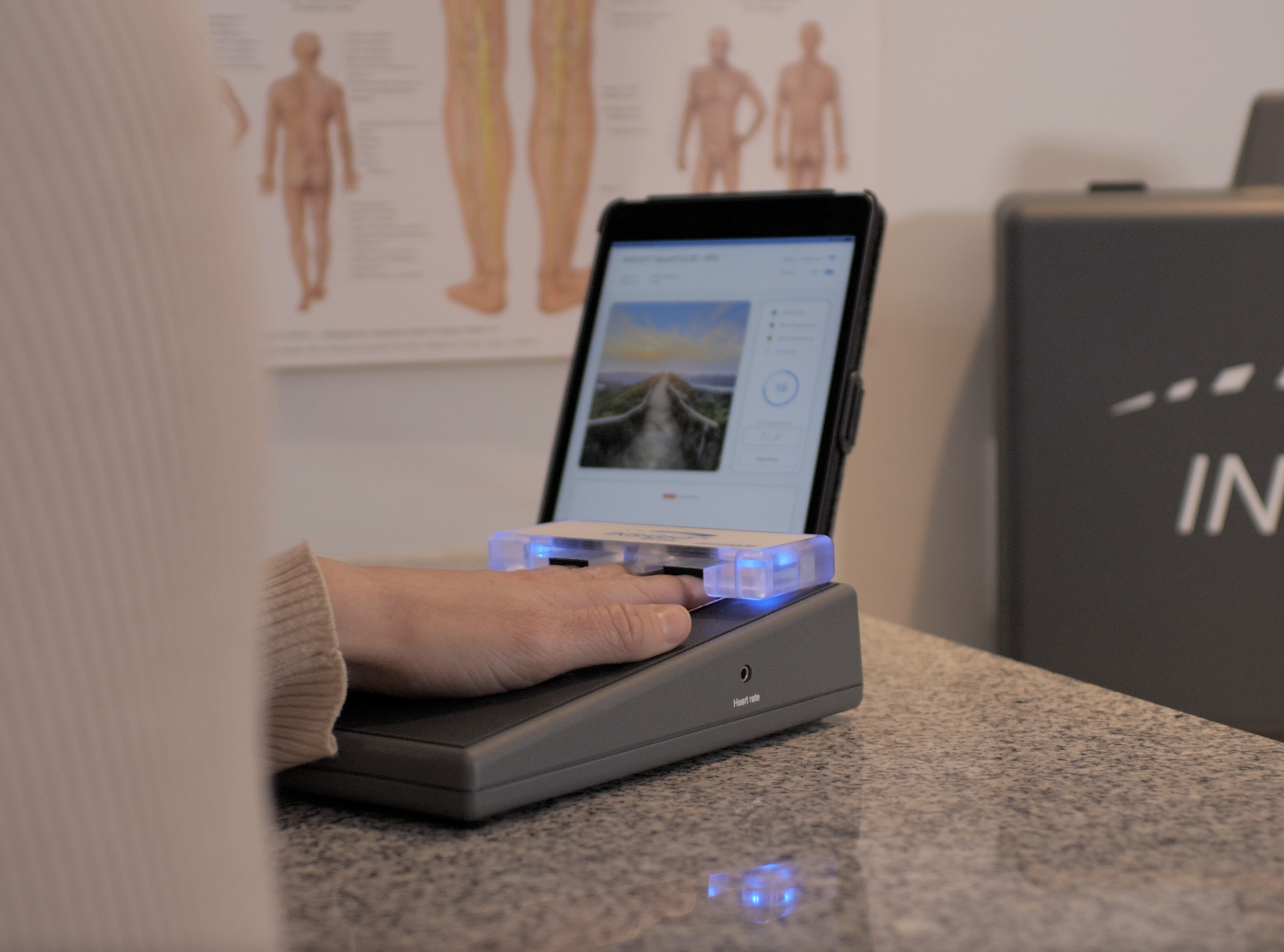
The INSiGHT approach includes three core technologies: neuroCORE, neuroTHERMAL, and neuroPULSE.
neuroCORE
neuroCORE analyzes surface EMG patterns. In practical terms, it helps evaluate neuromuscular activity, postural tension, energy expenditure, and symmetry along the spinal region.
For patient retention, this is helpful because many patients do not realize how much energy their body may be using just to hold itself upright and adapt to daily demand. A neuroCORE scan gives you a visual way to explain neuromuscular patterns without turning the conversation into a lecture.
neuroTHERMAL
neuroTHERMAL analyzes temperature regulation patterns along the spine. It helps show regional autonomic patterns associated with nervous system performance.
This can be especially helpful because patients often think chiropractic care is only about joints, spinal motion, or symptoms. Thermal scan views help expand the conversation. They remind the patient that the nervous system regulates far more than they may realize.
neuroPULSE
neuroPULSE analyzes Heart Rate Variability. It helps evaluate autonomic balance, activity, adaptability, and resilience.
A patient may walk in saying, “I feel okay.” But neuroPULSE gives you a way to discuss whether their autonomic nervous system is showing strong reserve, balance, and adaptability. That is a powerful conversation for long-term chiropractic care because it moves the patient away from short-term symptom thinking and toward nervous system performance.
Synapse Software and CORESCORE
Synapse software brings the data together in a way that supports reporting, comparison, and communication. Instead of having isolated scan views that sit in the background, Synapse helps make the scan story easier to explain during the first report, progress visits, and re-exams.
CORESCORE gives patients a simple way to understand nervous system performance over time. It functions like a neurological report card, giving the patient one clear score while still allowing the chiropractor to interpret the deeper scan views behind it.
That can be helpful for retention because patients can follow progress without needing to understand every technical detail. They can see the bigger picture. They can recognize that their care is not random. They can watch change unfold.
For pediatric and family-focused practices, this kind of visual reporting can be especially valuable. Parents do not always need a long explanation of every neurological pathway. They need to understand what the scan is showing, what it may mean for their child’s nervous system performance, and why consistent care matters.
That is where neurological scanning can help parents connect the dots.
The same is true for wellness care, family care, performance-focused care, and long-term patient care. INSiGHT scanning technology gives care providers a way to keep the conversation clear across multiple ages, goals, and care journeys.
That clarity supports a successful chiropractic practice.
How Chiropractors Can Use Scans to Improve Patient Retention Without Turning Care Into a Sales Conversation
Do chiropractic scans help with patient retention when they are used ethically and consistently? Yes. But scans should never be used to pressure patients.
They should be used to educate patients.
That distinction is important. The purpose of neurological scanning is not to scare a patient into more visits. The purpose is to help patients understand their nervous system status, the reason behind the care plan, and the progress they are making under chiropractic care.
When scans are used with integrity, they improve patient retention because they make the conversation clearer. They help patients make better sense of the recommendations you are already making.
The first step is to make scanning part of the new patient process. A baseline scan gives you a clear starting point. It also shows the patient that your chiropractic practice is evaluating more than symptoms. From the very beginning, they see that your focus is nervous system performance.
A simple explanation works best:
“This gives us a baseline of how your nervous system is adapting, so we can compare it as your care progresses.”
That is enough.
You do not need to overwhelm the patient with every technical detail on day one. In fact, too much information can work against you. The scan should simplify the patient experience, not complicate it.
The second step is to use scan findings in your first major care conversation. This is where the scan becomes a bridge between your exam findings and your recommendations. If a patient came in with back pain, you can explain that the goal is not just comfort. The goal is better spinal and nervous system performance. If a patient came in with neck pain, you can connect cervical patterns to the larger neurological picture. If a parent brings in a child, you can explain pediatric scan findings in simple language that helps them understand the value of consistent care.
The key is to connect scan findings to the patient’s goals.
Do not make the explanation a data dump. Make it a conversation.
The third step is to build scan reviews into each phase of care. When the patient knows scans and progress checks are part of the process, they expect progress to be evaluated. They understand that care is structured, monitored, and explained.
That alone can improve patient retention.
The fourth step is to train the entire team around one clear message. Retention is shaped by the whole practice environment. The CA, scan tech, chiropractor, and other care providers should all understand the same core narrative:
- Chiropractic care: Supports nervous system performance.
- Symptoms: Tell part of the story, but not the whole story.
- Scanning: Helps track progress in a clear, visual way.
- Progress checks: Help explain the next step in care.
- Understanding: Helps keep patients engaged longer.
That consistency matters.
If the doctor explains nervous system performance, but the front desk only talks about appointments, the message weakens. If the scan tech collects data but cannot explain the purpose simply, the opportunity is missed. Every touchpoint should reinforce clarity.
The fifth step is to let understanding support referral naturally. Patients are more likely to refer when they can explain their own care. A patient may struggle to describe a spinal adjustment, cervical pattern, or neuromuscular response. But they can say, “My chiropractor showed me how my nervous system was functioning, and we tracked how it changed.”
That is a story worth sharing.
This is why retention and referral often go hand in hand. When chiropractic patients understand their care, stay engaged, and see progress, they become more confident talking about it with friends, family, and coworkers.
That does not mean every patient becomes a referral source. But it does mean that clear communication gives them language they did not have before.
And that is good for patient care, patient retention, and the long-term growth of the practice.
Patients Stay When They Can See the Why Behind Their Care
So, do chiropractic scans help with patient retention?
Yes, they can, especially when they are used as part of a clear examination, reporting, progress review, and communication process.
Chiropractic scans help patients see beyond symptoms. They help a new patient understand that the goal of care is not simply to feel better for a few days. The goal is to support better nervous system performance, better adaptability, and a clearer understanding of what their body is showing over time.
That shift changes everything.
When patients only measure progress by symptoms, they often leave when symptoms improve. When patients can see scan views, compare progress, and understand what the next step means, they have a better reason to stay engaged.
That is how scans help improve patient retention.
They make the invisible more visible. They make care plans easier to explain. They help patients understand that chiropractic care is not just about a single visit, a single adjustment, or a single symptom. It is about the ongoing performance of the nervous system.
For doctors of chiropractic who want to build a successful chiropractic practice, that kind of clarity is no small thing. It builds trust. It strengthens communication. It improves the patient experience. It helps keep patients connected through each stage of care.
At the end of the day, patient retention is not about chasing patients.
It is about helping patients see what you see.
And that is exactly where INSiGHT scanning technology can make such a difference. When patients can see their nervous system status, understand their progress, and track meaningful change over time, they stop thinking only about the next appointment. They start valuing the full journey of chiropractic care.