
Nervous system resilience is the body’s ability to sense a stressor, respond appropriately, recover, and find its way back to a calmer baseline. When that ability is strong, the patient can handle life’s demands with more flexibility. When it is reduced, they may look fine on the outside, but their system may be running hot, guarded, depleted, or stuck in a protective pattern.
That is where chiropractic has a powerful story to tell. Nervous system resilience is not just something patients feel. It is something chiropractors can help assess, explain, and track through objective neurological scanning. When patients see their nervous system status in living color, the conversation changes from “How do I feel today?” to “How well is my body adapting?”
What Nervous System Resilience Really Means in Chiropractic
Nervous system resilience is the ability of the nervous system to adapt, recover, and reorganize after neurological distress spontaneously. It is not the absence of symptoms. It is not the absence of pressure. It is the capacity to meet a challenge, respond to stress, and return to a sense of balance without staying trapped in survival physiology.
This distinction matters in chiropractic. Patients often judge progress in simple categories: “I feel better,” “I feel worse,” or “I feel the same.” But you and I both know symptoms do not tell the full story. A patient can feel better and still show signs of reduced adaptability, postural tension, low reserve, or poor nervous system regulation.
A resilient nervous system is flexible. It can rise when life demands energy, focus, and protection. It can settle when the challenge has passed. It can move between activation and recovery without getting stuck in one gear. That flexibility is what allows the brain and body to communicate with more clarity.
In chiropractic, that brings us right back to structure and function. The spinal region is not just a frame. It houses and protects the spinal cord, supports movement, and helps organize communication through the neural pathways that coordinate the body. When neurological interference is present, the system may have a harder time coordinating signals efficiently.
Resilience Is Adaptability, Not Just Calm
A calm patient is not always a resilient patient. Some patients look quiet, tired, and low-energy, but their system may be exhausted rather than regulated. Others look driven and productive, but underneath they may be burning through reserve just to keep going.
Nervous system resilience is not about keeping the body quiet. It is about adaptability. A resilient nervous system can handle stimulation, recover from acute stress, and move toward returning to baseline without spending every bit of its available energy.
Why Symptoms Do Not Tell the Whole Story
Symptoms are important, but they are often the part of the iceberg patients can feel. Underneath, there may be patterns of nerve tension, inefficient energy use, autonomic imbalance, and compensation that have been building for years.
This is where objective neurological scanning changes the conversation. When you can show patients their nervous system status, you move beyond “How do you feel?” and begin asking a better question: “How well is your nervous system performing?”
How the Autonomic Nervous System Shapes Stress Resilience
The autonomic nervous system plays a major role in stress resilience because it helps regulate the functions patients rarely think about until they are struggling: heart rate, breathing, digestion, temperature regulation, recovery, and energy conservation. It works all day long, whether the patient is aware of it or not.
The sympathetic nervous system helps drive the fight-or-flight response. It prepares the body for alertness, protection, and action. The parasympathetic nervous system supports recovery, repair, and rest-and-digest function. Both branches are necessary. The goal is not to shut one down and worship the other. The goal is appropriate regulation.
A healthy nervous system can shift between these branches without getting trapped. That shift is what allows a patient to respond to stress, recover after effort, digest food, sleep deeply, support mood regulation, and conserve energy. When that rhythm is lost, patients may not describe it in neurological terms, but they feel it.
They may say they are tired but wired. They may say they cannot settle. They may say they are doing all the right things, but their body will not cooperate. That is often when the chiropractic conversation can become much deeper.
The Sympathetic System Is the Gas Pedal
The sympathetic system helps the body respond to a stressor. In the right moment, it is a brilliant design. It increases alertness, mobilizes energy, and prepares the body to act. That is useful when the body faces mild stress or a short-term challenge.
The issue begins when the stress response does not turn down. Chronic stress, poor sleep, physical strain, emotional demand, and psychological stress can keep the body on high alert. Over time, cortisol and other stress hormones may remain elevated longer than they should, and the body can begin spending too much energy simply staying ready.
The Parasympathetic System Is the Brake
The parasympathetic system helps the body recover. It is associated with repair, digestion, rest, and restoration. The vagus nerve is an important part of this conversation because of its relationship to parasympathetic activity, recovery, and regulation.
Patients are hearing a lot about activating the parasympathetic response these days. They may come across breathing exercises, progressive muscle relaxation, somatic experiencing, cold water on your face, and other self-regulation tools online. Some of these habits may help restore balance, but they do not replace the need to understand what the nervous system is actually doing.
Resilience Requires Both Activation and Recovery
A resilient system does not avoid all pressure. It handles pressure, learns from it, and recovers. That is why Heart Rate Variability has become such an important metric in the nervous system resilience conversation. HRV gives insight into how adaptable the autonomic nervous patterns may be.
Instead of telling a patient, “You need to manage stress,” you can show them how their system is responding. That gives the patient a clearer view of their response to stress and helps them understand why chiropractic care is about much more than short-term symptom relief.
Learn more about INSiGHT scanning?
Fill this out and we’ll get in touch!
"*" indicates required fields
What Happens When the Nervous System Loses Its Resilience
When the body loses nervous system resilience, it usually does not happen all at once. It builds layer by layer. A little less sleep. A little more pressure. A little more physical load. A little more emotional strain. A little more screen time, poor recovery, or early exposure to antibiotics and other environmental toxins. Eventually, the system has less room to adapt.
This is where nervous system dysregulation can begin to show up. A dysregulated nervous system is not a broken system. It is a system that may be stuck in a protective pattern. The body is trying to keep the patient safe, but it may be doing so in a way that is no longer efficient.
Patients may describe dysregulation in all kinds of ways. Some say they feel overwhelmed. Some say they cannot sleep. Some say their digestion is off. Others describe stress and anxiety, burnout, fatigue, muscle tension, or difficulty with emotional regulation.
Some patients may even talk about symptoms of depression or mental health issues. Those situations deserve appropriate care, appropriate language, and appropriate referral relationships when needed. From a chiropractic perspective, the key is not to diagnose outside your scope. The key is to recognize when the system may be struggling to regulate, adapt, and recover.
Dysregulation Is Often a Pattern, Not a Single Event
Many patients think one event caused everything. Sometimes there is a clear starting point, but often the body is responding to cumulative stress. The patient’s levels of stress may have been rising for months or years before they noticed the signs.
Common symptoms of dysregulation may include:
- Poor sleep: Waking unrefreshed or struggling to settle at night
- Low reserve: Feeling tired, depleted, or easily overwhelmed
- Digestive changes: Noticing that the body has trouble shifting into recovery
- Brain fog: Difficulty concentrating, focusing, or thinking clearly
- Postural tension: Carrying neurological distress through the spinal region
- Narrowed tolerance: Feeling like small challenges are suddenly too much
The Window of Tolerance Gives Patients a Simple Visual
The window of tolerance is a helpful way to explain nervous system resilience. When the window is wide, the patient can handle more adversity without tipping into overwhelm or shutdown. When the window is narrow, even small challenges can feel like too much.
That does not mean the patient is weak. It means the system may not have enough adaptive reserve. A resilient nervous system has more room to respond. A depleted system has less room before it reacts.
Why Chiropractors Should Be Careful With Symptom-Only Conversations
Patients are trained by most of healthcare to think reactively. Wait until something feels wrong. Search for treatment options. Try to quiet the symptom. Stop once the symptom settles down.
Chiropractic has always had a broader promise than that. When you focus on nervous system function, the conversation shifts from short-term relief to long-term adaptability. You help patients understand that neurological interference may affect how the body organizes input, spends energy, and restores a sense of balance.
How INSiGHT Scanning Technology Makes Resilience Visible
Nervous system resilience can sound abstract until patients see it. You can explain stress resilience beautifully, but when patients see their own scan views, the conversation changes. They are no longer trying to imagine what you mean. They are looking at their own nervous system performance in living color.
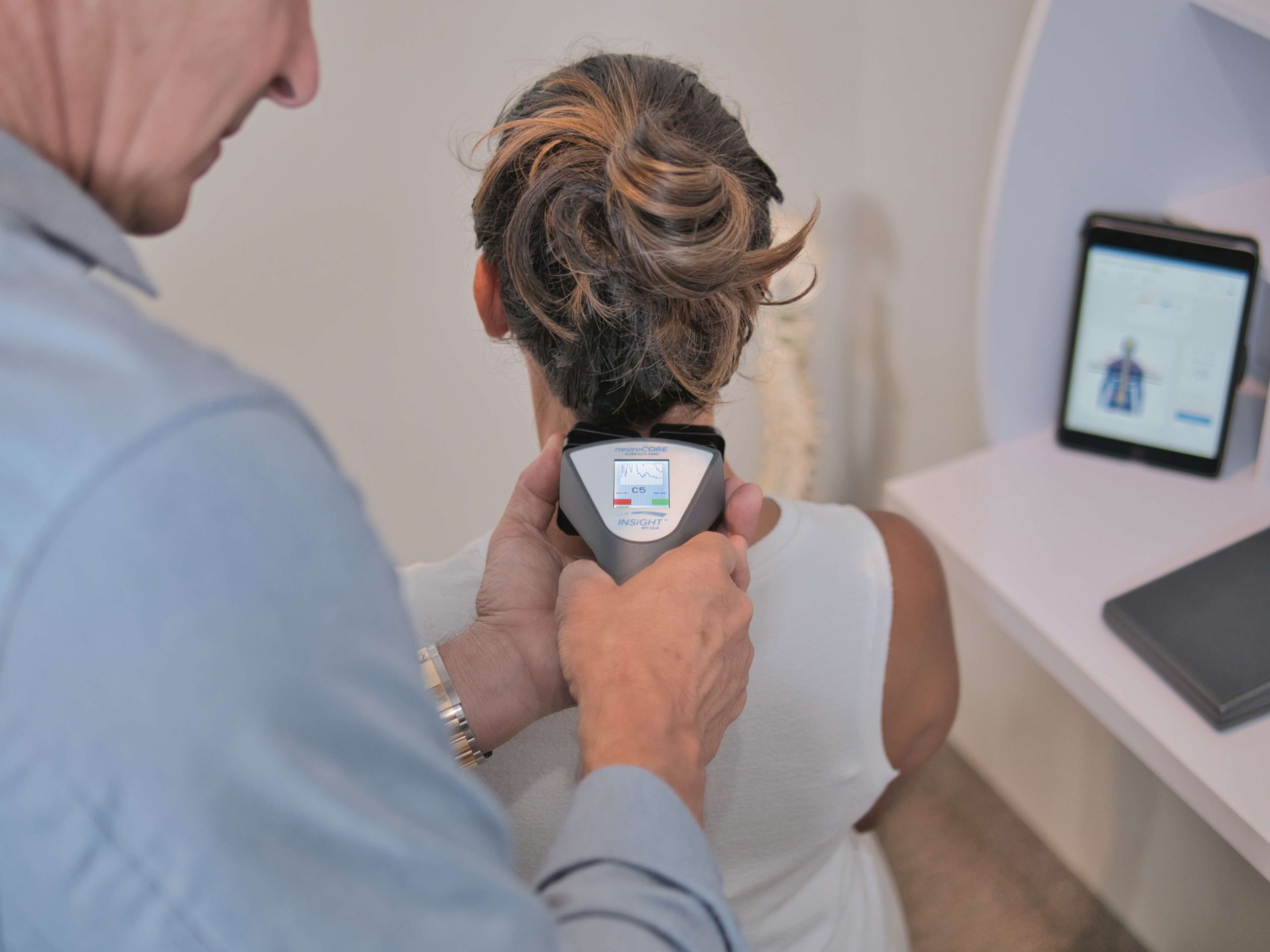
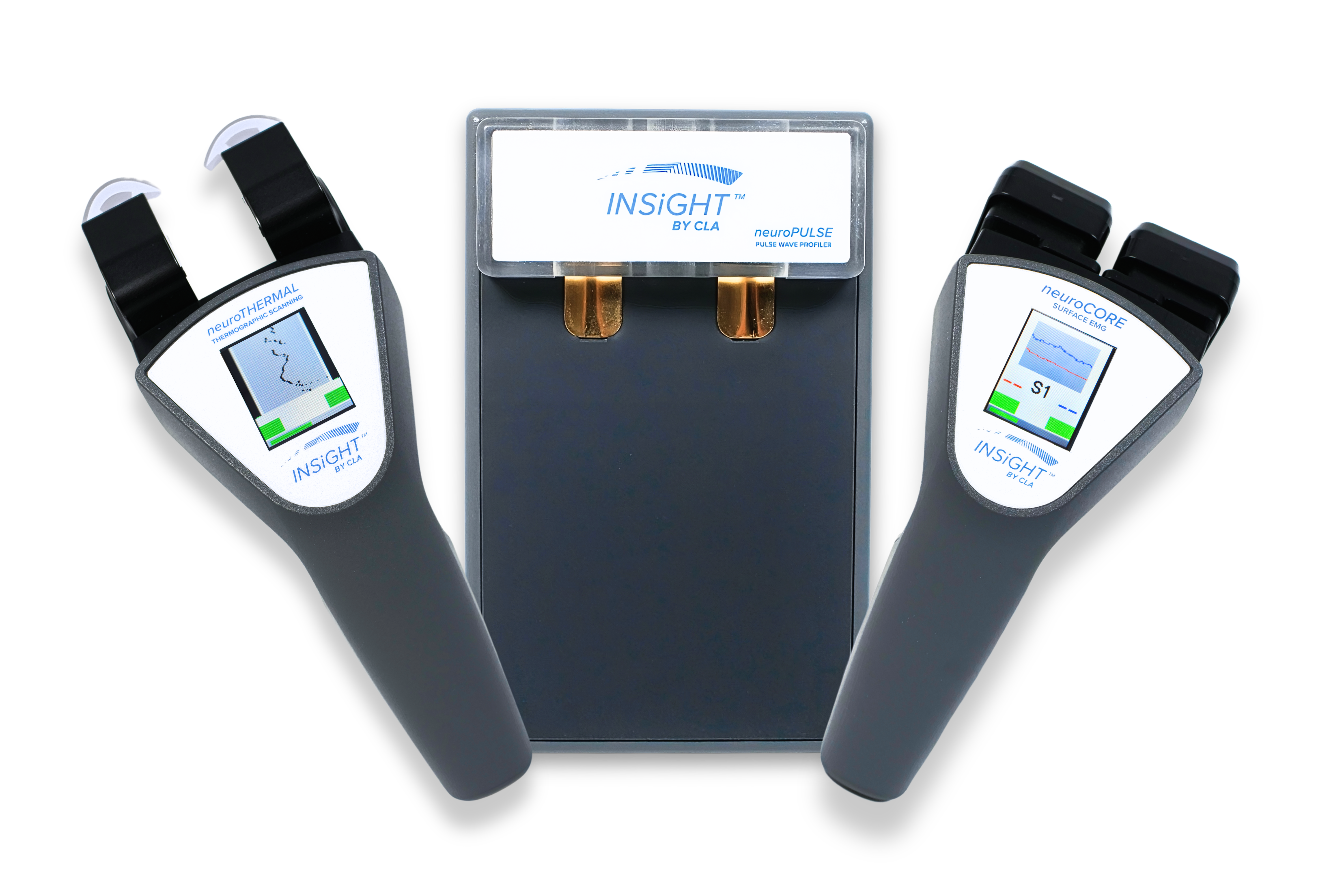
That is the power of INSiGHT scanning technology. It helps shift the conversation from symptoms to function, from guesswork to objective analysis, and from short-term reactions to a clearer care plan conversation. INSiGHT neuroTECH and Synapse software give chiropractors the ability to analyze patterns in autonomic function, spinal motor activity, and overall nervous system status.
The purpose is not to diagnose disease. The purpose is to analyze and communicate nervous system performance. When you can show patients where their system is under strain, how well they are adapting, and how those patterns fluctuate over time, you give them a better reason to value care.
This is where INSiGHT scanning technology fits beautifully into the modern chiropractic exam. It turns complex neurology into simple, visual, patient-friendly information that supports better understanding and stronger commitment.
neuroPULSE and the Nervous System Resilience Conversation
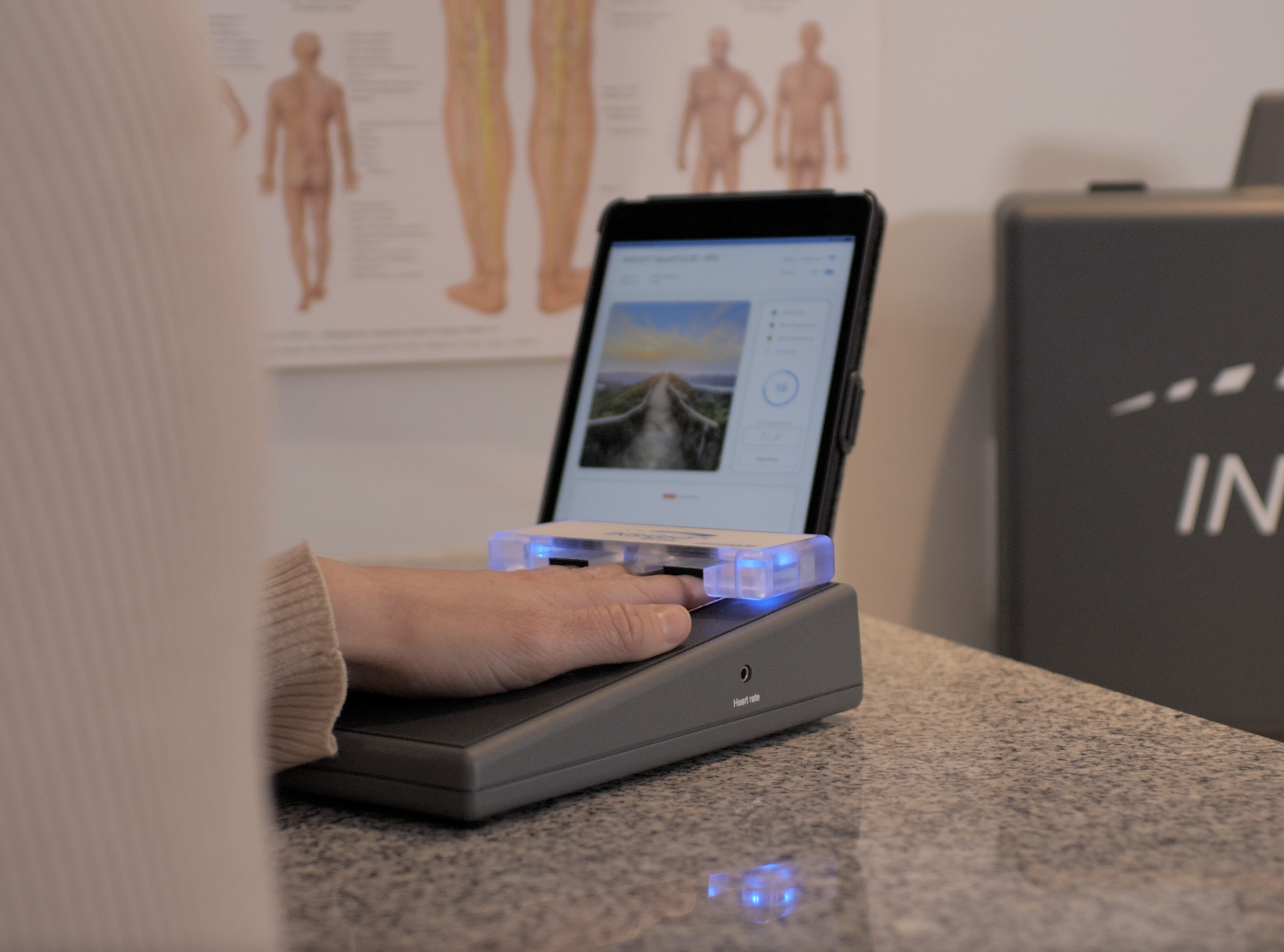
The neuroPULSE measures Heart Rate Variability, which is one of the clearest ways to talk about autonomic performance. HRV helps assess adaptive reserve, autonomic balance, and how well the system may be recovering after neurological distress.
For a patient, you might explain it this way: “We are looking at how flexible your system is. Can it shift gears, recover, and regulate, or is it stuck working too hard?”
That is a clean, patient-friendly way to explain nervous system resilience. It connects HRV to real life without burying the patient in technical language. It also gives you a stronger way to talk about the vagus nerve, parasympathetic recovery, sympathetic overdrive, and the patient’s ability to bounce back.
neuroCORE and the Energy Cost of Compensation
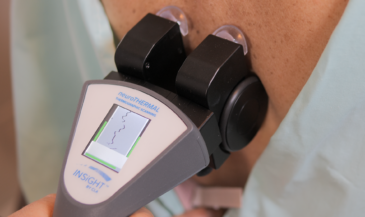
The neuroCORE measures electrical activity in the paraspinal muscles. This gives you insight into the spinal motor system, postural tension, symmetry, and energy use.
This matters because nervous system resilience is not only autonomic. It is also somatic. The body may be spending a remarkable amount of energy just trying to hold itself upright, stabilize, and compensate around areas of neurological interference.
Patients understand this when you make it simple. You can say, “Your body may be using too much energy to do basic things. That can affect how much reserve you have left for recovery, focus, and daily life.”
neuroTHERMAL and Autonomic Patterns Along the Spine
The neuroTHERMAL analyzes paraspinal temperature patterns, helping chiropractors assess autonomic patterns along the spinal region. Since autonomic regulation affects blood flow and temperature control, thermal analysis gives another window into how the body is organizing itself.
With neuroTHERMAL, you can help patients visualize where deeper neurological distress may be showing up. You are not making a diagnosis from a color pattern. You are using objective analysis to support a more complete understanding of nervous system status.
CORESCORE Helps Patients Understand Progress
The CORESCORE brings neuroPULSE, neuroCORE, and neuroTHERMAL together into one patient-friendly neurological efficiency score. That matters because patients need simple ways to understand complex information.
The INSiGHT software, powered by Synapse, helps organize scan views, comparisons, reports, and progress tracking. That supports a simple scan rhythm: baseline, response, and trajectory. The first scan helps establish where the patient is starting. The next scans help show how the system is responding. Over time, the trajectory helps the patient understand whether their nervous system reset is moving toward stronger resilience.

Helping Patients Build Resilience Starts With What You Can Measure
Patients are already searching for ways to build resilience. They are reading about breathwork, meditation, human connection, co-regulation, somatic practices, sleep routines, nutrition, and regulating your nervous system through daily habits. Many of those habits can support the mind and body, and there is nothing wrong with patients learning simple tools that support recovery.
But chiropractic brings something different to the table. You are not only giving patients calming strategies. You are helping them understand the structure and function relationship that shapes nervous system performance. You are assessing how the body is adapting, where neurological interference may be present, and whether the system is moving toward a more regulated nervous system over time.
That is a much bigger conversation than “try to relax.” Some patients are doing everything they can to calm down, but their system still feels stuck. They may need objective analysis, a clear care plan, and consistent adjustments that support better communication through the spinal region and nerve system.
This is where Neurologically-Focused Chiropractic Care has a powerful role across the lifespan. Infants, children, athletes, parents, professionals, and older adults all depend on the same basic principle: the system must be able to adapt. When adaptability improves, nervous system resilience has a chance to grow.
And when patients can see that story through INSiGHT scanning technology, they stop thinking of chiropractic as something they only need when symptoms flare. They begin to understand chiropractic as a vitalistic, drug-free path for supporting nervous system resilience, performance, and long-term adaptability.
Nervous system resilience is not a slogan. It is a measurable story of adaptation, recovery, and performance. And that is a story the chiropractic profession is uniquely positioned to tell.