

Here’s what most people miss: how to regulate your nervous system is not just a question about calming down. It is a question about adaptability. A well-regulated nervous system can activate when needed, recover when the stressor has passed, and come back into balance without getting trapped in fight or flight.
For chiropractors, this is where the conversation gets exciting. Nervous system regulation is not simply a wellness trend. It is directly tied to tone, tension, adaptability, spinal region function, and how well the body coordinates internal and external stimuli. When we understand how to regulate your nervous system through a chiropractic lens, we stop guessing and start looking at function.
What Nervous System Regulation Really Means
Nervous system regulation is the body’s ability to sense what is happening, respond appropriately, and recover efficiently. It does not mean a person is calm all the time. That would not even be useful. The nervous system is designed to respond. It should speed up when action is needed and slow down when recovery is appropriate.
A dysregulated nervous system may struggle with that shift. Some patients feel wired and restless. Others feel tired, numb, foggy, or disconnected. Some move quickly into moments of overwhelm and have trouble finding their way back to a sense of calm. Others describe physical sensations such as postural tension, shallow breathing, digestive changes, poor sleep, or a racing heart.
This is why the phrase how to regulate your nervous system needs more depth than most articles give it. Regulation is not only about a quick coping skill. It is about the body’s ability to self-regulate across daily life, relationships, work, sleep, movement, and recovery.
For Neurologically-Focused Chiropractors, regulating the nervous system is closely connected to adaptability and resilience. A resilient system can respond to challenge without staying stuck there. A system under neurological distress may keep reacting long after the actual demand has passed.
That matters because many people try to regulate your nervous system with tools that calm the surface, while the underlying patterns remain unaddressed. The chiropractic opportunity is to look deeper. Why is the body struggling to adapt? Where is tension showing up? Is the nervous system burning energy just to hold posture? Is it recovering well after stress?
The Chiropractic View of the Stress Response
To understand how to regulate your nervous system, we need to understand the autonomic nervous system. This part of the nervous system coordinates functions that happen without conscious effort, including heart rate, breathing, digestion, blood flow, temperature regulation, and recovery.
The sympathetic nervous system helps activate the body for protection and action. When the brain senses a possible threat, it can trigger the fight-or-flight response. Cortisol and adrenaline rise. Heart rate shifts. Breathing changes. Muscles prepare. Focus narrows. The body gets ready to respond.
That response to stress is not wrong. It is protective. The problem begins when the body stays in sympathetic overdrive and does not easily return to recovery. That is when a patient may notice symptoms of stress such as poor sleep, digestive changes, fatigue, irritability, postural tension, racing thoughts, or difficulty with relaxation.
The parasympathetic nervous system helps put the brakes on this activation. It supports digestion, recovery, repair, and the relaxation response. The vagus nerve plays an important role here, influencing heart rate, breathing, digestion, swallowing, and other calming processes. This is why many people talk about vagal tone when they talk about how to regulate your nervous system.
The parasympathetic side helps the body feel calm, recover, and restore. The goal is not to live in the parasympathetic mode every moment of the day. The goal is flexibility. The body should be able to activate, respond, recover, and reorganize.
Chiropractors should be careful and clear when talking about mental health. Patients dealing with medical or mental health conditions should receive the appropriate medical or mental health care. Chiropractic care does not replace that. What chiropractic can do is add an objective, nervous-system-centered conversation about physical health, adaptability, tone, tension, and regulation.
Learn more about INSiGHT scanning?
Fill this out and we’ll get in touch!
"*" indicates required fields
Common Nervous System Regulation Techniques Patients Are Already Hearing About
Patients searching for how to regulate your nervous system are often already trying nervous system regulation techniques at home. They may be using deep breathing, mindfulness, grounding, movement, cold exposure, or progressive muscle relaxation. Many of these tools can be helpful, especially when practiced techniques regularly.
The key is to place these tools in the right context. They may help regulate a moment of activation. They may reduce stress or bring a sense of calm. But they do not analyze nervous system status. They do not show whether the body is adapting better over time. They are techniques to help, not a complete neurological assessment.
Still, chiropractors should understand these tools because they are part of the conversation patients are already having. When we know what patients are hearing, we can validate what is useful and then guide them toward a deeper understanding of function.
Breathing Exercises and Breathwork
Deep breathing is one of the simplest ways to influence nervous system activation. A practical example is to inhale through the nose for three to four seconds, then exhale slowly for six to eight seconds. A longer exhale can help activate the parasympathetic nervous system and support the body’s natural relaxation response.
Breathwork may include long-exhale breathing, box breathing, slow nasal breathing, or the physiological sigh. These breathing exercises can activate the relaxation response and support helping to calm the body when it is feeling overwhelmed.
From a chiropractic perspective, breathing is not just a mental strategy. It involves posture, rib motion, spinal region movement, and neurological coordination. A patient may use breath to calm the nervous system in the moment, while the chiropractor evaluates why the body is repeatedly moving into high alert.
Grounding and Sensory Orientation
Grounding gives the brain present-time input. One simple practice is to place both feet on the floor, wiggle the toes, and notice the contact points between the body and the chair. Another option is to bring your awareness to what you can see, hear, smell, taste, and feel.
Grounding exercises can interrupt a negative thought loop by shifting attention toward sensation and the environment. This can be useful during moments of overwhelm because it brings the body out of an emotional spiral and back into present-time awareness.
For chiropractors, grounding can be described as one of many regulation techniques that supports the patient in the moment. The deeper clinical question is why the patient’s system keeps moving outside their window of tolerance and what can be done to support better adaptability.
Progressive Muscle Relaxation and Body Scan Practices
Progressive muscle relaxation involves tensing and then relaxing one muscle group at a time. The patient may start with the hands, shoulders, legs, or face, then continue relaxing different muscle groups throughout the body. This can help release physical tension and improve awareness of where the body is holding effort.
A body scan works in a similar way. The patient slowly notices physical sensations throughout the body without forcing a change. This type of mindfulness helps reconnect the person to sensation, breath, and body awareness.
For chiropractors, these nervous system regulation exercises connect naturally to postural tension and motor system patterns. Patients may feel tightness or guarding, while chiropractic assessment can help reveal where the body is spending excess energy.
Lifestyle Habits That Support Regulation
Sleep, hydration, steady routines, supportive relationships, time outside, and regular movement all influence nervous system regulation. The body reorganizes during rest. Hydration supports normal physiology. Calm connection with supportive people can promote co-regulation and help bring a sense of calm.
This is where the conversation around how to regulate your nervous system becomes practical and grounded. Patients do not need complicated advice first. They need clear, consistent habits that support the body’s ability to recover.
At the same time, lifestyle habits are not the whole story. A patient can be doing many things right and still show signs of dysregulation. That is why chiropractors should connect daily practices with objective analysis, rather than relying on symptoms alone.
Where Chiropractic Fits Into Regulating the Nervous System
Chiropractic care is often misunderstood as something people only seek when they have back or neck symptoms. That limited view misses the bigger picture. The spine matters because of its relationship to the nervous system. The vertebra protect neurological pathways that help coordinate communication between the brain and body.
From a chiropractic perspective, vertebral subluxation is not simply a structural concern. It involves altered motion, tension, neurological interference, and changes in how the body coordinates function. When those patterns remain unaddressed, the nervous system may keep guarding, compensating, and spending energy inefficiently.
That is why chiropractic belongs in the conversation about how to regulate your nervous system. A patient may use breathing, grounding, and relaxation tools at home, but the chiropractor is asking whether the body is organized well enough to adapt, recover, and perform.
Chiropractic adjustments do not force the body into calm. They are designed to address areas of interference and support better communication between the brain and body. When the body is less guarded and better coordinated, it may have more available reserve for recovery, digestion, sleep, emotional regulation, focus, and adaptation.
For chiropractors, the patient explanation can stay simple:
- Your nervous system is designed to protect you. It should respond when life demands it.
- Your body can get stuck in a protective pattern. That may leave you feeling tense, tired, overwhelmed, or unable to settle.
- Chiropractic care looks for interference. We assess where tension and altered function may be affecting performance.
- Adjustments support better organization. The goal is to help the body communicate, adapt, and recover more efficiently.
- Progress should be tracked. We do not want to guess when it comes to nervous system performance.
This is also why symptom-only care is limited. A patient may feel better before the nervous system has fully reorganized. Another patient may still feel challenged while objective findings begin showing improved adaptability. If the chiropractor only asks, “How do you feel today?” the bigger neurological story may be missed.
How INSiGHT Scanning Technology Helps Chiropractors Analyze Nervous System Regulation
This is where INSiGHT scanning technology becomes a powerful part of the conversation. INSiGHT scans do not directly regulate your nervous system. They analyze nervous system patterns so the chiropractor can understand nervous system status, interpret findings, and make informed recommendations.
That distinction matters. The scan is not the adjustment. The scan is the objective analysis that helps make the invisible visible. When patients see their nervous system in living color, where tension is building, how well they are adapting, and how their body fluctuates over time, the conversation becomes clearer.
For years, chiropractors have known that chiropractic is about more than symptoms. But patients often need to see that. INSiGHT neuroTECH and Synapse software help turn complex neurology into something visual, understandable, and useful inside the exam and report process.
neuroPULSE and Heart Rate Variability
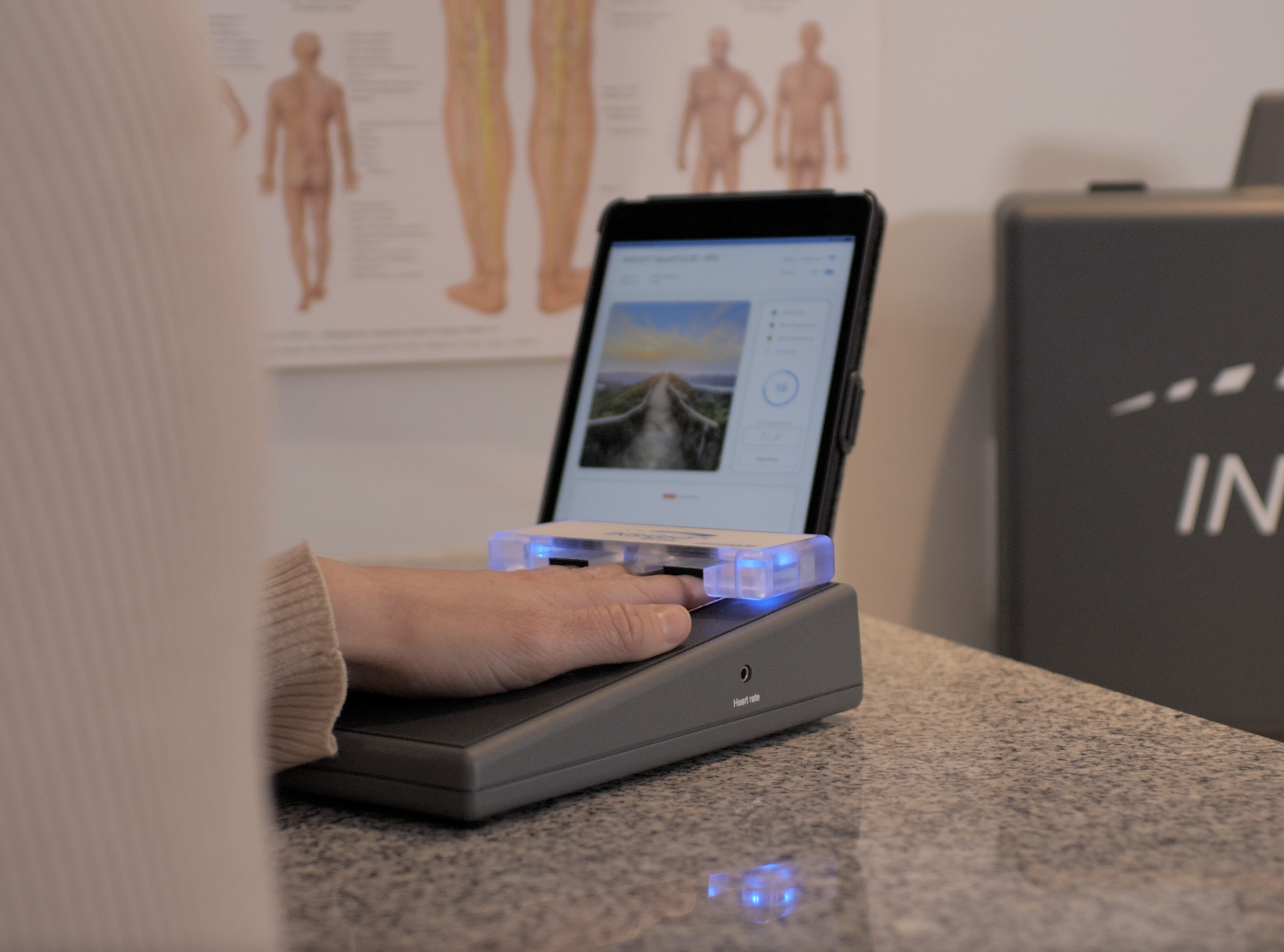
The neuroPULSE analyzes Heart Rate Variability, often called HRV. HRV gives insight into autonomic balance, activity, adaptability, and reserve. In plain language, it helps the chiropractor understand how well the body is responding to demand and recovering afterward.
This is where the conversation around how to regulate your nervous system becomes measurable. A patient may feel exhausted, wired, or stuck in high alert, but neuroPULSE helps provide objective data to support a better conversation about resilience, recovery, and nervous system performance.
Instead of saying, “You seem stressed,” the chiropractor can explain, “Here is how your body is adapting right now, and here is what we want to watch as your care plan progresses.” That is a more useful conversation for the patient and the doctor.
neuroCORE and Postural Tension
The neuroCORE uses surface electromyography, or sEMG, to analyze paraspinal muscle activity. It helps show where the body may be using excess energy to hold posture, compensate, or guard.
This matters because a nervous system that is spending too much energy on postural tension may have less reserve available for recovery and adaptation. Patients may feel tension, but they do not always understand the energy cost of that tension. neuroCORE helps make that pattern visible.
neuroTHERMAL and Autonomic Patterns
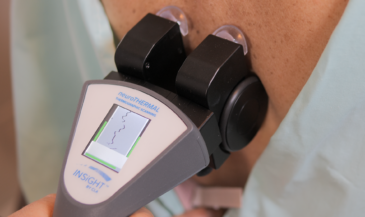
The neuroTHERMAL analyzes thermal differences along the spine. These scan views help chiropractors evaluate autonomic patterns connected to temperature regulation and dysautonomia-related neurological distress patterns. It can complete a full spine nerve system scan quickly, making it practical for exams and re-exams.
This matters because autonomic regulation influences blood flow, temperature control, organs, glands, and recovery. When thermal patterns show imbalance, the chiropractor has another layer of objective information to help understand how the body is functioning.
Synapse Software and Scan Reporting
Synapse software organizes scan data into clear reports that support communication and clinical interpretation. The chiropractor interprets those reports alongside the patient’s history, exam findings, goals, and clinical expertise.
INSiGHT scanning technology does not generate a care plan. It provides objective exam data and scan reports that support the chiropractor in designing the care plan. That keeps clinical judgment with the doctor while giving the practice a stronger foundation for communication.
For chiropractors, this is the real value. INSiGHT scanning technology helps create a baseline, track changes, support progress conversations, and shift the patient’s focus from symptoms alone to nervous system performance. Patients stop guessing. The doctor stops overexplaining. The scan helps both sides see what matters.
Regulation Is Meant to Be Measured, Not Guessed
Learning how to regulate your nervous system can begin with simple daily practices. Breathing, grounding, mindfulness, cold exposure, sleep, hydration, progressive muscle relaxation, and movement can all support the body’s ability to manage stress.
But for chiropractors, the conversation should go further. How to regulate your nervous system is not only about whether a patient can feel calm for a few minutes. It is about whether the body can activate when needed, recover when appropriate, and build adaptability over time.
That is why Neurologically-Focused Chiropractic Care belongs in this conversation. The chiropractor is not only listening to symptoms. The chiropractor is looking at tone, tension, autonomic balance, reserve, and the ability to self-regulate. That is a much more complete way to understand the patient in front of you.
When you add INSiGHT scanning technology, the conversation becomes even more powerful. You can show the patient what their nervous system is doing. You can establish a baseline. You can track changes. You can connect their lived experience to objective data. And you can help them understand why consistent care matters.
Once a patient understands the why behind their care, they stop thinking only about visits and start valuing results. That is the heart of neurologically-focused chiropractic. We help people understand their nervous system, support better regulation, and move toward a more resilient expression of life.
And that is something worth measuring.