
As these devices have become more common, one question continues to surface:
How accurate are HRV wearables?
The answer is more nuanced than many people expect.
Today’s consumer wearables are remarkably capable, and many have demonstrated good agreement with research-grade equipment under the right conditions. At the same time, every HRV measurement is influenced by factors such as movement, body position, signal quality, and testing conditions.
Understanding these strengths and limitations helps explain why wearable devices are excellent tools for monitoring wellness trends, while standardized clinical HRV assessments remain the preferred choice when objective, reproducible measurements are needed.
What Does “Accurate” Mean?
When discussing accuracy, it’s important to distinguish between two different concepts.
The first is whether a device can correctly detect the timing between heartbeats.
The second is whether that measurement can be reproduced consistently enough to make meaningful comparisons over time.
A wearable may successfully detect pulse intervals during sleep, yet produce different HRV values if the user changes position, moves during recording, exercises beforehand, or collects data at a different time of day.
That doesn’t necessarily mean the device is inaccurate.
It means HRV itself is a dynamic physiological measurement that responds continuously to changing conditions.
Learn more about INSiGHT scanning?
Fill this out and we’ll get in touch!
"*" indicates required fields
Most Modern Wearables Use Proven Technology
Many people are surprised to learn that today’s leading HRV wearables use technology that has been extensively studied for cardiovascular measurement.
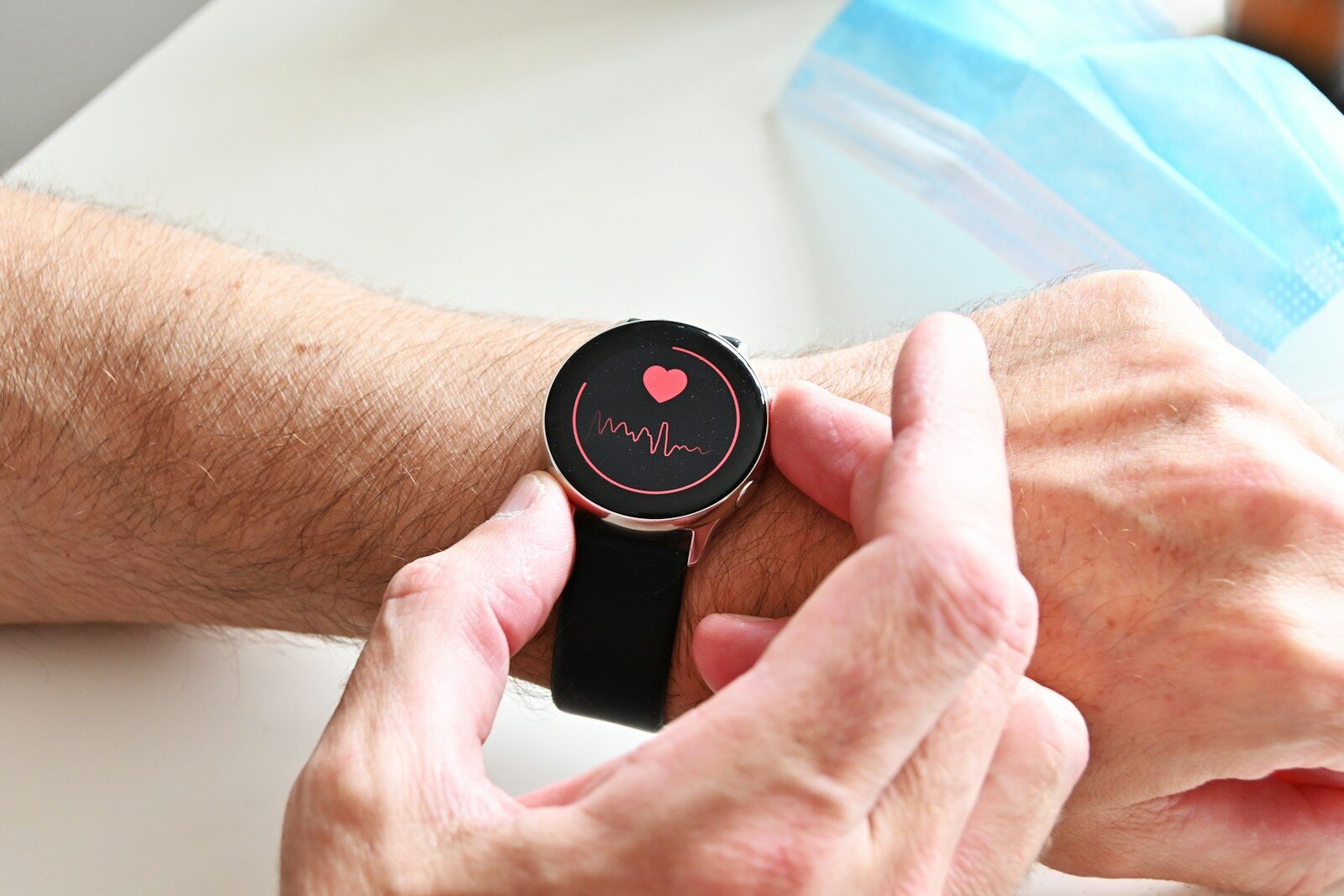
Most devices rely on photoplethysmography (PPG).
PPG works by shining light into the skin and measuring tiny changes in blood volume with each heartbeat. Sophisticated algorithms then calculate the time between pulse waves, allowing HRV metrics such as SDNN and RMSSD to be derived.
PPG has become a widely accepted method for HRV measurement and has been validated in numerous research settings.
The technology itself is not the limitation.
The challenge lies in collecting a clean, stable signal.
Signal Quality Is Everything
Imagine trying to record a conversation while standing beside a busy highway.
The microphone may be excellent, but background noise makes the recording more difficult to interpret.
PPG faces a similar challenge.
Anything that interferes with the pulse signal can affect the quality of the HRV calculation.
Common sources of interference include:
- Hand or wrist movement
- Muscle contraction
- Changing body position
- Loose sensor contact
- Cold hands or poor circulation
- Environmental vibration
- Irregular pulse signals
Modern wearables use increasingly sophisticated algorithms to recognize and compensate for these factors, and manufacturers continue improving their software every year.
Even so, no algorithm can completely eliminate every source of signal variability.
What Does the Research Show?
Research comparing wearable HRV devices with electrocardiogram (ECG) systems has generally been encouraging.
Many consumer devices demonstrate good agreement with ECG measurements when recordings are collected under ideal conditions, particularly during periods of rest or sleep when movement is minimal.
However, agreement typically decreases as movement increases or recording conditions become less controlled.
This pattern appears consistently across studies.
In other words, the underlying technology is capable of producing reliable HRV measurements, but the quality of those measurements depends heavily on the conditions under which they are collected.
Why Two Devices May Give Different HRV Numbers
Many users compare readings from two different devices and immediately assume one must be wrong.
In reality, both devices may be functioning exactly as intended.
Differences can arise because each device may:
- Sample at different times
- Use different filtering algorithms
- Calculate HRV using different recording durations
- Remove artifacts differently
- Emphasize different HRV metrics
- Collect measurements from different locations on the body
For example, an overnight HRV measurement from a ring may not be directly comparable to a morning spot measurement collected using a chest strap or smartphone application.
This is one reason experts generally recommend avoiding direct comparisons between different HRV platforms.
Instead, focus on trends within the same device over time.
Why Clinical Assessments Standardize the Process
Consumer wearables prioritize convenience.
Clinical assessments prioritize consistency.
Those are two very different design goals.
When clinicians evaluate HRV, they want confidence that changes from one examination to the next reflect meaningful physiological adaptation rather than differences in how the measurement was collected.
To accomplish this, clinical HRV assessments standardize factors such as:
- Patient posture
- Arm position
- Sensor placement
- Movement during recording
- Recording duration
- Testing environment
By reducing unnecessary sources of variation, clinicians can compare results more confidently over time.
How neuroPULSE Approaches HRV Collection
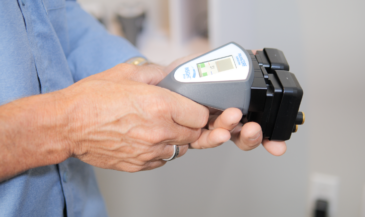
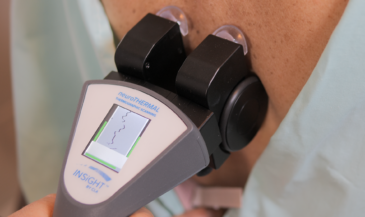
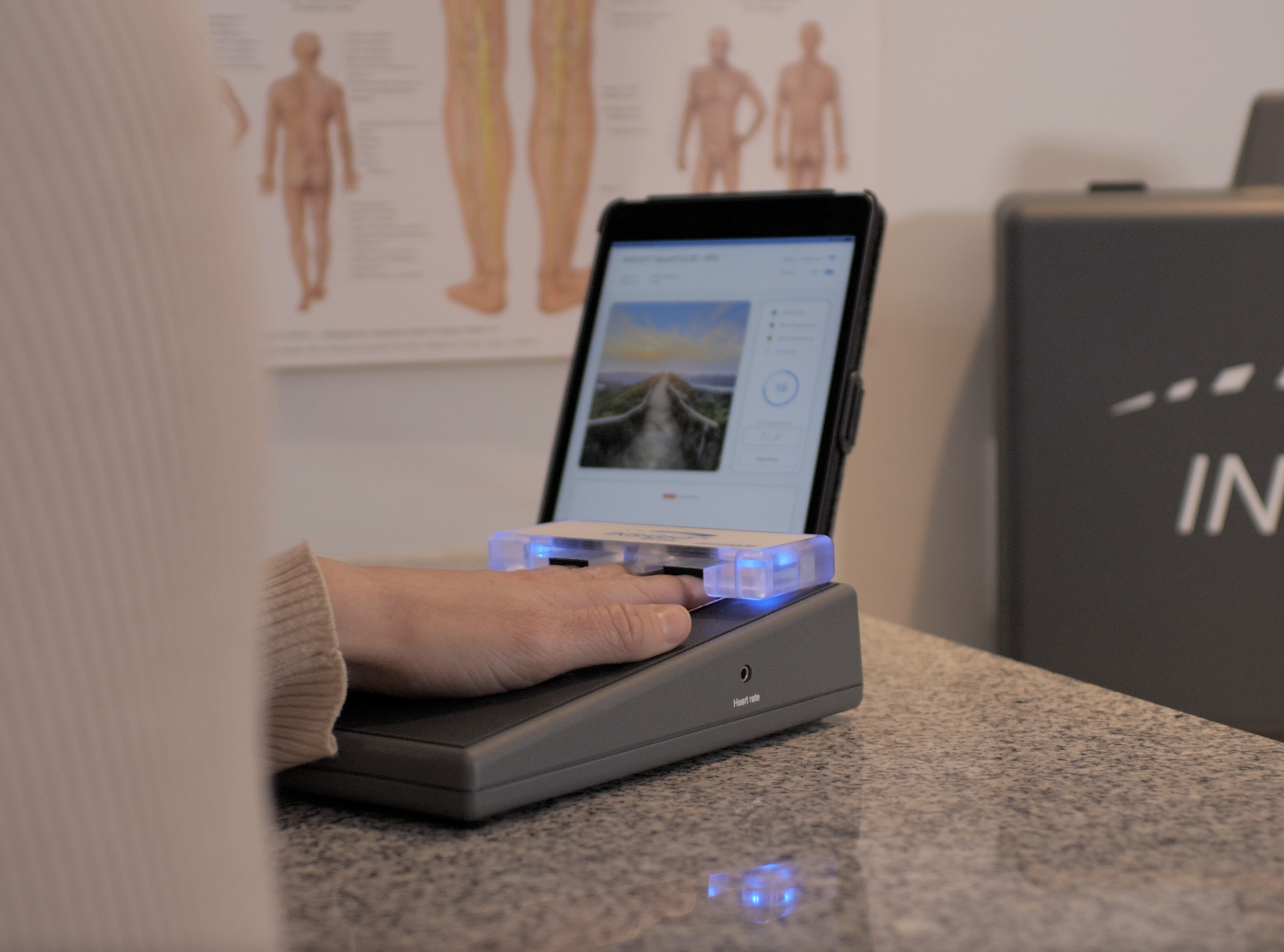
The neuroPULSE technology within the INSiGHT scanning technology also uses photoplethysmography (PPG), the same foundational technology found in many modern wearable devices.
The difference lies in the collection environment.
During a neuroPULSE assessment:
- The patient remains seated.
- The hand is supported throughout the recording.
- The arm is maintained near heart level.
- The hand is stabilized to minimize movement.
- Collection follows standardized clinical procedures.
These conditions help produce a stable pulse signal while reducing many of the variables that can influence HRV measurements during everyday activities.
The goal is not simply to obtain an HRV value, but to obtain one that can be reproduced consistently during future examinations as part of an objective clinical assessment.
Wearables Are Still Incredibly Valuable
None of this diminishes the value of consumer HRV wearables.
In fact, they have transformed how people engage with their own health.
Regular HRV monitoring can help users recognize how sleep, stress, exercise, travel, illness, hydration, nutrition, and recovery influence their nervous system over time.
For many people, that awareness leads to healthier habits and better lifestyle decisions.
Used for this purpose, wearable devices provide tremendous value.
Choosing the Right Tool for the Right Purpose
Rather than asking whether wearables are “accurate enough,” a better question is:
Accurate enough for what?
If your goal is monitoring personal recovery trends over weeks or months, today’s wearable devices perform remarkably well and offer an accessible way to build awareness of nervous system health.
If your goal is making standardized clinical comparisons between examinations, controlling the testing environment becomes much more important.
Both approaches measure Heart Rate Variability.
They simply do so with different objectives in mind. Together, they contribute to a more complete understanding of nervous system function.