
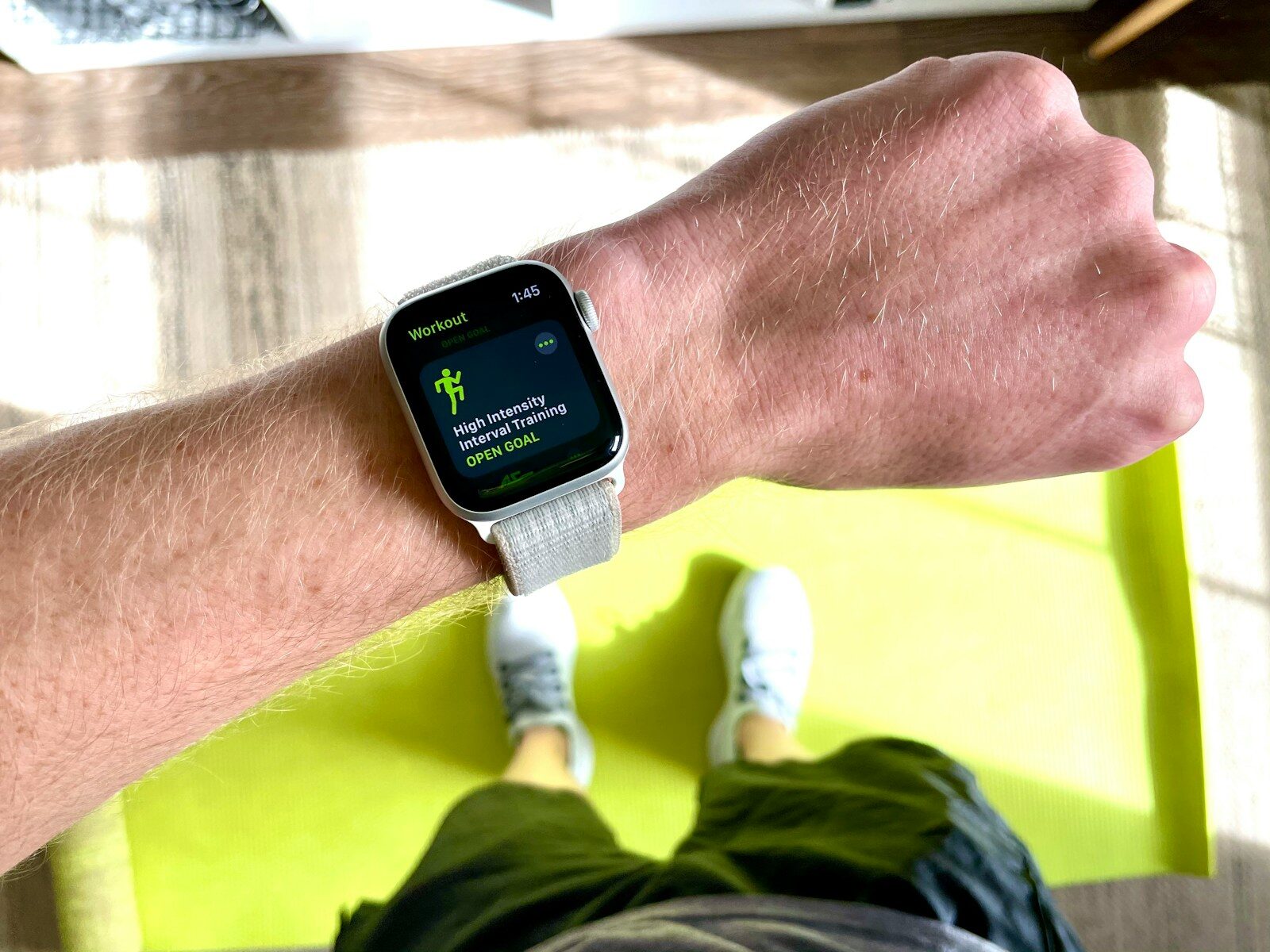
An Oura Ring might report an HRV of 62, while an Apple Watch shows 51, an Elite HRV app displays 74, and a Garmin provides a different result altogether. It is natural to wonder which number is correct, but the answer is that each device may be accurately reflecting the data it collected under its own measurement conditions.
Heart Rate Variability is not a fixed value like the length of a table. It is a dynamic physiological measurement that changes throughout the day in response to factors such as posture, breathing, activity, stress, recovery, and timing. Different devices may also collect data at different moments, use different sensors, or process the information through different algorithms.
Understanding these differences helps reduce confusion and makes it easier to interpret HRV data within the context of the device being used.
HRV Isn’t One Fixed Number
Many people assume HRV works like body weight, where stepping on a scale should produce essentially the same result each time. Heart Rate Variability behaves differently because it reflects an autonomic nervous system that is continuously adapting to changes in stress, activity, recovery, breathing, posture, and the surrounding environment.
Your HRV changes from minute to minute in response to:
- Breathing
- Stress
- Activity
- Body position
- Recovery
- Sleep
- Temperature
- Hydration
- Emotions
Because HRV is always changing, two devices collecting data at different times may naturally produce different values—even if both measurements are accurate.
Different Devices Measure HRV Differently
HRV devices do not all collect data in the same way. Some measure HRV during sleep, while others take a reading shortly after you wake up. Certain devices require a brief one-minute spot measurement, whereas others collect information periodically or continuously throughout the day. They may also differ in how they summarize the data, with some averaging several readings and others reporting a single recording.
Each approach has its own advantages, but these differences in timing, duration, and data processing can lead to noticeably different HRV values.
Learn more about INSiGHT scanning?
Fill this out and we’ll get in touch!
"*" indicates required fields
Different Devices Use Different Sensors
Another reason HRV values differ is the sensor technology.
Many consumer wearables use photoplethysmography (PPG).
Some chest straps use electrocardiography (ECG).
Although both technologies can accurately measure HRV under appropriate conditions, they collect heartbeat information differently.
PPG measures blood volume changes.
ECG measures the heart’s electrical activity directly.
Both approaches have been validated for HRV assessment, but slight differences in signal collection may contribute to variation between devices.
Different Algorithms Produce Different Results
Even when two devices collect exactly the same heartbeat data, they may still calculate HRV differently.
Manufacturers often use proprietary software algorithms that differ in how they:
- Remove movement artifacts
- Filter irregular beats
- Process noisy signals
- Average recordings
- Calculate HRV metrics
- Display results
These algorithms are rarely identical.
As a result, two devices may process the same physiological information differently while still producing clinically reasonable values.
Different HRV Metrics
Sometimes people compare numbers that aren’t even measuring the same thing.
One device may display:
- RMSSD
Another may display:
- SDNN
Another may report:
- A proprietary “Recovery Score”
Or:
- An overall readiness score based partly on HRV.
These measurements are related, but they are not interchangeable.
Before comparing numbers, it’s important to know exactly which HRV metric your device is reporting.
Timing Makes a Huge Difference
Consider these two measurements.
Measurement One:
Collected while you’re asleep at 3:00 AM.
Measurement Two:
Collected after your morning coffee while answering emails.
Should they match?
Probably not.
Your nervous system is functioning under completely different conditions.
Even if the same device collected both measurements, you would expect different HRV values.
This is why timing plays such an important role in HRV interpretation.
Body Position Changes HRV
Posture also influences HRV.
Lying down.
Sitting.
Standing.
Each position changes cardiovascular demands and autonomic nervous system activity.
If one device measures HRV while you’re asleep and another measures while you’re sitting upright, differences are completely expected.
Neither device is necessarily wrong.
They’re simply measuring different physiological states.
Wearables Are Designed for Trends
One of the biggest misconceptions about HRV is believing that every measurement should match perfectly.
That’s not actually the goal of wearable devices.
Consumer wearables are designed primarily to help you observe trends over time.
For example:
- Is your recovery improving?
- Is your HRV consistently declining?
- How does travel affect you?
- Does alcohol reduce your overnight recovery?
- How does exercise influence your nervous system?
These long-term trends provide much more useful information than comparing one isolated HRV value between devices.
Should You Switch Between Devices?
Many people upgrade from one wearable to another.
Or they begin using a smartphone HRV app alongside a smartwatch.
When this happens, they often become frustrated because the numbers don’t match.
Rather than trying to compare them directly, most experts recommend establishing a new baseline with the new device.
Each platform should be viewed as its own measurement system.
The most valuable comparisons occur within the same device over time—not between different devices.
Why Clinical Assessments Focus on Standardization
Consumer wearables prioritize convenience.
Clinical HRV assessments prioritize reproducibility.
Those goals require different approaches.
Rather than measuring HRV during everyday activities, clinical systems standardize factors such as:
- Body position
- Arm position
- Movement
- Recording conditions
- Collection procedures
This helps reduce unnecessary sources of variability so clinicians can compare one examination with the next more confidently.
How neuroPULSE Standardizes HRV Collection
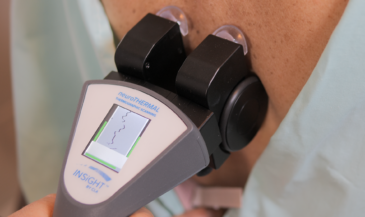
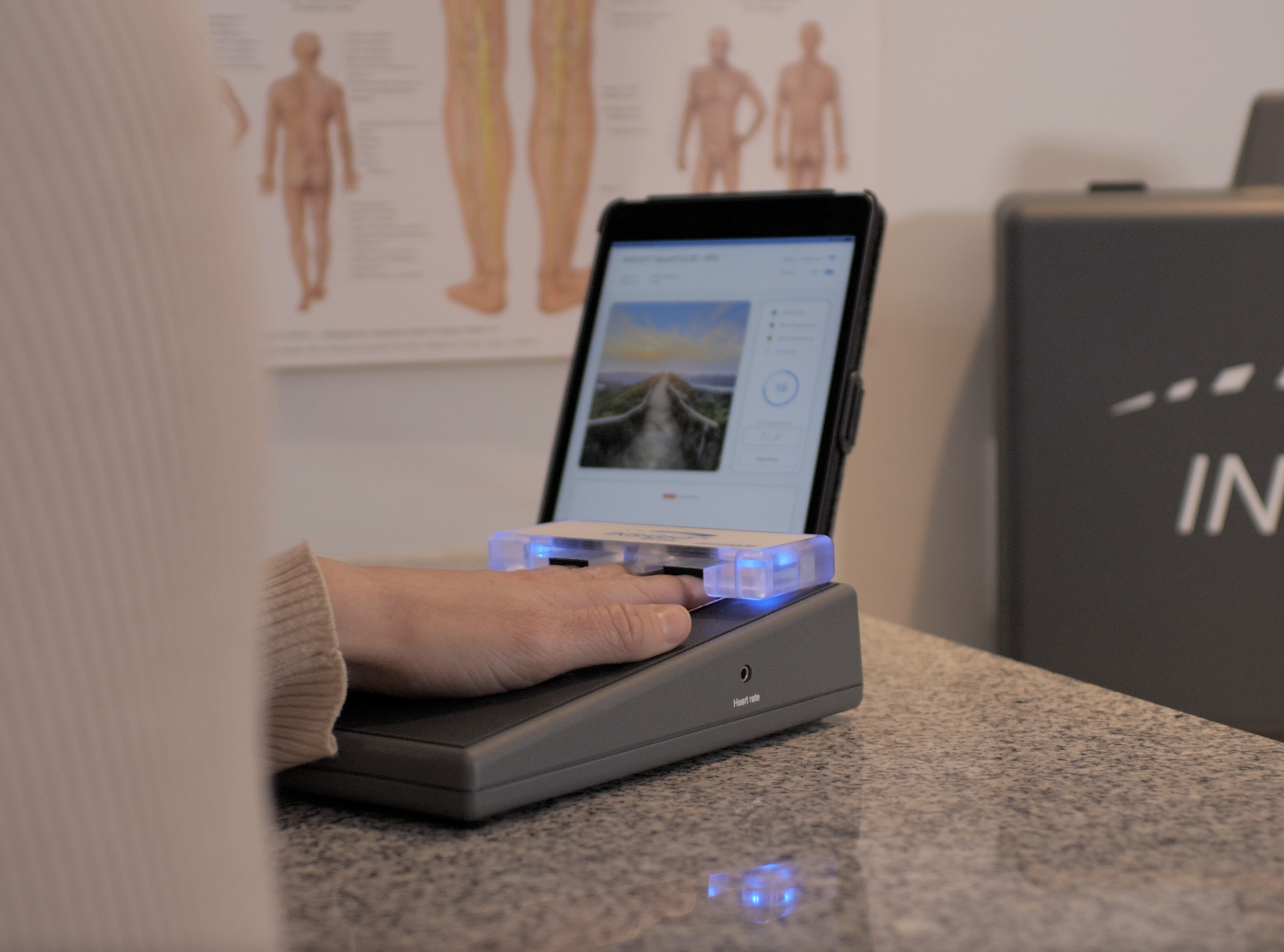
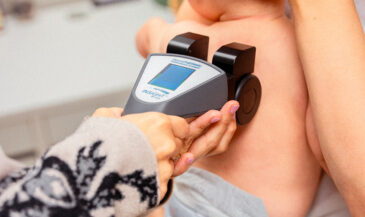
The neuroPULSE technology within the INSiGHT scanning technology also uses photoplethysmography (PPG), but it is designed specifically for standardized clinical assessment.
During a neuroPULSE examination:
- The patient remains seated.
- The hand is supported throughout the recording.
- The hand is stabilized to reduce movement.
- The arm is maintained near heart level.
- Standardized procedures are followed for every assessment.
By controlling these variables, neuroPULSE helps produce consistent HRV measurements that can be reproduced more reliably over time as part of an objective neurological assessment.
What further distinguishes the neuroPULSE is that it evaluates three autonomic biomarkers before the HRV assessment begins. Alongside the PPG pulse signal, Galvanic Skin Response sensors measure electrodermal activity to confirm that the patient has reached an appropriate resting state, while a temperature sensor monitors the hand and fingertip to verify that blood perfusion at the sensing site is sufficient for clear, valid pulse collection.
The software reviews pulse quality, electrodermal activity, and fingertip temperature together before authorizing the assessment. When these measurements fall outside reasonable standardized ranges, data collection does not begin. A built-in latency period of at least 10 seconds and up to one minute also allows temporary arousal associated with entering a clinical setting, sometimes described as a “white coat” response, to settle before recording starts.
This combination of standardized positioning, simultaneous biomarker monitoring, pre-test validation, and a prescribed settling period creates a level of quality control that consumer wearables are not designed to provide. It supports more reproducible clinical trend tracking by helping ensure that each assessment begins under consistent physiological and sensing conditions.
Which Device Should You Trust?
The better question isn’t:
“Which device is most accurate?”
Instead ask:
“Which device is most appropriate for my purpose?”
If you’re interested in:
- Daily recovery
- Sleep quality
- Fitness
- Wellness habits
- Lifestyle trends
A quality wearable can provide tremendous value.
If you’re undergoing a standardized neurological assessment in a clinical setting, reproducibility and controlled testing conditions become much more important.
The two approaches serve different purposes.
Don’t Chase Matching Numbers
Trying to force different devices to agree is usually an exercise in frustration.
Instead:
Use the same device consistently.
Collect measurements under similar conditions whenever possible.
Focus on long-term trends.
Pay attention to meaningful changes over weeks and months rather than individual daily fluctuations.
That’s where HRV becomes most valuable.