
Professional athletes use it to guide recovery.
Researchers use it to study autonomic nervous system function.
Consumer wearables use it to estimate stress and sleep quality.
Increasingly, chiropractors are also incorporating HRV into clinical practice.
But why?
The answer goes far beyond measuring fitness or recovery.
For chiropractors, HRV offers an objective way to evaluate how well the autonomic nervous system is adapting to the physical, chemical, and emotional stresses of everyday life. When combined with a comprehensive clinical examination, HRV provides valuable insight into nervous system function that cannot be observed through symptoms alone.
Chiropractic Has Always Focused on the Nervous System
At its core, chiropractic care has always emphasized the relationship between the spine and the nervous system.
While symptoms often bring patients into the office, chiropractors recognize that symptoms alone don’t always reflect what’s happening beneath the surface.
Some individuals experience significant dysfunction with very few symptoms.
Others report considerable symptoms despite relatively minor objective findings.
This is why chiropractors have long sought objective methods for evaluating nervous system function rather than relying solely on subjective symptom reports.
HRV has become one of those valuable objective measurements.
What HRV Reveals
Heart Rate Variability reflects the ongoing communication between the heart and the autonomic nervous system.
Rather than simply measuring heart rate, HRV provides information about how effectively the body adapts to changing demands.
Higher adaptability generally reflects greater flexibility within the autonomic nervous system.
Reduced variability may suggest the nervous system is operating under increased physiological stress.
Importantly, HRV is not a diagnosis.
Instead, it is one piece of objective information that helps clinicians better understand how the nervous system is functioning.
Learn more about INSiGHT scanning?
Fill this out and we’ll get in touch!
"*" indicates required fields
Stress Is More Than Just an Emotion
When most people hear the word “stress,” they immediately think about work deadlines or financial pressure.
The nervous system, however, responds to many different forms of stress.
These include:
- Physical stress
- Emotional stress
- Chemical stress
- Sleep disruption
- Inflammation
- Illness
- Injury
- Environmental demands
Every one of these factors influences autonomic nervous system regulation.
HRV provides one way of observing how effectively the body is adapting to those cumulative demands.
Symptoms Don’t Always Tell the Whole Story
One of the challenges in healthcare is that symptoms often appear late in the process.
Two patients may report similar neck discomfort while demonstrating very different patterns of nervous system function.
Conversely, one patient may report feeling perfectly healthy while objective measurements suggest their nervous system is working much harder than expected to maintain normal function.
This is why objective measurements are becoming increasingly important across healthcare.
Rather than replacing clinical judgment, they add another layer of information to help guide assessment and communication.
HRV Supports More Objective Conversations
One of the greatest advantages of HRV in chiropractic practice is that it provides objective data.
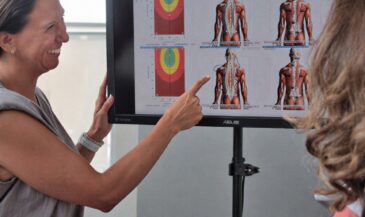
Instead of discussing nervous system function using only descriptive language, chiropractors can incorporate measurable physiological information into patient conversations.
This often helps patients better understand concepts that can otherwise feel abstract.
Rather than simply discussing stress adaptation, clinicians can demonstrate how the autonomic nervous system is responding at the time of the assessment.
Objective data frequently makes complex conversations easier to understand.
Tracking Progress Over Time
HRV is rarely most useful as a single isolated measurement.
Its greatest value often comes from observing changes over time.
By comparing standardized assessments performed under similar conditions, chiropractors can evaluate whether autonomic nervous system function appears to be changing throughout the course of care.
This allows objective progress to become part of the clinical conversation alongside:
- Patient history
- Physical examination
- Functional assessment
- Clinical findings
- Patient-reported outcomes
Together, these pieces create a more complete picture of patient progress.
HRV Is Only One Piece of the Puzzle
Although HRV provides valuable insight into autonomic nervous system regulation, it does not measure every aspect of neurological function.
It cannot independently evaluate:
- Neuromuscular function
- Surface muscle activity
- Segmental thermal patterns
- Biomechanics
- Joint motion
- Structural findings
This is why HRV should never be interpreted in isolation.
Like blood pressure or heart rate, HRV contributes important information, but it is only one component of a comprehensive evaluation.
A More Complete Picture of Nervous System Function
Modern chiropractic assessment increasingly combines multiple objective measurements rather than relying on one test alone.
Each measurement contributes different information.
HRV helps evaluate autonomic adaptability.
Surface electromyography (sEMG) provides information about muscle activity.
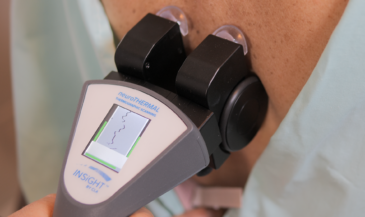
Thermographic assessment evaluates autonomic patterns associated with spinal temperature distribution.
Viewed together, these objective measurements help create a broader understanding of nervous system performance than any individual measurement alone.
How neuroPULSE Fits Into Neurological Assessment
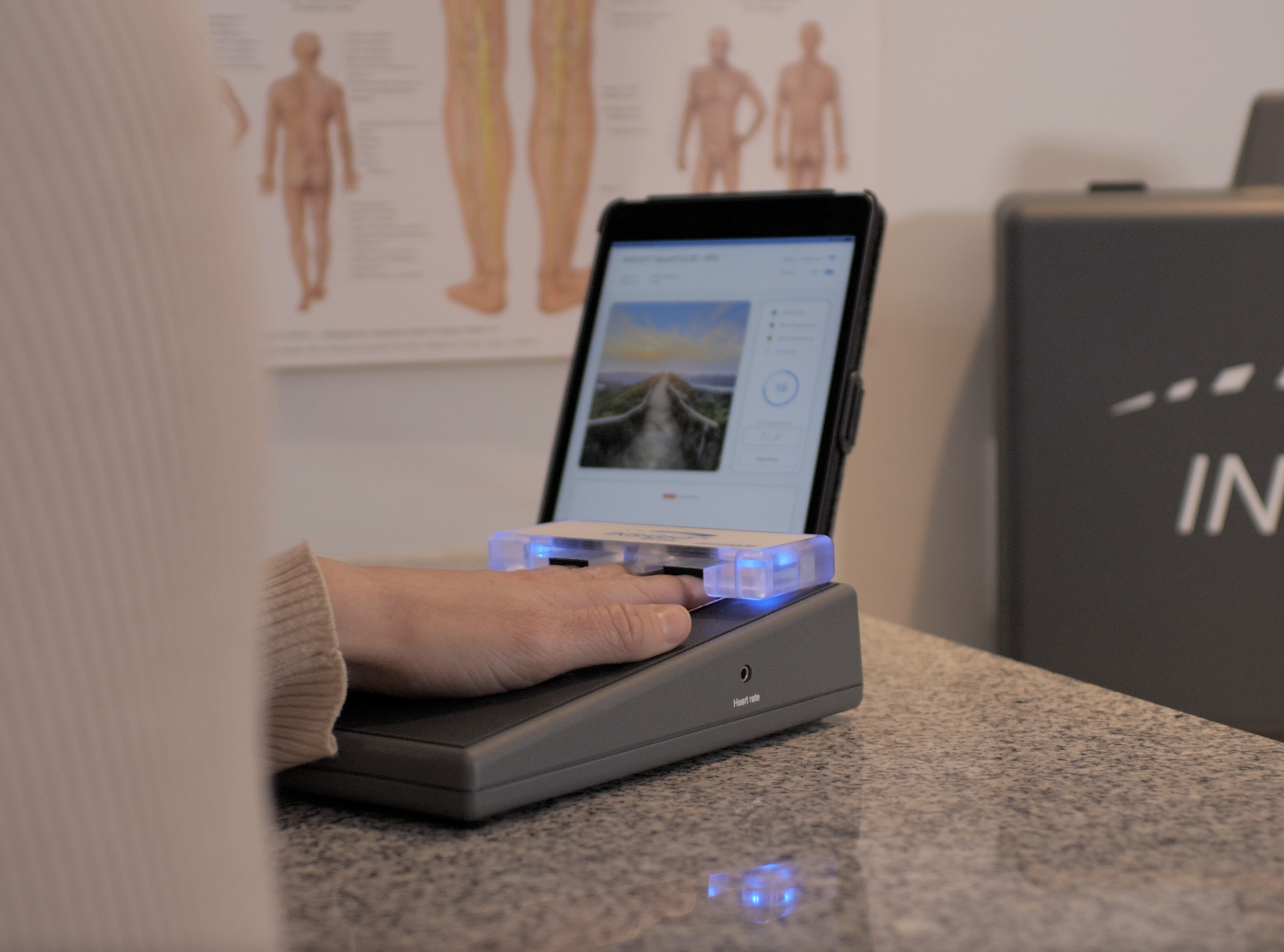
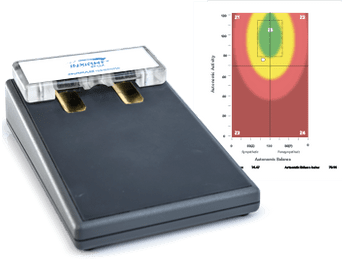
The neuroPULSE technology within the INSiGHT scanning technology measures Heart Rate Variability under standardized clinical conditions.
Unlike wearable devices that prioritize continuous monitoring throughout everyday life, neuroPULSE is designed to collect reproducible HRV measurements during a controlled assessment.
Patients remain seated while the hand is supported and stabilized throughout the recording, helping reduce unnecessary sources of variability. This standardized approach allows clinicians to compare HRV measurements more confidently over time as part of an objective neurological assessment.
Within the INSiGHT scanning technology, neuroPULSE is combined with:
- neuroCORE, which evaluates surface electromyography (sEMG) along the spine.
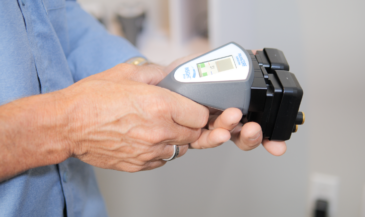
- neuroTHERMAL, which evaluates thermal patterns associated with autonomic nervous system function.
Together, these technologies provide complementary information about nervous system performance rather than relying on HRV alone.
Objective Data Builds Better Patient Understanding
Many patients have difficulty understanding concepts like autonomic regulation, adaptability, or nervous system function.
Objective measurements can make these conversations much easier.
When patients can see measurable information alongside the clinical examination, discussions often become clearer and more meaningful.
Rather than focusing exclusively on symptoms, conversations can shift toward understanding how the nervous system is functioning and how progress is being monitored over time.
This objective approach often improves patient engagement because it gives both the chiropractor and the patient a common reference point for discussing care.
Wearables and Chiropractic Assessments Work Together
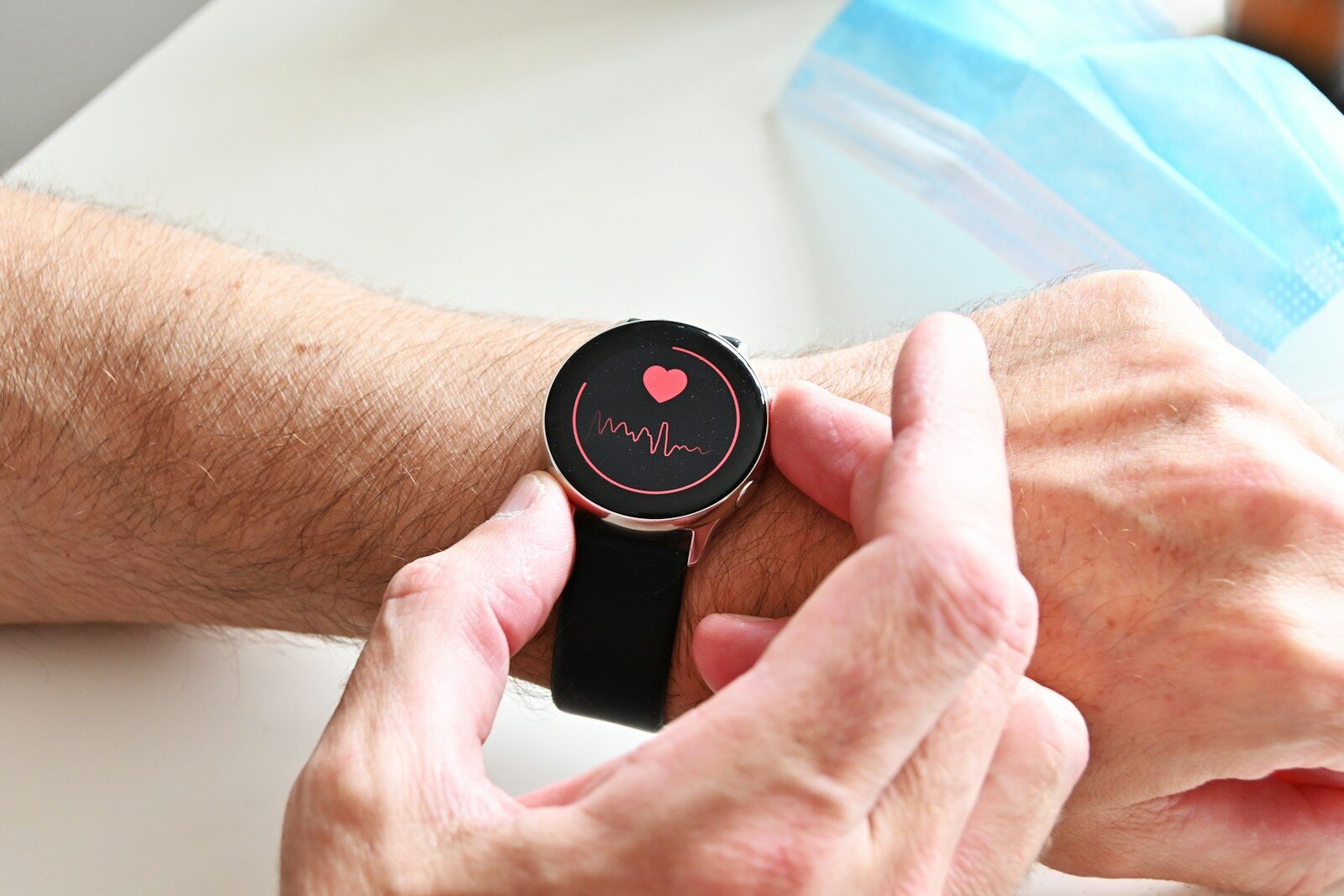
Some patients already wear devices such as an Oura Ring, WHOOP strap, Apple Watch, or Garmin smartwatch.
These tools provide excellent day-to-day insight into recovery, sleep, and long-term wellness trends.
Clinical HRV assessment serves a different purpose.
Rather than replacing consumer wearables, standardized assessments complement them by providing objective measurements collected under consistent examination conditions.
Many patients benefit from both approaches.
Their wearable helps them monitor lifestyle habits between visits.
Their chiropractor uses standardized HRV assessment as part of a comprehensive neurological evaluation performed within the clinical setting.
The Future of Objective Chiropractic Assessment
Healthcare continues moving toward greater use of objective measurements.
Patients increasingly expect healthcare providers to incorporate technology that helps explain findings, monitor progress, and improve communication.
Heart Rate Variability has become one valuable component of that movement.
When interpreted appropriately and combined with a comprehensive clinical examination, HRV provides meaningful insight into autonomic nervous system function while supporting objective, patient-centered conversations.
As technologies continue to evolve, chiropractors have an opportunity to combine clinical expertise with reproducible physiological measurements that help patients better understand their nervous system and their progress over time.