
The nervous system is a complex communication network that continually gathers information from inside the body and outside the body, interprets that information, and organizes an appropriate response. It helps you move your hand when you touch a hot surface, adjusts the amount of light entering your eyes, regulates breathing and digestion, coordinates movement, and helps different parts of the body communicate. The nervous system is responsible for far more than whether someone has obvious nerve symptoms.
For chiropractors, this opens a much better conversation than simply asking where someone hurts. Nervous system function is about communication, coordination, regulation, sensation, adaptation, and response. And when we can pair that conversation with objective neurological scanning, something patients have spent their whole lives taking for granted becomes something they can begin to see and understand.
How Nervous Systems Work and the Main Function of the Nervous System
At its simplest, the main function of the nervous system is communication and coordination. Nervous systems continuously receive information, process what that information means, and organize a response. Whether someone is walking across the room, digesting lunch, hearing their name called, or adjusting posture in a chair, that basic process is happening in the background.
The basic functions involved in nervous system function can be described in three steps: sensory input, integration, and motor output. Sensory receptors gather information. The brain and spinal cord help interpret it. Then signals are sent toward muscles and glands so the body can respond.
Sensory Input, Integration, and Motor Output
Think about what happens when you touch a hot surface. Sensory receptors detect the temperature, and sensory neurons carry that information toward the central nervous system. The information is processed, and motor neurons help organize a withdrawal response.
- Sensory input: Receptors detect touch, temperature, sound, light, body position, and other sensory information.
- Integration: The nervous system receives and interprets the information.
- Motor output: Signals travel toward muscles, organs, and glands so the body can respond.
This is a simple example, but it shows how nervous systems send and receive messages all day long. Sensory information is constantly coming in from different areas of the body. The nervous system then decides what deserves attention and what kind of response is appropriate.
Nervous System Function Goes Far Beyond Movement
Patients often associate nerve activity with movement or sensation. Both matter, but nervous system function reaches far beyond that. Nervous systems help regulate sight, hearing, smell, taste, touch, balance, coordination, memory, learning, breathing, heartbeat, temperature regulation, digestion, gland activity, and many other bodily functions.
The system even helps cool your body through sweating when temperature rises. It helps organize breathing without requiring conscious thought. It influences how the body responds when demand increases and how it returns toward recovery afterward.
That is worth remembering in a chiropractic office. A neurological conversation should not begin and end with whether a patient reports obvious nerve symptoms. Nervous system function is occurring every second, whether the patient notices it or not.
The Main Parts of the Nervous System Including the CNS and PNS
To understand nervous system function, it helps to understand the anatomy of the nervous system. The nervous system is divided into two main parts: the central nervous system and the peripheral nervous system. These central and peripheral nervous systems are anatomically distinct, but they work together constantly.
The nervous system includes a central processing network and a vast network of nerves that connects that center to different areas of the body. The nervous system is made of specialized nerve cells, pathways, tissues, and structures that allow information to move in both directions.
The Central Nervous System and the Brain and Spinal Cord
The central nervous system, or CNS, consists of the brain and spinal cord. The CNS receives, integrates, and organizes enormous amounts of information every second.
Different parts of the brain perform different functions. The cerebral cortex contributes to higher sensory, motor, cognitive, and behavioral activity. The frontal and parietal regions contribute to movement and sensory processing, while the temporal and occipital lobes contribute to hearing, language, memory, and vision.
The brainstem helps regulate essential automatic functions, including breathing, heart rate, blood pressure, and swallowing. The cerebellum contributes to balance, coordination, and motor function. The spinal cord carries communication between the brain and the rest of the body while also participating in rapid reflex activity.
For chiropractors, this relationship matters. The spine surrounds and protects the spinal cord, while spinal nerves help connect the CNS to the body. That creates an obvious relationship between spinal function, sensory input, motor output, and nervous system function.
The Peripheral Nervous System Connects the CNS to the Body
The peripheral nervous system, or PNS, consists of the network of nerves extending beyond the brain and spinal cord. These pathways connect the central nervous system with organs, muscles, skin, limbs, and other parts of the body.
The peripheral nervous system has two parts that are especially important to the chiropractic conversation.
The somatic nervous system carries sensory information toward the CNS and motor information toward skeletal muscles. It is closely tied to voluntary movement and conscious sensation. When you decide to move your legs and torso, for example, the somatic nervous system helps organize that action.
The autonomic nervous system helps regulate activities that do not require conscious control. It is responsible for regulating heart rate, blood pressure, digestion, temperature regulation, blood vessel activity, and gland function.
The sympathetic nervous system helps prepare the body for action. Among its many effects, it can make your heart beat faster when demand rises. The parasympathetic branch contributes to recovery, conservation, and digestion. The enteric nervous system has a specialized role in gastrointestinal regulation.
Here is the important distinction for chiropractors: sympathetic activity is not bad, and parasympathetic activity is not automatically good. A resilient nervous system needs both sympathetic and parasympathetic activity. The goal is flexibility. The system should be able to increase output when needed and recover when the challenge passes.
That ability to shift gears is a major part of nervous system function and one reason adaptability matters so much in Neurologically-Focused Chiropractic Care.
Learn more about INSiGHT scanning?
Fill this out and we’ll get in touch!
"*" indicates required fields
How a Neuron Helps the Nervous System Work
At the cellular level, nervous system function depends heavily on specialized nerve cells called neurons. A neuron is built to receive and transmit information, allowing communication to move through nervous tissue from one area to another.
You will often see older educational references stating that the human brain contains about 100 billion neurons. Modern estimates vary, but the useful point for this discussion is that enormous numbers of interconnected nerve cells form networks capable of receiving input, processing information, and coordinating responses throughout the body.
From Dendrite to Axon to Synapse
A neuron has several important components. The cell body contains the nucleus and supports basic cellular activity. Dendrites are branched structures that receive incoming signals from other nerve cells. An axon carries electrical signals away from the cell body toward another neuron, muscle, or gland.
Many axons are wrapped in myelin, which provides insulation and supports efficient signal conduction. Communication then continues at a synapse, the junction where one neuron communicates with another cell. In simple terms, electrical signals travel along the neuron, while chemical neurotransmitters commonly help transmit information across the synapse.
Different neurons perform different jobs:
- Sensory neurons: Carry sensory information from receptors toward the central nervous system.
- Motor neurons: Carry instructions from the nervous system toward muscles and glands.
- Interneurons: Help process and connect information within the brain and spinal cord.
Together, those motor and sensory pathways allow the nervous system to collect information, interpret it, and coordinate an appropriate response.
Why Structure and Function Both Matter in Chiropractic
This is where structure and function become an important chiropractic conversation. The spine is not simply a frame that lets us stand upright. It surrounds the spinal cord, supports movement, and has an intimate relationship with the sensory and motor systems continually informing the brain.
Neurologically-Focused Chiropractic Care therefore asks a broader question than, “What does the structure look like?” We also want to understand how nervous system function is expressing through the patient’s posture, motor patterns, autonomic regulation, adaptability, and response to neurological distress.
That does not mean every change in nervous system function is caused by the spine. It does mean chiropractors have a legitimate reason to look closely at the relationship between spinal function and neurological performance.
Symptoms matter. Structure matters. Movement matters. But none of those pieces tells the entire story by itself.
How Chiropractors Analyze Nervous System Function With INSiGHT Scanning
This is where nervous system function becomes very practical in a chiropractic office. Patients usually arrive with language for what they feel. They can tell you about discomfort, fatigue, poor sleep, limited movement, or other signs. What they usually cannot describe is how their nervous system is regulating, compensating, or adapting beneath those experiences.
That is why objective neurological scanning matters. A scan does not replace history, examination, or clinical judgment. It gives the chiropractor another layer of objective information about nervous system function that can be compared over time.
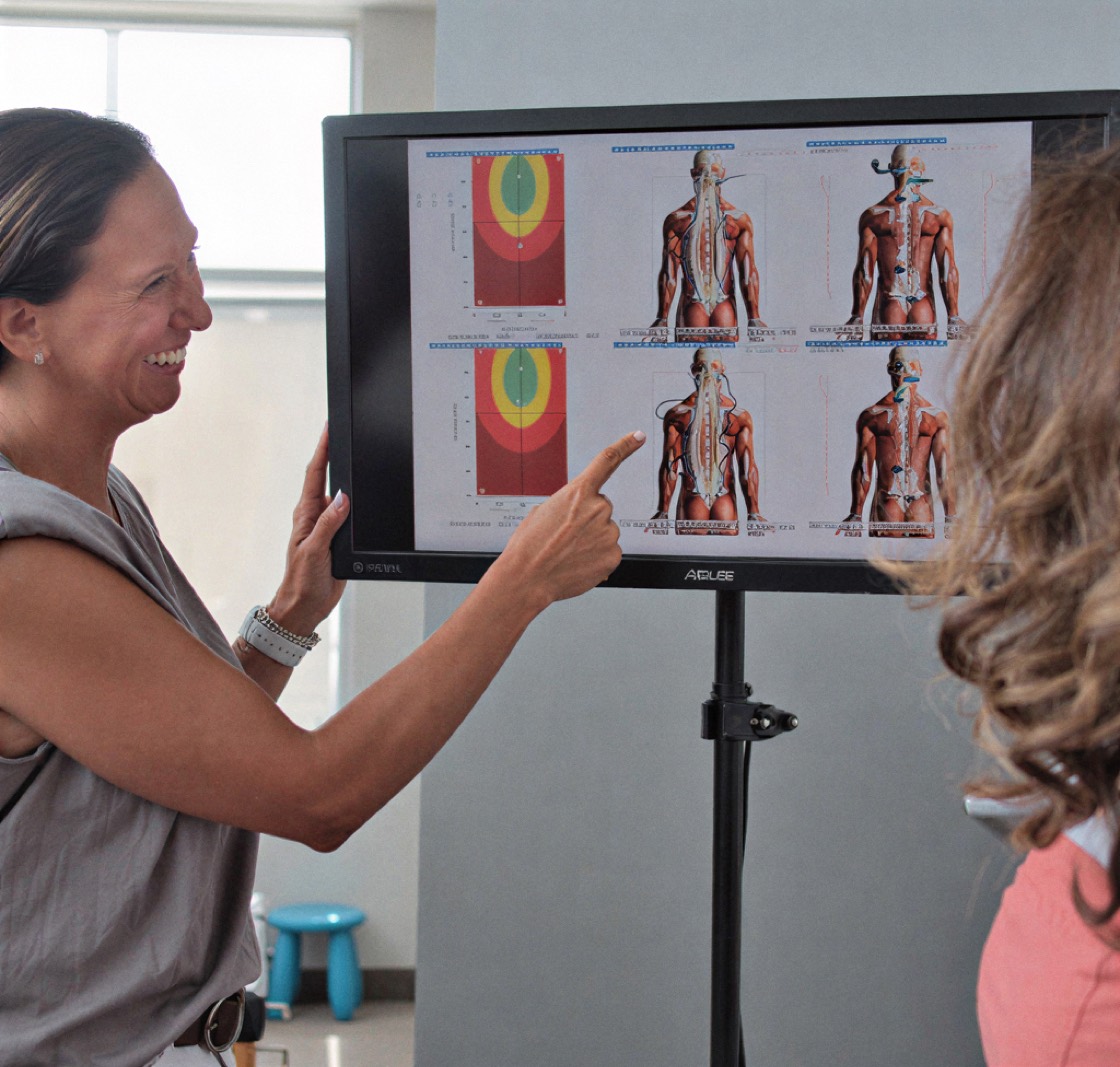
Neurological scanning can quickly shift the patient’s focus from structure alone toward nerves and performance. Instead of the entire conversation being about symptoms, the doctor can begin talking about regulation, adaptability, motor activity, postural tension, and nervous system status.
Three Dimensions of Nervous System Performance
INSiGHT neuroTECH and Synapse software give chiropractors several complementary ways to analyze nervous system function. Each technology looks at a different functional layer.
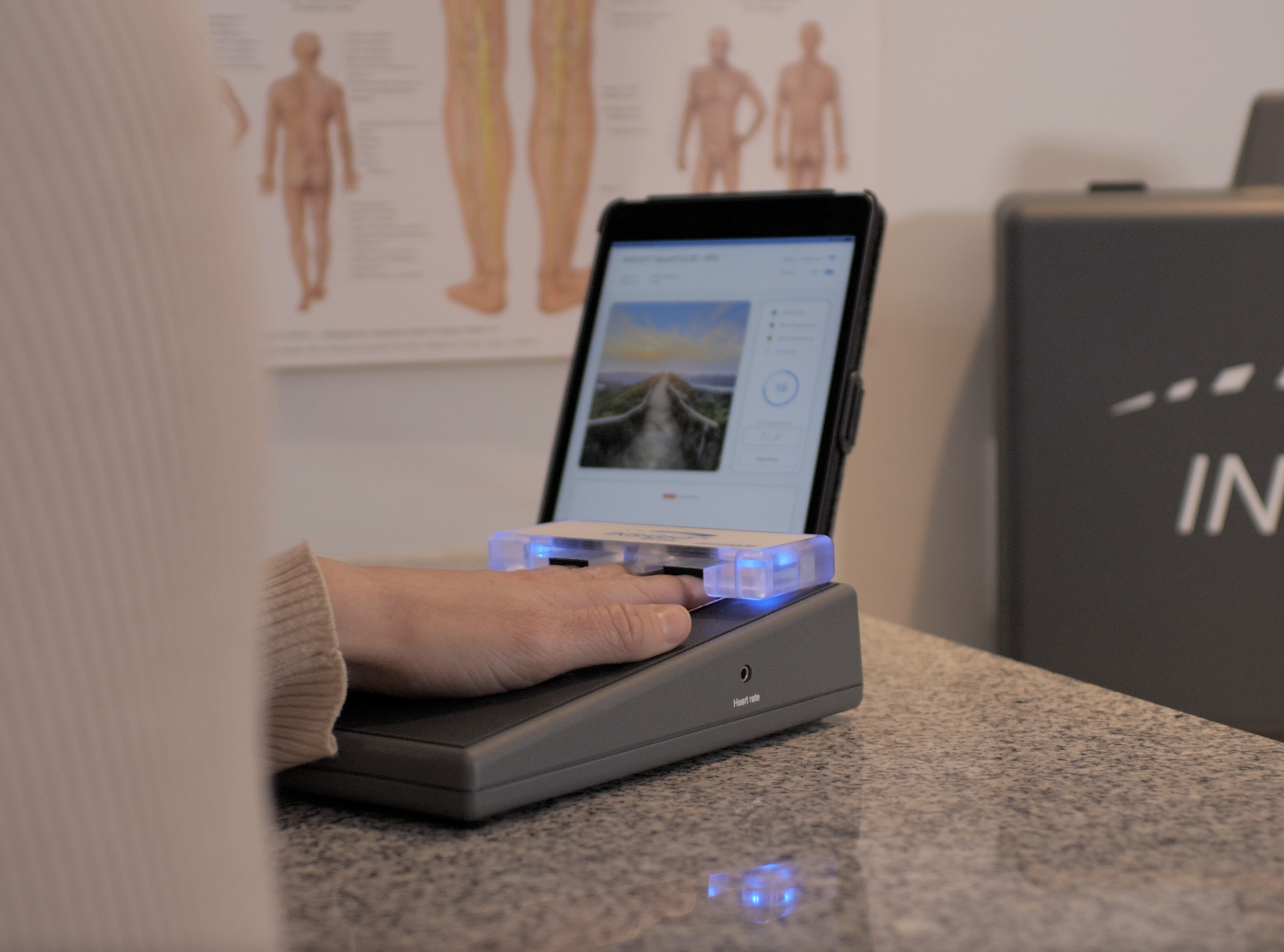
- neuroPULSE: Analyzes Heart Rate Variability, or HRV, to provide information related to autonomic balance, adaptability, reserve, and recovery.
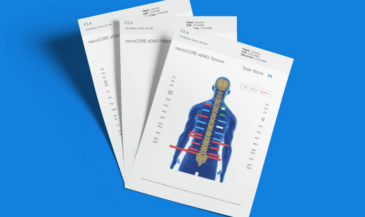
- neuroCORE: Uses surface electromyography to analyze electrical activity in the paraspinal muscles, including postural tension, symmetry, motor tone, and energy demand.
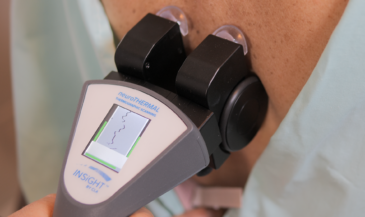
- neuroTHERMAL: Performs a full spine nerve system scan to analyze paraspinal temperature patterns associated with autonomic regulation.
neuroPULSE gives us a practical way to bring autonomic physiology into the chiropractic exam. Rather than asking whether a patient is simply relaxed or activated, we can look more closely at adaptability. Can the system respond when demand rises? Can it recover afterward? That is a much better nervous system function conversation.
neuroCORE gives us another perspective. Surface EMG analyzes activity in the paraspinal muscles, helping chiropractors see patterns of postural tension, symmetry, motor tone, and energy expenditure. A patient may not be aware that their system is spending excessive energy to stabilize or compensate, but the scan views can help make that pattern easier to discuss.
neuroTHERMAL looks at another part of nervous system function. Because autonomic regulation influences skin temperature and blood flow, thermal analysis gives chiropractors a way to observe paraspinal temperature patterns along the spinal region. The INSiGHT neuroTHERMAL can complete a full spine nerve system scan in under 30 seconds, making it practical for a busy chiropractic office.
These technologies are not three ways of asking the same question. They give three different views into nervous system performance: autonomic reserve, motor activity, and autonomic patterns along the spinal region.
Turning Complex Neurology Into Scan Views Patients Understand
Collecting neurological data only matters if the chiropractor can interpret it and communicate it clearly. That is where Synapse software becomes valuable.
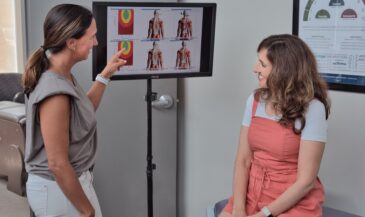
INSiGHT neuroTECH and Synapse software help organize complex neurological information into patient-friendly scan views, reports, and comparisons. Instead of trying to describe nervous system function with words alone, the chiropractor has a shared reference point the patient can actually see.
The process can remain simple:
- Baseline: Establish the patient’s starting nervous system status.
- Progress analysis: Compare later findings with that initial baseline.
- Trajectory: Follow how nervous system patterns fluctuate over time.
CORESCORE can make this information even easier to communicate by combining information from neuroPULSE, neuroCORE, and neuroTHERMAL into a patient-friendly neurological efficiency score. It is not a diagnosis and should never be presented as one. It is a communication tool that helps simplify a more complex neurological picture.
That distinction matters. INSiGHT scanning technology does not diagnose neurological disease, and it does not create the care plan. The chiropractor does that. The doctor interprets the objective analysis alongside the patient’s history, examination findings, goals, and professional judgment.
The technology does not replace the chiropractor. It strengthens the conversation.
When patients can see their nervous system status in living color, where neurological distress may be showing up, how well they are adapting, and how those patterns fluctuate under care, nervous system function stops being an abstract idea. It becomes something they can begin to understand.
Why Nervous System Function Gives Chiropractic a Bigger Story to Tell
Step away from the anatomy for a moment and look at what nervous systems are doing all day long. They sense. They integrate. They transmit information. They coordinate movement. They help regulate automatic bodily functions. They respond to changing demands inside and outside the body.
That is nervous system function.
For chiropractors, this gives us a much richer way to communicate what we are examining. Patients commonly enter the office focused on an episode: what they feel today, where their symptoms are, and how quickly those symptoms can change. We can respect that concern while helping them understand the larger process underneath it.
“How do you feel?” is still an important question.
But it does not have to be our only question.
“How well is your nervous system adapting?” takes the conversation somewhere different.
That does not mean symptoms are unimportant. It means symptoms are one part of the story rather than the whole story. Nervous systems are constantly responding to sensory input, posture, movement, internal physiology, and the demands of everyday life. A person’s experience on one particular day cannot tell us everything about nervous system function.
This is why neurological scanning fits so naturally into Neurologically-Focused Chiropractic Care. It gives the chiropractor another way to establish a baseline, analyze nervous system status, and follow patterns over time. Instead of depending only on subjective reporting, the doctor has objective exam data that can support a clearer clinical conversation.
The anatomy has always been there. The brain and spinal cord have always been communicating with the body. Nerve pathways have always been bringing information in and sending responses out. The autonomic nervous system has always been helping regulate functions patients rarely stop to think about.
What neurological scanning gives the chiropractic profession is a clearer way to make parts of that function visible.
When patients understand that chiropractic can be about more than what they feel today, they begin to see nervous system function differently. And when you can show them objective scan views through INSiGHT scanning technology, the why behind their care becomes clearer.
Once patients understand that why, they stop simply counting visits and start valuing results.