

But here is where the conversation gets more interesting. A posture assessment can tell you what a person looks like standing still. It cannot, by itself, tell you how hard the nervous system is working to hold them there. Two patients can show similar postural alignment while the neurological effort beneath that posture is very different. One may be relatively efficient. Another may be using considerable postural tension and compensation just to maintain upright posture.
That distinction matters for chiropractors. The goal is not to throw away what we have learned from observing the head, shoulders, spine, pelvis, and lower extremities. The goal is to recognize that the visible assessment of posture is only one layer of a much bigger functional story.
What a Posture Assessment Tells a Chiropractor
Posture describes how the body organizes itself in space. In standing posture, the spine, joints, muscles, sensory input, and motor output continuously work together to keep the body upright against gravity. A postural assessment gives the chiropractor a practical way to assess posture, compare alignment, and identify postural deviations that may deserve closer attention.
A traditional posture assessment often begins with static posture. The patient stands relatively still while the chiropractor observes the relationship of the head to the trunk, one shoulder to the other, the scapula, pelvis, knees, ankles, and overall alignment of the spine. This static postural assessment can reveal asymmetry, spinal curvature, pelvic positioning, and other common postural findings.
There is one catch. The moment you tell a patient you are evaluating posture, many people immediately change it. They pull their shoulders back, tuck their chin, and produce a posture they rarely use outside your office. For a useful posture assessment, you want a relaxed posture rather than a consciously corrected one. One simple method described in postural evaluation is to have the patient march in place briefly and then stop without consciously adjusting their stance.
A chiropractor may document findings such as:
- Head and cervical position: Is the head centered, tilted, rotated, or carried anteriorly?
- Shoulder and scapular positioning: Is shoulder height symmetrical? Are the shoulders rounded or showing medial rotation?
- Spinal curvature: What do the cervical, thoracic spine, and lumbar spine look like from different views?
- Pelvic position: Are the iliac crests level? Does the pelvis appear to show anterior pelvic tilt or posterior pelvic tilt?
- Lower-quarter alignment: How do the hips, knees, and ankles compare from side to side?
There is nothing wrong with using ideal posture or optimal posture as a reference. The problem begins when the reference becomes the diagnosis. A visible abnormality is a finding, not an explanation. A posture assessment should help you ask better questions, not convince you that every deviation represents pathology.
This is especially important in chiropractic because static posture tells you where the body ended up at that moment. It does not tell you the full story of how the nervous system created that position, how much energy is required to maintain it, or how that posture fluctuates when demand increases.
How Chiropractors Assess Posture From the Anterior, Lateral, and Posterior Views
A useful posture assessment should evaluate the patient from more than one direction. Something that appears to be an elevation from the front may look more like rotation from behind. A shoulder that seems level from the anterior view may show different scapular positioning from the posterior view. That is why posture is evaluated anteriorly, laterally, and posteriorly.
These views give the chiropractor a practical map. They help assess alignment in the frontal and sagittal plane, compare anatomical landmarks, and identify postural deviations without placing too much weight on one isolated finding.
The Anterior View
From the anterior view, the first question is usually symmetry. Is the head carried evenly? Are the shoulders level? Is one side of the pelvis higher? Do the knees and ankles appear symmetrical?
Common landmarks include the head, shoulders, iliac crests, anterior superior iliac spine landmarks, knees, fibular regions, and malleoli. The doctor compares one side with the other and looks for asymmetry, pelvic rotation, or other postural findings that may require additional assessment.
The pelvis is a good example of why posture analysis requires context. If one anterior superior iliac spine appears higher, that may represent elevation, rotation, or another compensatory pattern. The anterior view alone cannot always tell you which. That is why a good posture assessment continues around the patient rather than stopping after the first visual impression.
The Lateral View and Plumb Line
The lateral view is especially useful for examining the body in the sagittal plane. Here, the chiropractor may use a plumb line or imagine a vertical line perpendicular to the floor.
Traditional reference points include the external auditory region, shoulder, greater trochanter, fibular region, and a point slightly anterior to the lateral malleolus. In other words, the line is not meant to force every landmark into a rigid column. It gives the examiner a consistent frame of reference.
From the lateral view, a posture assessment may identify:
- Forward head posture: The head is carried anteriorly relative to the trunk.
- Rounded shoulders: The shoulders may appear more anterior or internally rotated.
- Thoracic kyphosis: The thoracic spine shows an increased posterior curvature.
- Lumbar lordosis: The lumbar spine may show a more pronounced lordotic posture or a flatter curvature.
- Pelvic position: The pelvis may show anterior pelvic tilt or posterior pelvic tilt.
- Knee position: The knees may appear flexed, neutral, or hyperextended.
An anterior pelvic tilt may accompany altered lumbar lordosis and different relationships among the hip flexors, abdominal muscles, gluteal region, hamstring structures, and lumbar musculature. Traditional descriptions of lower-crossed patterns use these relationships to help identify areas that deserve further examination.
Likewise, forward head posture and rounded shoulders may accompany altered relationships through the cervical region, scapula, upper thoracic spine, and surrounding musculature. These findings can be clinically useful without assuming the visible posture explains the exact cause.
When you use a plumb line, the reference passes slightly anterior to the lateral malleolus. That simple vertical line can help the chiropractor compare anterior and lateral relationships more consistently from one examination to the next.
The Posterior View
The posterior view gives the chiropractor another opportunity to assess symmetry while paying closer attention to the spine, pelvis, and scapula. Common landmarks include the head, acromion regions, inferior angles of the scapula, iliac crests, posterior superior iliac landmarks, fibular regions, ankles, and visible spinous process alignment.
This view may also reveal lateral curvature or findings that raise questions about scoliosis. A posture assessment can identify a visible lateral curvature, but a postural abnormality alone should not be treated as a complete scoliosis diagnosis. It is a clue that may justify further evaluation.
The posterior view is especially helpful because it can challenge your first impression. What looked like a hip hike from the anterior view may appear more like pelvic rotation from behind. The same is true for scapular differences and shoulder asymmetry. Good postural assessment means allowing each view to refine the last one.
Learn more about INSiGHT scanning?
Fill this out and we’ll get in touch!
"*" indicates required fields
Common Postural Deviations and What They Can Tell You
Patients tend to think about posture in simple terms. Good posture means sitting up straight. Poor posture means slouching. Faulty posture is something they believe they should consciously correct. Chiropractors can offer a more useful explanation.
Body posture reflects how the body is responding to gravity, movement, repeated loading, habits, prior injuries, and daily demands. A posture assessment can show a variety of postural patterns, but those patterns should be interpreted in context rather than treated as a moral scorecard for how well someone stands.
Common Postural Patterns
Common postural findings include:
- Forward head posture: The head sits anteriorly relative to the trunk.
- Thoracic kyphosis: The thoracic curvature appears more pronounced from the side.
- Altered lumbar lordosis: The curvature of the spine through the lumbar region may appear increased or flattened.
- Anterior pelvic tilt: The pelvis rotates anteriorly and may accompany an increase in lumbar curvature.
- Posterior pelvic tilt: The pelvis rotates in the opposite direction and may accompany a flatter lumbar spine.
- Scapular asymmetry: One scapula or shoulder may sit differently than the other.
- Lateral curvature: Posterior observation may reveal a spinal pattern that deserves closer assessment for scoliosis or another structural consideration.
Some clinicians organize these findings into broader posture types such as flat-back, sway-back, lordosis, kyphosis, or combined lordosis/kyphosis patterns. These categories can help describe a type of posture, but they should never replace examination of the individual patient.
Static Posture Versus Dynamic Posture
Another limitation of static posture is right there in the name: the patient is standing still. Human beings do not spend their lives frozen in a static posture assessment position.
Dynamic posture during walking, training, lifting, working, or other movement can reveal information a static postural assessment cannot. Even a fitness professional performing a health and fitness screening or a physiotherapy assessment may combine static and movement observations when trying to evaluate posture.
Athletes are an especially good example. Repetitive and asymmetric demands can be associated with sport-specific postural adaptations. Cycling places different repeated demands on the body than swimming, volleyball, power sports, or soccer. That does not mean a particular sport automatically creates posture problems. It simply reminds us that a client’s posture is connected to what their body repeatedly has to do.
And that brings us to the more important chiropractic question. Suppose you identify postural deviations perfectly. You have reviewed head posture, scapular positioning, pelvic position, thoracic and lumbar curvature, standing posture, and lower-quarter alignment.
What have you actually learned about the neurological effort required to hold that posture?
Not enough. A visual posture assessment cannot tell you how much electrical activity the paraspinal musculature is producing, whether one side is working differently from the other, or how much energy the nervous system is spending through compensation. That is where a posture-based examination can become a much bigger neurological conversation.
Going Beyond Postural Assessment With INSiGHT Neurological Scanning
Neurological scanning shifts the patient’s attention from posture alone toward nerves and performance. That matters because visible alignment is only the final expression. Underneath it is a nervous system receiving information, coordinating motor output, and adjusting postural tone every second to keep that person upright.
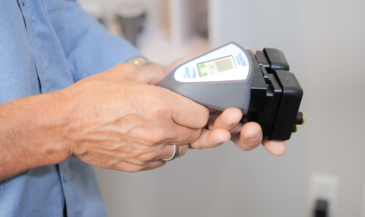
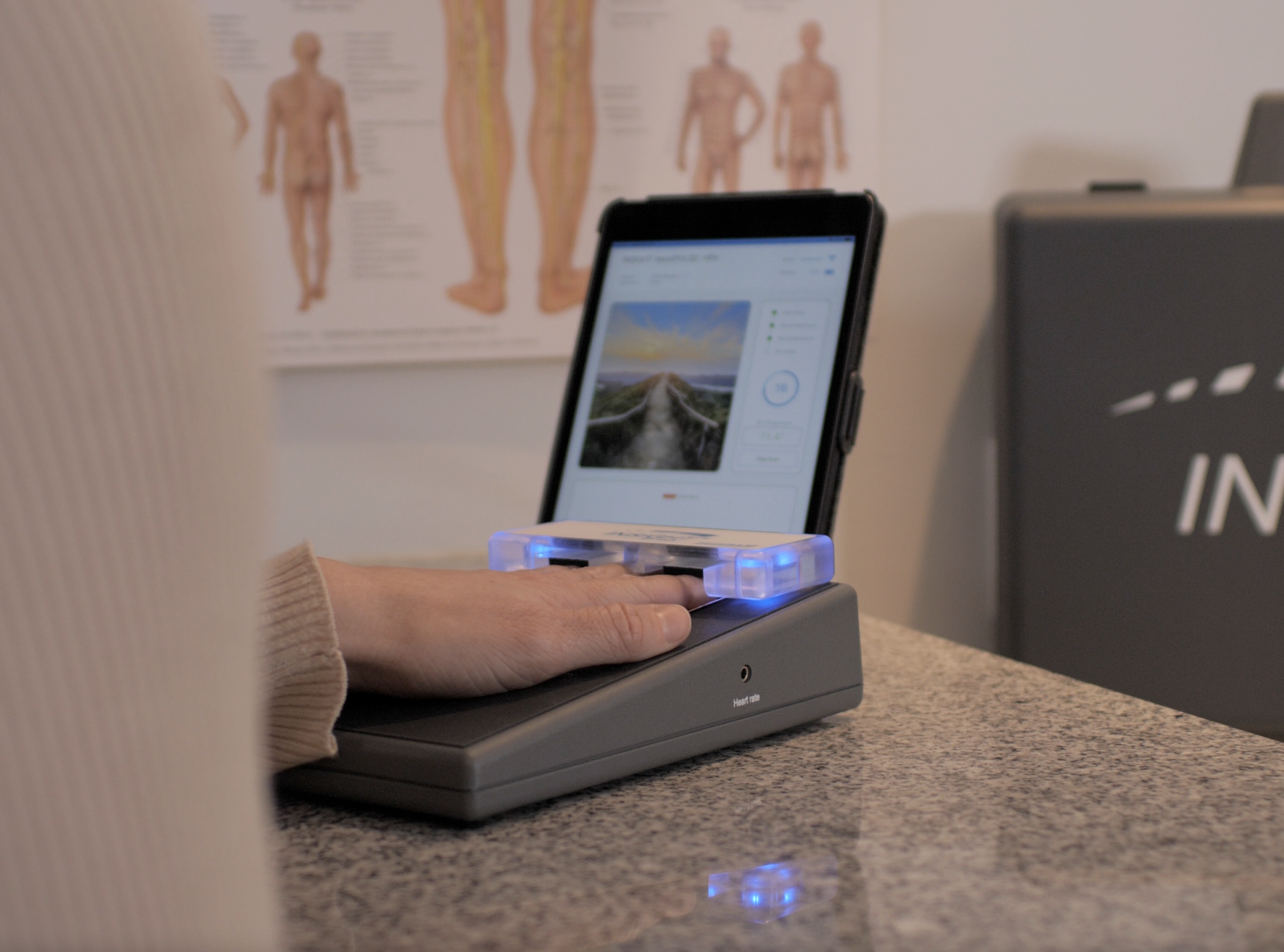
This is where INSiGHT scanning technology adds another dimension to the posture assessment. It does not replace the chiropractor’s eyes, hands, history, examination, imaging when clinically appropriate, or professional judgment. It provides objective exam data that help the chiropractor analyze nervous system performance beyond what a static posture assessment can show.
neuroCORE Shows the Work Behind the Posture
For posture, neuroCORE is especially relevant. neuroCORE uses surface electromyography, or sEMG, to analyze electrical activity in the paraspinal muscles.
Instead of simply seeing that a patient stands a certain way, the chiropractor gains objective information about postural tension, motor tone, symmetry, energy expenditure, and compensation along spinal regions. Two patients could present with similar forward head posture, pelvic position, or shoulder asymmetry while showing very different neuromuscular patterns underneath.
That is why I like to bring the conversation back to efficiency. The question is not simply, “Can this patient maintain upright posture?” The better question is, “How much energy is the system using to accomplish it?”
When the body is spending excessive energy on basic postural work, neuroCORE gives the chiropractor another piece of objective analysis to place beside the posture assessment, history, palpation, and other exam findings.
neuroPULSE Adds Adaptability and Reserve
Posture does not exist in a purely muscular world. The autonomic nervous system is continually adapting to the demands placed on the body.
neuroPULSE analyzes Heart Rate Variability to provide information about autonomic balance, adaptability, reserve, and recovery. HRV does not tell you whether the pelvis is anteriorly tilted or whether a shoulder sits higher. It answers a different functional question: how adaptable is this nervous system?
That broader perspective keeps the chiropractor from reducing the patient to spinal angles and anatomical landmarks. A resilient nervous system should be able to respond when demand rises and recover when the demand passes.
neuroTHERMAL Adds Another View of Autonomic Regulation
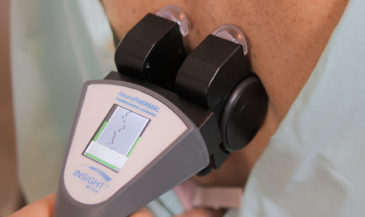
neuroTHERMAL adds a third perspective by analyzing paraspinal temperature patterns associated with autonomic regulation. The instrument can perform a full spine nerve system scan in under 30 seconds, giving the chiropractor another functional view of what is occurring along the spinal region.
Once again, each tool answers a different question. A plumb line gives information about position. neuroCORE analyzes postural tension and electrical activity. neuroPULSE examines adaptability and reserve. neuroTHERMAL adds information about autonomic regulation.
Bringing the Findings Together With Synapse
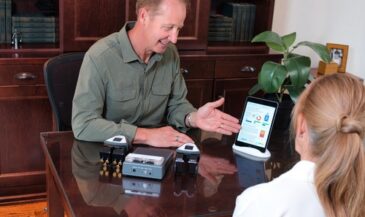
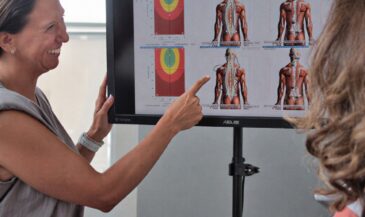
INSiGHT neuroTECH and Synapse software bring these different dimensions into scan views and reports that are easier for the chiropractor and patient to understand.
This is where progress analysis becomes especially useful. Instead of relying only on whether the patient thinks their posture looks better or whether they remember how they felt months ago, the chiropractor can compare objective findings with the original baseline.
Think baseline, response, and trajectory. Establish where the patient begins. Re-examine to see how nervous system status fluctuates under care. Compare those findings over time. The technology does not create the care plan. The chiropractor combines the history, posture assessment, examination findings, neurological scans, clinical judgment, and patient needs to build that care plan.
When patients see that broader neurological story, posture stops being a lecture about sitting straighter. It becomes a conversation about nervous system performance.
A Better Chiropractic Conversation About Posture
Most patients have already heard the posture lecture. Sit up straight. Pull your shoulders back. Stop looking down at your phone. Maybe buy a better chair. Some of that advice may be useful, but it can leave people believing posture is simply a conscious behavior they should try harder to correct.
Chiropractors have a richer story to tell. A posture assessment gives us valuable information about how the body is organizing itself against gravity. The anterior, lateral, and posterior views can reveal asymmetry, spinal curvature, pelvic positioning, forward head posture, scapular differences, and other common postural findings that deserve attention.
But posture should stay in its proper lane. The plumb line is a reference. An asymmetry is an observation. An anterior pelvic tilt is a finding. Static posture is a snapshot. None of those by itself explains the full neurological picture.
For the Neurologically-Focused Chiropractor, the better conversation begins with what we see and then asks what the nervous system is doing underneath it. How much postural tension is present? Is the system working efficiently or compensating? How adaptable is it? What do the objective findings show now, and how do those patterns fluctuate over time?
That is very different from telling somebody to stand straighter.
Posture gives you an important place to start. A posture assessment helps you describe what the body is doing on the outside. INSiGHT scanning technology helps you examine more of the functional story underneath it. When patients can see that story for themselves, posture becomes less about chasing perfect alignment and more about understanding nervous system performance, adaptability, and progress.