

That question belongs in a thoughtful chiropractic conversation. Patients have plenty of language for exhaustion, restless nights, and waking unrefreshed. They may have very little language for adaptability or nervous system performance. Heart rate variability can help introduce those ideas, provided we explain what the information actually means.
A nighttime number needs context. Your patient’s history, examination, daily demands, and neurological scan findings all contribute something different. Bringing those pieces together gives you a clearer starting point than letting an app score lead the entire conversation.
What Low HRV During Sleep Can Tell Chiropractors
Heart rate describes how many times the heart beats per minute. The variation in timing between consecutive normal heartbeats is known as heart rate variability. A healthy heart does not function like a perfectly timed metronome. Its beat intervals fluctuate under several influences, including breathing and autonomic regulation. However, greater variation is not automatically better in every recording or clinical situation.
For chiropractors, low HRV during sleep can introduce a useful discussion about physiological demand and recovery. The autonomic nervous system helps regulate cardiovascular activity as the body responds to changing conditions. A nighttime value below the person’s usual baseline may deserve attention, but it cannot independently explain why that pattern occurred.
How Autonomic Activity Shifts Through the Night
Sleep cycles move through different sleep stages. During non-REM sleep, particularly deep sleep or slow-wave sleep, heart rate and blood pressure generally settle as parasympathetic influence becomes more prominent. REM sleep involves greater autonomic fluctuations. Consequently, the relationship between HRV and sleep depends partly on when and how the recording was obtained.
Different HRV indices capture different features of that activity. High-frequency HRV is strongly influenced by respiratory-related vagal modulation, while other frequency domain HRV parameters describe different aspects of the signal. We should avoid promising that every metric reaches its highest value during the same stage. Understanding how HRV changes during sleep requires knowing which parameter the device reports.
Connect the Reading to Adaptive Reserve
Adaptive reserve gives chiropractors a practical way to discuss the capacity to respond to demand and recover afterward. Low HRV during sleep may prompt questions about that recovery process. It does not prove sympathetic overdrive, identify vertebral subluxation, or locate neurological interference. Neurological scanning adds objective exam data that the chiropractor interprets alongside the patient’s story and physical findings.
Common Contributors to Low HRV During Sleep
Start with what happened before bed. Alcohol, demanding exercise, illness, medication effects, and irregular schedules can influence nighttime physiology. Research has documented increased nocturnal heart rate and disrupted aspects of sleep after alcohol consumption. Feeling sleepy after drinking does not necessarily mean the body is experiencing restorative rest.
When discussing low HRV during sleep, ask about timing and patterns rather than assuming one explanation. Caffeine may interfere with sleep in susceptible individuals. Large late meals may contribute to discomfort or reflux. Emotional demands can make settling difficult. These factors deserve attention before connecting a wearable result to chiropractic findings.
Review Daily Demands and Evening Habits
A brief history or diary can reveal information that patients might otherwise overlook. Useful questions include:
- Has alcohol intake or caffeine timing changed?
- Was there unusually demanding exercise without adequate recovery?
- Are there signs of illness or a recent medication change?
- Is the bedroom comfortable, quiet, and conducive to rest?
- Are work, travel, or caregiving responsibilities shortening sleep?
- Does the patient wake repeatedly or struggle to return to sleep?
Short sleep duration and fragmented rest are different situations, even though both may leave someone depleted. One person has too little opportunity to sleep. Another spends enough time in bed but experiences repeated awakenings. Poor sleep quality, sleep deprivation, and daytime fatigue deserve their own assessment. A persistently reduced heart rate variability pattern cannot identify which explanation applies.
Recognize When Breathing Concerns Need Evaluation
Habitual loud snoring, witnessed breathing pauses, gasping, and excessive daytime sleepiness warrant appropriate medical evaluation for obstructive sleep apnea. Respiratory events can produce complex cardiovascular fluctuations. Neither a wearable score nor INSiGHT Scans can diagnose or exclude this condition. A sleep study or appropriate home testing may be needed. Neurological scanning can contribute to chiropractic assessment while that evaluation proceeds, without replacing it.
Learn more about INSiGHT scanning?
Fill this out and we’ll get in touch!
"*" indicates required fields
How to Interpret HRV Data and Support Better Sleep
The first question patients ask is often, “What number should I have?” Normal HRV can vary considerably with age, fitness, medical history, and recording conditions. Heart rate variability in young adults should not become a universal target for older patients. An average HRV from another person’s wearable offers limited guidance for the individual sitting in your office.
The better starting point is the person’s own baseline using a consistent method. Low HRV during sleep becomes more meaningful when considered alongside the usual pattern, recent circumstances, and daytime function. An isolated reading after a demanding day is different from a persistent deviation accompanied by worsening fatigue.
Know What the Device Actually Reports
Before interpreting an HRV number, identify the metric, units, recording window, and device. RMSSD describes successive differences between beat intervals. SDNN describes variation across normal beat intervals over the recording period. A proprietary HRV score may transform or combine information differently. Brief resting recordings, overnight averages, and 24-hour recordings should not share interchangeable thresholds.
Reliable HRV interpretation also requires attention to signal quality. Movement, device fit, missing data, and irregular beats can affect results. A high HRV reading is not automatically evidence of excellent recovery. Likewise, lower heart rate variability alone does not establish poor heart health or coronary heart disease. Clinical concerns require appropriate evaluation beyond a consumer device.
Use a Consistent Review Process
When patients report low HRV during sleep, a practical review includes:
- Confirming the device, metric, and recording conditions.
- Comparing several nights with the established personal baseline.
- Reviewing fatigue, recent illness, exercise recovery, and resting heart rate.
- Recording sleep timing, awakenings, and daytime function.
- Considering whether further assessment or referral is appropriate.
Subjective sleep quality belongs beside the numbers. Consumer sleep scores use device-specific algorithms. Objective sleep measures answer different questions from a patient’s account of feeling restored. The Pittsburgh Sleep Quality Index can help organize self-reported sleep quality, including sleep latency, sleep efficiency, and daytime difficulties. Its global sleep score is distinct from a wearable recovery score and does not independently diagnose a sleep condition.
Help Patients Improve Their Recovery Habits
Patients asking how to improve HRV need practical guidance rather than another performance target. Discuss consistent sleep and wake times, sufficient sleep opportunity, appropriate exercise recovery, and evening habits. Persistent insomnia deserves evidence-informed evaluation. Assess sleep duration and quality separately, and encourage patients to report how they actually feel rather than judging the night entirely through an app.
If HRV remains low while fatigue or other concerns persist, reassess the situation. In chiropractic practice, repeat neurological scanning under consistent conditions and track those findings separately from overnight readings. Document improvements in sleep quality and HRV accurately, while recognizing that parallel improvement does not establish that chiropractic care caused the nighttime change.
Using INSiGHT Scanning to Understand Nervous System Performance
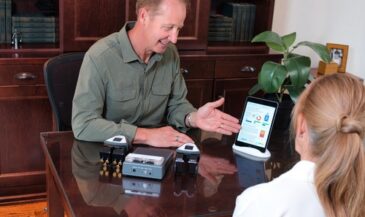
Low HRV during sleep can start the conversation, but the office examination gives you a structured opportunity to investigate further. Wearable sleep data describe information collected at home. INSiGHT scanning technology adds findings gathered during chiropractic assessment. Each source has its own recording conditions, purpose, and limitations.
This distinction helps patients understand why an office result may differ from their nighttime average. Posture, breathing, recording length, time of day, and recent activity can influence HRV. The aim is to interpret each source appropriately and follow comparable findings over time.
neuroPULSE Adds Office-Based HRV Analysis
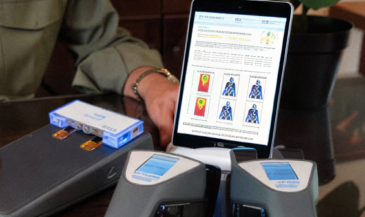
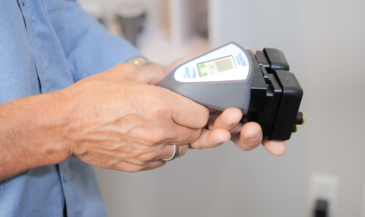
The neuroPULSE supports analysis of cardiac autonomic regulation within the chiropractic examination. Its Rainbow Graph provides a visual reference for discussing findings and adaptive reserve. Patients do not need to memorize technical parameters to understand why you establish a baseline and reassess under similar conditions.
For someone concerned about low HRV during sleep, this creates an additional clinical reference point. The office assessment retains its own baseline rather than being compared directly with an overnight average. It does not determine sleep stages or identify the cause of a sleep complaint.
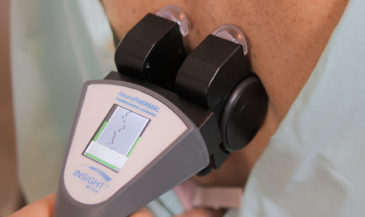
neuroCORE and neuroTHERMAL Add Complementary Findings
The three technologies contribute different information:
- neuroPULSE: Provides heart rate variability analysis that supports discussion of cardiac autonomic regulation and reserve.
- neuroCORE: Uses surface electromyography to analyze paraspinal electrical activity, including activity levels and symmetry associated with patterns of motor output and postural tension.
- neuroTHERMAL: Analyzes paraspinal skin temperature patterns, providing information related to temperature regulation and autonomic influences on skin blood flow.
Together, these findings broaden the examination beyond the patient’s overnight number. The chiropractor considers them alongside history and physical findings when deciding what deserves attention. None of the instruments establishes that a spinal finding caused disrupted sleep or that an adjustment will normalize a wearable result.
Make Progress Easier to Explain
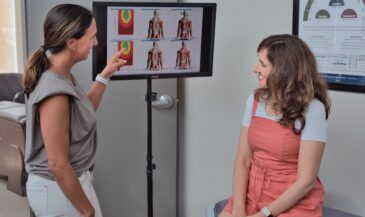
The INSiGHT software organizes scan views and comparative reports into a format patients can follow. The RED framework provides a useful sequence: Reserve through neuroPULSE, Energy through neuroCORE, and Depth through neuroTHERMAL. CORESCORE combines information from the three technologies into a reporting metric, distinct from a sleep score or diagnosis.
The Rule of 3 Scans helps organize baseline, response, and trajectory. You establish a starting point, assess subsequent findings, and look for a clearer pattern across examinations. Reassessment timing follows clinical judgment. The chiropractor develops the care plan; the technology supplies objective exam data and reporting that support interpretation and patient communication.
Research into autonomic responses to chiropractic adjustments does not justify promising improved nighttime readings. A 2024 randomized cervical manipulation study found no significant, between-group differences, in its principal autonomic outcomes and did not establish an overnight sleep benefit. That leaves a clear, useful role for scanning: documenting findings responsibly while evaluating the patient’s experience over time.
Help Patients Understand Recovery Beyond the Number
Low HRV during sleep deserves a thoughtful explanation, especially when a patient is already frustrated about feeling tired. Begin with their experience. Ask what has changed, how they function during the day, and what their nights actually feel like. Then place the reading within that broader picture.
A reassuring app score should not distract from persistent fatigue or breathing concerns. A disappointing result should not erase a night the patient experienced as restorative. Help patients recognize patterns without turning every fluctuation into a problem. Their observations and your clinical findings both matter.
For chiropractors, low HRV during sleep offers a natural opportunity to explain nervous system performance. Neurological scanning adds a shared reference point that supports clearer examination and re-exam conversations. When findings improve, explain what improved. When the pattern remains unclear, reconsider the assessment and seek additional evaluation where appropriate.
At CLA, INSiGHT Scanning helps chiropractors examine, explain, and follow nervous system performance with objective information. Bring that clarity to the sleep conversation. Establish a baseline, interpret it carefully, and show patients what you will monitor. That gives them something more useful than another score: an understandable reason for the next step in their care.