

That is where autonomic nervous system dysfunction becomes such an important conversation for chiropractors. The autonomic nervous system is the nervous system that controls automatic functions, including blood pressure, heart rate, blood flow, digestion, sweating, temperature regulation, and the widening or narrowing of blood vessels. When autonomic nervous system dysfunction occurs, the patient may not simply feel “off.” Their nervous systems may be struggling to adapt, regulate, and recover.
Now, let’s be clear from the start. Autonomic nervous system dysfunction, also called dysautonomia, can be connected to complex medical situations that require proper diagnosis and tests. But for the neurologically-focused chiropractor, this subject also opens the door to a deeper and more useful conversation about nervous system performance, vertebral subluxation, neurological interference, and objective neurological scanning.
What Is Autonomic Nervous System Dysfunction?
Autonomic nervous system dysfunction refers to disruption in the part of the nervous system responsible for automatic functions. These are the functions of the body most patients never think about until something begins to fluctuate. They do not consciously tell their heart to beat, their blood pressure to adjust, their sweat glands to respond, or their digestive system to move food along. Those responses are coordinated by the autonomic nervous system.
The autonomic nervous system is part of the body’s larger neurological communication network. The central nervous system includes the brain and spinal cord. The peripheral nervous system includes the nerves that connect the body back to the central nervous system. The ANS is made of parts of both, which is why autonomic nervous system dysfunction may involve more than one organ, one sign, or one body system.
That matters for chiropractors because chiropractic has always been about more than spinal regions alone. The spine houses and protects major neurological pathways. Vertebral subluxation, neurological interference, and nerve tension can alter how the body organizes information, responds to demand, and expresses adaptability. When we talk about autonomic nervous system dysfunction, we are talking about one of the most important expressions of nervous system performance.
The ANS is commonly described through two major branches:
- Sympathetic activity: This branch prepares the body for action. It influences heart rate, vascular tone, alertness, blood pressure, and the body’s response to demand.
- Parasympathetic activity: This branch supports recovery, digestion, calming regulation, and vagal influence on the heart and other systems.
A resilient nervous system should be able to move between activation and recovery. It should not be stuck in sympathetic overdrive, and it should not be too depleted to respond when the body needs action. Autonomic control is about whether the body can adapt, not only whether one sign is present or absent.
Dysautonomia is a broad term used when autonomic regulation is not working properly. Autonomic dysfunction may affect one function, such as blood pressure, or it may affect many body systems at once. That is why one patient may present with dizziness and faint episodes, while another may describe digestion changes, abnormal sweat patterns, or difficulty with temperature regulation.
Common Signs, Symptoms, and Types of Autonomic Dysfunction
The signs and symptoms of autonomic nervous system dysfunction can appear scattered because the ANS touches so many automatic functions. Patients rarely walk in saying, “I have autonomic nervous system dysfunction.” They are far more likely to describe a collection of body signals that seem unrelated at first.
A patient may report dizziness, lightheadedness, faint episodes, fatigue, abnormal sweating, changes in digestion, chest pain, blurry vision, heat intolerance, bladder changes, bowel changes, or sexual dysfunction. They may notice blood pressure drops when standing, or they may feel that their heart rate is too fast, too slow, or unpredictable. These symptoms of autonomic dysfunction can be confusing for patients because they affect so many different areas of daily life.
Cardiovascular autonomic dysfunction often shows up in the relationship between blood pressure and heart rate. Orthostatic hypotension refers to low blood pressure or a drop in blood pressure when a person stands. Symptoms of orthostatic hypotension may include dizziness, lightheadedness, weakness, or feeling like they may faint. Some patients may experience postural intolerance, where being upright creates signs that ease when they sit or lie down.
Another commonly discussed form is postural orthostatic tachycardia syndrome, often shortened to POTS. People with POTS may experience an abnormal rise in heart rate when standing, along with fatigue, dizziness, postural intolerance, and other signs. POTS may also be described as postural tachycardia syndrome or a tachycardia syndrome. This deserves appropriate medical evaluation, but the broader lesson for chiropractors is that autonomic regulation is tied to posture, cardiovascular response, and adaptive capacity.
Autonomic signs may also involve temperature regulation and sweat responses. Some patients may sweat excessively, while others may have a reduced ability to sweat, creating heat intolerance. Others may describe digestive changes, constipation, diarrhea, delayed stomach emptying, or difficulty swallowing. Autonomic dysfunction can result in signs far beyond what most patients would ever associate with the spine or nervous system.
There are several types of autonomic dysfunction and related medical conditions that providers may evaluate. These forms of autonomic dysfunction include autonomic neuropathy, autonomic failure, pure autonomic failure, familial dysautonomia, autoimmune autonomic ganglionopathy, multiple system atrophy, and MSA. Some autonomic nervous system disorders may occur as a primary autonomic condition, while others may be related to an underlying disease.
Common causes or associated situations discussed in medical literature include diabetes, infections, autoimmune conditions, lupus, parkinson’s disease, neurodegenerative disorders, alcohol-related causes, and other neurological or systemic conditions. Multiple system atrophy can include symptoms similar to parkinson’s disease. Autonomic neuropathy is often discussed in relation to diabetes. Autoimmune autonomic ganglionopathy is associated with immune system involvement. These are medical categories, not chiropractic labels.
That distinction matters. Chiropractors should not use symptoms of autonomic dysfunction to diagnose autonomic nervous system disorders outside their scope. But when a patient describes signs that may affect autonomic function, the neurologically-focused chiropractor should pay attention. Those signs may indicate that the patient’s nervous system status deserves a more complete examination and, when appropriate, referral or collaboration with other providers.
Learn more about INSiGHT scanning?
Fill this out and we’ll get in touch!
"*" indicates required fields
Why Autonomic Dysfunction Can Be Challenging to Diagnose
Autonomic nervous system dysfunction can be challenging to diagnose because it rarely presents as one neat complaint. The nervous system that controls automatic functions touches so many areas that one patient may be sent to cardiology for blood pressure concerns, another to gastroenterology for digestion, another to urology for bladder issues, and another to neurology for suspected autonomic nervous system problems.
This is one reason patients can feel frustrated. They may have signs involving blood pressure, heart rate, sweat, digestion, postural intolerance, or fatigue, but each sign may be evaluated separately. Dizziness may be assessed through a cardiovascular lens. Faint episodes may raise questions about orthostatic hypotension, reflex syncope, blood pressure drops, or blood flow to the brain.
Medical diagnosis and tests may include a tilt table test, heart rate variability analysis, sweat testing, blood pressure monitoring, heart rate monitoring, and lab tests. Depending on the presentation, diagnosis and treatment may involve neurologists, cardiologists, endocrinologists, urologists, gastroenterologists, or primary care providers. That is appropriate, especially when signs are persistent, severe, progressive, or connected to an underlying disease.
Some forms of autonomic nervous system dysfunction may be temporary or improve when the underlying cause is addressed. Others may be chronic and require coordinated medical care. Diagnosing and treating an autonomic disorder depends on the patient’s history, exam findings, risk factors, and specialist interpretation. This is also why treating autonomic conditions should remain in the hands of the appropriate licensed provider.
For chiropractors, this is where responsibility and opportunity meet. We are not replacing medical evaluation. We are not claiming that every autonomic concern comes from vertebral subluxation. We are saying that the nervous system deserves objective attention, especially in a profession built on understanding the relationship between the spine, the brain, and the body’s ability to adapt.
The practical issue is this: signs alone do not tell the full story. A patient may feel better before their nervous system has fully reorganized. Another patient may feel “fine” while scan views show patterns of neurological distress or reduced adaptability. This is why neurologically-focused chiropractors need more than a symptom conversation. They need objective exam data that helps reveal how the nervous system is functioning over time.
How Neurologically-Focused Chiropractic Looks at Autonomic Regulation
Neurologically-Focused Chiropractic Care begins with a simple but profound premise: the nervous system coordinates the body’s ability to adapt. That includes movement, posture, recovery, digestion, blood pressure regulation, heart rate responsiveness, and the body’s response to neurological distress.
When patients think about chiropractic, many still think in terms of spinal regions, symptoms, or short-term relief. But chiropractors know there is a deeper story. The spine is not just a stack of vertebra. It is a neurological gateway. When vertebral subluxation creates neurological interference or nerve tension, the concern is not only what a patient feels. The greater concern is how the nervous system is adapting, compensating, and regulating.
Autonomic nervous system dysfunction is really a performance conversation. A resilient nervous system should be able to increase sympathetic output when needed, return toward parasympathetic recovery when appropriate, maintain blood pressure and heart rate responsiveness, support digestion, regulate blood flow, and coordinate temperature and sweat responses. It should be flexible, responsive, and adaptive.
This is why symptom-only care can limit the chiropractic conversation. If a patient only values care when signs are loud, they may miss the more important question: How well is my nervous system performing? Autonomic nervous system dysfunction may fluctuate before the patient has a clean story. Neurological distress may show up in posture, motor tone, thermal regulation, adaptive reserve, or heart rate variability before the patient can explain it clearly.
Chiropractic research has discussed vertebral subluxation in relation to somatic and autonomic nervous system changes. Objective analysis methods such as Heart Rate Variability, surface EMG, and thermal scanning can help assess functional patterns related to autonomic activity, postural tension, and nervous system performance. That does not mean subluxation is the cause of every form of dysautonomia. It means chiropractors should evaluate the full neurological picture with the best tools available.
In practice, that means the chiropractor should look at the patient through multiple layers:
- History: What signs does the patient report, and do any require medical referral or collaboration?
- Chiropractic exam: Where does the doctor identify vertebral subluxation, neurological interference, or altered function?
- Objective neurological scanning: What does the data suggest about autonomic balance, postural tension, and adaptive reserve?
- Care plan: How does the chiropractor interpret the findings and design recommendations based on the patient’s needs and goals?
- Progress analysis: How does the patient’s nervous system status fluctuate over time?
That kind of process creates clarity. It also creates a better patient conversation. Instead of simply saying, “Your symptoms are improving,” the chiropractor can show the patient how their nervous systems are responding, adapting, and changing under care.
How INSiGHT Scanning Technology Helps Chiropractors See Autonomic Patterns More Clearly
Autonomic nervous system dysfunction can be difficult for patients to understand because so much of it is invisible. They cannot see autonomic control shifting. They cannot see the nerves of the ANS responding to neurological distress. They cannot see how heart rate variability reflects adaptation or how thermal patterns may reflect segmental autonomic regulation. They can only feel the effects, and sometimes even those effects are confusing.
This is exactly where INSiGHT scanning technology changes the conversation. It gives chiropractors objective exam data and scan reports that help make nervous system performance visible. When patients see their nervous system in living color, the conversation shifts. It is no longer only about how they feel today. It becomes about how well their nervous system is adapting over time.
It is important to say this plainly. INSiGHT scanning technology does not diagnose dysautonomia, autonomic neuropathy, postural orthostatic tachycardia syndrome, multiple system atrophy, autoimmune autonomic ganglionopathy, or other autonomic nervous system disorders. It provides objective neurological exam data that the chiropractor interprets as part of a chiropractic assessment. The chiropractor then uses this data, along with clinical findings and professional expertise, to design the patient’s care plan.
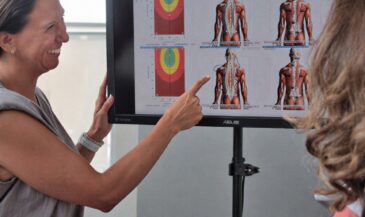
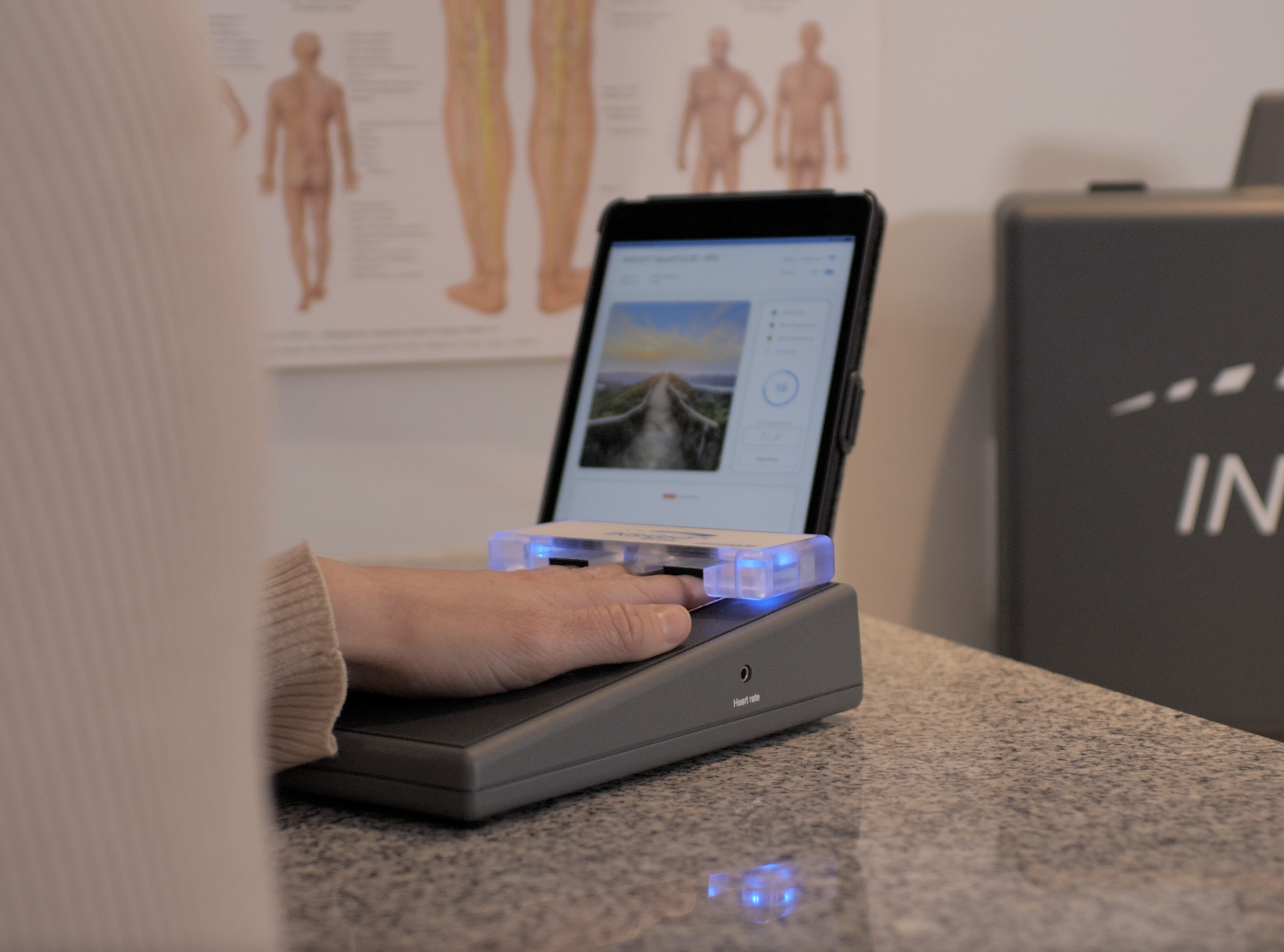
The neuroPULSE analyzes Heart Rate Variability, one of the most practical ways to evaluate autonomic balance and adaptive reserve. HRV reflects the relationship between sympathetic and parasympathetic activity and gives the chiropractor insight into how the patient’s ANS is responding to demand. The Rainbow Graph turns complex autonomic data into a scan view that helps both doctors and patients understand nervous system performance more clearly.
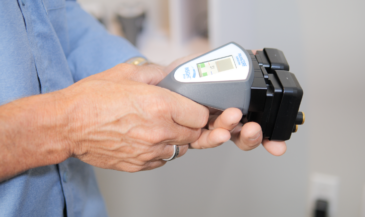
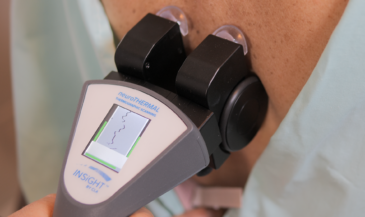
The neuroTHERMAL analyzes temperature patterns along the spine. Since temperature regulation, sweat, blood flow, and blood vessels are deeply connected to autonomic function, thermal scanning gives chiropractors a valuable view into segmental autonomic patterns. A full spine nerve system scan can be completed quickly and efficiently, helping the chiropractor visualize where autonomic patterns may be showing up along the spine.
The neuroCORE analyzes surface EMG patterns to help evaluate postural tension, symmetry, motor tone reactions, and energy expenditure. Autonomic nervous system dysfunction is often discussed through cardiovascular or sweat regulation, but the body does not operate in separate compartments. Motor tone, posture, autonomic regulation, and adaptive capacity all contribute to the larger neurological picture.
Synapse software brings the data together in a way that helps chiropractors communicate clearly. It turns complex scan findings into reports and scan views that patients can understand. That is where the value becomes practical in the exam, the report of findings, and the progress scan.
The workflow is simple and powerful:
- Initial scan: Establish a baseline of nervous system status.
- Report: Use scan views to explain what the data suggests.
- Care plan: Interpret the exam data and design recommendations based on the patient’s needs.
- Progress scan: Track how the patient’s nervous system changes over time.
- Continuation scan: Reinforce long-term nervous system performance and adaptability.
This is where INSiGHT neuroTECH and Synapse software support the heart of Neurologically-Focused Chiropractic Care. They help move the conversation from isolated symptoms to function, from guessing to objective analysis, and from short-term relief to measurable nervous system performance.
Bringing the Autonomic Conversation Back to Nervous System Performance
Autonomic nervous system dysfunction is complex because it can affect many functions of the body. Blood pressure, heart rate, digestion, sweat, temperature regulation, postural response, recovery, and resilience all live inside this conversation. That is why patients may describe a long list of signs that do not seem connected at first.
Medical evaluation matters, especially when signs are significant, persistent, progressive, or related to autonomic dysfunction through a known disease process. Chiropractors should recognize when referral or collaboration is appropriate. That level of responsibility strengthens the chiropractic profession and protects the patient.
At the same time, chiropractors should not shy away from the nervous system conversation. This is our lane. Autonomic nervous system dysfunction gives us a practical way to explain that the body is not simply a collection of separate complaints. It is one connected neurological system working every moment to adapt.
When that system is under neurological distress, the signs may show up in many different ways. When the chiropractor can analyze nervous system performance objectively, the patient gains clarity. When patients gain clarity, they begin to understand the why behind care.
That clarity changes everything.
When you can show a patient what their nervous system is doing, you help them stop thinking only about symptoms and start understanding performance, adaptability, and progress. INSiGHT scanning technology gives chiropractors the objective neurological data to support that conversation with confidence. And when patients finally see the why behind their care, they stop counting visits and start valuing results.