

In many offices, the chiropractic assistant is the first person a patient meets and the last person a patient sees before leaving. That role carries real influence. A calm greeting, a clean schedule, strong administrative support, and clear service can change how the entire office feels. In a busy clinic, patients do not only evaluate the chiropractor. They evaluate the team, the communication, the workflow, and whether the office seems organized enough to support their care. Chiropractic assistants help create that impression on a daily basis.
For chiropractors, this is not a small topic. Chiropractic assistants do far more than fill a job at the front desk. They provide support, protect office systems, improve communication, and help the patient understand what comes next. In a modern practice, especially one that uses objective neurological data, the chiropractic assistant becomes a vital part of how the office runs, how the patient receives information, and how the overall experience stays clear and successful.
What Chiropractic Assistants Actually Do in a Chiropractic Office
The role of chiropractic assistants can vary from one office to another, but the core function stays remarkably consistent. A chiropractic assistant helps the chiropractor run an efficient, patient-centered practice. In some offices, that work is mostly administrative. In others, the chiropractic assistant may also provide limited clinical assistance under supervision, depending on local rules, training, and the structure of the clinic. Either way, chiropractic assistants are essential to the daily rhythm of the practice.
At the front of the office, chiropractic assistants commonly manage the schedule, answer the phone, greet each patient, process payments, and maintain communication with the team. These administrative duties may look simple from the outside, but they are critical to how the practice functions. A missed detail in the schedule, a poor handoff, or a weak follow-up process can create confusion that affects the patient experience and the work of the practitioner.
Behind the scenes, a chiropractic assistant may also maintain the electronic record, help manage patient files, organize history forms, and support billing and insurance workflows. In some settings, chiropractic assistants also assist with preparing patients, taking basic information, and supporting therapies or other specific procedures where permitted. The exact task list can differ, but the larger point is clear: chiropractic assistants help bridge the gap between office systems and patient care.
Common responsibilities in the chiropractic assistant role
A chiropractic assistant may handle a wide range of responsibilities on a daily basis, including both service and support functions that help the office run effectively.
- Administrative support such as answering the phone, greeting patients, scheduling appointments, updating the schedule, collecting payments, and managing administrative duties
- Record management including maintaining the patient record, handling electronic files, documenting visit flow, and helping ensure accurate data entry
- Billing support through payment collection, billing tasks, and helping with insurance processes where required
- Clinical assistance such as preparing patients, recording history, taking basic information, and providing assistance with approved therapies or procedures
- Team communication by helping the chiropractor, practitioner, and team stay aligned during a busy day in the clinic
Because chiropractic assistants touch so many parts of the office, their role is not minor. It is central to how the clinic feels, how patients move through the day, and how well the chiropractor can stay focused on the highest level of professional work.
Why Chiropractic Assistants Matter More Than Many Chiropractors Realize
A chiropractic office is not simply a place where a practitioner delivers an adjustment and moves on to the next patient. It is a healthcare setting where people seek clarity, direction, and confidence. That is why chiropractic assistants matter so much. They help patients feel seen, prepared, and supported. They help maintain order. And they reduce the friction that can quietly weaken an otherwise excellent practice.
Patients are often very good at noticing whether an office feels calm or chaotic. They know when communication is clear and when it is not. They know when the team seems aligned and when no one appears to understand what comes next. Chiropractic assistants often protect the patient experience in these moments. They help resolve uncertainty, maintain flow, and support the systems that keep care from feeling rushed or confusing.
This is one reason chiropractic assistants can influence retention so strongly. A patient may not fully understand every detail of chiropractic care or healthcare terminology, but that patient understands whether the office feels organized and trustworthy. If the patient is guided well, receives clear communication, and experiences consistent service, the office feels more stable. That does not replace the chiropractor’s clinical judgment, but it absolutely supports it.
For a successful practice, chiropractic assistants are not only extra help. They are part of the structure that allows the entire team to work at a higher level. Their support can protect the schedule, strengthen communication, improve service, and help the clinic maintain momentum on even the busiest day.
Why the patient experience depends on strong support
- Clear communication helps the patient understand office flow, visit timing, and next steps
- Reliable service gives patients confidence in the practice overall
- Consistent support helps reduce missed details and scheduling breakdowns
- Professional teamwork helps the office function smoothly and effectively
When chiropractors underestimate the value of chiropractic assistants, they often end up doing work that should be delegated, repeated, or better organized. When they invest in the right support, the entire office tends to become more stable and more successful.
Learn more about INSiGHT scanning?
Fill this out and we’ll get in touch!
"*" indicates required fields
The Skills, Education, and Training That Make a Great Chiropractic Assistant
Not every chiropractic assistant enters the profession from the same background. Some come from customer service, some from general healthcare, and some from a chiropractic assistant education program. Others may begin with online learning, on-the-job training, or a certification path offered in their state or region. In the United States, the exact requirements can vary, but the need for strong preparation remains the same. A chiropractic assistant who is undertrained may struggle to support the office effectively. A chiropractic assistant with the right education and training can become one of the most valuable people in the clinic.
The best chiropractic assistants are rarely defined by one degree or one program alone. What matters most is the combination of skill, professionalism, and a willingness to keep learning. This role requires organization, communication, emotional steadiness, and the ability to manage details without losing sight of the patient experience. It is not enough to be friendly. A chiropractic assistant must also understand office systems, maintain the record accurately, and work well within a team.
For chiropractors, hiring and training should be intentional. A great chiropractic assistant does not simply memorize a task list. That person learns how the office functions, how patient communication should sound, and why each process matters. Whether a practice uses internal training, an online program, a certification track, or a hybrid approach, the goal is the same: build a highly capable team member who can support the practitioner with confidence.
That is also why ongoing learning matters. The strongest chiropractic assistants continue to advance over time. They may explore additional education, seek better communication skill, learn new software, specialize in certain office systems, or pursue a certification that helps certify their knowledge. A chiropractor who wants long-term team stability should treat CA development as an investment, not an afterthought.
Core qualities chiropractors should seek in a chiropractic assistant
- Communication skill that is warm, clear, and professional
- Administrative strength in scheduling appointments, record management, and office systems
- Clinical awareness sufficient to support approved procedures and preparing patients
- Learning ability for online systems, software, workflow changes, and new training
- Professional judgment when handling private health information and team communication
- Work ethic that helps the clinic maintain consistency on a daily basis
For anyone considering the chiropractic assistant career path, salary, employment opportunity, and education options may all be important. But for the chiropractor hiring the position, the better question is this: can this person provide excellent support, understand the office mission, and help the practice function at a high level every day?
How Chiropractic Assistants Improve Patient Understanding and Office Systems
Patients do not stay in a practice only because they hear more facts. They stay because the process makes sense. Chiropractic assistants contribute to that more than many offices realize. They help the patient understand where to go, what to expect, what forms are needed, how the schedule works, and what happens next. That may sound basic, but it has a powerful effect on trust and follow-through.
In a chiropractic setting, many people arrive with limited knowledge of what the office does, how often they may need visits, or how their history and current concerns relate to the doctor’s recommendations. The chiropractic assistant helps make that experience less overwhelming. Good communication at the front desk and throughout the visit helps the patient receive information in a way that feels manageable and clear.
Chiropractic assistants also strengthen the internal systems that support the patient journey. They may manage the electronic record, support history intake, maintain communication among providers, and help ensure that no patient is lost in the shuffle. They often help manage transitions between check-in, visit flow, therapies, billing, and follow-up. When those systems are weak, even a strong chiropractor can feel stuck putting out fires. When those systems are strong, the practice becomes easier to lead.
This is why the chiropractic assistant role should be viewed as both relational and operational. These team members support patients with service and communication, but they also support the office with structure, organization, and accountability. That combination is what helps a practice feel clear from the first call to the final checkout.
How chiropractic assistants help the office function better
- Patient preparation through preparing patients, intake support, and clear expectations
- Workflow support by helping manage transitions and maintain the schedule
- Documentation support through accurate record handling and electronic systems
- Follow-through with service, reminders, and communication that helps patients receive what they need
- Problem solving when the team needs help to resolve a scheduling issue, payment concern, or communication gap
When a chiropractic assistant understands the purpose behind these systems, the office becomes more resilient. That is especially important in a current healthcare environment where patients expect convenience, professionalism, and clear communication at every step.
Why Chiropractic Assistants Matter Even More in an INSiGHT Scanning-Centered Practice
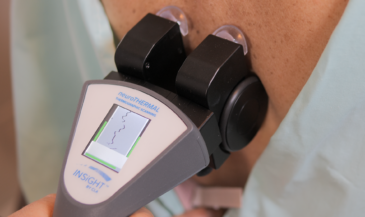
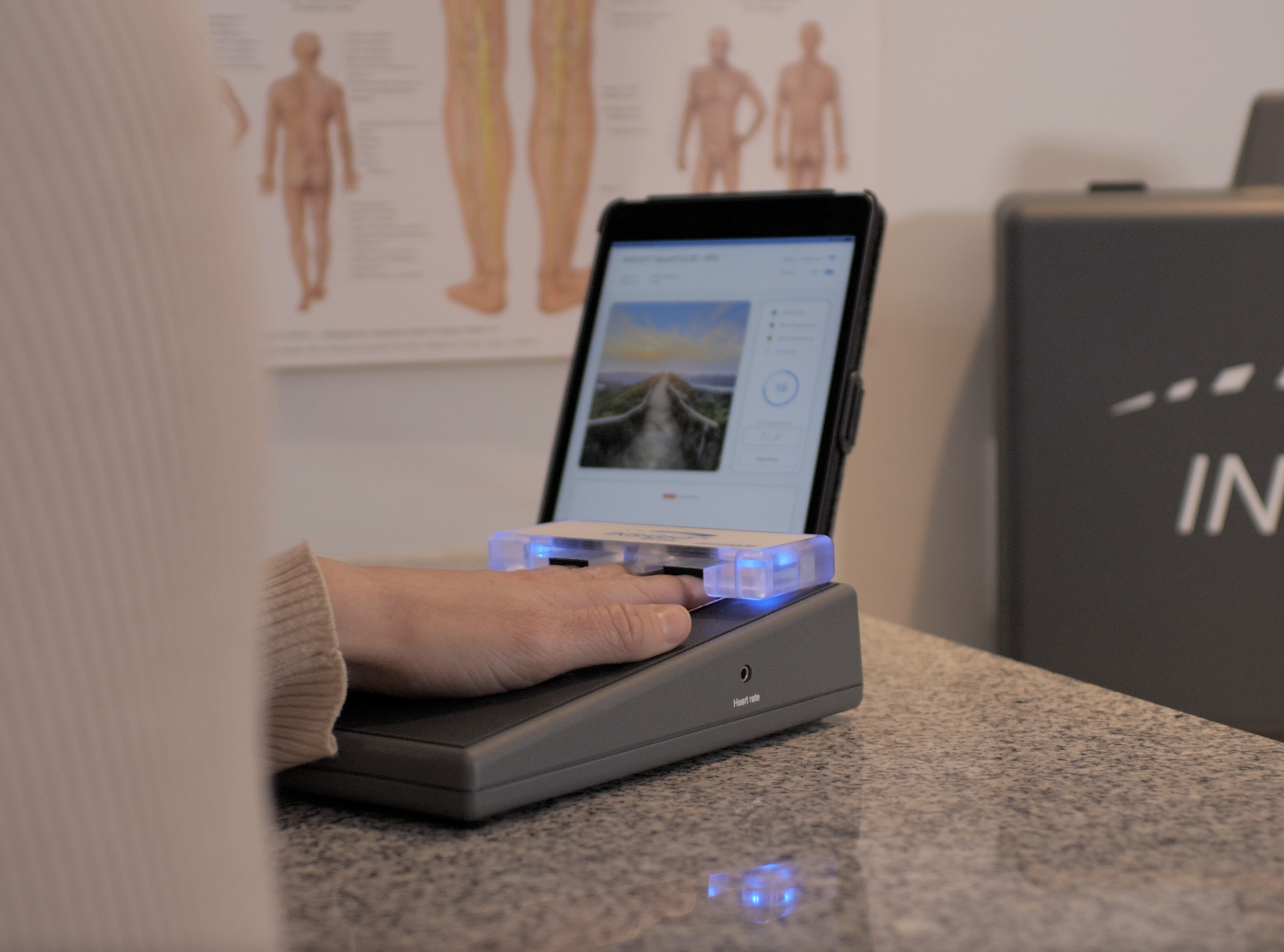
In a neurologically focused office, chiropractic assistants become even more important because the practice is built around more than observation alone. It is built around objective analysis, better communication, and measurable data over time. That is where INSiGHT scanning technology strengthens the work of the chiropractor and the support role of the team. When a practice uses objective findings to help patients understand nervous system performance, the office needs systems that can support that process clearly and effectively.
To be clear, the chiropractic assistant does not interpret scan results or build the care plan. INSiGHT scanning technology does not create care plans either. It provides objective exam data and visual reports that support the chiropractor in creating recommendations with greater certainty. But chiropractic assistants can absolutely support the workflow around that process. They can help manage scan timing, maintain the schedule for re-scans, support communication before and after reports, and help ensure patients understand where they are in the visit process.
This matters because objective findings change the way patients relate to chiropractic care. With neuroPULSE, neuroCORE, and neuroTHERMAL, the chiropractor can analyze adaptability, postural tension, and segmental stress trends through measurable exam procedures. With Synapse software, that information becomes visual and easier to understand. When patients can see data instead of relying only on explanation, the office gains a more clear and consistent way to communicate progress. Chiropractic assistants help support that communication by keeping the process organized and by reinforcing the structure around the scans and reports.
That is one of the most practical ways chiropractic assistants connect to modern practice growth. They are not only handling administrative duties. They are helping a scan-centered office function at a higher level. They support the team, strengthen service, and help maintain a patient experience built around clarity, consistency, and objective findings. In that kind of office, chiropractic assistants are not just support staff. They are a vital part of how the practice delivers a higher standard of professional communication and patient understanding.
How chiropractic assistants support INSiGHT workflow
- Schedule support for scans, re-scans, and report timing
- Patient flow support by helping patients understand what happens next
- Communication support that reinforces the purpose of objective analysis without replacing the chiropractor
- Team coordination so the clinic can function smoothly around scan procedures and reporting
- Data awareness through accurate record handling and better workflow around objective findings
Building a Better Practice Starts With a Better Team
Chiropractic assistants are one of the most valuable people in a modern chiropractic office because they help hold the entire experience together. They support the patient, strengthen communication, manage administrative work, maintain the record, and help the chiropractor stay focused on the highest-value parts of clinical care. Their job is both practical and vital.
For chiropractors, the message is simple. If you want a practice that feels more organized, more professional, and more effective, do not overlook the chiropractic assistant role. Invest in education, training, communication, and systems. Help your team understand the mission of the office. Build a structure that allows chiropractic assistants to provide real support, not just basic assistance.
And in a practice that uses INSiGHT scanning technology, that investment becomes even more meaningful. Objective analysis gives the office a better way to understand and communicate nervous system performance. A well-trained chiropractic assistant helps that clarity reach the patient at every stage of the visit. When the doctor, the team, and the technology all work in accord, the result is a more clear, more successful, and more patient-centered practice overall.