
In a chiropractic setting, that matters. Patients can tell you what hurts. They can describe their emotional state. They can put on a calm facial expression. But the nervous system does not always match the story. What is galvanic skin response really showing us? It shows how strongly the autonomic nervous system is responding to the environment we’re in, moment by moment, through changes in skin conductance.
When you understand what is galvanic skin response and how it fits into neurological scanning, you stop guessing about intensity. You stop assuming that “fine” means calm. And you gain another objective way to explain nervous system performance, adaptability, and response to stress. That shift alone can change how patients understand their care plan and why consistency matters.
What Is Galvanic Skin Response and What Does It Measure
What is galvanic skin response from a measurement standpoint? Galvanic skin response, also known as skin conductance or electrodermal activity, measures the electrical conductance of the skin. You may also see it referred to as EDA. All of these terms describe the same phenomenon. The conductivity of our skin fluctuates based on sweat gland activity, especially eccrine sweat glands.
The skin conducts electricity. When sweat glands in the skin become more active, the skin becomes more conductive. That creates an increase in skin conductance, which can be measured with a GSR device. This is why galvanic skin response measures physiological arousal so reliably. It is not subjective. It is not influenced by personality. It reflects real changes in skin conductivity driven by the nervous system.
It is important to be clear about what galvanic skin response does and does not measure. GSR does not identify the type of emotion someone is feeling. It does not label fear, joy, or frustration. Instead, it reflects the level of emotional arousal and physiological arousal. A positive experience and a negative experience can both produce an increase in arousal. The galvanic skin response signal reflects intensity, not meaning.
In practical terms, galvanic skin response measures how much the body is reacting. It shows changes in sweat gland activity that alter the electrical conductivity of the skin. This is why galvanic skin conductance is often described as an objective response measure. The body responds automatically, regardless of what someone says or how they present themselves.
- Galvanic skin response is also known as skin conductance and electrodermal activity.
- It reflects sweat glands in the skin becoming more active.
- It measures changes in skin conductance and skin resistance.
- It shows the level of emotional arousal and physiological arousal.
For chiropractors, this matters because it shifts the conversation away from symptoms and toward nervous system performance. When you can show objective data instead of relying on a patient’s description, understanding improves and trust follows.
The Neurological and Physiological Foundations of GSR
To understand what is galvanic skin response at a deeper level, you have to understand the autonomic nervous system. This system regulates automatic functions such as heart rate, breathing, digestion, skin temperature, and sweat gland activity. Galvanic skin response is closely tied to sympathetic activity within the autonomic nervous system.
When the nervous system encounters a stimulus, whether it is physical, emotional, or environmental, it may shift toward a fight-or-flight response. That shift increases sweat gland activity, especially eccrine sweat gland activity. As sweat ducts fill, the skin surface chemistry changes. The electrical conductivity of our skin rises. Skin becomes more conductive, and the galvanic skin response signal reflects that change.
This is why galvanic skin response is such a powerful indicator of arousal. It captures the body’s response to stimuli automatically. The response is measured without relying on conscious awareness. A person can appear calm, maintain a neutral facial expression, and still demonstrate rapid changes in skin conductance that indicate elevated physiological arousal.
Clinically, this distinction is critical. Emotional arousal changes in response to the environment we’re in all the time. The emotional response that we experience also shows up in the body, even when we are unaware of it. GSR provides insights into emotional arousal without requiring interpretation of mood or behavior. It simply reflects how intensely the nervous system is responding.
This is why galvanic skin response is often used in research and applied settings to study response to stress and response to stimuli. Whether the stimulus is positive or negative, the gsr signal shows the level of arousal. That makes it an objective way to discuss nervous system reactivity and adaptability.
Learn more about INSiGHT scanning?
Fill this out and we’ll get in touch!
"*" indicates required fields
How Galvanic Skin Response Is Measured and Interpreted
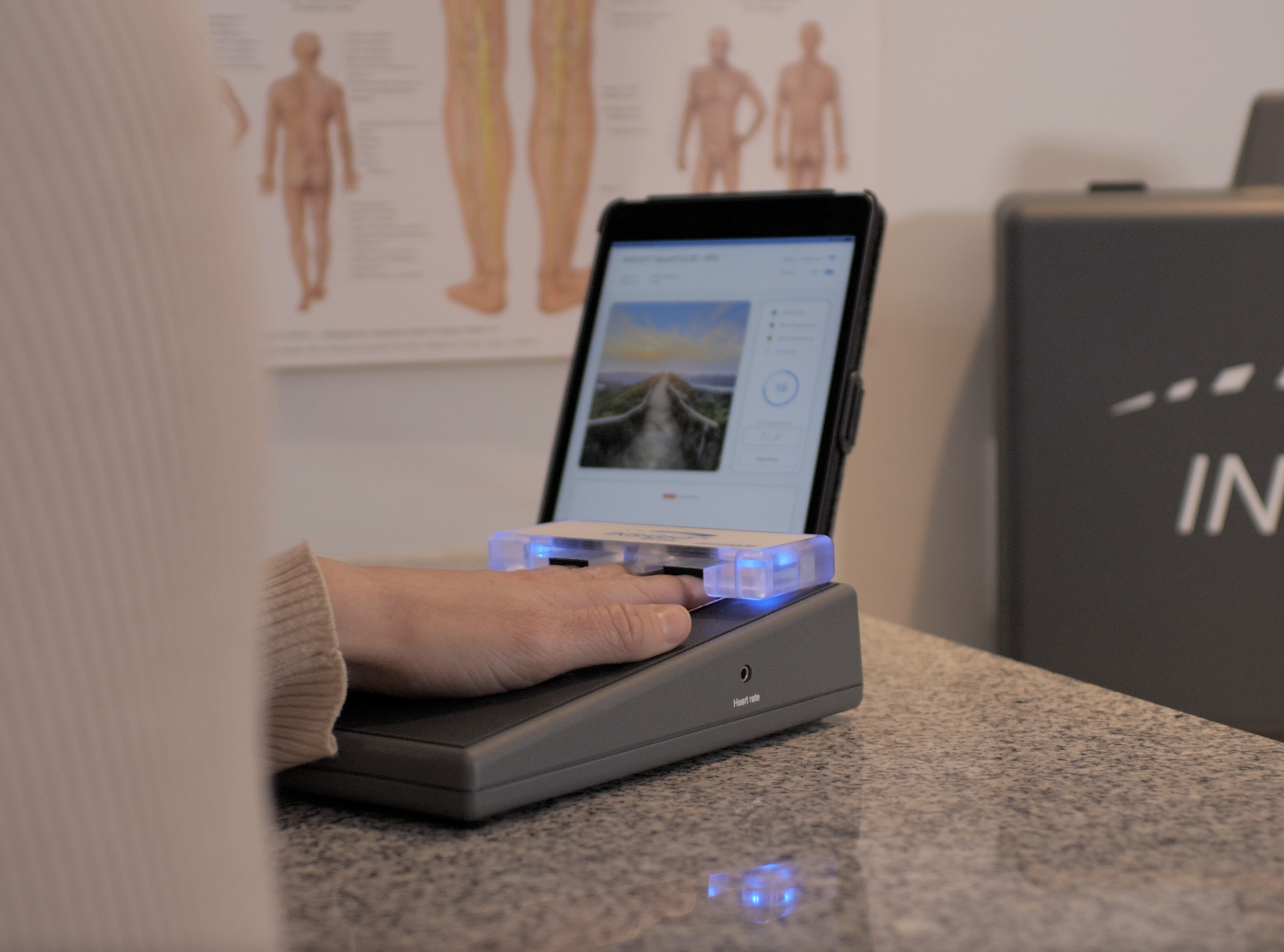
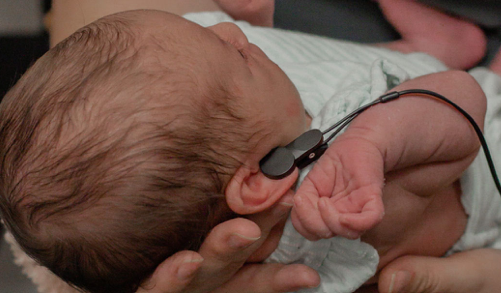
Galvanic skin response measurement works by detecting changes in electrical activity at the skin surface. A gsr sensor and electrode are used to measure how easily electricity passes across the skin. In many systems, electrodes placed on the skin are located on the fingers or palms because those areas contain a high density of eccrine sweat.
The signal travels from the skin and electrode into the GSR device, where GSR measurements are collected. Modern GSR electrodes often use materials designed to improve signal fidelity, and sometimes conductive gel is used to enhance contact. The goal is to capture accurate GSR data that reflects true physiological changes rather than movement or noise.
Interpreting GSR requires understanding two components of the signal. The first is the baseline, often called skin conductance level. This tonic level changes slowly over time and reflects overall arousal. The second is the phasic response, also called skin conductance response. These are the faster peaks that occur after a stimulus. These gsr peaks show rapid changes in skin conductance followed by a gradual return toward baseline.
Researchers and clinicians often examine the number of GSR peaks, their amplitude, and their timing. These response measurements help identify emotional arousal changes in response to a stimulus. Some peaks are directly tied to a stimulus, while others occur without an obvious trigger. Both provide useful information about GSR activity and nervous system responsiveness.
- Skin conductance response reflects quick, phasic changes.
- Skin conductance level reflects baseline arousal.
- GSR peaks indicate changes in response intensity.
- GSR measurements work by detecting changes in skin potential and skin conductivity.
Measurement conditions matter. Skin temperature, movement, and electrode placement can influence readings. When collected properly, galvanic skin response provides a reliable way to measure galvanic skin response and observe how the nervous system reacts in real time.
Clinical and Research Uses of GSR Relevant to Chiropractic
Galvanic skin response has been used for decades across many fields. In GSR research, it appears in studies of emotional arousal, performance, and stress. It is commonly used to validate self-report by adding objective physiological data. GSR is also used in applied settings such as usability testing, performance monitoring, and stress detection.
One of the most practical applications is biofeedback. GSR biofeedback and gsr biofeedback training fall under the umbrella of biofeedback therapy. In these settings, individuals observe their own GSR signal and practice techniques to influence their physiological arousal. The goal is awareness and regulation, not diagnosis. Using galvanic skin response in this way helps people understand how their nervous system reacts and how changes in response occur.
For chiropractors, the value lies in context. GSR provides an objective way to observe response to stress and activity in response to daily demands. It helps explain why someone may feel functional yet show increased skin conductance. It supports conversations about resilience, recovery, and nervous system performance without labeling or blame.
Because galvanic skin response can elicit an emotional response through even subtle stimuli, it reinforces the importance of neurological assessment. The body responds before the mind interprets. GSR provides insights into emotional arousal that complement other objective measures and strengthen patient understanding.
Galvanic Skin Response Within INSiGHT Scanning and Neurological Assessment
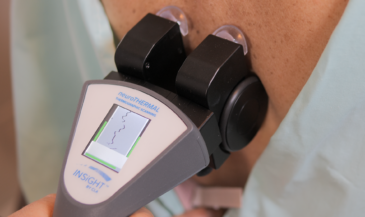
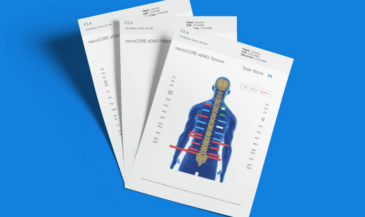
Within INSiGHT scanning, galvanic skin response is not treated as a standalone metric. It is used as part of the neuroPULSE to support accurate autonomic assessment. The neuroPULSE includes galvanic skin response measures to help confirm that the body is in a physiologically calm state during data collection. This ensures that HRV data reflects true baseline nervous system status rather than momentary activation.
This is where GSR works best in a chiropractic setting. It adds context to neurological scanning. When GSR activity indicates elevated arousal during a baseline reading, the chiropractor gains valuable information about nervous system status. That information supports interpretation and helps explain why care planning focuses on regulation, adaptability, and consistency.
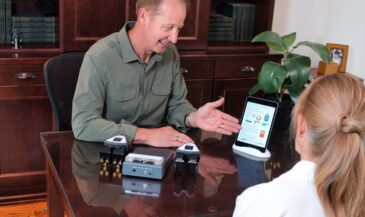
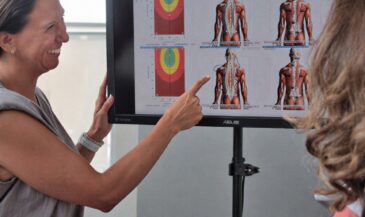
INSiGHT scanning technology does not generate a care plan. It provides objective exam data. Galvanic skin response contributes to that data by showing how the nervous system is responding to the environment we’re in. When patients see response measures visually, understanding improves. They can see changes in gsr over time and appreciate progress beyond symptoms.
By integrating galvanic skin response with other neurological scans, chiropractors move from guessing to clarity. The scans support better conversations, stronger trust, and long-term commitment to care.
Why GSR Belongs in the Neurological Conversation
What is galvanic skin response ultimately teaching us? It teaches us that the nervous system is always responding, whether we notice it or not. Galvanic skin response provides an objective look at that response by measuring changes in skin conductance driven by sweat gland activity and autonomic regulation.
In neurologically focused chiropractic, tools that make the invisible visible matter. GSR supports that mission by showing intensity, arousal, and reactivity without interpretation. When combined with INSiGHT scanning, it strengthens communication, builds certainty, and helps patients understand why chiropractic care focuses on nervous system performance rather than short-term relief.
By understanding what is galvanic skin response and how to interpret it responsibly, chiropractors elevate both their exams and their conversations. Objective data builds trust. Trust builds consistency. And consistency is where meaningful change begins.