
In a profession centered on the spine, posture, and the nervous system, that matters. A sEMG device gives insight into how muscles around your spine are responding to stress, adaptation, compensation, and neurological load. Instead of relying only on observation and patient feedback, chiropractors can use measurable data to better understand what the body is doing in real time.
That is why the conversation around a sEMG device is bigger than muscle alone. In practice, the question is not simply whether a patient has symptoms or whether they feel tight. The real question is whether their body is adapting well. A sEMG device helps measure muscle activity, reveal imbalance, and detect patterns that may reflect postural tension, fatigue, or deeper neurological dysfunction. For chiropractors who want more certainty in the exam, more confidence in communication, and more clarity in progress checks, this technology has become hard to ignore.
When used well, a sEMG device supports the larger purpose of chiropractic care. It helps patients understand what their body is showing before symptoms become the only guide. It helps a chiropractor evaluate compensation, identify abnormal patterns, and communicate why care matters. Most of all, it brings neurological scanning into the center of the conversation, where modern chiropractic is at its strongest.
What Is an sEMG Device in Chiropractic
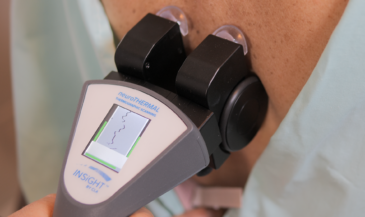
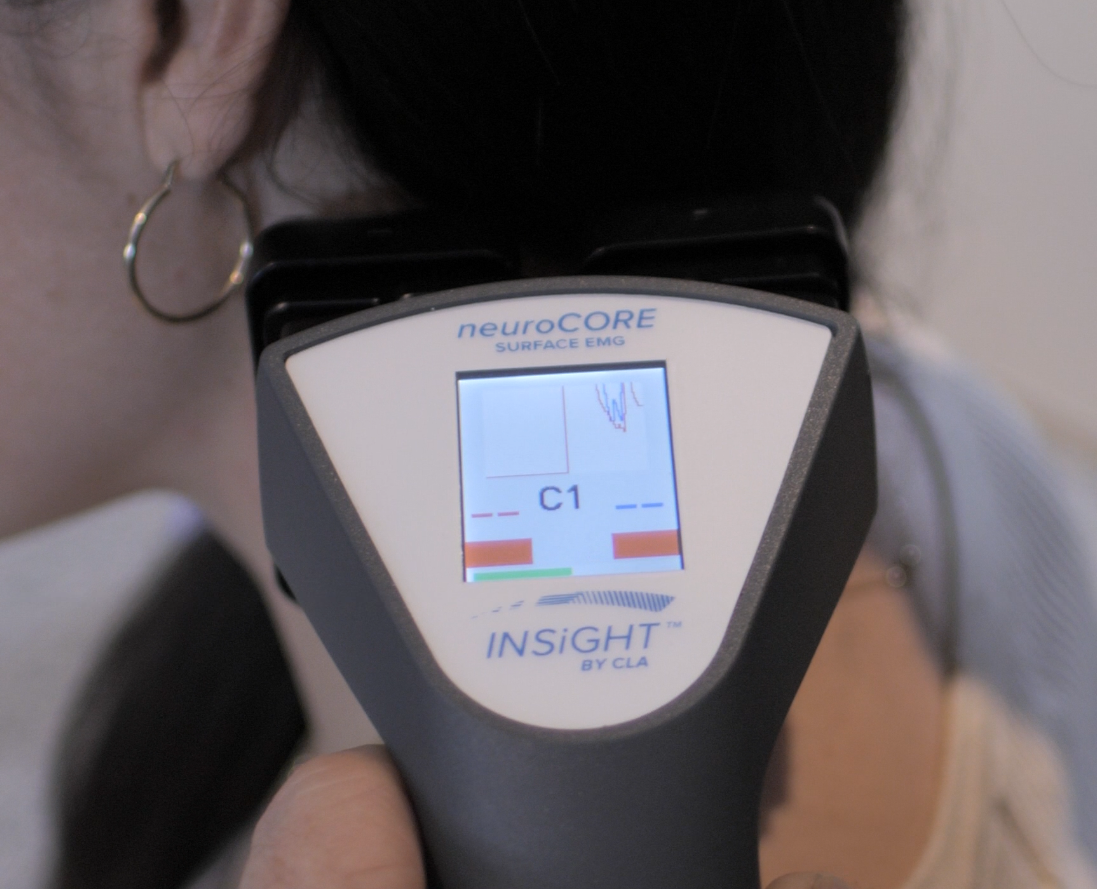
A sEMG device uses surface electromyography to measure the electrical activity of postural and paraspinal muscles through the skin. In chiropractic, that usually means scanning along the spine to see how the muscles are firing from side to side and level to level. Surface EMG is a practical and patient-friendly way to gather this information because it is non-invasive, quick, and easy to repeat. Rather than guessing how the muscular system is responding, the chiropractor can review a real reading.
It is important to distinguish surface electromyography from a needle EMG. In a hospital or specialist setting, a clinician may insert a needle or electrode into tissue for a very different type of EMG study. A sEMG device used in chiropractic does not insert anything into the body. Instead, a sensor or surface electrode is used to detect electrical activity in the muscle from the outside. That makes it far more practical for everyday use in chiropractic care and for repeated progress evaluations.
An easy comparison is an EKG. An EKG looks at the heart’s electrical activity. In a similar way, a sEMG device measures the electrical activity of muscles that help support posture and stabilize the spinal system. The scan does not tell the whole story by itself, but it does give the chiropractor meaningful data about how muscles are responding under load. That is especially useful when posture is shifting, the body is trying to compensate, or there are signs of subluxation-related stress.
This is one reason a sEMG device fits naturally into chiropractic. Chiropractic has always focused on how structure and function relate to the nervous system. A sEMG device simply gives a more objective window into that process. It helps measure whether one side is working harder, whether there is excessive tension, whether there are signs of spasm, and whether muscle activity suggests a body under neurological pressure.
- sEMG gives the chiropractor an objective reading of muscle activity along the spine.
- Surface EMG is different from a needle study because nothing is used to insert into the tissue.
- The scan is designed to support chiropractic analysis, not replace clinical skill.
- A sEMG device makes the exam more visual, understandable, and repeatable.
What a sEMG device Measures and What It Can Reveal
A sEMG device measures muscle output, but in chiropractic that output matters because it reflects how the nervous system is directing the muscular system. Said simply, sEMG technology measures the nerve influence on postural control. If the body is adapting well, the scan tends to show more balanced activity. If the body is under stress, compensation often appears in the form of elevated amplitude, asymmetry, guarding, or fatigue. That is why a sEMG device is so valuable in the exam.
The scan can reveal muscle differentials around the spine, side-to-side imbalance, and regions where muscles are firing abnormally. It can detect elevated tone, high levels of effort, or signs that the body is firing too much in one area just to remain stable. In some cases, a chiropractor may see abnormal muscle firing that suggests the body is overworking around a spinal problem. In others, the reading may show underactive regions where support is lacking. Either way, the information is useful because it highlights how the body is compensating.
This matters because posture is not just structural. It is neurological. When the body senses irritation, instability, or altered signaling, it often responds with tight or contracted muscles, altered amplitude, and muscle tension that can persist even before major symptoms appear. A sEMG device helps identify those patterns early. It does not diagnose every condition, but it does detect whether the body is adapting efficiently or whether dysfunction is developing beneath the surface.
Many chiropractors appreciate sEMG because it can help pinpoint the root cause of why a patient looks or functions the way they do. The scan may reveal nerve firing in the muscles that is inefficient, asymmetrical, or excessive. It may show that paraspinal muscles are overworking to stabilize a region affected by vertebral subluxation or other spinal stress. When the chiropractor can identify those changes, communication becomes clearer and the exam becomes more precise.
- Abnormal patterns can reflect imbalance, fatigue, or compensation.
- The scan can detect muscle activity that suggests dysfunction before symptoms become obvious.
- It helps identify whether muscles around your spine are overworking or underperforming.
- A sEMG device measures muscle differentials around postural regions in a way that supports better analysis.
What the scan can help a chiropractor identify
A sEMG device can reveal abnormal muscle firing, postural asymmetry, and neurological stress patterns that deserve attention. It may show areas where a spinal nerve is under irritation, where muscular support is inefficient, or where the body is trying to compensate for a misalignment or subluxation. It can also help evaluate whether blood flow and circulation may be affected indirectly by ongoing postural load and chronic muscular guarding. When those patterns are visible, the chiropractor has a better chance to correct them at the source rather than chase symptoms alone.
Learn more about INSiGHT scanning?
Fill this out and we’ll get in touch!
"*" indicates required fields
Why Chiropractors Use a sEMG device in the Exam and Progress Process
One of the biggest strengths of a sEMG device is that it is useful at more than one point in care. On the first visit, it helps establish a baseline reading. That gives the chiropractor something objective to compare against later. As care continues, repeat scans help evaluate whether the body is adapting, whether tension is decreasing, and whether the muscular system is becoming more efficient under care. In that way, the device becomes part of the progress process, not just the first exam.
This is especially helpful in chiropractic care because symptoms do not always tell the whole story. A patient may say they feel better one week and worse the next. That does not always mean the body is regressing. A sEMG device helps measure whether the deeper pattern is improving. If muscle activity is becoming more balanced and less guarded, that is meaningful. If the body still shows persistent overload, the chiropractor can recognize that and adjust communication or timing accordingly. That is one of the reasons many practices find it easier to personalize recommendations when they use objective scans.
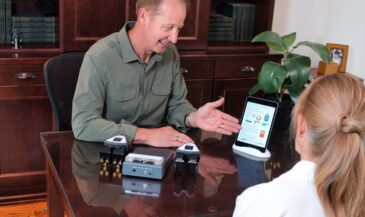
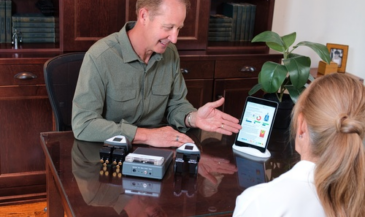
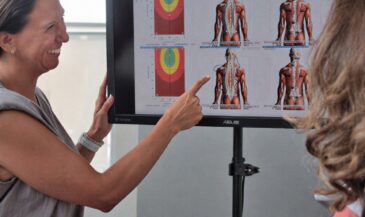
A sEMG device also improves patient education. It is one thing to tell someone their posture reflects stress. It is another to show them a visual reading and explain how that reading reflects adaptation. That kind of objective communication supports stronger care plans and better understanding. Patients can see why chiropractic adjustments are being recommended, why progress checks matter, and why the goal is more than short-term symptom relief. They begin to understand well-being and wellness in terms of function, not just comfort.
For the chiropractor, that means better decision-making. A sEMG device helps evaluate when the body is trending toward more optimal stability and when it still needs attention. It does not replace hands-on skill, spinal palpation, or clinical reasoning. It strengthens all of those things. With repeatable data, a chiropractor can refine timing, improve communication, and support patients toward quicker and longer-lasting results.
- Baseline scans create a starting point for future comparison.
- Progress scans help measure whether muscle activity is becoming more balanced.
- Objective data can improve patient understanding of chiropractic care.
- Repeat readings help the chiropractor evaluate adaptation over time.
Why Neurological Scanning Gives a sEMG device More Meaning
A sEMG device is most useful when it is understood as part of neurological scanning, not as a stand-alone muscle test. The body does not organize around muscle alone. It organizes around the nervous system. That is why posture, compensation, and motor control need to be viewed through a neurological lens. A sEMG device helps reveal what is happening in the motor system, but its meaning grows when the chiropractor connects that data to broader neurological function.
In practical terms, sEMG provides a view of how the body is spending energy to manage gravity and stabilize the spine. It shows whether muscle activity is efficient or wasteful. It shows whether the body is guarding, overworking, or underperforming. This can be especially important when there are subluxations, postural shifts, or long-standing health concerns that have changed the way the body adapts. A sEMG device helps detect those trends earlier and more clearly.
This is also where sEMG and thermography work so well together. Thermography gives insight into autonomic patterns. sEMG gives insight into motor patterns. One looks at stress expression through thermal change, and the other measures the electrical activity linked to the muscular system. Together, they give a chiropractor a fuller picture of neurological adaptation. That is why many neurologically-focused practices do not want to rely on one type of scan alone.
When a chiropractor combines motor and autonomic findings, it becomes easier to pinpoint where the body is under stress and why. The scan may suggest a vertebral region under load, a muscular response tied to a spinal problem, or a pattern of instability that needs attention. This kind of precision helps the chiropractor better communicate what is happening and why the patient needs support if they are going to adapt well, heal well, and thrive.
- Neurological scanning gives context to what a sEMG device reveals.
- sEMG helps analyze motor output while thermography helps analyze autonomic expression.
- Together, they support a more complete chiropractic exam.
- This approach helps the chiropractor move beyond guesswork and toward precision.
How INSiGHT Scanning Brings sEMG Into Today’s Chiropractic Practice Ecosystem
If chiropractors want to see where the profession is heading, they only need to look at INSiGHT scanning. INSiGHT sEMG through neuroCORE brings sEMG technology into an exam process that is visual, reproducible, and clinically useful. It helps chiropractors analyze the motor side of spinal function by showing how muscles respond along the spine. That means a sEMG device is no longer just a technical add-on. It becomes part of a broader neurological exam strategy.
With neuroCORE, the goal is not simply to collect numbers. The goal is to understand what those numbers mean in real practice. The scan helps measure muscle activity, review amplitude, and evaluate whether the body is spending too much energy to remain stable. It can show whether muscles are firing abnormally, whether there is imbalance from side to side, and whether the body is showing patterns consistent with postural compensation. That gives the chiropractor better information to support care plans and clearer conversations with patients.
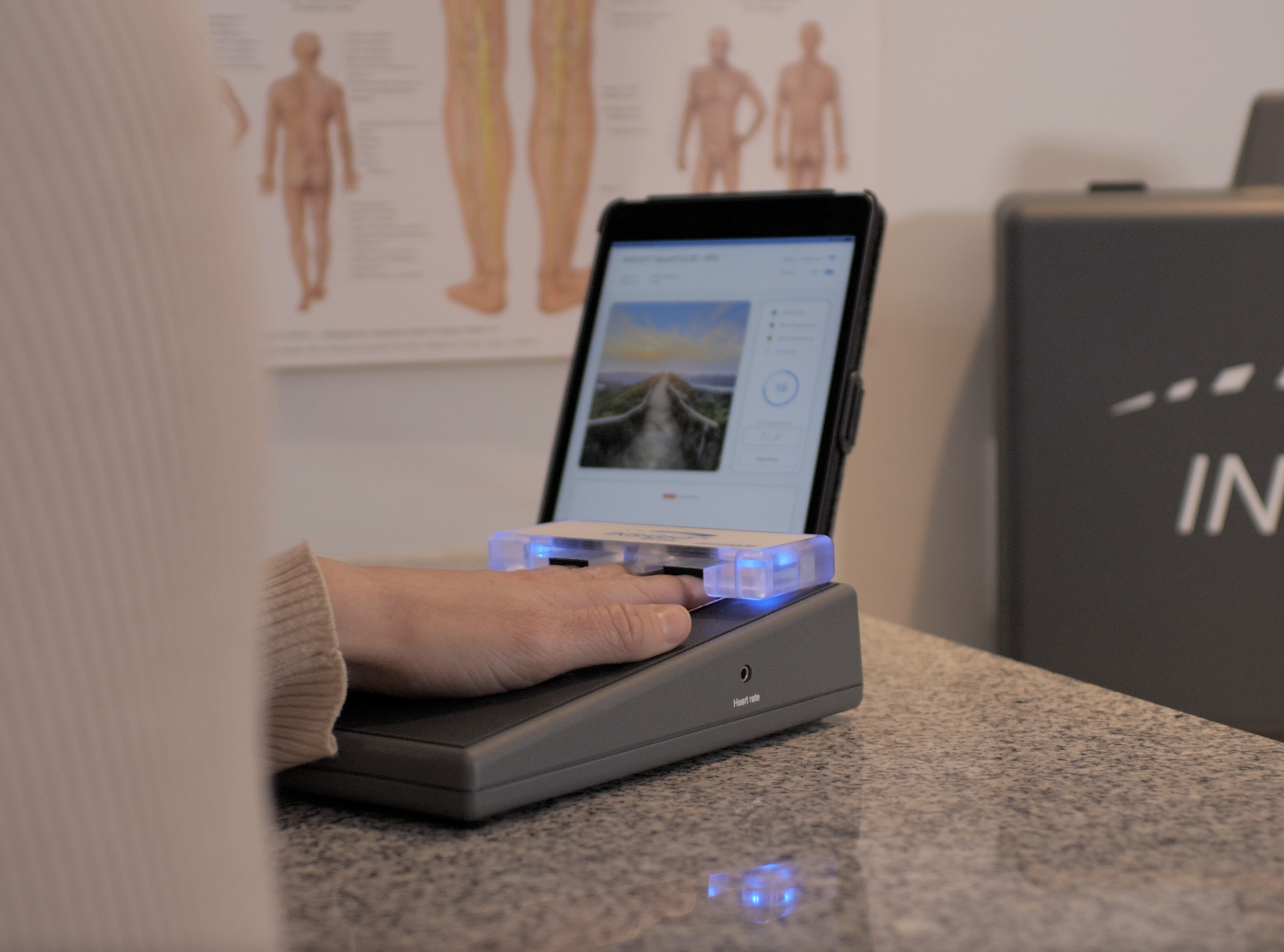
INSiGHT scanning becomes even more powerful because neuroCORE does not stand alone. It works alongside neuroTHERMAL and the larger INSiGHT neuroTECH and Synapse software environment. That means a chiropractor can review motor findings, compare them with thermography findings, and communicate results in a way patients can actually understand. This makes the report more meaningful, the re-exam more visual, and the whole process more aligned with the future of chiropractic.
It is important to say this clearly. INSiGHT technology does not create treatment plans for the chiropractor. It produces objective exam data and reports that support interpretation, communication, and better-informed care plans. That distinction matters. The doctor still leads. The scan simply brings more certainty, more clarity, and more measurable support into the process. For modern chiropractic, that is a major advantage.
- INSiGHT sEMG through neuroCORE helps bring objective motor analysis into everyday practice.
- The technology measures the nerve signaling influence on postural muscle behavior.
- Synapse software helps the chiropractor communicate scan results more clearly.
- INSiGHT scanning ties the sEMG device back to neurological scanning, where it belongs.
A Smarter Way to Understand What the Body Is Showing
A sEMG device matters in chiropractic because it helps a chiropractor measure what the body is doing instead of guessing what it might be doing. It makes muscle activity visible. It helps detect dysfunction earlier. It supports better progress evaluation. And it gives patients a clearer understanding of why care matters. In a profession that has always valued the connection between structure, function, and the nervous system, that is a meaningful step forward.
When used as part of neurological scanning, a sEMG device becomes more than an exam tool. It becomes a communication tool, a progress tool, and a clinical confidence tool. It helps identify patterns that deserve attention, supports more personalized care, and brings the chiropractor closer to the root cause of why the body is struggling to adapt. That is why this technology continues to earn its place in modern chiropractic.
The future of chiropractic will not be built on guesswork. It will be built on skilled hands, sound reasoning, and objective findings that help doctors and patients see what is really happening. A sEMG device fits beautifully into that future, especially when it is tied back to INSiGHT scanning and the larger goal of understanding nervous system performance with more clarity and confidence.