
That is why the fight or flight nervous system matters so much in chiropractic. The fight-or-flight response is not just an emotional reaction. It is a physiological response coordinated through the brain, nervous system, adrenal glands, hormone activity, heart rate, blood flow, blood sugar, and the body’s alarm system.
For Neurologically-Focused Chiropractors, this conversation opens the door to something bigger than stress management. It helps patients understand that their nervous system may be showing a pattern of activation, adaptation, and recovery that deserves a closer look.
What the Fight or Flight Nervous System Really Means
The phrase fight or flight nervous system usually refers to activation of the sympathetic nervous system. This is the branch that helps prepare the body for action when a perceived threat appears. It is fast, powerful, protective, and necessary.
The autonomic nervous system helps regulate automatic functions your patient does not have to consciously control. These include breathing, digestion, temperature regulation, heart rate, circulation, and recovery. Within this system, the sympathetic branch acts like the gas pedal, while the parasympathetic nervous system acts more like the brake pedal.
That is an important distinction. The fight or flight nervous system is not bad. The body needs fight-or-flight. If a car swerves into your lane, if danger appears suddenly, or if your body needs a quick response under acute stress, this survival mechanism helps you react. It helps the body to fight or flee when needed.
The concern begins when the fight or flight nervous system stays activated longer than it should. A resilient nervous system can activate when needed and then return toward rest and digest once the stressful event has passed. A dysregulated nervous system struggles to shift gears.
That is the chiropractic opportunity. Patients often focus on how they feel, but chiropractors are looking at how well the nervous system adapts. The question is not only whether the patient feels better today. The better question is whether their nervous system is moving toward better regulation, resilience, and performance.
How the Fight-or-Flight Response Works Inside the Body
The fight-or-flight response begins when the brain detects a trigger. That trigger may be a true physical threat, an emotional challenge, a traumatic memory, a demanding schedule, or any situation the brain interprets as unsafe. The amygdala helps identify danger, while the central nervous system and hypothalamus help coordinate the response to stress.
Once the sympathetic nervous system is activated, the body begins a cascade of stress hormones. The adrenal glands release adrenaline and cortisol. Adrenaline supports fast reaction. Cortisol helps sustain energy availability and influences cortisol levels, blood sugar, alertness, and longer stress adaptation.
The fight-or-flight response and its role is to prepare the body for immediate action. During activation of this response, the body makes a series of rapid physiological adjustments:
- Heart rate increases so the body can circulate oxygen more quickly.
- Blood pressure and heart rate rise to support immediate movement.
- Breathing speeds up to bring more oxygen into the system.
- Blood flow shifts toward the muscles, increasing flow to the muscles for action.
- Blood sugar becomes more available for fast energy.
- Postural tension increases as the body prepares to move.
- Digestion slows because survival takes priority.
This acute stress response is useful in the right moment. The body’s stress response helps someone react, protect, perform, and survive. In a short-term situation, acute stress can be beneficial because it prepares the body to fight the threat or escape it.
The challenge is that modern life can trigger a stress response even when there is no true physical danger. A late-night email, financial pressure, poor sleep, family conflict, or constant mental strain can activate the same response systems. The body may not know the difference between a tiger, a deadline, or a difficult conversation. If the nervous system perceives threat, the body’s response can still be intense.
This is why the fight or flight nervous system deserves a place in chiropractic education and patient communication. Patients often think stress is only in their mind. Chiropractors can help them understand that the stress system involves the brain, spine, hormones, breathing, circulation, muscle tone, and recovery capacity.
Learn more about INSiGHT scanning?
Fill this out and we’ll get in touch!
"*" indicates required fields
What Happens When Patients Feel Stuck in Fight-or-Flight Mode
The fight or flight nervous system was designed for short bursts of activation. The body identifies danger, mobilizes energy, responds, and then returns toward regulation. But many patients today experience chronic stress that keeps the sympathetic system engaged more often than it should be.
When the parasympathetic branch does not get enough opportunity to calm your body, the patient may begin to feel stuck in fight-or-flight mode. This does not always look dramatic. It may look like poor sleep, irritability, digestive changes, guarded posture, shallow breathing, difficulty relaxing, or feeling depleted after minor demands.
In chiropractic practice, these patterns often show up in the body. You may see postural tension through the spinal region, paraspinal guarding, poor adaptability, or signs of sympathetic arousal. The patient may call it anxiety and stress. You may recognize a deeper pattern involving the fight or flight nervous system.
Patients may describe this state in everyday language:
- They feel wired but tired.
- They feel like their body is always bracing.
- They feel exhausted but unable to settle.
- They feel reactive over small things.
- They feel stuck even when life slows down.
- They feel like their recovery does not match their effort.
The fight or flight nervous system can also be understood through the broader fight-flight-or-freeze response. Fight mode may show up as irritability, defensiveness, or a strong need for control. The flight response may show up as avoidance, overworking, busyness, or the inability to slow down. Freeze may feel like shutdown, numbness, or difficulty taking action. Fawn may show up as over-agreeing, appeasing, or people-pleasing under a perceived threat.
These reactions to stress are often discussed in trauma and mental health settings, so chiropractors should use this language responsibly and within scope. In more complex situations, including PTSD, posttraumatic stress disorder, post-traumatic stress disorder, anxiety disorder, or a stress disorder, these patterns may be part of a broader clinical picture that requires appropriate professional support.
Still, chiropractors have an important role. They can assess nervous system performance. They can explain how the body responds to neurological distress. They can help patients see that the fight or flight nervous system is not just a feeling. It is a measurable physiological pattern that can influence physical and mental health, recovery, and resilience.
How Chiropractors Should Look at the Fight or Flight Nervous System
Most patients still think chiropractic is mainly about the spine, joints, or relief from symptoms. But chiropractors understand that the spine is deeply connected to the central nervous system, and that chiropractic has always carried a bigger nerve-first purpose.
The fight or flight nervous system gives chiropractors a simple, patient-friendly doorway into that deeper conversation. It allows you to talk about adaptation, reserve, recovery, parasympathetic regulation, sympathetic activation, and nervous system performance without overwhelming the patient.
This matters because the sympathetic and parasympathetic relationship influences how people function every day. The sympathetic system helps mobilize energy. The parasympathetic system helps the body recover, digest, rest, and restore. A resilient nervous system can move between both. A dysregulated nervous system may remain in a state of fight-or-flight, even when the original threat is gone.
That is why symptom-only communication falls short. A patient may feel better before their nervous system is adapting well. Another patient may have few obvious symptoms but still show signs of neurological distress, low reserve, or postural tension. Symptoms can fluctuate, but objective analysis helps reveal patterns.
Instead of saying, “You are stressed,” a chiropractor can say:
- Your nervous system looks like it is working hard to adapt.
- We are looking at how well your body moves from activation back into recovery.
- This gives us insight into your nervous system performance, not just how you feel today.
- Our goal is to understand the pattern, not chase every daily fluctuation.
This language changes the conversation. It helps patients understand that chiropractic care is not simply about whether they feel discomfort today. It is about how the nervous system communicates, coordinates, and adapts. That is where brain health, spinal function, and autonomic regulation begin to fit together in a way patients can understand.
The fight or flight nervous system also gives chiropractors a more precise way to explain the effects of stress hormones. When levels of stress hormones remain elevated, and when the effects of stress hormones continue over time, the body may struggle with sleep, digestion, immune regulation, energy, and recovery. Research continues to explore stress hormones on immune function and other regulatory processes, but clinically, chiropractors see the signs of poor adaptability every day.
The key is to stay clear and grounded. Chiropractors are not diagnosing every stress-related situation as a chiropractic issue. They are assessing how the nervous system is performing and communicating that information in a way that helps patients value the deeper purpose of care.
How INSiGHT Scanning Technology Makes Fight-or-Flight Patterns Visible
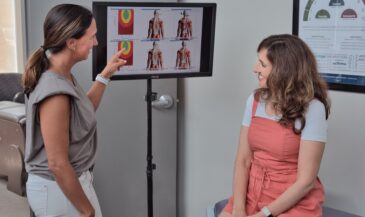
Patients can feel the effects of sympathetic overdrive, but they usually cannot see what their nervous system is doing. That is where INSiGHT scanning technology changes the conversation. It gives chiropractors objective exam data that helps make the fight or flight nervous system easier to understand, explain, and track.
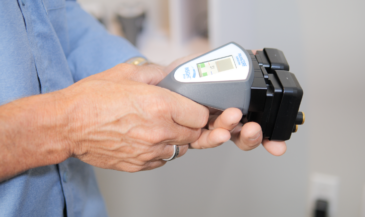
INSiGHT scanning technology does not replace the doctor’s clinical judgment. It does not generate the care plan. It provides objective scan data and reports that support the chiropractor’s interpretation, examination findings, and recommendations. The chiropractor brings the expertise. INSiGHT neuroTECH and Synapse software help make complex neurology simple, visual, and practical.
This matters because the fight or flight nervous system cannot be fully understood by symptoms alone. A patient may report stress and anxiety one day, sleep struggles the next, and a better week after that. But the underlying nervous system pattern may still need attention. Objective scanning gives the doctor a clearer way to analyze activation, recovery, tension, and adaptability.
neuroPULSE and autonomic adaptability
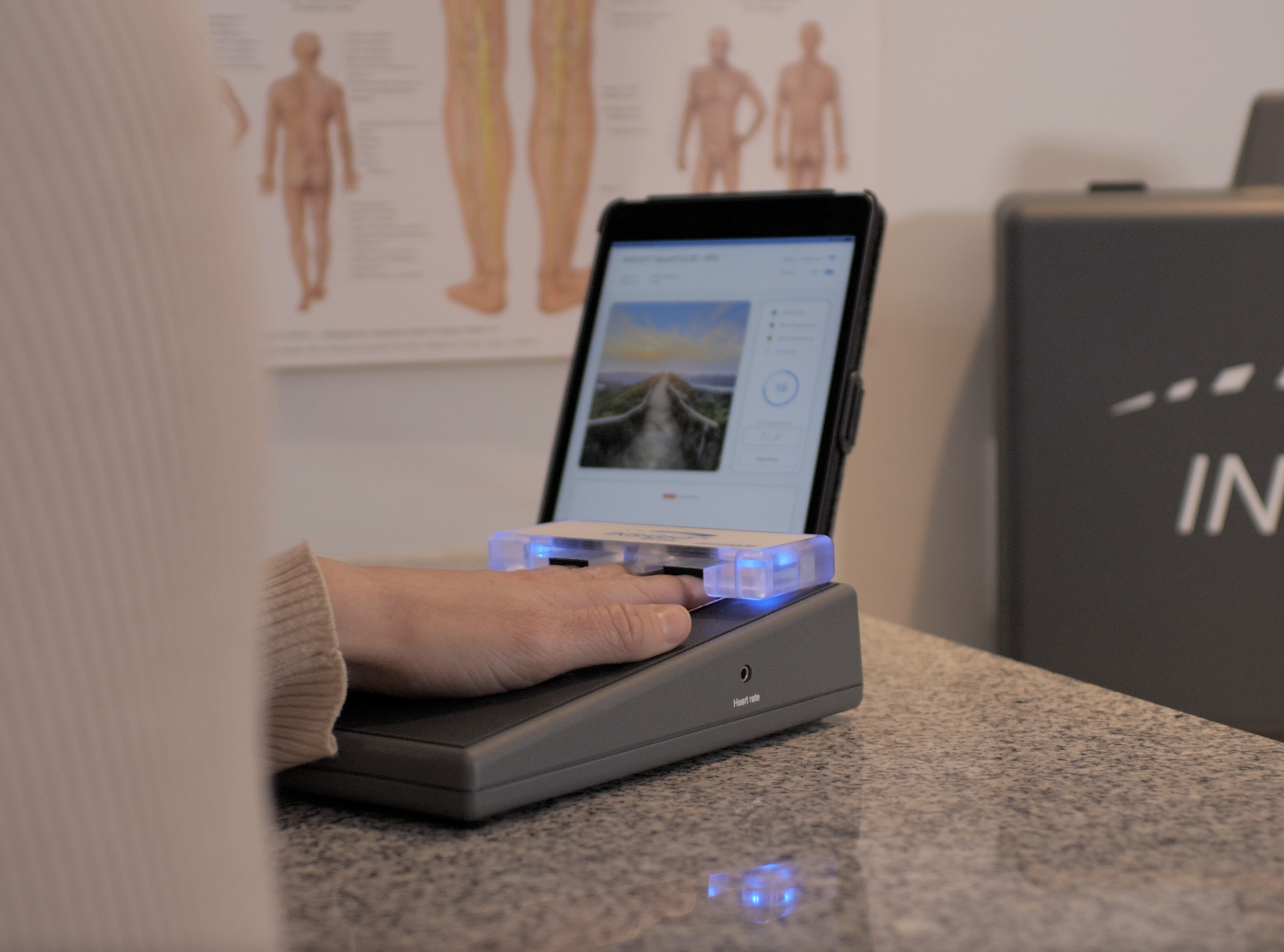
neuroPULSE uses Heart Rate Variability to assess autonomic balance and adaptability. In simple terms, it helps the chiropractor better understand how the patient’s nervous system is moving between sympathetic and parasympathetic activity.
This is directly connected to the fight or flight nervous system. If the body is showing signs of strong activation, depleted reserve, poor recovery, or reduced adaptability, neuroPULSE helps the doctor bring that information into the report conversation. It gives the patient a visual way to understand whether their nervous system is adapting well or working harder than it should.
neuroTHERMAL and autonomic regulation along the spine
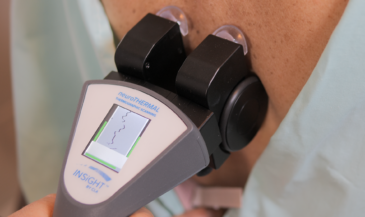
neuroTHERMAL analyzes thermal patterns along the spinal region that relate to autonomic regulation. Because autonomic pathways influence blood vessel control and temperature regulation, thermal scan views can help reveal patterns associated with dysautonomia and sympathetic regulation.
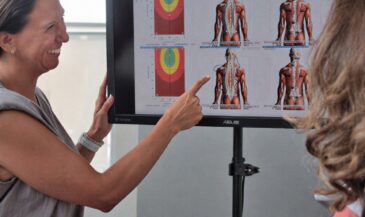
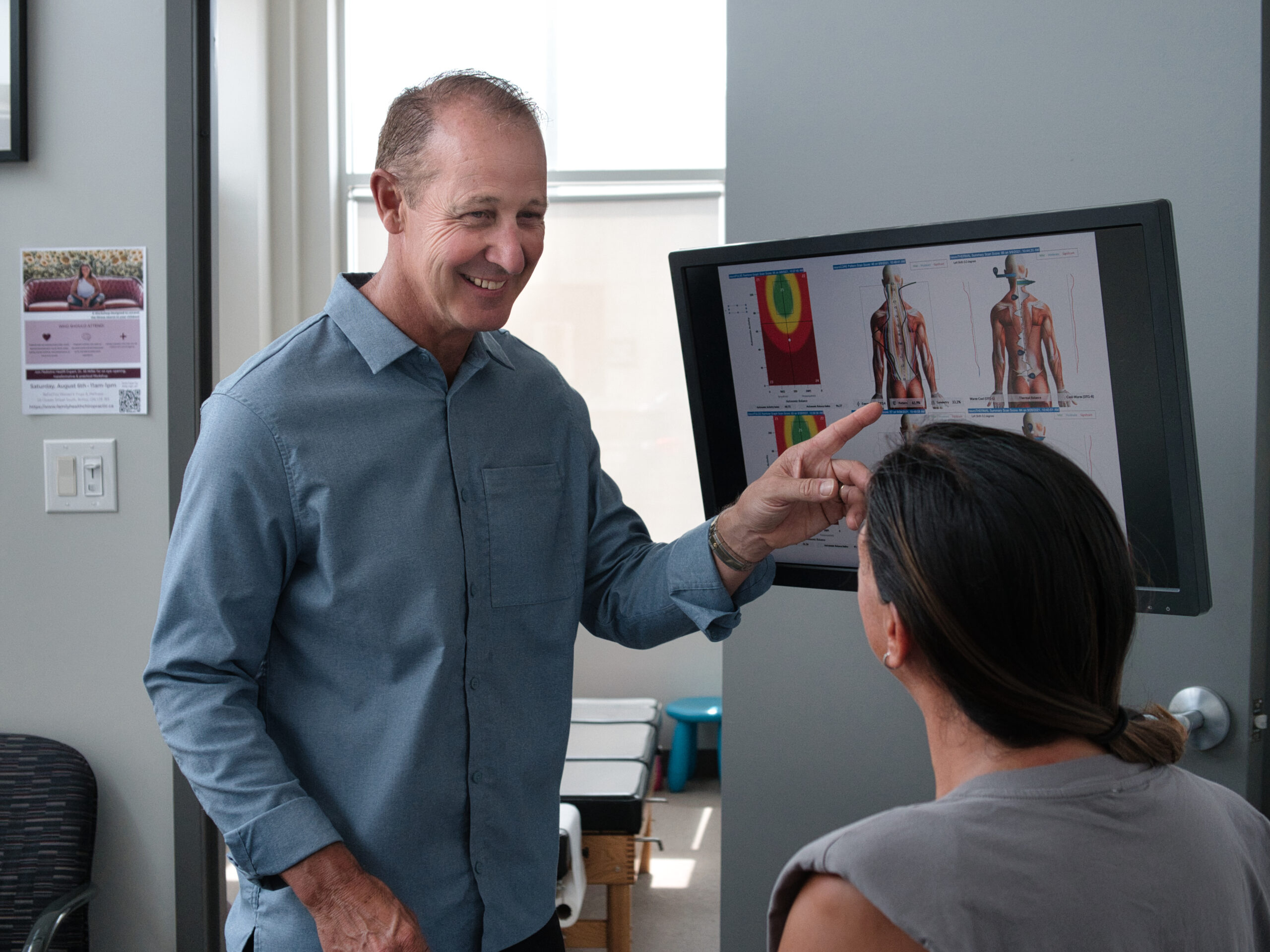
The neuroTHERMAL instrument can complete a full spine nerve system scan quickly, giving doctors scan views that are simple to explain and easy for patients to understand. When patients see areas of imbalance in living color, the fight or flight nervous system becomes less abstract.
neuroCORE and postural tension patterns
neuroCORE analyzes paraspinal muscle activity, energy expenditure, and postural tension. This is important because sympathetic arousal often shows up in the body. Patients may brace, guard, tighten, or carry tension through the spinal region without realizing it.
When neuroCORE shows patterns of motor tone reaction, asymmetry, or excessive energy expenditure, it gives the chiropractor another piece of the neurological picture. It helps show how the body may be responding to neurological distress and whether that pattern is changing over time.
Synapse software and clearer reports
Synapse software helps bring scan data together into reports that make complex neurology easier to communicate. That is a major advantage when explaining the fight or flight nervous system to patients who do not need a neurology lecture. They need clarity.
Instead of relying only on how the patient feels that day, Synapse software supports trend-based conversations. Doctors can compare scan data over time, show changes in nervous system performance, and help patients understand why ongoing care is connected to adaptability, recovery, and resilience.
That is the strength of INSiGHT scanning technology. It gives chiropractors a way to show what words alone often cannot. When patients see patterns of activation, tension, recovery, and adaptation, the report of findings becomes more than an explanation. It becomes a moment of understanding.
Bringing the Nervous System Back Into the Center of the Conversation
The fight or flight nervous system is not just a wellness phrase. It is a real neurological and physiological pattern that affects how patients respond, recover, and adapt. The fight-or-flight response is protective when it happens in the right moment. It becomes a concern when the nervous system keeps reacting as if danger is always nearby.
That is why chiropractors need to keep bringing the conversation back to nervous system performance. Symptoms matter, but they do not tell the whole story. A patient’s ability to move out of sympathetic overdrive and return toward parasympathetic regulation tells us something important about resilience.
The chiropractic profession has always understood that the nervous system matters. Today, Neurologically-Focused Chiropractic Care has the opportunity to explain that truth with more clarity, certainty, and objective data.
When you can analyze the fight or flight nervous system, explain it simply, and track it over time, you give patients something powerful. You help them understand the why behind care. You help them see that their body is not broken. It may simply be responding to perceived threat with patterns that can now be seen, discussed, and followed.
That is the future of chiropractic communication. It is nerve-first, evidence-informed, practical, and deeply human. When patients can finally see their nervous system in a way that makes sense, the entire conversation changes.