
You’ve heard that kind of story before. The details vary, but the pattern is familiar. The patient feels like several body systems are misfiring at once. They may have already searched online and found words like dysautonomia, POTS, orthostatic hypotension, autonomic failure, or autonomic dysfunction. Now they are worried, overwhelmed, and hoping someone can explain it without making it sound worse than it is.
That is where the chiropractor has a tremendous opportunity. To explain autonomic dysfunction to patients well, you have to move the conversation away from isolated symptoms and back to the nervous system. When patients understand that heart rate, blood pressure, digestion, temperature regulation, blood flow, and recovery are all tied into automatic neurological control, the light starts to come on.
Start With the Autopilot Explanation
The easiest way to explain autonomic dysfunction to patients is to start with the autonomic nervous system. This is the part of the nervous system that manages the automatic functions a patient does not consciously control. It helps regulate heart rate, blood pressure, sweat, digestion, bladder and bowel function, pupil response, body temperature, and recovery.
I like to describe it as the body’s autopilot. A patient does not have to tell the heart to beat faster when they stand, tell the blood vessels to tighten when blood pressure drops, or tell the gut to move food along after a meal. Those automatic adjustments happen through the coordination of multiple nervous systems, including the central nervous system, peripheral nervous system, enteric nervous system, autonomic and sensory nervous pathways, and spinal regions involved in input and output.
When autonomic dysfunction occurs, the autopilot is not adapting as smoothly as it should. That does not mean the patient is broken. It means the automatic regulation system may be delayed, overactive, underactive, or poorly coordinated. That simple distinction keeps the conversation hopeful.
You might say, “Your autonomic nervous system is the part of your nervous system that runs automatic functions like heart rate, blood pressure, digestion, sweating, temperature control, and recovery. When it is not adapting well, you can feel signs in several areas at the same time.” That is a clear way to explain autonomic dysfunction to patients without burying them in terminology.
Patients naturally focus on what they feel. If they feel dizziness, lightheadedness, a palpitation, fatigue, or a faint feeling, those experiences become the whole story in their mind. Your role is to help them see the pattern underneath.
- Their symptoms are real, but they are not the whole story.
- Their body may be having trouble adapting automatically.
- The goal is to understand nervous system status, not chase every symptom.
- Objective analysis helps move the conversation from guessing to clarity.
Help Patients Understand the Most Common Autonomic Patterns
Dysautonomia is often used as an umbrella term. It can describe different types of dysautonomia and different types of autonomic disorders. Some patients mainly notice postural signs. Others notice digestion changes, sweat changes, temperature intolerance, fatigue, low blood pressure, or changes in blood pressure and heart rate.
This is where patients can get lost online. They may read about autonomic nervous system disorders, autonomic neuropathies, autonomic dysfunction or autonomic neuropathy, pure autonomic failure, multiple system atrophy, familial dysautonomia, autoimmune autonomic ganglionopathy, baroreflex failure, or autonomic neuropathy in diabetes. Those words matter, but they are medical categories that deserve the right medical evaluation.
In the chiropractic office, the goal is not to diagnose every autonomic disorder. The goal is to help the patient understand nervous system performance, identify subluxation patterns that may be needing attention, and know when collaboration or referral is appropriate. That is one of the most important guardrails when you explain autonomic dysfunction to patients.
Explain POTS in plain language
One of the most common terms patients bring into the office is POTS, which stands for postural orthostatic tachycardia syndrome. Patients may also see it called postural tachycardia syndrome or a tachycardia syndrome. A simple way to explain POTS is this: “POTS is a form of dysautonomia where the body has trouble adapting to standing. When you move upright, your heart rate may rise more than expected because your body is working to keep blood moving to the brain.”
That explanation helps patients understand why posture matters. Standing is not just a musculoskeletal event. It is a neurological and cardiovascular autonomic event. The body has to coordinate blood vessels, blood volume, blood pressure, heart rate, and brain blood flow quickly.
Orthostatic intolerance simply means the body does not tolerate upright posture well. The patient may feel dizziness, lightheadedness, weakness, blurry vision, brain fog, or feel like they may faint when standing. Orthostatic hypotension refers to a drop in blood pressure after standing. When blood pressure drops, the body may struggle to maintain proper blood flow to the brain.
Keep the symptom list useful
The common symptoms of dysautonomia can be broad because the autonomic nervous system influences so many automatic functions. Patients may report autonomic symptoms that seem unrelated until you bring the conversation back to nervous system regulation.
- Dizziness, lightheadedness, or feeling faint
- Heart rate that rises quickly or feels irregular
- Orthostatic intolerance or difficulty standing
- A drop in blood pressure or low blood pressure
- Heat or cold intolerance
- Sweat changes, either too much or too little
- Digestion changes, including nausea, bloating, constipation, or early fullness
- Fatigue, brain fog, or sleep disruption
- Bladder, bowel, or sexual dysfunction
- Vision changes or trouble focusing
That list helps patients feel heard. But do not let the list become the whole visit. The more important conversation is the nervous system status underneath the symptoms of dysautonomia. Patients do not need to memorize every type of autonomic condition. They need to understand that their automatic regulation system may be struggling to adapt.
You can also help patients avoid fear-based internet rabbit holes. Dysautonomia International, The Dysautonomia Project, and the American Autonomic Society are names they may see while researching dysautonomia awareness, living with dysautonomia, treating dysautonomia, autonomic testing, and diagnosis and treatment. Your job is to give grounded context, not overwhelm them with every possible diagnosis.

Learn more about INSiGHT scanning?
Fill this out and we’ll get in touch!
"*" indicates required fields
Explain Causes, Contributors, and When to Refer
Autonomic dysfunction can have many contributors. Sometimes it appears as a primary autonomic condition. Sometimes it is secondary to another condition. Sometimes the patient has autonomic dysfunction associated with diabetes, autoimmune disorders, infection, medication effects, or nervous system injury.
Patients may ask, “What caused this?” That is a fair question, but it requires care. Autonomic dysfunction occurs for different reasons in different people. Some patients connect the onset of symptoms to a viral illness, including COVID-related illness, Lyme disease, HIV, or another infection. Others may have autoimmune conditions, Parkinson’s disease, head or spinal cord injury, vitamin deficiency, long-term heavy alcohol use, or physical deconditioning after illness or inactivity.
This is not the time to make a patient afraid of every possible cause. It is the time to explain that the body is complex and multiple systems can influence autonomic nervous system function. A calm, confident explanation helps the patient feel safer and more willing to follow the right next steps.
Stay inside the chiropractic lane with confidence
You do not need to claim that chiropractic can diagnose and treat every form of autonomic dysfunction to have an important role in this conversation. In fact, patients trust you more when you are clear about scope.
You might say, “There are medical conditions that can affect autonomic function, and those deserve the right medical evaluation. In our office, we are looking at how your nervous system is performing, where patterns of neurological interference may be present, and how your body responds over time.”
That is responsible, clear, and still confident. It also helps distinguish medical diagnosis from chiropractic analysis. A medical treatment plan may involve medication, compression garments, fluid strategies, salt intake, or specialist testing. In a chiropractic office, we build a care plan around objective neurological analysis, clinical findings, and the patient’s response over time.
When patients bring up phrases like autonomic nervous system dysfunction, form of autonomic dysfunction, or disorder of the autonomic nervous system, you can acknowledge the language without pretending every term means the same thing. Some conditions involve cardiovascular autonomic regulation. Some involve autonomic neuropathies. Some are associated with autoimmune dysfunction. Some are rare and medically complex.
Use INSiGHT Scanning Technology to Make the Conversation Visual
Autonomic dysfunction is hard for patients to understand because they cannot see it. They can feel dizziness. They can feel their heart race. They can feel fatigue, temperature intolerance, digestion changes, or a drop in blood pressure. But they cannot see the nervous system patterns behind those experiences.
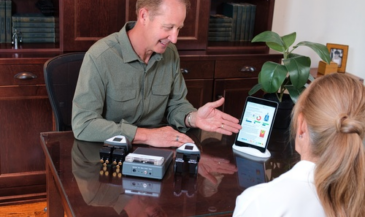
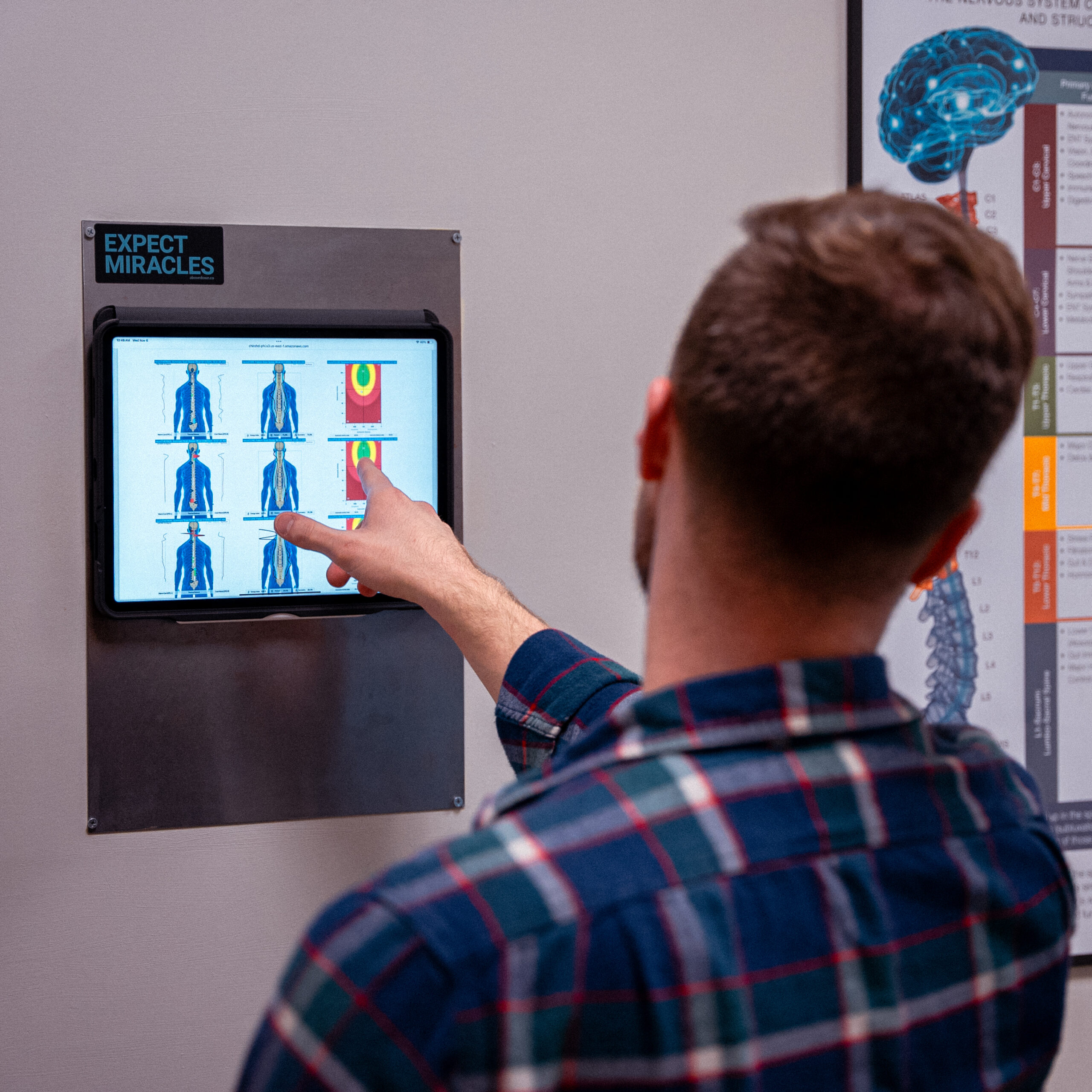
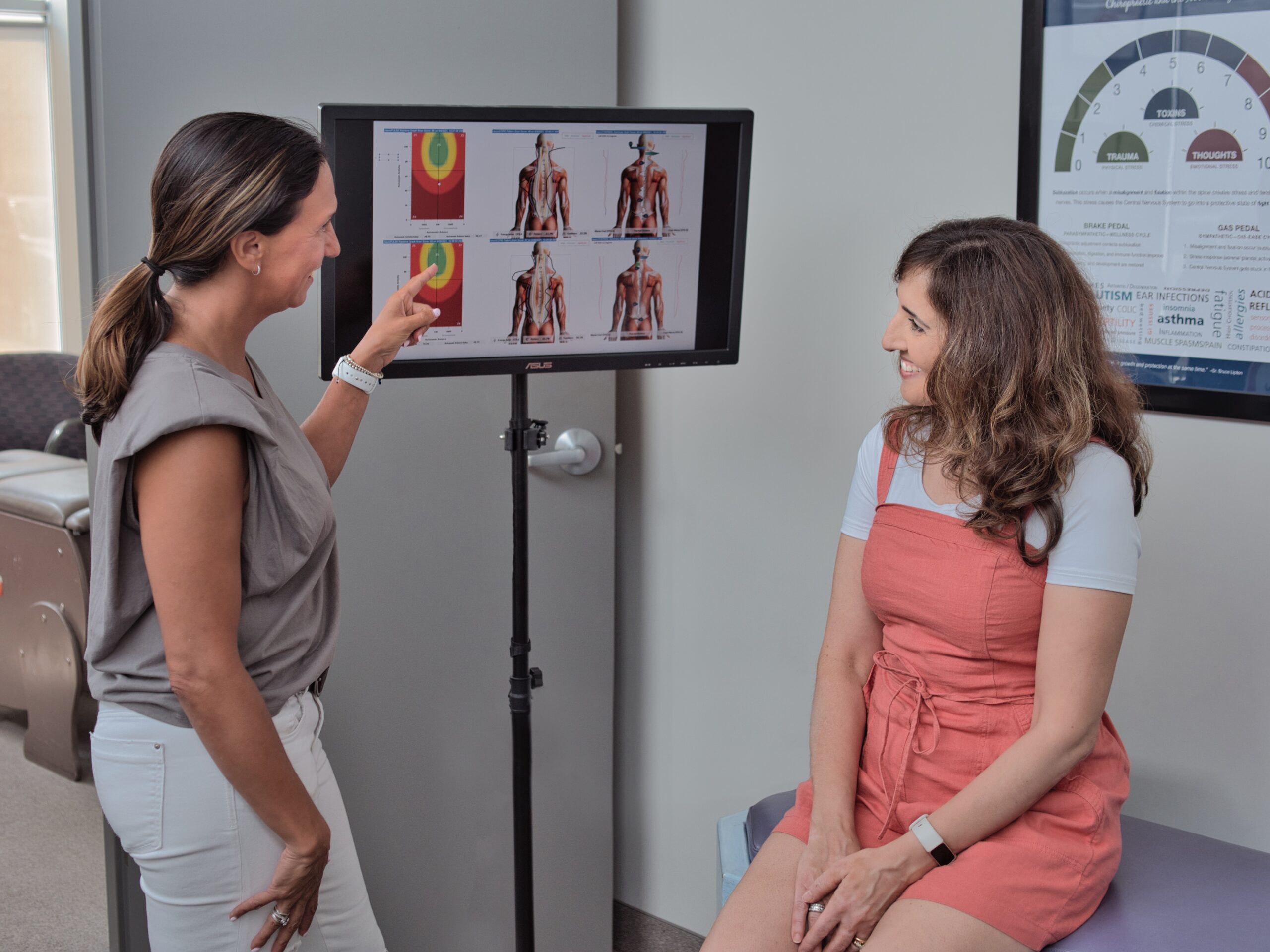
That is why objective neurological scanning changes the conversation. When you only ask a patient how they feel, you are working from subjective reporting. When you add INSiGHT scanning technology, you give the patient a clearer way to see nervous system performance in living color.
This is where INSiGHT neuroTECH and the INSiGHT software, powered by Synapse, become so valuable. They do not replace medical diagnosis, and they are not there to label the patient with an autonomic disorder. They help the chiropractor analyze patterns connected to autonomic function, postural tension, adaptive reserve, and nervous system status over time.
neuroPULSE and Heart Rate Variability
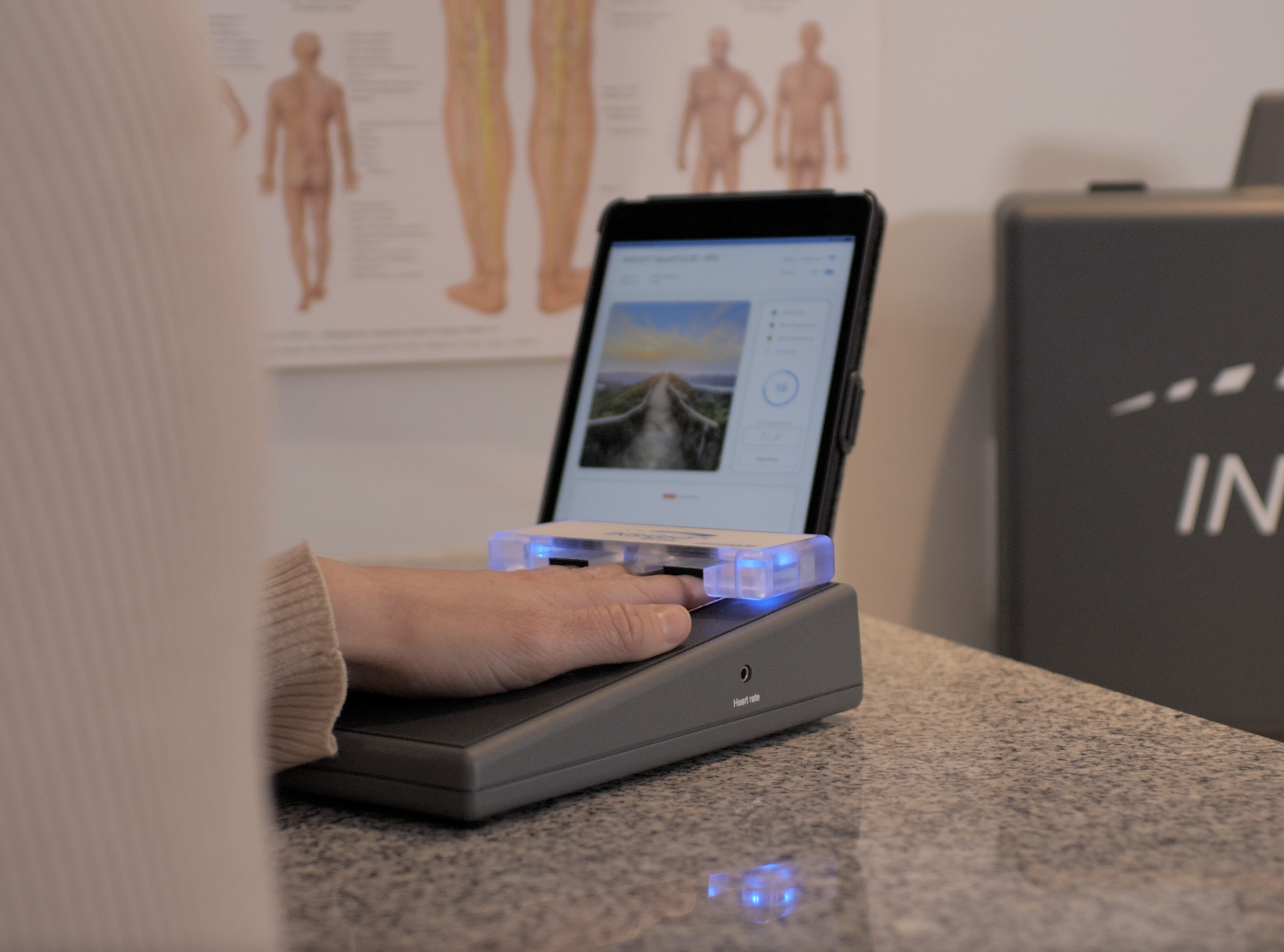
The neuroPULSE analyzes Heart Rate Variability, one of the most useful ways to explain autonomic dysfunction to patients in a chiropractic office. Heart Rate Variability gives insight into how the body is adapting, how much reserve the nervous system has available, and how the sympathetic and parasympathetic branches are coordinating.
A patient-friendly explanation might be, “This scan helps us understand how well your body is adapting. We are looking at your autonomic balance and reserve, not just your heart rate at one moment.”
That distinction matters. A patient may know their heart rate from a watch, but the clinical conversation is deeper than that. The neuroPULSE helps you discuss adaptability, sympathetic overdrive, depleted reserve, and the body’s ability to recover from neurological distress.
neuroTHERMAL and regional autonomic patterns
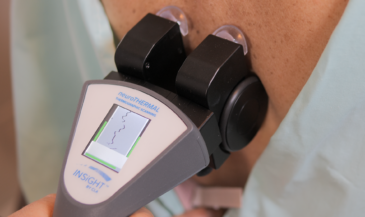
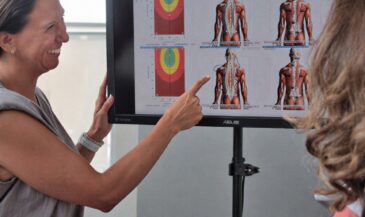
The neuroTHERMAL performs a full spine nerve system scan that analyzes temperature patterns along the spinal region. Because the autonomic system helps regulate blood vessels, blood flow, and temperature, thermal scan views give chiropractors a way to discuss regional autonomic activity in a simple, visual way.
You might explain it to a patient like this: “Your autonomic system helps control blood vessels and temperature regulation. These thermal scan views help us look at patterns along the spinal region where your nervous system may be showing imbalance.”
This does not replace medical autonomic testing. It gives the chiropractor objective chiropractic insight into regional dysautonomic patterns that may be associated with autonomic regulation and vertebral subluxation.
neuroCORE, CORESCORE, and the bigger neurological picture
Autonomic dysfunction is not only a heart rate or blood pressure conversation. The body also has to manage posture, movement, spinal tension, and energy use. That is where neuroCORE adds important context.
The neuroCORE analyzes paraspinal muscle activity, symmetry, postural tension, and energy expenditure. For patients with postural symptoms, orthostatic intolerance, POTS, or fatigue, this helps explain how much energy the motor side of the nervous system may be spending just to hold the body upright and respond to gravity.
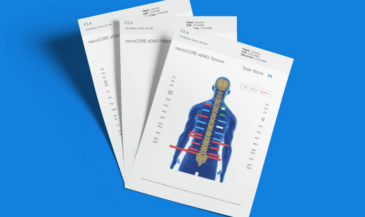
Then CORESCORE brings the full picture together. By combining data from neuroPULSE, neuroCORE, and neuroTHERMAL, CORESCORE gives patients a simple neurological report card. The INSiGHT software turns complex neurology into clear reports, scan views, and re-scan comparisons that patients can understand.
- Baseline scan: Where is the nervous system starting?
- Response scan: How is the body responding to care?
- Trajectory scan: Is the pattern moving in the right direction over time?
That is the heart of objective care planning. You are not guessing. You are not chasing every symptom. You are analyzing nervous system performance, tracking how it fluctuates, and helping the patient understand why their care plan is based on more than how they felt on a single day.
Bring the Patient Back to the Nervous System
When you explain autonomic dysfunction to patients, the goal is not to make them experts in dysautonomia. The goal is to help them feel less confused and more connected to what their body is telling them.
Dysautonomia patients often feel like their body is unpredictable. One day they feel mostly fine. The next day they feel lightheaded, tired, foggy, hot, shaky, or unable to stand comfortably. If they do not understand the nervous system connection, they may think every sign is a separate problem. Your job is to bring them back to the pattern.
Here is a simple script you can use:
“Your autonomic nervous system is the part of your nervous system that runs the automatic functions of your body, like heart rate, blood pressure, digestion, sweating, temperature control, and recovery. When it is not adapting well, you may feel signs in several areas at once. That is why dizziness, racing heart, fatigue, digestion changes, and temperature intolerance can feel connected. In our office, we look at how your nervous system is performing, where patterns of tension may be building, and how your body responds over time.”
Use scanning language patients can understand
Once the patient understands the autonomic nervous system, you can introduce neurological scanning without overwhelming them. This is one of the simplest ways to explain autonomic dysfunction to patients while helping them see the value of a nerve-first approach.
Try this:
“Rather than only asking how you feel, we use neurological scanning to look at patterns connected to your nervous system performance. HRV helps us understand autonomic balance and reserve. Thermal scan views help us look at regional autonomic patterns. EMG helps us see how much energy your body is spending through postural tension. Together, these give us a clearer starting point.”
That is simple, honest, and clinically useful. It also helps patients understand why a scan today and a re-scan later are not just office procedures. They are part of learning how the nervous system is adapting.
Use phrases patients can remember
Patients remember simple, repeatable language. As chiropractors, we sometimes say too much because we know too much. The patient does not need every pathway, branch, and reflex arc on day one.
- Your symptoms are real, but they are not the whole story.
- We are looking at patterns, not chasing every symptom.
- Your body may be having trouble adapting automatically.
- The goal is to understand your nervous system status and track how it changes.
- The scan does not replace medical testing, but it gives us objective chiropractic insight into nervous system performance.
Those phrases build trust. They keep the conversation grounded. They help the patient understand that Neurologically-Focused Chiropractic Care is not about reducing the body to one symptom. It is about seeing the person through the lens of nervous system performance.
When chiropractors learn how to explain autonomic dysfunction to patients clearly, they shift the conversation from fear and confusion to clarity and direction. Dysautonomia, POTS, orthostatic hypotension, orthostatic intolerance, and other autonomic patterns can feel overwhelming to patients, but the explanation does not have to be.
Bring it back to the nervous system. Bring it back to adaptability. Bring it back to objective scanning.
Once a patient sees what their nervous system is showing, they stop guessing. They start understanding. And when they understand the why behind their care, they are far more likely to value the process that helps their nervous system become more resilient over time. That is why INSiGHT scanning technology fits so naturally into this conversation. It helps you explain autonomic dysfunction to patients with clarity, confidence, and proof that their care is making a difference.