
Those everyday complaints are often the signs of dysregulated nervous system function spread across multiple systems at once. And that is the key point for chiropractors: nervous systems do not break in one place. Nervous systems adapt everywhere, all at once. When the adaptive load is high and recovery is low, dysregulation can manifest as physical symptoms, emotional symptoms, and cognitive symptoms that seem unrelated until you focus on nervous system performance.
If you can move the conversation from “Where does it bother you?” to “How is your nervous system adapting today?” you shift the conversation. And when you add objective scanning using INSiGHT technology, you do not have to rely on opinions to prove change. You can measure what is happening and re-check it as nervous systems improve their ability to regulate.
Why “Dysregulated” Matters in Chiropractic Practice
In chiropractic, recognizing the signs is not a trendy label. It is pattern recognition. A dysregulated nervous system is often a nervous system that has trouble shifting gears. It either stays revved up in fight-or-flight, or it drops into a shutdown pattern. Many nervous systems swing between those two states, which is why patients can feel wired at night and drained in the morning.
This is what nervous system dysregulation looks like in real life: the nervous system’s ability to switch from demand to recovery gets inconsistent. The patient’s ability to regulate becomes unreliable. Their sleep fluctuates. Their emotional regulation feels thin. Their physical well-being and emotional health feel fragile. And because nervous systems are adaptive, the patient may still look “fine” while they are actually running in sympathetic overdrive or drifting into shutdown.
Here is the chiropractic advantage. Nervous systems are measurable. Nervous systems leave clues in posture, tone, breathing, and adaptability. Nervous systems often reveal patterns long before a patient has the words to describe them. When you understand the common signs of a dysregulated pattern, you can build a care plan conversation that is calm, specific, and grounded in data, not fear.
- Hyperarousal pattern: the system is stuck “up.” Patients may feel anxious, vigilant, reactive, and tense. Their stress response does not downshift well.
- Shutdown pattern: the system is stuck “down.” Patients may feel flat, foggy, disconnected, low energy, or “stuck.”
In both patterns, you will hear the same underlying theme: nervous systems are trying to protect. Your job is not to label the person. Your job is to identify the signs of dysregulated nervous system function, explain the pattern in simple language, and help regulate nervous systems with measurable re-checks.
Physical Signs Chiropractors Commonly Associate with Nervous System Dysregulation
Most patients describe the signs of dysregulated nervous system function through their bodies first. They tell you symptoms like “I’m always tight,” “I’m exhausted,” “My stomach is off,” or “My heart rate spikes over small things.” These are common indicators of a dysregulated nervous system, especially when they occur together and repeat during periods of chronic stress.
Postural tension is one of the most consistent physical signs. The patient who lives with their jaw clenched, shoulders elevated, and neck and back braced is often showing you nervous systems that are recruiting tone for protection. That can show up as persistent tightness, guarding, headaches, trembling, and the feeling that the body cannot “let go.” The point is not to blame muscles. The point is to recognize that an imbalanced nervous system can drive patterns that keep returning.
Sleep is another big category of physical symptoms. Some patients struggle to fall asleep. Others wake repeatedly. Others wake unrefreshed. A chronically dysregulated nervous system can produce “tired but wired” nights and sluggish mornings. When nervous systems are imbalanced, recovery becomes inconsistent, and that affects energy, resilience, and physical health over time. This is often where a patient’s overall well-being starts to feel unstable, even if their day-to-day responsibilities have not changed.
And then there is the gut. Patients may describe digestive issues, digestive problems, or changes in digestion that flare with stress. Bloating, constipation, diarrhea tendencies, and stomach discomfort often travel with stress and nervous system dysregulation. Add in sensory sensitivity (light, sound, touch) and fatigue that does not match the day, and you have a familiar clinical picture. Here are physical signs chiropractors commonly hear when nervous systems become dysregulated:
- Persistent postural tension in neck, shoulders, and back
- Sleep disruption (falling asleep, staying asleep, waking unrefreshed)
- Fatigue, low stamina, and slower recovery
- Gut reactivity and unpredictable digestion
- Sensory overload and heightened sensitivity
- Headaches, bracing, and tension patterns that return quickly
These physical symptoms matter because they often show up together as the signs of dysregulated nervous system function. When you focus on nervous system performance, you stop treating each complaint as a separate fire. You start seeing one pattern in nervous systems, and that changes your clinical certainty.
Learn more about INSiGHT scanning?
Fill this out and we’ll get in touch!
"*" indicates required fields
Emotional, Behavioral, and Cognitive Signs
Once you start focusing on nervous system patterns, emotional signs stop feeling “mysterious.” Patients may report they feel anxious, overwhelmed, irritable, or constantly on edge. They may describe persistent worry, mood swings, or being easily triggered. These emotional symptoms are often part of nervous system dysregulation, not a character flaw. Many patients also describe that they do not feel safe in their body, even when their life is stable. That is one of the clearest signs of dysregulated nervous system function in a hyperarousal pattern.
Behaviorally, some patients push harder when nervous systems are stressed. They become driven, restless, and reactive. Others withdraw. They go quiet, numb, or disconnected. They may appear “fine” while describing low motivation and a sense of being stuck. Without stepping outside your scope, you can acknowledge that physical and mental health are connected through nervous systems, and that a patient may have a history of mental health conditions or mental health issues that complicate how they experience stress. The important part is staying grounded: you are observing patterns in nervous systems and helping nervous systems improve their ability to regulate.
Cognitively, patients often describe brain fog, scattered focus, or memory lapses. These cognitive symptoms are commonly listed as symptoms of nervous system dysregulation because attention and memory can suffer when the system stays in neurological distress. Some patients feel sped up and scattered. Others feel slow and spaced out. That “either too much or too little” pattern is a practical clue that nervous systems are not switching gears cleanly.
- Hyperarousal signs: worry, restlessness, irritability, reactivity, sensory overload
- Shutdown signs: low energy, numbness, disconnection, withdrawal, feeling stuck
This is why objective data matters. Emotional signs and cognitive signs can be minimized or normalized by patients. If you can show the pattern in scan reports, you help patients understand that their experience is real, common, and measurable. That supports nervous system regulation and helps patients stay consistent long enough for nervous systems to move toward a regulated nervous system over time.
Root Causes and Common Contributors Chiropractors Should Consider
When you see the signs of dysregulated nervous system function, the next question is “why.” The cleanest framework is load versus adaptability. When the demands of life repeatedly exceed recovery, nervous systems can become dysregulated. This is rarely one dramatic event. It is often stacked inputs over time, especially during chronic stress.
From a systems perspective, the autonomic nervous system is a useful lens. The sympathetic nervous system is the accelerator. The parasympathetic nervous system supports recovery. In resilient people, the system flexes between the two. In dysregulation, that flexibility fades, and the patient starts living in an imbalance. In other words, the sympathetic and parasympathetic relationship becomes less adaptive. You may see this as a stuck stress response, or as shutdown. Many nervous systems oscillate, which is why long-term dysregulation can feel unpredictable for the patient.
So what are the common causes and primary causes chiropractors should listen for? Not to diagnose a life story, but to understand what may contribute to nervous system dysregulation. Sleep debt. Overstimulation. Recovery gaps. Routine instability. Relentless urgency. High sensory environments. Overtraining. Under-recovering. These are real-world inputs that stack up and affect mental and physical well-being. When the load is high, nervous systems can lose adaptability, and dysregulation can manifest across sleep, digestion, mood, and posture. That is why the phrase stress and nervous system dysregulation belongs in your case history vocabulary.
- Sleep debt and inconsistent sleep rhythm
- Overstimulation and constant screen exposure
- Recovery gaps (work, training, parenting load)
- Routine instability (meals, hydration, schedule)
- Ongoing worry, urgency, and emotional load
Here is the hopeful part: nervous systems can rebuild adaptability. A well-regulated nervous system is not “perfect.” It is flexible. It can ramp up when needed and recover when the demand passes. Your role is to help regulate patterns, measure the trend, and keep your nervous system conversation anchored in observable change.
From Recognizing the Signs to Proving Change with INSiGHT Scanning Technology
Hey Doc, you can educate patients all day, but what changes behavior is clarity. When patients are living with the signs of dysregulated nervous system function, they often feel confused because their symptoms fluctuate. That is exactly why scanning belongs in this conversation. INSiGHT scanning technology does not build care plans. It provides objective exam data and scan reports that help you interpret what nervous systems are doing, then you use your clinical judgment to shape a care plan and adjustments that match the findings.
This is where the INSiGHT neuroTECH and Synapse software becomes a clinical advantage. It turns “I think your nervous system is dysregulated” into “Here is what we can measure today, and here is what we will re-check.” That is how you keep your nervous system conversations grounded in data and how you create proof your care is making a difference without hype. Here is how each technology supports the interpretation:
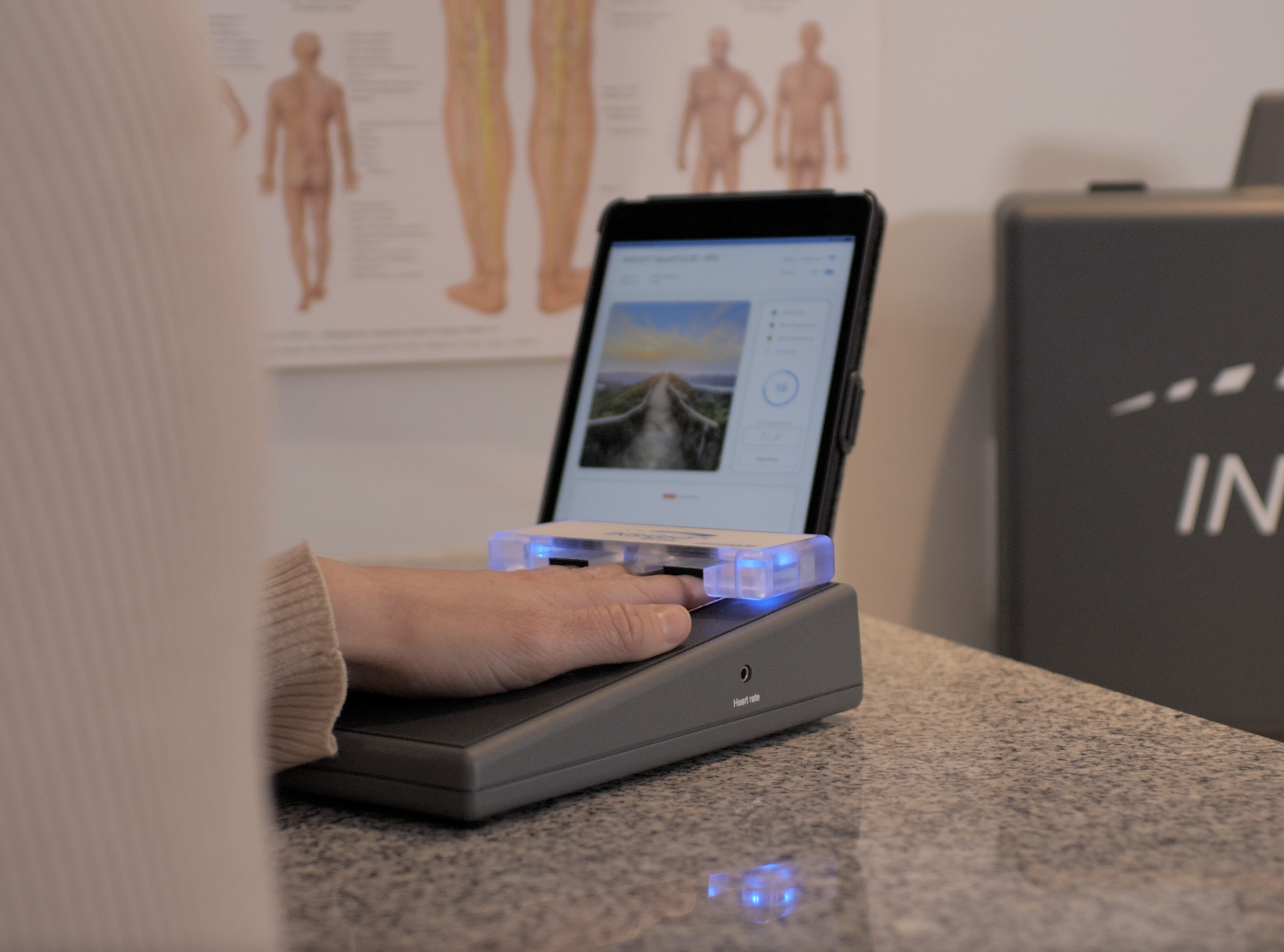
- neuroPULSE (HRV): supports interpretation of adaptability and resilience using heart rate variability. It helps you discuss nervous system imbalance and how the system responds under stress. It also gives you a way to talk about the sympathetic and parasympathetic systems in a simple, patient-friendly way.
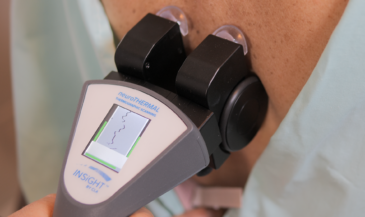
- neuroTHERMAL: supports interpretation of segmental stress patterns along the spine by analyzing thermal patterning. It gives scan views that help patients see where stress patterns concentrate and how those patterns fluctuate under care.
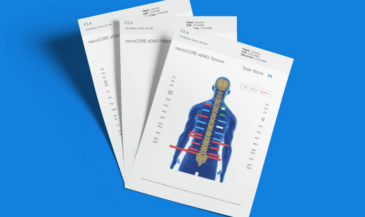
- neuroCORE (sEMG): supports interpretation of postural tension and motor tone reactions by evaluating paraspinal muscle activity patterns. For the patient who is always braced, this can connect the story of tension to measurable findings.
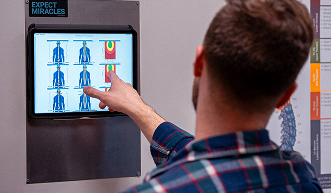
This is how you move from recognizing the signs to changing the trajectory. You identify the signs of dysregulated nervous system function, you measure baseline patterns, you deliver a care plan and adjustments, and you re-check. That is how you help regulate nervous systems over time. That is how you restore balance. That is how you support a regulated nervous system instead of chasing the loudest symptom of the week. And when patients see their nervous systems in living color, it clicks. They stop counting visits and start valuing results.
Focus on nervous system performance and re-check it. INSiGHT scanning technology gives you a repeatable, objective way to show whether nervous systems are less imbalanced, whether the pattern is stabilizing, and whether your care plan is helping a patient move toward a more healthy nervous and a more healthy nervous system state over time. Learn more about our technology here.