

That is one reason the nervous system scan has become such an important part of modern chiropractic assessment. It offers a non-invasive way to look at how the body is regulating, recovering, and compensating. Instead of only asking where something hurts, the scan helps reveal whether the nervous system is functioning well, whether the autonomic nervous system is under strain, and whether the body is organizing efficiently or getting stuck in compensation.
For the chiropractor, this is where the conversation gets better. The scan helps connect clinical findings to real physiology. It does not replace experience, examination, or chiropractic judgment. It strengthens them. And once patients can see what is going on, they begin to understand why chiropractic care is not just about feeling better for a day, but about improving nervous system function over time.
Why the Nervous System Matters So Much in Chiropractic
Chiropractic has always centered on the relationship between the spine and the nervous system. That relationship is what makes the profession unique. The nervous system controls movement, recovery, adaptation, digestion, coordination, and so much more. When that system is under stress, the effects can show up far beyond one localized complaint. That is why understanding the function of the nervous system is so important in everyday practice.
A vertebra under stress matters because of what it may do to communication in the body. A chiropractor is not simply looking at a bone in isolation. The concern is whether there is subluxation, nerve interference, altered tone, or a broader nervous system caused response that is affecting how the body adapts. In that sense, chiropractic is always about more than structure. It is about performance.
When the nervous system is stuck in a fight or flight state, recovery becomes harder. Sleep may suffer. Digestion may become less efficient. Muscle tone may stay elevated. Adaptability can drop. In some patients, this starts to look like dysautonomia, where the autonomic nervous system is not regulating as well as it should. A nervous system scan today helps the doctor detect and pinpoint these kinds of stress responses with more clarity than observation alone.
This is also why chiropractors in family chiropractic and pediatric chiropractic settings value scanning so highly. A child’s nervous system is still learning how to regulate and adapt. Early stress can affect development, behavior, coordination, and resilience. The earlier a chiropractor can see how a child’s nervous system is functioning, the better the opportunity to respond with precision and confidence.
What a Nervous System Scan Actually Measures
A nervous system scan is a functional assessment. It is designed to analyze how well the nervous system is working under current stress, not simply what the body looks like structurally. Nervous system scans aren’t about diagnosing every condition or replacing every other exam procedure. They are about measuring how the system is adapting, where there may be imbalance, and whether the body is organizing efficiently.
That distinction is one of the most important things for chiropractors to communicate. A scan measures function. It helps analyze stress and tension, adaptability, muscle tone, and autonomic regulation. In other words, the scan helps reveal whether the system is working well or whether there may be abnormal function that deserves attention. This gives a chiropractor another layer of objective information during the chiropractic assessment.
Patients often understand this quickly once it is explained clearly. They already know their body can feel off even when no major damage is present. What they may not realize is that the nervous system controls how the body responds to that stress. A nervous system scan helps make that process visible. It can show areas of inflammation, tension and imbalance, and whether the nervous system is working with reserve or operating in a depleted state.
- Functional analysis: The scan looks at how the nervous system is functioning, not just how the spine appears.
- Objective findings: Scans provide measurable data that can support a more customized care plan.
- Repeatable results: The scan can be rechecked over time to see how the system is responding.
- Non-invasive technology: The process is safe, fast, and practical for adults and children.
That is why so many chiropractors find that the scan helps them communicate more clearly. Once the findings are visible, it becomes easier to personalize recommendations and help patients understand why care should be consistent rather than reactive.
Learn more about INSiGHT scanning?
Fill this out and we’ll get in touch!
"*" indicates required fields
Why Function Matters Just as Much as Structure
X-rays and other structural analyses have value. They answer important questions. But they do not answer every question. A structural image can show alignment, degeneration, or the position of a spinal region, but it cannot show how well your nervous system is adapting in real time. That is where a nervous system scan becomes so useful in chiropractic.
This is one of the clearest differences between structure and function. A scan can reveal whether stress is affecting regulation, tone, or recovery. It can show whether the central nervous system is carrying excess load. It can help detect and pinpoint patterns that may not be obvious from a static image alone. That gives the chiropractor a more complete picture of what may be driving the patient’s current experience.
In practice, this matters because two patients can have similar structural findings and very different levels of function. One may adapt well. Another may struggle with overload, fatigue, and poor recovery. The root cause is not always structural severity. Sometimes the greater issue is how the nervous system is functioning around the stress. That is why chiropractors who focus on function often communicate with greater certainty.
When function becomes visible, the conversation shifts. It is no longer just about what the spine looks like. It becomes about nerve function, adaptability, and whether the system is working the way it was designed to. That is a stronger foundation for both patient understanding and better chiropractic care.
The Three Core Scans That Help Chiropractors See More Clearly
INSiGHT scanning technology uses three core assessments to analyze different aspects of neurospinal function. Each one gives the chiropractor a different window into how the nervous system is adapting. Together, these scans provide a broader and more meaningful picture than any one assessment could on its own.
This is important because the body expresses stress in more than one way. A single finding may suggest a problem, but multiple findings help establish a trend. That is why insight scans measure function from several angles and help the chiropractor see how stress is showing up across the system.
Thermal Scans and Autonomic Stress
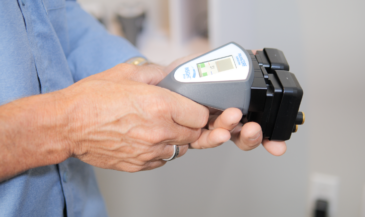
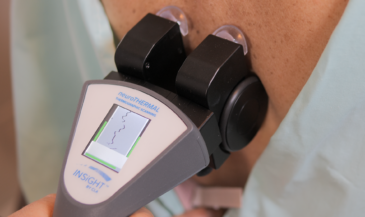
Thermal scans evaluate temperature differences along the spine. In the CLA system, this is the neuroTHERMAL assessment. These scans are used to identify asymmetries that may reflect altered autonomic regulation and regional nerve interference. In a practical sense, neurothermal scans help reveal where the autonomic nervous system may be struggling to regulate tissue function efficiently.
This can be especially helpful when discussing digestion, immune adaptability, and other autonomic processes with patients. Because the autonomic nervous system regulates so much of the body’s automatic activity, thermal findings often help make a more invisible problem easier to understand. Neurothermal scans help bring attention to regional stress and areas of inflammation that could otherwise go unnoticed.
sEMG and Postural Tension
The sEMG assessment, known within CLA as neuroCORE, measures electrical activity in the muscles alongside the spine. This matters because the nervous system controlling muscles often reveals how the body is compensating. When the muscles are overworking, underworking, or firing asymmetrically, the chiropractor gains objective insight into postural tension and adaptation.
That is why many chiropractors appreciate the value of emg scans. An emg scan detects patterns of stress and tension that can reflect deeper compensation. It helps detect and pinpoint altered tone and imbalance before the patient can necessarily explain it. In many cases, the scans reveal how the body is burning excess energy simply trying to hold itself together.
HRV and Adaptability
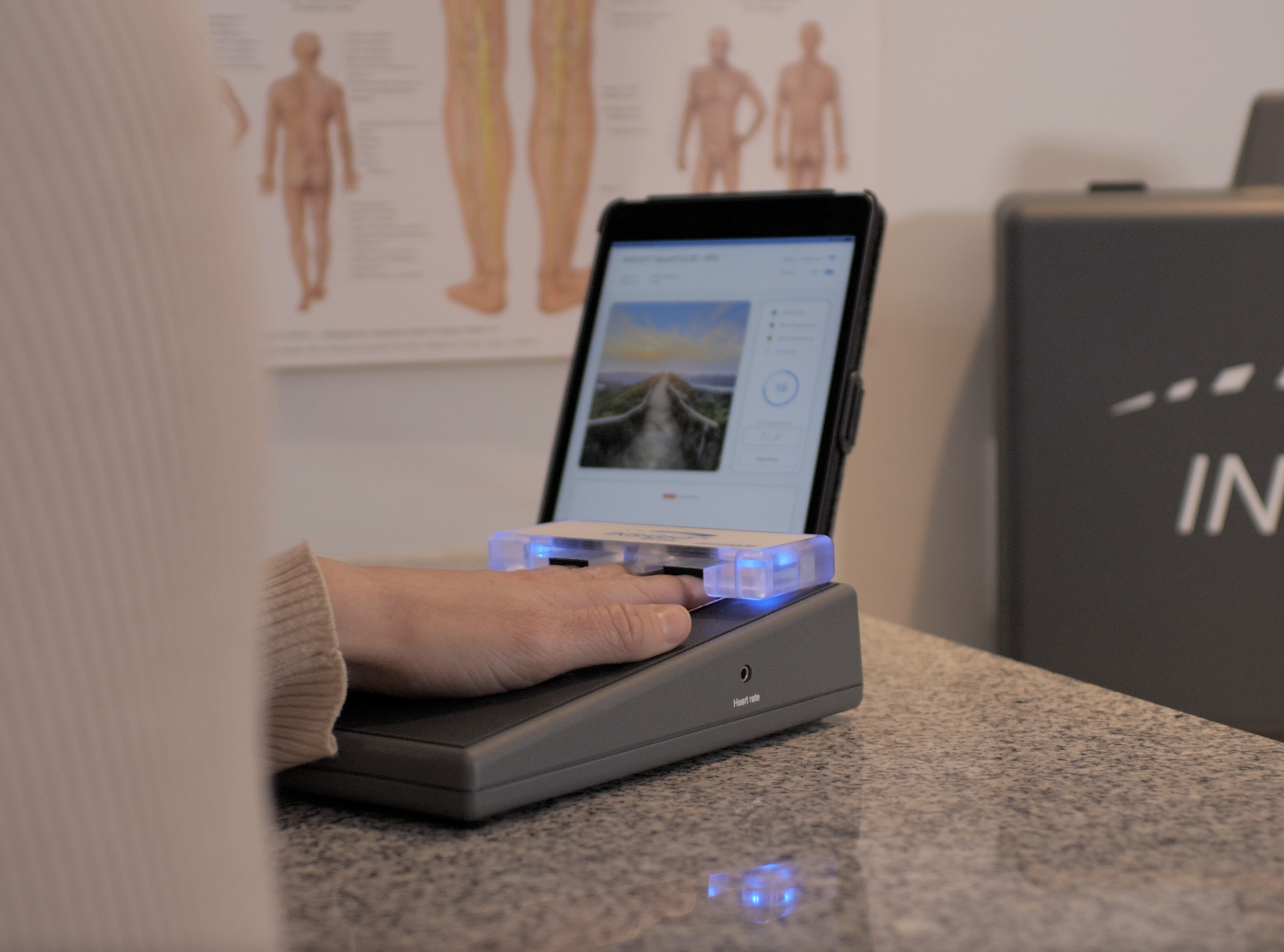
The hrv scan, called neuroPULSE in the CLA system, evaluates heart rate variability as a marker of adaptability and recovery. Heart rate variability is one of the clearest ways to look at how the autonomic nervous system is balancing stress response and recovery capacity. When hrv is low, it can suggest the nervous system is stuck in survival mode and having a harder time shifting back toward recovery.
This makes the hrv scan very useful in the report. Patients may understand stress in a vague way, but when they see that the system is working hard without recovering well, the message becomes more real. Insight scans measure this kind of adaptability in a way that helps personalize the conversation and explain why care should focus on improving reserve, resilience, and body organization.
What These Findings Can Reveal in Practice
The real value of a nervous system scan is that it often confirms what the chiropractor is already suspecting, but now with objective data. Instead of relying only on subjective feedback, the office can analyze whether there are measurable stress patterns, poor adaptation, or signs that the nervous system is stuck. This helps the doctor pinpoint abnormal function and communicate more confidently.
For one patient, the scan may show elevated postural tone and low hrv, suggesting the nervous system is working without enough reserve. For another, the findings may suggest nerve interference in a specific spinal region. In a child, a scan of a child struggling with regulation may reveal significant autonomic stress. In that context, a neurothermal scan of a child can become one of the most valuable conversation tools in the office.
These findings are especially important because they can help uncover patterns linked to subluxations before the patient fully understands what is going on. The body may be compensating for months before symptoms become obvious. That is why scans help us look deeper. They can identify tension and imbalance, detect and pinpoint regional overload, and reveal whether a part of the nervous system is expressing abnormal function.
- Stress patterns: Scans reveal when the body is carrying more load than it is adapting to well.
- Autonomic strain: Findings may suggest the nervous system is stuck in sympathetic overdrive.
- Muscle compensation: sEMG helps analyze nervous system controlling muscles and postural guarding.
- Tracking change: A follow-up scan helps show whether the system is working better over time.
That is one reason nervous system scans help patients stay more engaged. They can see that progress is not just about how they feel on one day. It is about whether the nervous system is functioning with more resilience, better regulation, and stronger reserve.
Why Scanning Matters in Pediatric and Family Chiropractic
Children are not just smaller adults. A child’s nervous system is still learning, developing, and organizing. That makes early functional assessment especially meaningful. In pediatric chiropractic, scanning gives the chiropractor a way to analyze how the child’s nervous system is adapting during important stages of development. This can be valuable when families are concerned about regulation, sleep, digestion, motor tone, or sensory integration disorders.
In many family chiropractic settings, a scan of a child struggling with stress responses or regulation helps parents finally see that the issue may be neurological, not simply behavioral. That does not mean a scan replaces full clinical judgment. It means the chiropractor now has an objective way to assess whether the child’s nervous system and autonomic nervous system may be under excessive strain.
A neurothermal scan of a child may help reveal regional autonomic stress. An hrv scan may show poor adaptability. sEMG may help illustrate stress and tension across the spine. Together, these findings help the chiropractor discuss overall brain function and coordination in a calm and understandable way. That is especially useful when the nervous system is still learning and development is closely tied to regulation and adaptation.
For families, this builds trust. They can see that the chiropractic clinic is not making assumptions. It is analyzing how the system is working. That makes it easier to personalize recommendations, explain the value of consistent chiropractic adjustments, and support health and wellness from a nervous system perspective.
How the Scan Strengthens Reports, Recommendations, and Follow-Through
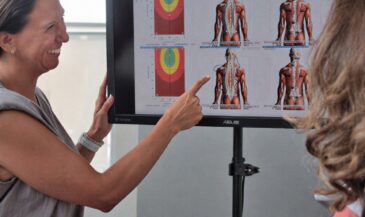
One of the greatest strengths of the insight scan is communication. Chiropractors often know far more than patients can see. The scan closes that gap. Instead of only describing what might be happening, the doctor can show objective findings and explain how the nervous system controls adaptation, regulation, and the body’s ability to heal.
This matters because patients do not just want reassurance. They want clarity. They want to know whether the system is working better. They want to know well your nervous system is adapting and whether the care being recommended is making a measurable difference. That is where the scan helps transform the report from a conversation about symptoms into a conversation about function and progress.
When used well, this supports a stronger care plan and often a better customized care plan. The recommendations feel more grounded because they are built around objective findings. Patients are more likely to understand why consistency matters, why re-evaluations matter, and why a chiropractor may recommend a longer window of care rather than a short-term response.
That kind of communication is one of the reasons scanning continues to gain traction in chiropractic and wellness practice. It brings together explanation, education, and measurable change in a way that helps patients make better decisions for their overall health and nervous system health.
How INSiGHT Scanning Technology Supports Chiropractic Practice
This is where the conversation ties directly into CLA’s products. INSiGHT scanning technology was built to help chiropractors assess nervous system function in a way that is objective, visual, and repeatable. CLA insight scans bring together thermal scans, sEMG, and HRV in one integrated system so doctors can see how stress is being expressed and how that function changes over time.
The value here is not just the hardware. It is the full insight technology approach. Insight nervous system scans help organize complex findings into something meaningful for both the doctor and the patient. The neuroTHERMAL scan highlights regional autonomic stress. The neuroCORE assessment analyzes muscle electrical activity and postural tone. The neuroPULSE hrv scan looks at adaptability and recovery through heart rate variability. Together, these scans provide the kind of functional insight that strengthens the chiropractic assessment from start to finish.
For a neuro-centric chiropractor, that means more than adding a piece of scanning technology to the office. It means being able to personalize the report, track stress patterns, and explain why the nervous system scan matters in practical terms. It means being able to show whether the system is working with more balance, whether there is still a clear imbalance, and whether the patient is moving toward better neurological health.
That is why so many offices use an insight scan as a central part of the exam process. It helps the chiropractor move from observation to analysis, from explanation to visible proof, and from a generic visit to a more complete chiropractic care experience. When the data is clear, the conversation becomes clearer too. And that is exactly where INSiGHT scanning belongs in the future of chiropractic.