

Many parents hear pediatric chiropractic care and picture an adult chiropractic adjustment performed on a smaller patient. Thoughtful chiropractic care for children looks different. Children are not small adults. Their joints, reflexes, spinal structures, and communication skills are developing, so care must reflect age, size, comfort, history, and examination findings.
The opportunity for a pediatric chiropractor is to help families see the larger neurological story. Young patients may not have the language to explain tension, altered movement, or poor recovery. Objective neurological scanning adds clarity and a baseline that symptoms alone may never fully explain.
What Chiropractic for Children Means in Pediatric Chiropractic Care
Chiropractic for children is the age-appropriate evaluation and care of infants, toddlers, school-aged children, and adolescents through the relationship between the spine, movement, posture, and neurological performance. It is not one technique, and it is not the same chiropractic treatment for every child. The chiropractor begins with the history and examination, identifies findings needing attention, and selects an approach suited to that patient.
Chiropractic for children sits at the intersection of growth and adaptation. A child’s body is constantly reorganizing around new movement and physical load. The child’s spine supports motion while neurological pathways organize information from muscles and joints. When tension, restricted motion, or neurological interference is present, the doctor looks at how those patterns may affect function.
Children Are Not Small Adults
An infant visit should not resemble an adult visit for low back pain. A baby may be examined while being held by a parent or moving naturally. A toddler may need a playful, flexible examination. Older children and teens may tolerate familiar orthopedic, neurological, and movement testing, but their care still needs to account for growth and skeletal maturity.
Gentle chiropractic adjustments may involve light finger pressure, sustained contact, careful positioning, low-force mobilization, or an instrument-assisted method. Pediatric chiropractic adjustments should be based on age, size, findings, and comfort. The better question is not, “How do I make an adult technique smaller?” It is, “What does this child’s examination call for?”
Parents may use words such as misalignment or spinal misalignments. A more useful explanation centers on altered motion, tension, compensation, and neurological interference rather than spinal bones being dramatically out of place.
A Growing System Is Always Adapting
Every child is meeting different demands. An infant is developing head control. A toddler is learning balance. School-aged children are adapting to sitting, carrying, running, and repetitive activity. Children and adolescents involved in athletics are also responding to training, impact, recovery, and rapid growth.
A neurologically focused examination therefore considers more than symptoms:
- Movement: Does the child turn, bend, walk, or move freely?
- Posture: Is the body using unnecessary energy to maintain position?
- Tone: Are there patterns of guarding or postural tension?
- Adaptability: Can the child respond to demand and settle afterward?
- Development: Are the findings appropriate for the child’s age?
The benefits of chiropractic should never be framed as making every child perfect or preventing every concern. The benefits of pediatric chiropractic begin with careful evaluation, specific care, and a clearer understanding of how the growing child is functioning. Neurological scanning does not replace clinical judgment. It adds objective analysis.
Why Parents Seek Chiropractic Care for Children
Many parents bring their children to a chiropractic practice because something seems different. An infant may consistently turn the head one way. A young child may move stiffly after a fall. A student may complain about a heavy backpack. A teenager may arrive after a sports strain or with back pain following long hours at a desk.
Other families use chiropractic for children as part of a family chiropractic approach centered on movement and adaptability. Whether the family is starting chiropractic care for one concern or seeking a broader evaluation, the pediatric chiropractor should begin with the child’s actual presentation.
Infants and Young Children
Birth is the first major physical transition in an infant’s life. After delivery, the baby begins coordinating feeding, breathing, digestion, sleep, head movement, and early motor control. Many parents seek the help of a chiropractor when they notice a preference for turning the head one way, torticollis, feeding-position discomfort, restlessness, or questions about colic and child’s sleep.
The chiropractor may assess head rotation, body symmetry, spinal motion, reflexes, hip movement, and feeding position. The doctor may also work alongside a pediatrician, lactation consultant, therapist, or other health care providers. Chiropractic care can help support movement and comfort when related to neuromusculoskeletal tension, but it does not cure colic, reflux, feeding problems, or sleep concerns.
Young children climb, tumble, and try again. Parents may bring a child to a chiropractor after falls, when they notice recurring movement patterns, or when the child reports growing pains. The doctor can assess gait, balance, mobility, and spinal function.
Active Kids and Teens
School creates new physical demands. Children sit longer, work at computers, look down at devices, and carry backpacks. Active kids may move directly from school into dance, hockey, gymnastics, football, soccer, or another sport with little time for recovery.
For kids and teens, common reasons for seeing a chiropractor include:
- Backpack strain: Repeated carrying can influence shoulder mechanics.
- Device habits: Long periods looking down may increase postural tension.
- Sports demands: Repetition, contact, falls, and training load can affect mobility.
- Growing pains: These reports deserve evaluation rather than assumptions.
- Back pain: Persistent or worsening symptoms should be examined and referred when appropriate.
Chiropractic adjustments can help address joint motion and postural tension when the examination supports their use. Care may also include conversations about movement, sleep, training load, recovery, and ergonomics. Regular chiropractic adjustments should never substitute for addressing the daily demands contributing to the child’s presentation.
Questions About Ear Infections, Asthma, ADHD, and Digestion
Parents often ask whether chiropractic care can help with ear infections, asthma, digestive issues, sleep, or ADHD symptoms. These are understandable questions because families may be looking for a natural way to support your child’s overall health and exploring the use of complementary health approaches.
The chiropractor must answer with confidence and restraint. Ear infections require appropriate evaluation. Asthma can involve serious breathing concerns and needs medical oversight. ADHD deserves thoughtful assessment, and digestive issues may have nutritional, medical, developmental, or functional contributors.
Chiropractic care may support spinal function, movement, regulation, and neurological performance. It should not be presented as a cure or substitute for medical care. Neurological scanning returns the conversation to autonomic patterns, motor activity, and adaptability.
Learn more about INSiGHT scanning?
Fill this out and we’ll get in touch!
"*" indicates required fields
What Pediatric Chiropractic Visits Should Look Like
A strong pediatric visit begins before the child is positioned for an adjustment. The chiropractor needs to understand why the family came in, what the parent has observed, what the child can report, and whether any part of the history requires medical evaluation or collaboration.
Thoughtful chiropractic visits should feel calm and age appropriate. The child should be spoken to, not simply spoken about, and the process should pause or change if the child is uncomfortable.
History and Examination
The history may include pregnancy and birth, feeding, milestones, sleep, injuries, sports, school habits, previous medical care, and family goals. The examination may include observation, gait, spinal range of motion, reflexes, orthopedic testing, palpation, and age-appropriate neurological scanning.
A pediatric chiropractor should be able to answer:
- Appropriateness: Is receiving chiropractic care suitable for this child?
- Scope: Is the concern musculoskeletal, or is referral needed?
- Baseline: Which objective findings can be compared later?
- Technique: Which chiropractic techniques fit the child’s age and findings?
- Follow-up: How will progress be reassessed at future chiropractic visits?
Gentle Adjustments and Safety
The phrase chiropractic spinal manipulation can sound concerning because it brings adult-style images to mind. In pediatric care, the chiropractor should explain exactly what will be done and why. Gentle chiropractic adjustments commonly use lower force, smaller contact points, shorter levers, and careful positioning.
Care is gentle, but gentle does not mean vague. A chiropractic adjustment should be specific, purposeful, and connected to examination findings. The doctor should explain the region being addressed, the functional goal, and what will be reassessed following chiropractic manipulation.
Safety depends on education, examination, technique, case selection, and knowing when not to adjust. A doctor trained in pediatric care should recognize findings needing referral, including breathing difficulty, unexplained weakness, progressive neurological signs, suspected fracture, or significant trauma.
Families may consult a pediatrician before bringing a child to a chiropractor when systemic signs or an established condition are present. Collaboration should be welcomed. American Chiropractic Association and other chiropractic association resources may offer general information, but no webpage replaces professional judgment.
What the Research Can and Cannot Tell Us
The literature on chiropractic and manual therapy in children includes case reports, observational studies, clinical trials, surveys, and reviews. Evidence is not equally strong for every condition or age group.
A systematic review of the literature may find promise while also reporting limited sample sizes, inconsistent methods, or insufficient evidence for firm conclusions. That is especially important when discussing the effects of chiropractic on colic, asthma, ear infections, ADHD, immune function, child’s sleep, or child’s brain development.
A case report may describe an observation following chiropractic manipulation, but it does not establish the same result for every child. Chiropractic care research should be communicated honestly, and responsible doctors should not recommend chiropractic as a cure-all.
The benefits of chiropractic care are best discussed around spinal motion, musculoskeletal function, adaptability, and neurological performance. Objective scanning adds comparative data rather than relying entirely on memory or subjective reports.
How INSiGHT Supports Chiropractic for Children
Young patients often cannot explain what they feel. A parent may notice that a baby turns one way, a child moves differently, or a teenager seems exhausted after ordinary demands. Those observations matter, but they do not provide a complete analysis.
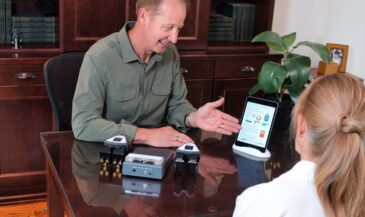
INSiGHT scanning technology helps the chiropractor add objective exam data to that story. Neurological scanning shifts the parent’s focus from the spine and joints alone to nerves, regulation, adaptability, and performance. When complex neurology becomes visual, parents can better understand what the doctor is assessing and why follow-up matters.
INSiGHT does not create the care plan. The chiropractor interprets the scan views alongside the history and examination. The technology supports the conversation; the doctor brings the judgment, adjustment, and relationship.
neuroTHERMAL for Infants and Children
The INSiGHT neuroTHERMAL analyzes paraspinal temperature patterns connected to autonomic regulation. It allows the doctor to complete a fast full spine nerve system scan, which is valuable with infants and children who may not stay still for a lengthy examination.
The scan requires no radiation and does not depend on the child describing what they feel. It helps establish a baseline and compare how patterns fluctuate under care. It does not diagnose colic, ear infections, asthma, ADHD, or digestive conditions.
neuroCORE and neuroPULSE
The neuroCORE uses surface electromyography to analyze electrical activity in the paraspinal muscles. It can help reveal postural tension, symmetry, motor tone reactions, and the energy the child’s body may be using to maintain position. This may be useful for older children and teens dealing with sports, backpack strain, prolonged sitting, or mobility concerns.
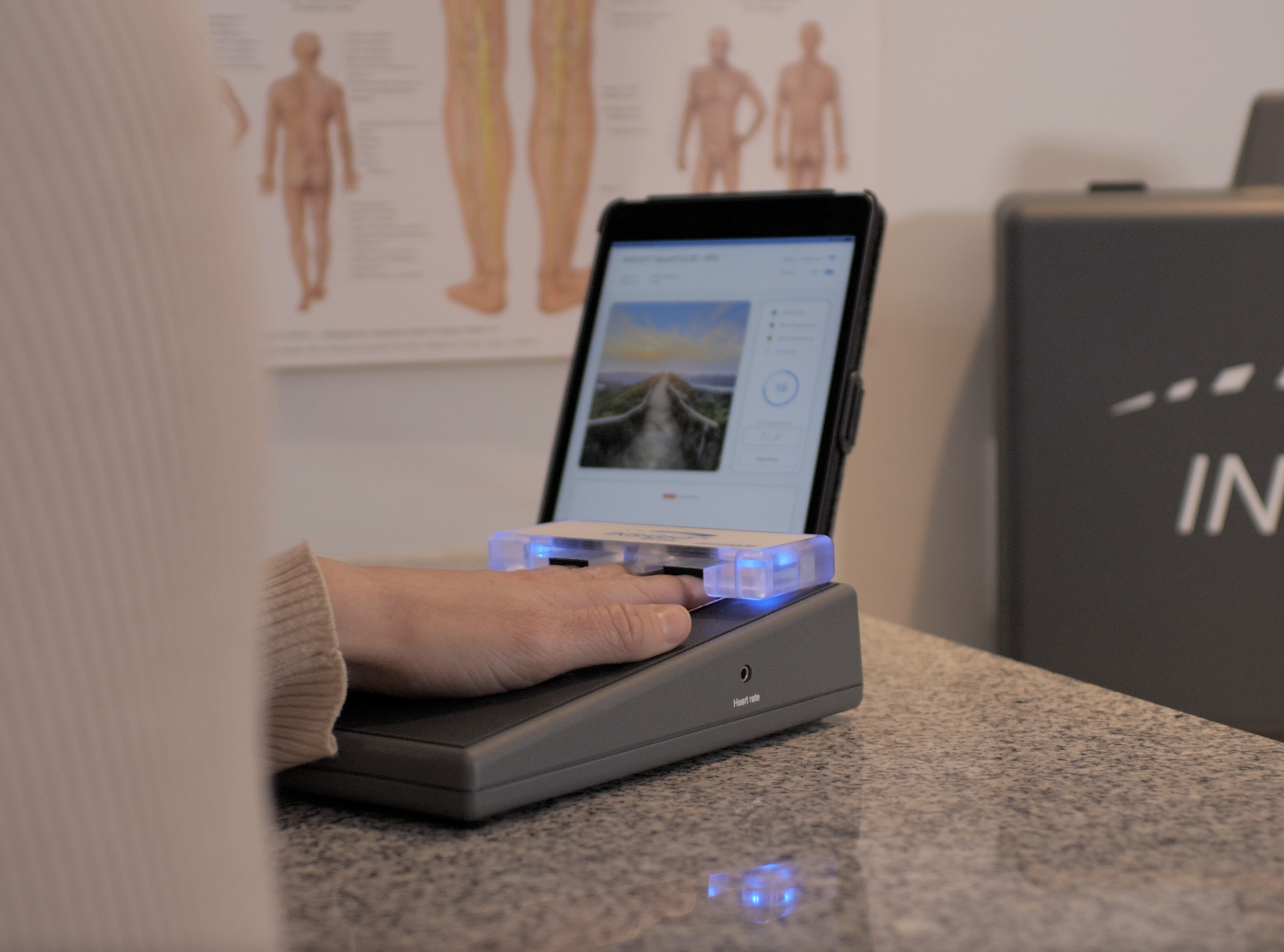
The neuroPULSE analyzes Heart Rate Variability, adding insight into autonomic activity, adaptability, and reserve. A single result should not label a child as resilient or unwell. Its value comes from careful collection, interpretation, and comparison over time.
Synapse Software and Parent-Friendly Reporting
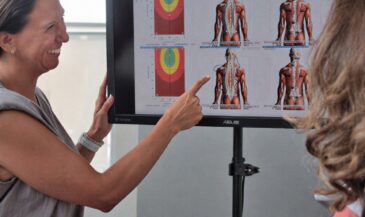
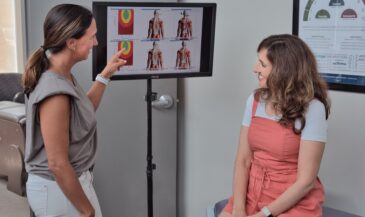
INSiGHT neuroTECH and Synapse software bring these areas of analysis together. Synapse organizes scan views, comparisons, and reports so the doctor can explain a complex neurological picture without giving the parent a lecture.
The CORESCORE provides a parent-friendly neurological report card by integrating neuroPULSE, neuroCORE, and neuroTHERMAL findings. A practical rhythm follows three stages:
- Baseline: Establish where the child is beginning.
- Response: Analyze how the system is responding under care.
- Trajectory: Compare findings over time for greater stability and adaptability.
When parents see their child’s neurological status in living color, they can better understand adaptation and whether the care plan is making a difference.
Helping Growing Nervous Systems Adapt With Clarity
Every child is growing through a different season, from early movement and balance to backpacks, screens, sports, study, sleep, and recovery.
Chiropractic for children belongs in that story when it is delivered with skill, appropriate technique, honest communication, and respect for professional boundaries. Chiropractic adjustments can help support spinal movement and musculoskeletal comfort when the examination supports their use. They should never be promoted as a cure for every childhood condition.
The strongest pediatric chiropractor is not the doctor who claims the most. It is the doctor who listens carefully, examines thoroughly, adjusts specifically, collaborates confidently, and explains findings clearly. Regular pediatric chiropractic should be shaped by the child’s needs rather than a one-size-fits-all schedule.
Neurological scanning strengthens chiropractic for children by giving the doctor and family a shared reference point. Symptoms matter, parent observations matter, and the child’s experience matters. They are simply not the whole story.
When families can see how the child is adapting, chiropractic for children becomes easier to understand. The conversation moves beyond chasing isolated complaints and toward supporting a growing child’s ability to move, recover, regulate, and meet life with greater resilience.
That is the larger promise of responsible Neurologically-Focused Chiropractic Care: a clearer examination, a better conversation, and objective information that helps chiropractors care for children of all ages with greater certainty.