

So, what causes vertigo? Vertigo is the feeling that a person or the environment is moving when no movement is actually occurring. It is a specific type of dizziness and a symptom rather than a diagnosis by itself. The underlying cause is often found in the inner ear, although headache syndromes, medication, injury, circulation, and central neurological conditions can also cause vertigo.
For chiropractors, the better question is not simply, “Are you dizzy?” It is, “What kind of sensation are you having, what triggers it, and which part of the balance system may be sending conflicting information?” Understanding vertigo begins with a disciplined history, a neurological examination, and sound judgment about when referral comes first.
Understanding Vertigo Symptoms and the Vestibular System
Patients often use dizziness as an umbrella term. They may mean light-headedness, faintness, visual instability, imbalance, or a spinning sensation. Before deciding what causes vertigo, the chiropractor needs to clarify what the patient is actually experiencing. That description may shift the case toward an inner ear problem, a cardiovascular issue, a medication effect, or a central neurological concern.
Vertigo is a symptom with a particular quality: a sensation of movement without corresponding physical motion. The patient may feel as though the room is rotating, the floor is tilting, or the body is being pulled to one side. Some people experience vertigo for seconds, while others report vertigo lasting much longer, depending on the cause.
The vestibular system detects head movement, acceleration, and position. The semicircular canals respond to rotation, while other structures in the inner ear detect gravity and linear motion. That information is compared with vision and proprioceptive input from the joints, muscles, and spinal regions. When those signals conflict, vertigo occurs, and eye movement, posture, or balance may become less coordinated.
Common vertigo symptoms may include:
- Nausea: The spinning may trigger nausea or vomiting.
- Unsteadiness: Patients may have trouble standing or walking safely.
- Nystagmus: Rapid, involuntary eye movement may accompany an episode.
- Hearing changes: Changes in hearing, tinnitus, or ear fullness may point toward certain inner ear issues.
- Balance difficulty: Dizziness and balance issues may increase fall risk.
These associated signs help narrow the possibilities, but symptoms of vertigo do not provide the full diagnosis. Neurological scanning may add objective analysis of autonomic activity, postural tension, and nervous system status. It belongs beside the history and examination, not in place of vestibular testing, imaging, or referral.
What Causes Vertigo Most Often?
Most cases begin with peripheral causes involving the inner ear or vestibular nerve. These are more common than central causes arising from the brain. Timing, triggers, hearing changes, recent illness, injury, and neurological signs help separate the different types of vertigo.
BPPV and Positional Vertigo
Benign paroxysmal positional vertigo is a common cause of vertigo triggered by a change in head position. BPPV occurs when tiny calcium carbonate particles, sometimes described as a loose crystal, move from the utricle into a semicircular canal. When you move your head, look up, bend down, or roll in bed, the displaced material can send a false motion signal.
The spinning is usually brief but can produce severe vertigo. BPPV is considered benign, yet the phrase vertigo is benign should never dismiss the patient’s experience. Canalith repositioning uses a series of head movements to reposition the particles toward the utricle. The Epley maneuver is the best-known example. These repositioning maneuvers are not interchangeable with a chiropractic adjustment, and a neurological scan does not confirm BPPV.
Inner Ear Fluid Pressure, Vestibular Neuritis, and Labyrinthitis
This fluid-pressure condition is associated with abnormal pressure in the inner ear. People with Meniere’s disease may have a vertigo attack with fluctuating hearing loss, tinnitus, and fullness in the affected ear. Vestibular neuritis involves inflammation of the vestibular nerve and may produce sudden onset, prolonged vertigo, nausea, and instability. Labyrinthitis affects the labyrinth and may add hearing changes or tinnitus.
Migraine, Central Causes, and Other Possibilities
A migraine may cause episodes of vertigo with or without a severe headache. Central vertigo is less common, but stroke, transient ischemic attack, traumatic brain injury, multiple sclerosis, infection, or reduced blood flow to the back of the brain may cause episodes. Other health conditions and circumstances include ear surgery, perilymphatic fistula, acoustic neuroma, medication effects, alcohol interactions, prolonged bed rest, low blood pressure, diabetes, and abnormal heart rhythm.
Balance disorders can create several signs, including vertigo, nausea, and unstable vision. Medications may cause vertigo, and vertigo can sometimes recur even after a quiet period. Vertigo causes dizziness, but dizziness does not always mean spinning. Those differences matter in all cases of vertigo.
Some situations cause light-headedness rather than true spinning. That is why patients need a complete history and appropriate testing to get the correct diagnosis. A scan can add functional context, but it cannot determine what causes vertigo or identify a specific peripheral or central diagnosis.
Learn more about INSiGHT scanning?
Fill this out and we’ll get in touch!
"*" indicates required fields
How Chiropractors Evaluate the Cause of Vertigo Without Guessing
Patients may arrive in a chiropractic office because the spinning began around the same time as neck tension, headache, injury, altered posture, or restricted movement. Those relationships deserve attention, but they do not establish that the cervical spine is the underlying cause of vertigo.
A responsible Neurologically-Focused Chiropractor listens for the pattern, screens for risk, examines the nervous system, and decides whether care, referral, or collaboration is appropriate. When evaluating the presentation, the goal is not to force every case into one explanation. It is to understand the vertigo episode and identify what needs attention first.
A provider should ask about your symptoms in enough detail to separate spinning from faintness. Useful questions include:
- Duration: Does the episode last seconds, minutes, hours, or most of the day?
- Trigger: Do rolling in bed, looking up, bending down, or other head movements trigger vertigo symptoms?
- Recent events: Did it begin after illness, injury, surgery, or prolonged inactivity?
- Hearing: Is there tinnitus, fullness, or a change in hearing?
- Posture: Does standing create spinning, or does the patient feel faint?
- Neurology: Are there new weakness, speech, visual, or walking changes?
New weakness, facial asymmetry, difficulty speaking, double vision, loss of consciousness, severe difficulty walking, sudden hearing loss, chest symptoms, persistent vomiting, or a new severe headache deserve urgent medical attention. This is calm clinical leadership. Vertigo can be caused by many situations, and some require prompt diagnosis and treatment.
The cervical spine provides important proprioceptive information about head placement and movement. That input is integrated with vision and vestibular signals to organize gaze, posture, and orientation. Cervical findings may be relevant without being the sole explanation causing your vertigo. The chiropractor can examine motion, posture, balance, and neurological interference while respecting peripheral, vascular, medication-related, and central causes.
Treatment depends on the underlying cause. Treatment for vertigo may include canalith repositioning for BPPV, vestibular rehabilitation, short-term medication to manage your symptoms, headache care, or medical management for another condition. A patient may receive vertigo treatment from a medical or rehabilitation provider while also receiving chiropractic care for appropriate findings.
How Is Vertigo Treated?
Vertigo treatment is never one-size-fits-all. Certain vertigo presentations respond to a maneuver, while others require rehabilitation, medication, hearing care, or neurological evaluation. Because more than one condition can cause a similar report, patients need to get treatment matched to the diagnosis. When vertigo is treated according to the underlying cause, the care strategy is clearer and safer.
How INSiGHT Scanning Technology Adds a Neurological View
What causes vertigo cannot be answered by one scan. Two patients can describe the same vertigo attack and have entirely different causes. One may have a positional condition. Another may have a central or headache-related presentation. A third may be light-headed rather than experiencing vertigo at all.
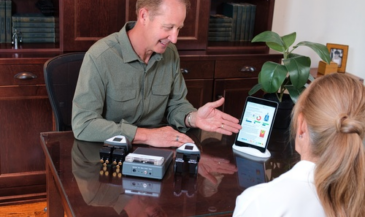
INSiGHT scanning technology adds objective exam data to that process. It does not diagnose the cause. It analyzes patterns related to autonomic regulation, postural tension, motor output, and adaptive reserve. The chiropractor interprets those findings alongside the history, examination, vestibular findings, imaging, and referral decisions. The technology supports the care plan; it does not create it.
The three INSiGHT technologies add complementary information:
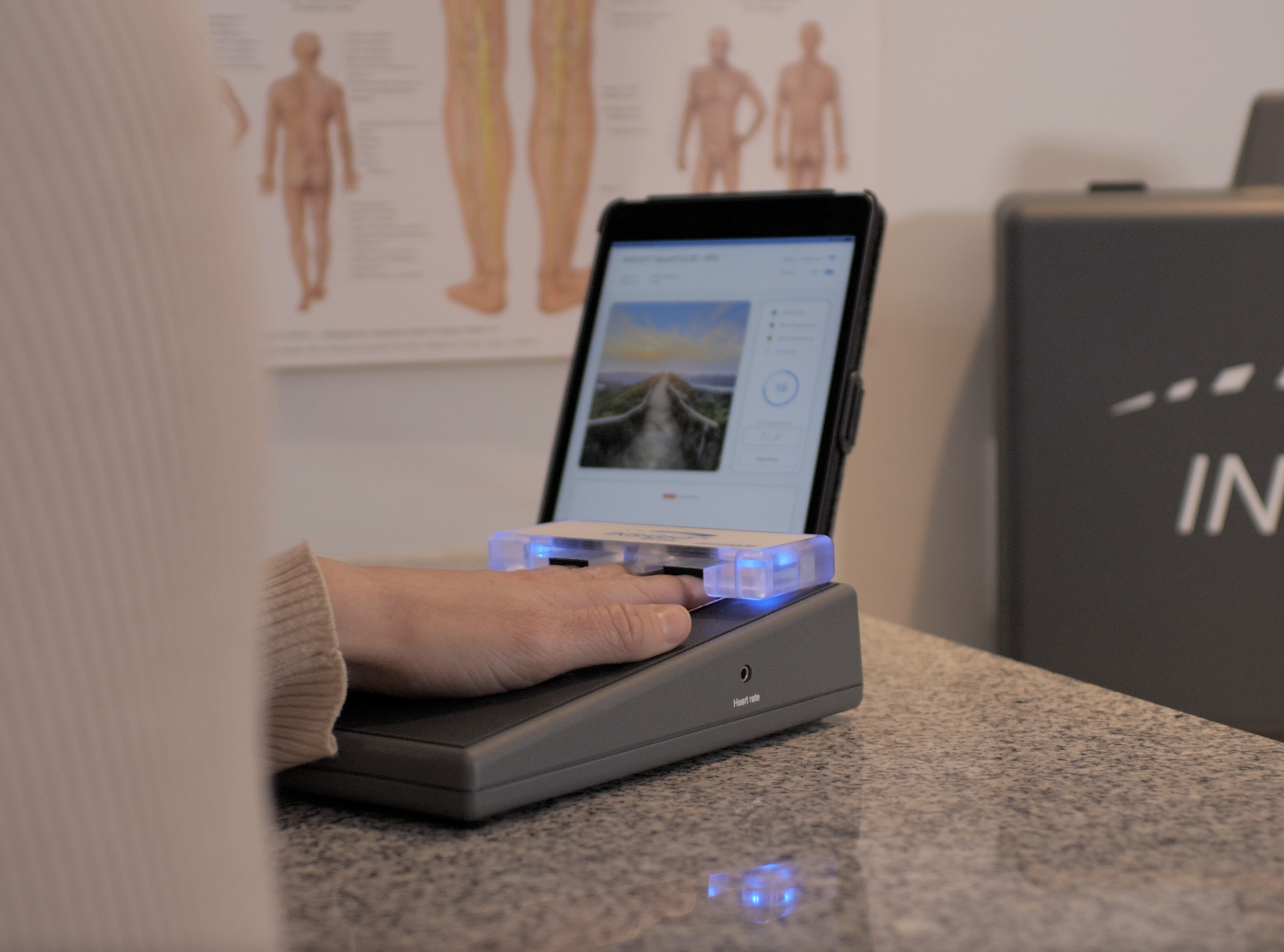
- neuroPULSE: Analyzes Heart Rate Variability to provide insight into autonomic balance, recovery, and adaptive reserve. It does not determine whether the patient has a peripheral vestibular condition, but it can support broader conversations about recovery habits intended to reduce stress.
- neuroCORE: Analyzes surface EMG activity in the paraspinal muscles, including postural tension, asymmetry, guarding, and inefficient energy expenditure. It is not a diagnostic test for balance disorders.
- neuroTHERMAL: Performs a fast full spine nerve system scan and analyzes bilateral temperature regulation patterns associated with autonomic function. It does not identify a specific ear or central condition.
INSiGHT neuroTECH and Synapse software bring those findings into one reporting process. Synapse organizes scan views, comparisons, and progress reports. CORESCORE combines the three technologies into a patient-friendly neurological efficiency score. This can shift the conversation from “Am I still dizzy today?” to “How is my nervous system performing over time?”
A responsible scan-led workflow clarifies the patient’s language, screens for referral needs, completes the chiropractic examination, establishes objective baselines when appropriate, and interprets the data within the complete picture. Re-scanning then helps follow baseline, response, and trajectory without promising that every presentation will respond the same way.
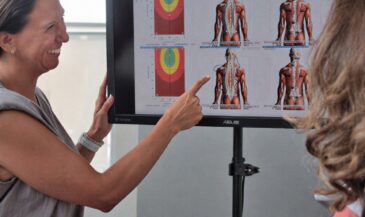
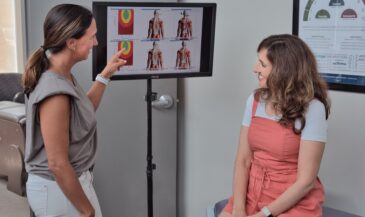
Neurological scanning shifts the patient’s focus from spinal regions and complaints to nerves and performance. When patients with vertigo can see nervous system status in living color, complex neurology becomes easier to understand. The scan cannot name what causes vertigo, but it can help the chiropractor communicate the broader functional story.
A Clearer Path Through Vertigo and Dizziness
What causes vertigo depends on which part of the balance system is sending inaccurate or conflicting information. Vertigo is often peripheral, but central and systemic causes must remain part of the clinical picture. A positional inner ear condition may create brief spinning after movement. The fluid-pressure condition may combine a vertigo episode with tinnitus and ear fullness. Inflammatory vestibular conditions may produce sudden or prolonged symptoms. Headache syndromes, injury, medication, circulation, and central neurological conditions may also cause episodes.
The chiropractor’s first responsibility is not to force the presentation into a chiropractic explanation. It is to listen carefully, distinguish spinning from faintness, identify timing and triggers, recognize referral signs, and examine how the nervous system is organizing posture, movement, and balance.
The question of what causes vertigo still requires appropriate clinical judgment, testing, and referral when indicated. When neurological scanning is appropriate, neuroPULSE, neuroCORE, neuroTHERMAL, Synapse software, and CORESCORE add objective information without replacing those steps. They help the chiropractor analyze nervous system performance and give the patient a visual reference point for the broader neurological story.
That is where responsible Neurologically-Focused Chiropractic Care can make a meaningful contribution. The goal is not to treat vertigo as though every case has the same origin. The goal is to recognize what is known, identify what still needs evaluation, and guide the next step without overstatement.
When people with vertigo understand what causes vertigo and the reason behind a careful neurological process, they stop hearing disconnected complaints and begin seeing one coordinated system. When chiropractors can show nervous system performance clearly while staying firmly within scope, patients receive something far better than a guess.