
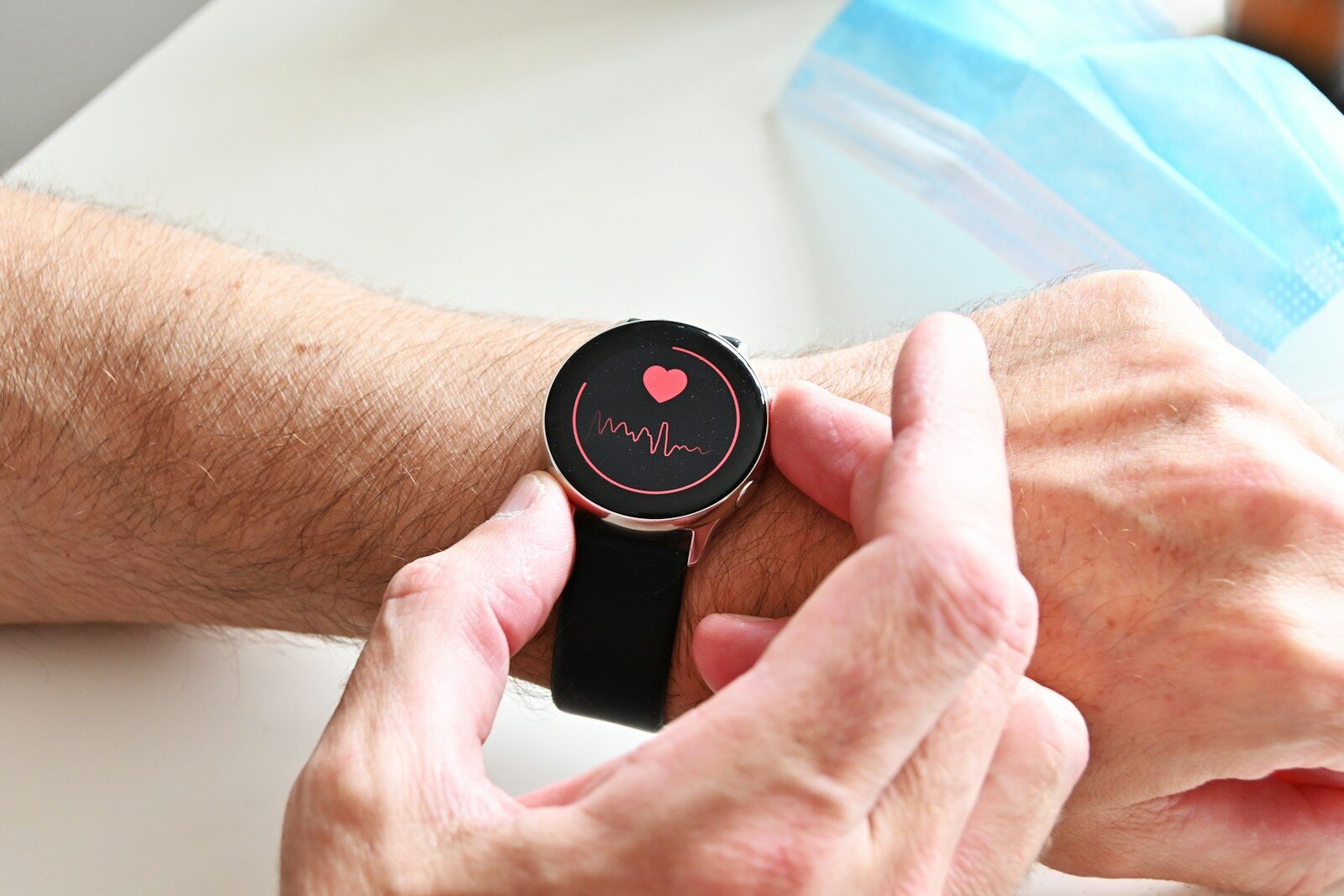
Perhaps you slept well, exercised yesterday, and felt great, yet your HRV was noticeably lower than usual. Or maybe your HRV unexpectedly increased after a stressful week.
It’s easy to assume something is wrong with your wearable or app, but in most cases, that’s not the explanation.
Heart Rate Variability (HRV) is an incredibly dynamic physiological measurement. It reflects how your autonomic nervous system is responding to everything happening inside and around your body. Because your nervous system is constantly adapting, your HRV naturally changes as well.
Understanding the factors that influence HRV is one of the best ways to interpret your results and avoid drawing conclusions from a single measurement.
What HRV Is Measuring
HRV is the variation in time between consecutive heartbeats.
Rather than measuring how fast your heart beats, HRV provides insight into how your autonomic nervous system regulates those beats.
Generally speaking, higher HRV is associated with greater adaptability and resilience, while lower HRV can indicate that your body is working harder to respond to physical, emotional, or environmental demands.
However, HRV is never static.
Your nervous system is constantly adjusting, and your HRV reflects those adjustments.
1. Sleep Quality
Sleep is one of the strongest influences on HRV.
During healthy sleep, particularly deep sleep, the parasympathetic nervous system becomes more active, allowing your body to recover and restore itself.
Poor sleep, fragmented sleep, or insufficient sleep often results in lower HRV the following day.
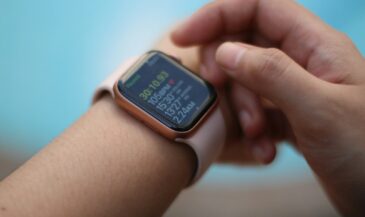
This is one reason many wearable devices calculate HRV during overnight sleep, when movement is minimized and recovery processes are active.
Learn more about INSiGHT scanning?
Fill this out and we’ll get in touch!
"*" indicates required fields
2. Emotional Stress
Deadlines.
Family responsibilities.
Financial concerns.
Major life changes.
Even when you’re sitting quietly, emotional stress activates your sympathetic nervous system. If your body remains in a prolonged stress response, HRV often decreases as your nervous system prioritizes vigilance over recovery.
3. Physical Exercise
Exercise has both immediate and long-term effects on HRV.
Immediately after a challenging workout, HRV often decreases because your body is recovering from physical stress.
Over weeks and months, however, consistent training frequently improves overall autonomic adaptability, resulting in a healthier baseline HRV for many individuals.
This is why athletes often monitor HRV to help guide recovery and training intensity.
4. Illness
Many people notice declining HRV before they even recognize the symptoms of a cold or infection.
Fighting illness places additional demands on the nervous system, often shifting the body toward a stress response while immune processes become more active.
As recovery occurs, HRV typically returns toward baseline.
5. Alcohol Consumption
Alcohol frequently lowers HRV, particularly overnight.
Even moderate consumption can disrupt sleep quality, increase heart rate, and alter autonomic balance.
Many wearable users quickly recognize this relationship after comparing HRV on nights with and without alcohol.
6. Hydration
Hydration influences circulation, cardiovascular function, and overall physiological performance.
Dehydration can place additional stress on the body, contributing to lower HRV values.
Maintaining adequate hydration supports normal cardiovascular function and recovery.
7. Caffeine
Caffeine affects people differently.
For some individuals, moderate caffeine intake has little measurable impact.
For others, especially when consumed in large amounts or later in the day, caffeine may increase sympathetic nervous system activity and temporarily reduce HRV.
8. Nutrition
Nutrition affects inflammation, blood sugar regulation, energy availability, and recovery.
Skipping meals, overeating, consuming excessive processed foods, or maintaining inconsistent eating habits may all influence autonomic nervous system activity.
While nutrition isn’t the only contributor to HRV, it plays an important supporting role in overall physiological resilience.
9. Time of Day
HRV naturally follows daily biological rhythms.
Morning measurements often differ from afternoon or evening measurements.
This is why many experts recommend collecting HRV at approximately the same time each day when tracking long-term trends.
Consistency improves meaningful comparison.
10. Body Position
One of the most overlooked influences on HRV is posture.
Standing.
Sitting.
Lying down.
Each position changes how your cardiovascular system works and how your autonomic nervous system responds.
Even changing arm position can influence cardiovascular measurements.
Clinical HRV assessments account for these differences by standardizing body position during testing, helping reduce unnecessary variation between examinations.
11. Breathing
Breathing has a powerful influence on HRV.
Slow, controlled breathing often increases parasympathetic activity and can temporarily elevate HRV.
Rapid, shallow breathing may have the opposite effect.
Because breathing patterns can vary from one measurement to another, they represent another reason why HRV values naturally fluctuate.
12. Temperature
Heat places additional demands on the cardiovascular system.
Hot environments, saunas, or even elevated body temperature during illness may influence HRV.
Likewise, cold exposure can activate different autonomic responses.
Environmental conditions matter more than many people realize.
13. Travel and Jet Lag
Travel introduces several physiological stressors simultaneously.
Poor sleep.
Schedule disruption.
Changes in meal timing.
Time zone shifts.
Dehydration.
All of these can temporarily influence autonomic regulation and contribute to lower HRV values until the body readjusts.
14. Age
HRV naturally changes throughout life.
In general, younger individuals tend to have higher HRV than older adults, although there is tremendous variation between individuals.
This is why comparing your HRV to someone else’s often has limited value.
Your own long-term trends are usually far more meaningful than population averages.
15. Measurement Conditions
Perhaps the most overlooked factor affecting HRV isn’t physiological at all.
It’s how the measurement was collected.
Consider the following differences:
- Were you sitting or lying down?
- Had you just exercised?
- Were you moving?
- Were your hands cold?
- Was the sensor positioned differently?
- Did you collect the measurement at the same time as yesterday?
Every one of these variables can influence HRV.
This is why consistency in measurement conditions is so important when evaluating changes over time.
Why One Low HRV Reading Doesn’t Mean Something Is Wrong
Many people become concerned after seeing a single low HRV score.
In most cases, there is no reason to panic.
Your nervous system is constantly adapting.
A lower HRV may simply reflect:
- A poor night’s sleep
- A difficult workout
- Increased work stress
- Travel
- Mild dehydration
- An approaching illness
- Normal day-to-day physiological variation
Looking at long-term trends is almost always more valuable than reacting to a single measurement.
Why Clinical HRV Assessments Standardize These Variables
Consumer wearables are designed for convenience and continuous monitoring.
Clinical assessments have a different objective.
When healthcare providers compare HRV measurements over weeks or months, they want confidence that differences represent genuine physiological change rather than changes in posture, movement, or testing conditions.
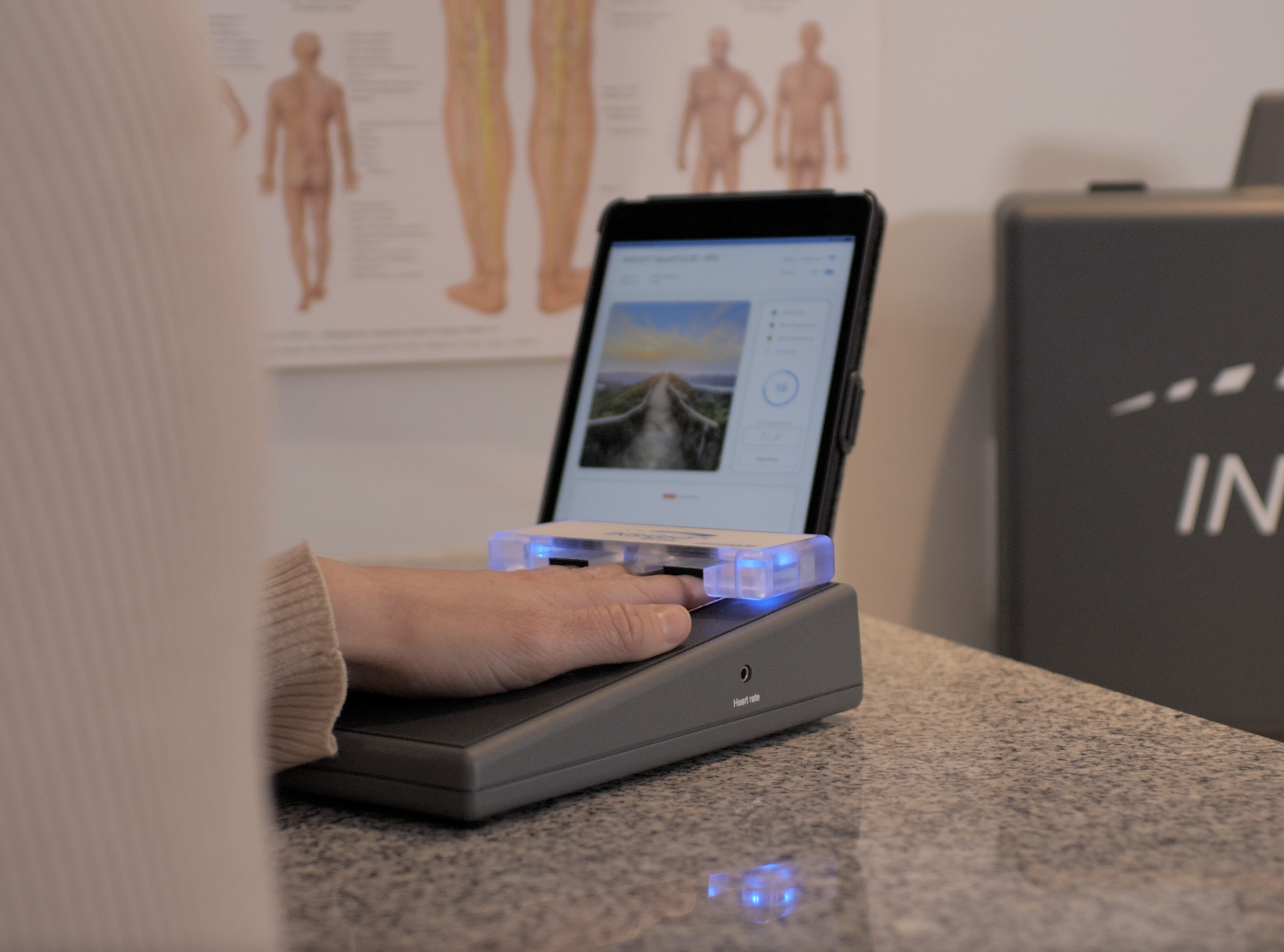
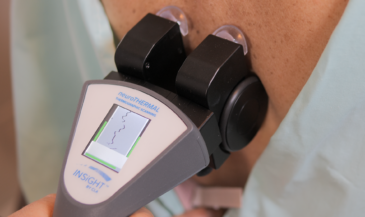
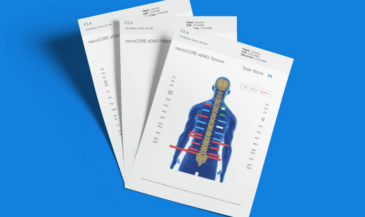
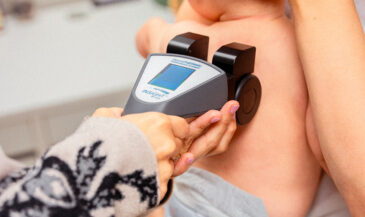
The neuroPULSE technology within the INSiGHT scanning technology addresses this by collecting HRV under standardized conditions.
Patients remain seated while the hand is supported and stabilized throughout the recording. By minimizing movement and maintaining consistent positioning, neuroPULSE helps reduce unnecessary sources of variation and produces measurements that can be compared more confidently over time as part of an objective neurological assessment.
Focus on Trends, Not Perfection
One of the biggest mistakes people make is chasing a higher HRV number.
HRV is not a competition.
It isn’t a score to maximize every day.
Instead, think of HRV as a conversation between your nervous system and your daily habits.
The most useful questions aren’t:
“Why isn’t my HRV higher?”
Instead, ask:
- How has my HRV changed over the past month?
- What habits consistently improve my recovery?
- What situations consistently reduce my resilience?
- Am I giving my body enough opportunity to recover?
Those questions provide insights that are far more valuable than any single number.