
The parasympathetic nervous system gives chiropractors a practical way to explain why chiropractic care is about more than vertebra and symptoms. It helps shift the conversation toward nervous system function, adaptability, recovery, and performance.
The autonomic nervous system has two major branches. The sympathetic nervous system helps the body respond to demand. It’s associated with “fight or flight,” alertness, increased heart rate, faster breathing rate, and the body’s fight or flight response. The parasympathetic nervous system is often called “rest and digest” because it supports recovery, digestion, gland activity, slowing down the heart rate, and the relaxation response when the body is at rest.
That simple contrast is helpful for patients, but as chiropractors, we know the real goal is not to make every patient more parasympathetic all the time. The goal is adaptability. A resilient nervous system can activate when needed, recover when appropriate, and move between parasympathetic and sympathetic activity without getting stuck.
That is where Neurologically-Focused Chiropractic Care becomes so important. When a patient is caught in sympathetic overdrive, their body may behave as though it is still in a stressful situation even after the moment has passed. The stress response remains elevated. Stress hormones may stay high. Reactions to stress may become exaggerated. Over time, this can influence sleep, heart rate, digestion, recovery, and overall nervous system performance.
Helping patients understand the parasympathetic nervous system changes the conversation. Instead of asking only, “Do I feel better?” they begin asking a better question: “Is my nervous system adapting better?”
How the Parasympathetic Nervous System Works in the Body
The parasympathetic nervous system is part of the autonomic nervous system, which is a major division of the peripheral nervous system. The central nervous system includes the brain and spinal cord, while the peripheral nervous system includes the pathways that carry information between the brain, spinal cord, spinal nerves, and the rest of the body.
The autonomic nerves help regulate involuntary functions, including heart rate, blood pressure, digestion, breathing rate, pupil response to light, gland secretion, and internal organs. In plain English, the nervous system controls much more than movement and sensation. It coordinates the automatic rhythms that keep the body functioning.
The parasympathetic nervous system has what is called a craniosacral origin. That means some parasympathetic nerves arise through cranial nerve pathways, while others arise from the sacral spinal cord. This matters because parasympathetic regulation is not isolated in one region. It reaches into the head, neck, chest, abdomen, pelvis, and organ systems.
Cranial pathways and the vagus nerve
Several of the 12 cranial nerves carry parasympathetic fibers. These include the facial nerve, the glossopharyngeal nerve, and the vagus nerve. The glossopharyngeal pathway contributes to salivary gland activity. The facial nerve contributes to tear and salivary function. These pathways remind us that the parasympathetic system supports many quiet maintenance functions that patients rarely think about until something fluctuates.
The vagus nerve is central to this conversation. As cranial nerve X, the vagus nerve carries parasympathetic influence to the heart, lungs, and much of the digestive tract. It plays a major role in resting heart rate, digestive regulation, and the body’s ability to settle after activation of the stress response.
This is why heart rate variability matters in chiropractic. Heart rate variability reflects variation in timing between heartbeats and gives insight into autonomic adaptability. Because the vagus nerve influences beat-to-beat rhythm, HRV gives chiropractors a useful way to discuss parasympathetic tone, sympathetic activity, and adaptive reserve.
Sacral pathways and pelvic organ regulation
The parasympathetic nervous system also includes pathways from the sacral spinal cord, especially S2 to S4. From there, pelvic splanchnic nerves influence bowel, bladder, and sexual function. This is one reason physiology sometimes uses the phrase “feed and breed” alongside “rest and digest.” It points to real parasympathetic innervation to pelvic organs.
Sacral parasympathetic nerve fibers contribute to bowel activity, urination, and erectile function of the penis. When patients raise concerns such as sexual dysfunction, chiropractors should stay within scope, communicate appropriately, and refer when needed. Still, this anatomy is important because it reminds us that autonomic regulation touches far more than sleep or relaxation.
At the cellular level, parasympathetic neurons commonly use acetylcholine as a chemical messenger. Signals travel through preganglionic parasympathetic pathways to parasympathetic ganglia, then onward to target tissues. Muscarinic receptors, including M3 receptors in certain glands and smooth muscle tissues, help produce effects such as secretion, constriction, and digestive activity.
That’s a lot of physiology, but here’s the practical point. The parasympathetic nervous system is not a vague wellness concept. It is a real, organized part of human function. It helps the body digest food, supports the enteric nervous system, assists gland activity, regulates the pupil, and helps the body return toward balance after times of stress.
Why Parasympathetic Balance Matters in Chiropractic Practice
Patients may not know the term PSNS, but they often describe what it feels like when recovery is poor. They may tell you they feel tired but wired. They may notice digestion is off. They may have trouble winding down at night. They may carry postural tension that never seems to release. They may have a resting heart rate that suggests their body is working harder than expected.
Those conversations give chiropractors an opportunity to teach. The sympathetic nervous system helps the body respond. The parasympathetic nervous system helps the body recover. A resilient nervous system is able to use both branches appropriately.
The sympathetic and parasympathetic nervous system relationship should be dynamic, not fixed. A patient who is always in high gear may struggle with recovery. A patient with low activity and low reserve may struggle to mount an appropriate response. A patient with better adaptability can respond, recover, and reorganize more efficiently.
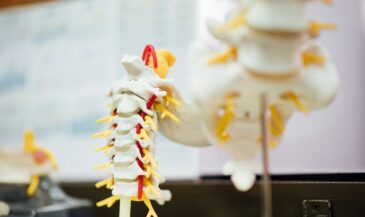
This is where chiropractic becomes more than a structural conversation. Chiropractic has always been connected to the relationship between the spine, spinal cord, spinal nerves, and nervous system controls. A Neurologically-Focused Chiropractor is not simply asking whether the patient has symptoms today. The deeper question is whether the nervous system is coordinating efficiently.
Autonomic balance gives patients a better framework
Many patients still think chiropractic care is something they use when they feel something wrong. That mindset keeps them focused on symptom changes alone. When you explain the autonomic nervous system, you give them a better framework.
- The body needs to respond: The sympathetic nervous system helps prepare the body for action during demand.
- The body needs to recover: The parasympathetic nervous system supports digestion, restoration, and regulation.
- The body needs to adapt: Chiropractic care helps patients understand the connection between neurological interference, nerve tension, and performance.
This conversation is especially useful when discussing sleep, digestive regulation, heart rate, and recovery. Patients can begin to understand that the goal is not just to feel different after one adjustment. The goal is to support a better-functioning nervous system over time.
Clinical topics require careful communication
Autonomic imbalance is discussed in broader health literature in relation to concerns such as high blood pressure, type 2 diabetes, multiple system atrophy, and altered autonomic regulation. That does not mean chiropractors should overclaim or move outside their scope. It means autonomic function is important, and chiropractors should communicate about it carefully and professionally.
The same principle applies when patients discuss digestion, breathing, sleep, sexual function, or cardiovascular concerns. The chiropractor’s role is not to claim that every issue is caused by the spine. The role is to assess nervous system function, identify patterns of neurological interference, provide appropriate adjustments, and refer when necessary.
That kind of communication builds trust. It also elevates the chiropractic profession because it positions chiropractors as evidence-informed professionals who understand the nervous system and can explain it clearly.
Learn more about INSiGHT scanning?
Fill this out and we’ll get in touch!
"*" indicates required fields
How INSiGHT Scanning Technology Helps Chiropractors See Autonomic Patterns
You can explain the parasympathetic nervous system all day long, but when patients see their nervous system status in living color, the conversation changes. That’s the power of neurological scanning. It moves the discussion from guessing and describing to observing and explaining.
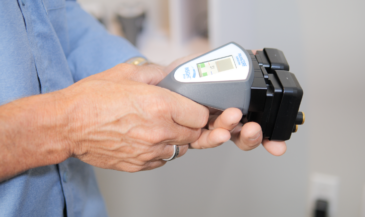
INSiGHT scanning technology gives chiropractors objective exam data that helps them analyze nervous system performance. It does not replace the chiropractor’s expertise. It does not generate the care plan. It provides scan data, reports, and scan views that support interpretation, recommendations, and patient communication.
This matters because parasympathetic activity is not something most patients can see. They may feel signs of neurological distress, sympathetic overdrive, or poor recovery, but they cannot easily connect those signs to autonomic function. INSiGHT neuroTECH and Synapse software help make those patterns visible.
neuroPULSE and autonomic adaptability
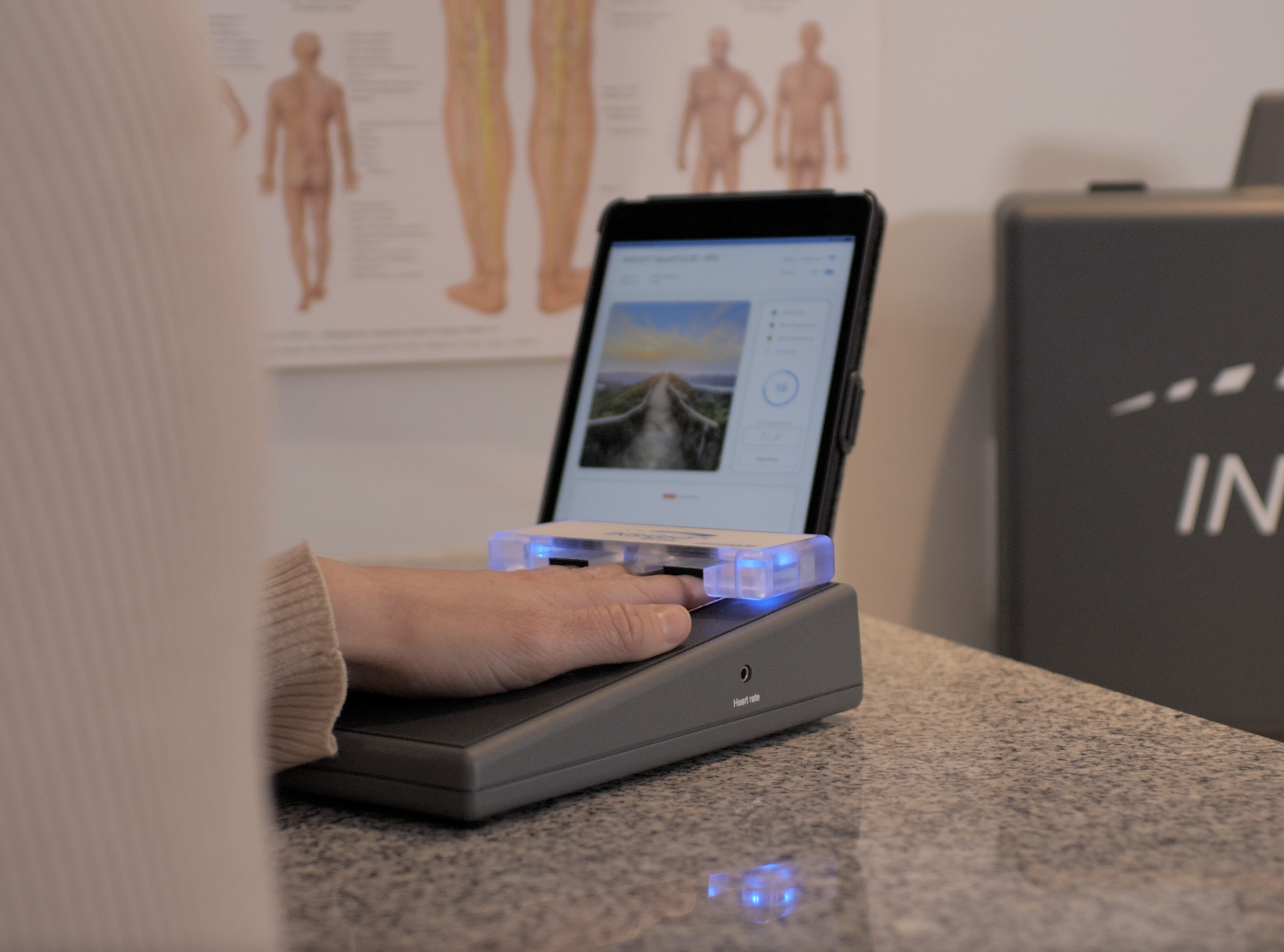
The neuroPULSE uses heart rate variability to help assess autonomic balance and activity. Since the parasympathetic nervous system influences heart rate through vagal pathways, HRV is one of the most helpful tools for discussing parasympathetic tone, vagus nerve activity, and adaptability.
Through neuroPULSE, chiropractors can better understand how the sympathetic and parasympathetic nervous systems are interacting. Is the patient showing sympathetic dominance? Is there low activity and depleted reserve? Is there parasympathetic dominance with low reserve? Is the patient moving toward a more balanced and adaptable pattern?
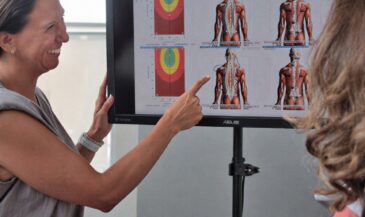
The Rainbow Graph helps make this easier for patients to understand. Instead of giving them a long explanation of autonomic physiology, you can show them a visual representation of balance and activity. That helps them see whether their nervous system appears stuck in high output, low reserve, or better regulation.
neuroTHERMAL and autonomic regulation along the spine
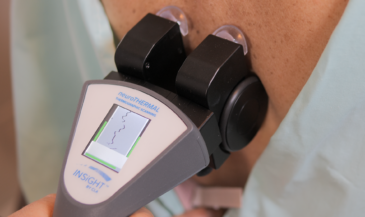
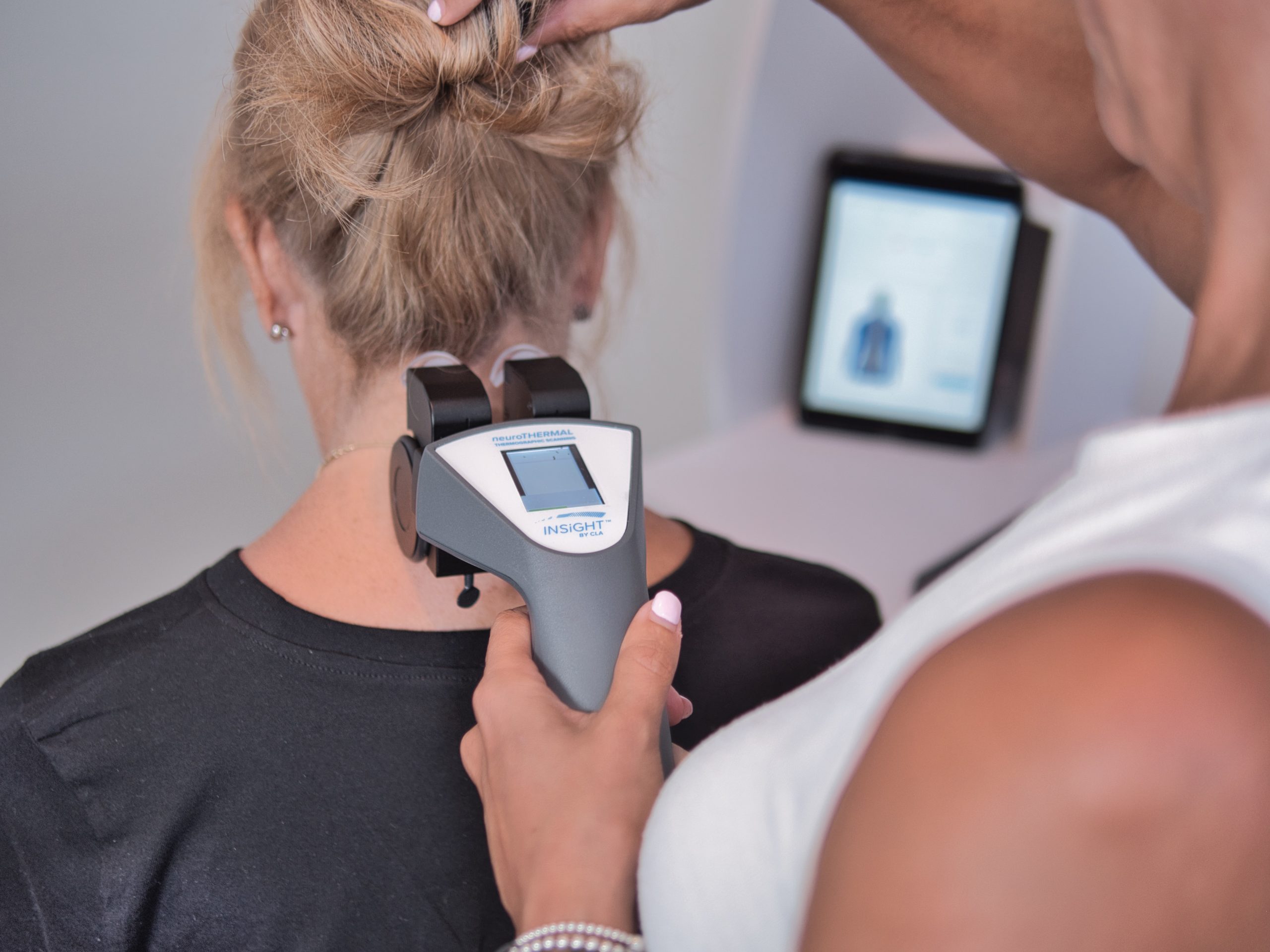
The neuroTHERMAL helps chiropractors analyze thermal patterns along the spine, which can reflect autonomic regulation through temperature differences. This connects well to conversations about autonomic nerves, internal organs, gland activity, sympathetic fibers, and nervous system regulation.
A full spine nerve system scan with neuroTHERMAL can help provide consistent scan views that support patient education. When patients see patterns of autonomic imbalance visually, they begin to understand why chiropractic care is concerned with more than obvious symptoms.
This is where complex neurology becomes simple without being watered down. Instead of trying to explain every pathway from the spinal region to organ systems, you can show patients where patterns are appearing and explain what those patterns may suggest about nervous system status.
neuroCORE and the motor side of neurological distress
The neuroCORE provides another layer by helping analyze postural tension, motor tone, and energy patterns. While the parasympathetic nervous system belongs to the autonomic conversation, chiropractors should not look at autonomic function in isolation. The body expresses neurological distress through multiple systems, including the motor system.
A patient caught in sympathetic overdrive may show patterns of guarding, inefficient tone, or excessive energy use. neuroCORE helps provide objective data that supports the broader clinical picture.
When neuroPULSE, neuroTHERMAL, and neuroCORE are used together, the chiropractor gains a clearer view of nervous system performance. Synapse software organizes that information into reports and scan views patients can understand. That is where INSiGHT scanning technology becomes so valuable. It helps chiropractors connect exam findings, patient education, and care recommendations with greater certainty.
Bringing the Parasympathetic Conversation Back to Chiropractic Certainty
The parasympathetic nervous system is one of the clearest ways to help patients understand why chiropractic care matters beyond how they feel today. It gives you a simple entry point into a deeper conversation about recovery, resilience, adaptability, and performance.
The real value is not in giving patients a physiology lecture. The real value is helping them understand their own body. They need to know their nervous system is constantly helping them respond and recover. They need to understand that the sympathetic nervous system and the parasympathetic nervous system are not enemies. They are partners in adaptation.
When the body faces demand, it needs activation. When the body is at rest, it needs restoration. When the body has been under ongoing neurological distress, it needs a clearer path back toward regulation. Chiropractic care, viewed through a neurologically-focused lens, helps patients understand that the spine and nervous system are central to that process.
This is why objective analysis matters. Without objective data, patients often return to the only thing they know how to track: symptoms. If they feel better, they assume they are done. If they feel worse, they assume nothing is changing. But nervous system performance is often more complex than that.
INSiGHT scanning technology gives chiropractors a better way to communicate. It helps you show patterns, track progress, and explain the relationship between adjustments and nervous system adaptability. It helps patients see that care is not simply about getting out of discomfort. It is about helping the nervous system function with greater efficiency and resilience.
The parasympathetic nervous system is not just the “rest and digest” branch. It is part of the larger story of human performance. It reminds us that recovery, digestion, sleep, regulation, and adaptability depend on a nervous system that can communicate clearly.
For chiropractors, that’s something to get excited about. When you can analyze what matters, you can explain what matters. When patients can see what is happening, they understand the value of care. And when they understand the why behind their care, they stop counting visits and start valuing progress.