

Yes, chiropractic can help posture, but not in the shallow way many people imagine. Better posture is not simply a matter of pulling the shoulders back, tucking the chin, and trying harder to stand straight. If it were that easy, most patients would have solved the problem on their own years ago.
Poor posture is often a sign that the body has learned a pattern. The spine, muscles, joints, and daily habits have all found a way to keep the person upright, even if that strategy creates strain. For chiropractors, that makes posture more than a visual concern. It becomes a window into function, compensation, and neurological performance.
Why Posture Matters in Chiropractic Beyond Appearance
Posture is not just how a patient looks from the side or how straight they appear in a mirror. Posture is the body’s way of organizing itself against gravity. It reflects how the spine moves, how the muscles support that movement, and how the patient has adapted to work, stress, exercise, sleep, screen time, injuries, and habits repeated over years.
This is why posture belongs in the chiropractic conversation. A chiropractor is not simply looking for a slouch. The exam is looking for patterns. Does the head drift forward? Are the shoulders rounded? Is one side carrying more tone than the other? Does the patient hold themselves in a way that suggests guarding, reduced mobility, or old compensation?
Posture Is a Functional Pattern, Not Just a Position
A patient can force themselves into an upright posture for ten seconds. That does not mean the body can hold that position well during real life. The deeper question is whether the body has the strength, mobility, spinal alignment, and awareness to support good posture without constant effort.
In chiropractic, posture is best understood as a functional pattern. It is connected to movement and posture, not appearance alone. When the spine is restricted, when muscles are overworking, or when a patient has spent years sitting in a collapsed position, the body may begin to treat poor posture as normal.
That is why a postural exam can be so useful. It gives the chiropractor a starting point for understanding how the body is distributing stress. It may show clues about the neck, upper back, pelvis, hips, or lower back. It may also help explain why the patient feels tired standing tall or why certain movements feel harder than they should.
The Benefits of Good Posture Are Bigger Than Standing Taller
The benefits of good posture are not limited to looking more confident, though many patients appreciate that too. Better posture can support more efficient movement, reduce unnecessary strain, and help the body carry itself with less effort. When a patient can maintain good posture more naturally, simple things like working at a desk, walking, lifting, exercising, and sitting in the car may feel easier.
Good posture also supports spinal health. When the body is better organized, it does not have to rely as heavily on compensations. Muscles do not need to guard as much. Joints do not need to absorb as much uneven stress. The patient may begin to notice that posture and overall well-being are connected in ordinary, practical ways.
Still, chiropractors should be careful not to turn posture into a rigid ideal. The goal is not to make every patient look identical. The goal is to help the body move, stabilize, and adapt with less strain.

Why Chiropractors Should Be Careful With “Posture Correction” Language
Patients often ask about posture correction because they want a simple answer. They may ask, “Can you fix posture?” or “Can chiropractic care corrects posture?” The better clinical answer is more thoughtful. Chiropractic care can support correcting poor posture by addressing the factors that contribute to it, including restricted joint motion, poor spinal mechanics, muscle tension, weakness,daily habits and most importantly, vertebral subluxations.
Correct posture does not mean the patient holds one perfect position all day. It means the body can return to proper posture with less effort. It means the patient can sit, stand, and move with more freedom. It means posture more naturally reflects balance and neurological tone instead of strain.
Posture problems develop over time, so they usually need time, repetition, and the right inputs to change. That is where chiropractic care, exercise, education, and objective exam findings can work together.

How Poor Posture Develops and What Chiropractors Commonly See
Poor posture rarely appears overnight. More often, it develops quietly. A patient spends years at a desk, hours on a phone, long stretches in the car, or too many evenings bent over a laptop. The body adapts, because adaptation is what the body does.
At first, bad posture may not hurt. That is one reason it can be ignored. But as the pattern becomes familiar, the body may begin to show signs of stress. The patient may report stiffness, neck pain, back pain, reduced mobility, or a sense that it takes too much effort to stand tall.
Common Posture Patterns Chiropractors Evaluate
One of the most common patterns chiropractors see is forward head posture. This happens when the head shifts ahead of the shoulders instead of resting more directly over the spine. A forward head position can place added demand on the neck and upper back, especially for patients who spend long hours on computers or phones.
Rounded shoulders are also common. These often show up with tight chest muscles, weaker upper back support, and long hours of sitting. The patient may feel tension across the shoulders or fatigue between the shoulder blades.
Chiropractors may also evaluate pelvic tilt, swayback posture, uneven shoulder height, guarded lower back positions, and postural problems related to old injuries or repetitive demands. Some spinal curves or structural concerns, such as scoliosis, require appropriate clinical evaluation and should never be reduced to a simple posture habit.
Why Poor Posture Can Become Self-Reinforcing
The body gets good at what it repeats. If a patient spends years in poor posture, the muscles and joints may begin to support that pattern automatically. Tight areas remain tight. Underused areas become less reliable. Restricted spinal motion changes how the patient moves. Over time, poor postural stress can feel normal until the body is asked to move differently.
This is why postural problems can be stubborn. The patient may want better posture, but the body may not yet have the mobility, strength, or awareness to hold it comfortably. Trying to force upright posture without addressing the underlying pattern often leads to fatigue or frustration.
A chiropractic exam helps separate what is visible from what is functional. The patient may see rounded shoulders in the mirror, but the chiropractor is asking why the shoulders got there, how the spine is moving, and what needs to change for the body to support a better pattern.

Learn more about INSiGHT scanning?
Fill this out and we’ll get in touch!
"*" indicates required fields
How Chiropractic Care Can Help With Posture
So, can chiropractic help posture in a meaningful way? Yes, when it is approached as a functional process. Chiropractic care is not about barking reminders to stand taller. It is about helping the body regain better motion, better awareness, and better support for posture over time.
The chiropractor begins by assessing how the patient is functioning. That may include posture observation, spinal motion testing, muscle tone, balance, areas of discomfort, work demands, exercise habits, and the patient’s history. The patient’s posture is one clue, not the entire diagnosis.
Chiropractic Assessment Starts With How the Body Is Functioning
Before recommending care, a chiropractor should understand the pattern. Is the neck restricted? Is the upper back stiff? Is the pelvis compensating? Is the lower back overworking because the hips lack mobility? Is the patient’s work environment reinforcing the problem every day?
This is where expert chiropractic care becomes practical. The goal is not to chase the posture picture. The goal is to understand what the posture picture is telling us.
A good assessment also helps the patient understand their role. Chiropractic care improves function best when the patient participates. The adjustment may open the door, but daily choices help determine whether the body walks through it.
How Chiropractic Adjustments Support Spinal Motion and Alignment
A chiropractic adjustment is a skilled, specific procedure used to improve neurological control, joint motion and spinal function. The purpose of an adjustment is to help restore motion where motion has been lost, reduce unnecessary neurological tension, and support better alignment through the spine.
Many patients ask whether adjustments improve posture. The most honest answer is that adjustments help posture best when they are part of a broader care process. Chiropractic adjustments help improve mobility and can reduce mechanical stress, which may make it easier for the patient to hold proper alignment.
The phrase “realign the spine” is often used by patients, but chiropractors understand there is more happening than a simple mechanical reset. The body is responding through joints, muscles, movement, and neurological input. The goal is to restore proper spinal alignment as part of better function, not to promise instant posture correction.
Why Exercise and Home Care Are Essential for Lasting Change
Exercise is essential for lasting posture change. The adjustment may improve motion, but exercise helps the body support that motion. If weak muscles are not strengthened and tight areas are not addressed, the patient may drift back into the same pattern.
A chiropractor may recommend exercise and home care based on the patient’s exam. This can include strengthening, stretching, mobility work, and practical changes to the patient’s environment. The best plan is not overwhelming. It is something the patient can actually do.
Helpful posture-focused exercise and habit recommendations may include:
- Core strengthening to support the lower back
- Upper back strengthening for shoulder support
- Chest stretching for rounded shoulders
- Hip mobility work for pelvic control
- Neck mobility for forward head strain
- Standing and walking breaks during the workday
- Desk setup changes to support good posture
- Breathing and relaxation habits to reduce guarding
These are not replacements for chiropractic care. They are partners in the process. When exercise, adjustment, and patient education work together, the body has a better chance to improve posture in a way that lasts.
Pain Relief Is Helpful, But It Is Not the Whole Goal
Poor posture can contribute to neck pain, back pain, shoulder tension, lower back pain, and general fatigue. Chiropractic treatment may support pain relief by improving spinal mobility, reducing mechanical strain, and helping the body move with less compensation.
But for neurologically focused chiropractors, the conversation should go beyond pain relief. Pain is important, and no one wants patients to suffer. But posture issues often tell a bigger story about function. If care only focuses on symptoms, the deeper pattern may be missed.
A thoughtful treatment plan looks at the whole posture pattern. It considers the spine, muscles, habits, and patient goals. It helps patients understand that better posture is not something done to them. It is something their body learns with the right support.

Why Neurological Scanning Gives Chiropractors a Clearer Posture Conversation
Visual posture matters. A trained chiropractor can learn a great deal by observing how a patient stands, walks, sits, and moves. But visual posture tells only part of the story. Two patients can both present with forward head posture, yet their internal stress patterns, muscle activity, adaptability, and compensation strategies may be very different.
This is where INSiGHT CLA’s technology brings a stronger conversation into the exam room. Posture is visible. Function needs to be measured. When chiropractors add objective neurological scanning, they can help patients see that posture is not just about shoulders and neck position. It is connected to how the body is organizing stress, energy, and adaptation.
Visual Posture Tells Part of the Story, Not the Whole Story
A patient may come in worried about the way they stand. They may say their shoulders are rounded or their head is too far forward. Those observations matter. But the chiropractor still needs to ask better questions. What is happening in the spinal muscles? How is the body adapting under stress? Are there patterns that help explain why the patient’s posture keeps returning to the same position?
That is why posture and overall function should not be reduced to a quick visual check. A posture photo can show where the body is positioned. It cannot fully show how hard the body is working to stay there.
Neurological scanning helps give the chiropractor more objective exam data. It supports clearer reports, better re-exams, and a more meaningful conversation with the patient about posture and overall well-being.
How INSiGHT Scans Help Connect Posture to Neurological Performance
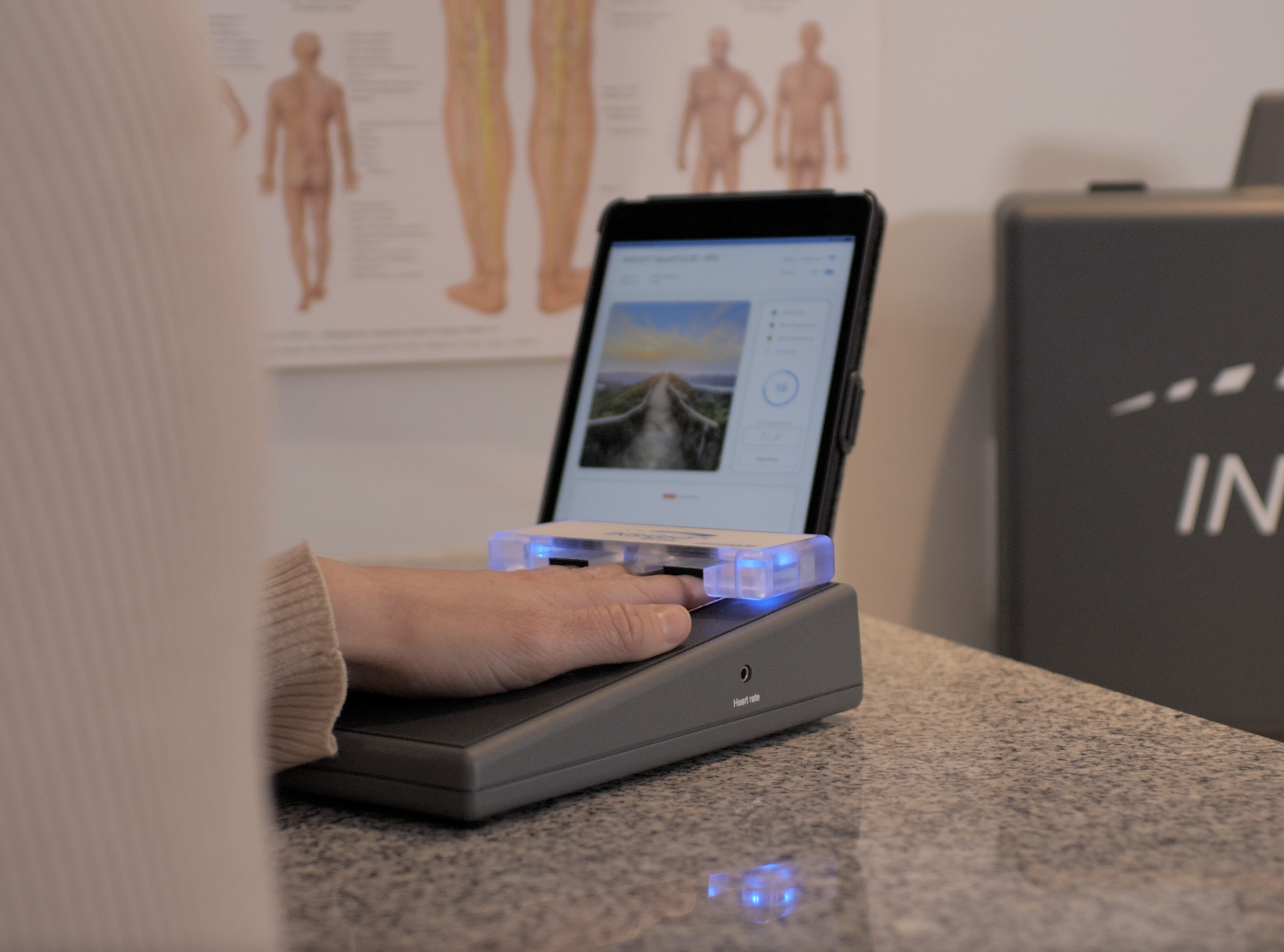
INSiGHT CLA helps chiropractors bring objective neurological data into the posture conversation. INSiGHT scans do not diagnose posture problems, and they do not create care plans. The chiropractor uses the data alongside the exam, history, and clinical judgment.
The INSiGHT neuroTECH can help make posture conversations more measurable through:
- neuroCORE: Assesses spinal muscle activity, symmetry, and energy patterns that may relate to postural compensation.
- neuroTHERMAL: Assesses paraspinal temperature patterns that may reflect autonomic regulation and deeper stress patterns.
- neuroPULSE: Assesses HRV and adaptability, offering insight into how the body is managing stress.
- CORESCORE: Communicates scan findings in a simple 0 to 100 format that patients can understand.
- The INSiGHT software, powered by Synapse: Organizes scans, Scan Views, reporting, re-exams, and patient communication inside the INSiGHT software.
For chiropractors, this is a powerful shift. Instead of saying, “Your posture looks off,” the conversation becomes more objective. The chiropractor can show patterns, explain what they may mean clinically, and connect the patient’s posture to broader function.
Making Posture Measurable Over Time
Posture change is not a one-visit event. Patients need to see progress over time, especially when the goal is long-term benefits rather than a quick posture cue. That is where re-scanning can strengthen patient understanding.
INSiGHT’s Rule of 3 Scans gives chiropractors a simple structure:
- Baseline: Where the patient begins
- Response: How the body responds to care
- Trajectory: Where the pattern is heading over time
This helps the chiropractor explain the patient’s posture with greater clarity. The scan does not replace the exam. It strengthens the exam conversation. It gives the patient something objective to understand beyond how they feel on any single day.
For chiropractors who want to communicate posture well, this is vital. Patients may understand a slouch visually, but they often need help understanding why it keeps returning. INSiGHT helps move the conversation from “stand straighter” to “let’s look at how your body is adapting.”
What Patients Should Expect When Seeking Chiropractic Care for Posture
When patients ask can chiropractic help posture, they are often hoping for a fast answer. They may want a quick fix, especially if they are frustrated by how they look or feel. A good chiropractor will give them hope, but also honesty.
Posture change takes time because posture is learned over time. The longer the body has lived in a pattern, the more consistency may be needed to change it. Some patients may notice improved mobility or comfort early in care. Others may need weeks or months of regular treatment, exercise, and daily awareness before visible posture changes are easier to maintain.
Posture Change Takes Time Because Posture Is Learned Over Time
A patient’s posture reflects repetition. If the body has spent years in a forward head position, it may not accept upright posture immediately. If the upper back has been stiff for a long time, it may take consistent work to restore motion and support.
This is why chiropractors should avoid promising a specific number of visits. Progress depends on the patient’s starting point, age, work demands, activity level, spinal health, consistency, and willingness to follow through at home.
Regular chiropractic care may be recommended at the beginning, then adjusted as the patient responds. The purpose is to help the body build a new pattern, not just feel better for a day.
The Best Results Combine Chiropractic Care, Exercise, and Daily Awareness
The best posture outcomes usually come from combining chiropractic care with exercise and daily awareness. Patients need to understand that their care continues between visits. The way they sit, sleep, move, work, and recover all influence the result.
To maintain good posture, patients may need to make simple but consistent changes. That could mean raising a monitor, taking walking breaks, strengthening the upper back, stretching the chest, improving hip mobility, or learning how to relax unnecessary tension.
Chiropractic care provides the clinical support. Exercise gives the body strength and control. Daily habits teach the body what to repeat. Together, these help the patient support good posture more naturally.
When to Seek Chiropractic Care
Patients should seek chiropractic care if poor posture is linked with recurring discomfort, reduced mobility, back pain, neck pain, muscle tension, or difficulty maintaining upright posture. They should also consider an evaluation if they notice posture changes that are getting worse or interfering with movement.
A licensed chiropractor should perform an appropriate exam before recommending care. That exam may include posture observation, spinal assessment, functional movement, scan data, and a conversation about lifestyle and goals.
For chiropractors, this is also a reminder. The posture conversation is stronger when it is clear, objective, and connected to the whole person. Patients do not need to be shamed for poor posture. They need to be shown what their body is doing and what can be done to help.
Better Posture Starts With Better Information
So, can chiropractic help posture? Yes. Chiropractic can help posture when care looks at the full picture: spinal motion, alignment, muscular support, exercise, daily habits, and objective neurological findings.
The real goal is not to force the patient into correct posture for a moment. The goal is to help the body find better posture it can hold, return to, and trust. That takes care, repetition, awareness, and good information.
For INSiGHT CLA, this is where the chiropractic profession has such an important opportunity. When chiropractors can measure more, they can communicate more clearly. And when patients can see more clearly what is happening in their body, posture becomes more than a reminder to stand tall. It becomes part of a larger story about function, adaptability, and a body learning to support itself well again.