

Understanding Spinal Compression in the Lower Back
Before discussing how to decompress the lower back, it is essential to understand what compression actually means. Spinal compression refers to increased load and force placed on the spine, particularly through the lumbar spine where gravity, posture, and daily movement accumulate. Over time, compression can irritate spinal joints, stress spinal discs and spinal disks, and involve sensitive nerve roots within the spinal canal.
Compression is not only mechanical. It is also neurological. When the nervous system perceives instability or threat, it increases tone in the back muscles to protect the area. This protective strategy can create uneven force through the vertebra, contributing to spinal compression that does not resolve on its own. Poor posture, repetitive bending, prolonged sitting, and unresolved stress patterns all increase pressure on your spine.
Common clinical presentations linked to compression include herniated disc, spinal stenosis, and sciatica. These conditions are often associated with symptoms that travel into the hips or legs and can be leading to pain when nerve roots are irritated. Chiropractors recognize that two people with the same imaging findings can present very differently depending on nervous system adaptability.
- Load: how much force the spine is managing daily
- Control: how the nervous system stabilizes the low back
- Capacity: how well the body adapts and recovers
Understanding spinal compression through this lens helps chiropractors identify the true cause of your pain instead of chasing symptoms alone.
How Chiropractors Think About Decompression of the Lower Back
In chiropractic, decompression is not viewed as a single technique. It is a strategy. When patients ask how to decompress their lower back, chiropractors evaluate whether the nervous system can tolerate change without escalating symptoms. Decompression is used to reduce pressure, restore motion, and calm protective guarding, but only when the body is ready.
There are many terms used in the industry, including spinal decompression, spinal decompression therapy, lumbar decompression, and spine decompression. While these phrases are often used interchangeably, chiropractors differentiate between passive approaches like traction and active approaches that help stabilize your spine. Passive decompression may create short-term relief, but without control and posture support, compression often returns.
Decompression must be paired with stabilization. Helping decompress the lower back today without addressing posture and movement tomorrow creates a cycle of recurring symptoms. Chiropractors emphasize maintaining change so the spine does not repeatedly collapse into compression.
Clinical decision-making also requires safety. In cases of acute pain, conservative strategies are prioritized. In more complex cases, referral to a healthcare provider, clearance from your doctor, or consultation with a healthcare professional may be necessary. Decompression surgery and spinal decompression surgeries are considered only after conservative care fails, especially in cases involving spinal fusion or advanced spinal condition patterns.
Learn more about INSiGHT scanning?
Fill this out and we’ll get in touch!
"*" indicates required fields
Decompression Techniques Chiropractors Commonly Recommend or Modify
When teaching how to decompress the lower back, chiropractors often begin with low-force strategies that reduce pressure without overwhelming the nervous system. Decompression at home can be effective when done correctly and consistently.
One common recommendation is to lie on your back with a pillow under your knees. This position reduces lumbar arching and allows the back muscles to relax. Patients are encouraged to breathe slowly and allow the spine to settle. This is a simple form of at-home spinal decompression.
Movement-based spinal decompression exercises such as Cat-Cow allow patients to gently stretch and improve motion. These movements help decompress the spine while maintaining control. In some cases, bar hangs or supported hangs are used because gravity elongates your spine, but only when appropriate. These decompression methods must be carefully selected to avoid flare-ups.
In-office care may include traction, standard decompression, or use of a spinal decompression table. Non-surgical spinal decompression is often used alongside chiropractic adjustments to help decompress your back and relieve pressure on irritated tissues. These approaches can provide back pain relief when matched to the patient’s tolerance and neurological pattern.
In severe cases involving herniated disc, spinal stenosis, or pain and injury that do not respond to conservative care, spinal surgery may be discussed. Chiropractors play a critical role in guiding patients through spine injuries and post-surgical stabilization.
Why Decompression Without Neurological Assessment Falls Short
Many people learn how to decompress their lower back but still suffer from back pain because decompression alone does not address nervous system control. Compression patterns often return when adaptability is low and posture remains unchanged.
Without neurological assessment, clinicians miss whether compression is driven by motor tension, autonomic stress, or reduced reserve. This is why decompression techniques can temporarily reduce pain but fail to stabilize the spine long term. Pain levels fluctuate, and symptoms may return even after short-term relief.
Sleep habits matter. Spine while sleeping influences compression. If a sleeping position isn’t supportive, decompression efforts during the day are undone at night. Back sleeping with a pillow under your neck or back with a pillow under the legs can help decompress your spine at night. Small changes help muscles relax and reduce spinal compression.
Understanding spinal compression from a neurological perspective allows chiropractors to identify the true cause of pain patterns, manage pain effectively, and intervene before pain persists or becomes chronic back dysfunction.
Using INSiGHT Scanning Technology to Guide Lower Back Decompression Decisions
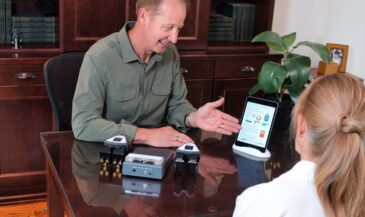
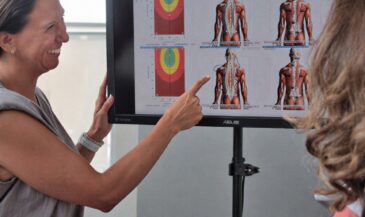
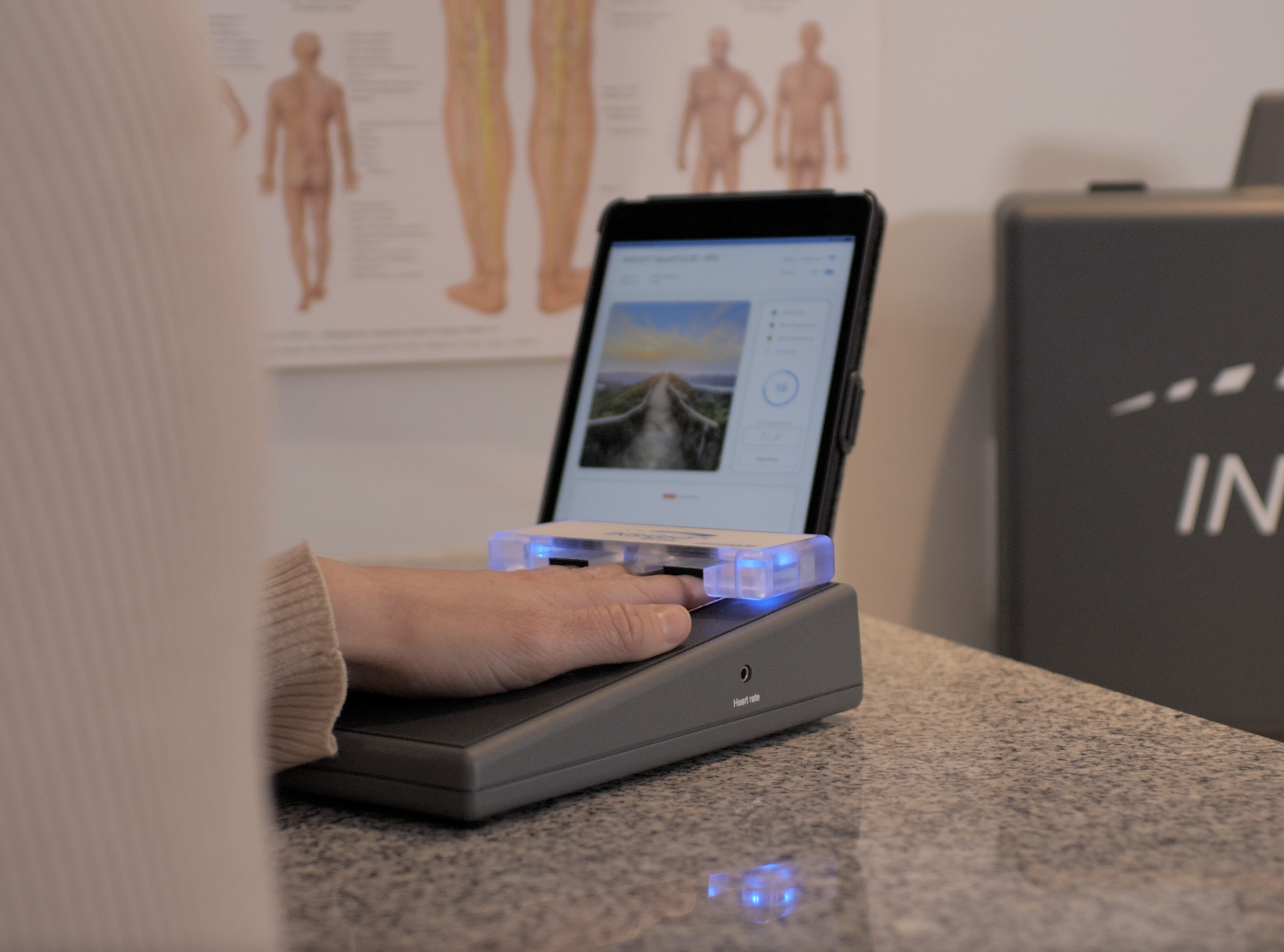
This is where INSiGHT scanning technology elevates the conversation about how to decompress the lower back. INSiGHT provides objective data that helps chiropractors determine whether decompression will help decompress or worsen guarding. neuroCORE sEMG reveals how the back muscles manage gravity and whether motor tone patterns are contributing to compression.
neuroTHERMAL scanning identifies segmental stress patterns along the spine that may drive protective responses. neuroPULSE HRV measures adaptability, showing whether the nervous system can tolerate decompression techniques. Together, these tools explain why some patients find relief while others flare.
INSiGHT does not create care plans. It provides the data chiropractors interpret to design precise strategies via spinal decompression. Follow-up scans allow clinicians to verify the benefits of spinal decompression, show whether pressure patterns are changing, and ensure care is making a difference.
From Temporary Relief to Long-Term Stability
Knowing how to decompress the lower back is valuable, but knowing when and how to apply decompression makes the difference. Decompression is not a shortcut. It is a clinical skill that works best when guided by neurological assessment and reinforced with stabilization.
When chiropractors combine decompression methods with posture correction, movement education, and objective scanning, patients find relief and build resilience. This approach helps decompress the lower, stabilize your spine, and move beyond repeated flare-ups.
By making the invisible visible and focusing on nervous system performance, chiropractors lead patients out of cycles of compression and into sustainable improvement.