
POTS symptoms are often discussed as a heart rate problem, but postural orthostatic tachycardia syndrome is more than a fast pulse. It is a form of orthostatic intolerance in which the body struggles to keep circulation steady when a person becomes upright. The heart rate increase matters, but so do brain fog, fatigue, exercise intolerance, temperature changes, palpitations, nausea, and near fainting. Together, these signs show why POTS can affect far more than the cardiovascular system.
For chiropractors, this subject calls for both curiosity and restraint. POTS must be diagnosed medically, and neurological scanning does not replace a tilt table test, standing test, or appropriate referral. Still, the autonomic nervous system sits right in the middle of the POTS conversation. That gives the Neurologically-Focused Chiropractor an important role in recognizing the presentation, understanding the physiology, and using objective analysis to look beyond symptoms alone.
What POTS Symptoms Reveal About Postural Orthostatic Tachycardia Syndrome
POTS stands for postural orthostatic tachycardia syndrome. “Postural” relates to body position. “Orthostatic” means standing upright. “Tachycardia” refers to an increased heart rate. “Syndrome” describes a group of signs that occur together rather than one isolated complaint. Put together, the name describes a recognizable pattern in which becoming upright brings on an exaggerated heart rate response and a group of orthostatic symptoms.
The defining feature is not simply having a high heart rate. POTS symptoms usually appear or become worse after a person rises from lying down to standing, remains upright, or increases physical demand. Lying down may help the signs settle. That posture-dependent pattern is one reason living with POTS can affect ordinary activities such as showering, waiting in line, cooking, shopping, or climbing stairs.
Common Symptoms of POTS
The symptoms of POTS vary from person to person, and POTS symptoms may fluctuate over time. Some people with POTS have mild symptoms that come and go. Others have symptoms for months or years before getting a diagnosis. Not everyone with POTS will faint, and many people with POTS experience several body-system signs at once.
- Rapid heart rate: A pounding, racing, or forceful heartbeat after standing.
- Orthostatic symptoms: Dizziness, lightheadedness, tunnel vision, near fainting, or fainting in some patients.
- Cognitive signs: Brain fog, poor concentration, and difficulty remembering.
- Energy and movement: Severe fatigue, exercise intolerance, and worsening after activity.
- Cardiovascular symptoms: Palpitations, shortness of breath, chest discomfort, and blood pressure fluctuations.
- Digestive signs: Nausea, bloating, abdominal discomfort, or vomiting.
- Temperature and circulation: Excessive sweating, heat intolerance, pale skin, or purple discoloration of the hands and feet.
- Sleep and recovery: Disrupted sleep and a reduced sense of restoration.
These physical symptoms may look unrelated until the nervous system is considered. Heart rate and blood pressure, sweating, digestion, temperature regulation, and blood vessel tone are all influenced by the autonomic nervous system. POTS affects how these automatic responses are coordinated while upright.
Why POTS Symptoms May Get Worse
POTS symptoms often worsen when the body must manage more heat, more standing, greater exertion, or less circulating fluid. Common triggers include hot showers, warm rooms, prolonged standing, strenuous activity, skipped meals, illness, menstruation, and inadequate fluid or salt intake. Sometimes POTS appears after a viral illness, including COVID-19.
This variability matters in practice. Symptoms over time do not always follow a straight line, so a chiropractor should not judge the entire case from one good day, one difficult day, or one symptom score. The reported signs matter, but they are not the whole neurological picture.
The Cause of POTS: Blood Flow and the Autonomic Nervous System
When a person stands, gravity pulls blood toward the abdomen and lower limbs. In a resilient system, the autonomic nervous system responds quickly. Blood vessels constrict, venous return is supported, and the heart rate rises modestly so the brain and other organs continue receiving steady blood flow. Most people never notice this carefully coordinated response.
In POTS, that process is less efficient. Blood may begin pooling in the legs or abdomen. Blood volume may be lower than expected. Blood vessels may not tighten appropriately. The nervous system may increase sympathetic output and release more epinephrine and norepinephrine to maintain circulation. The resulting increase in heart rate is often a compensation rather than an isolated heart problem.
When less blood returns efficiently to the heart and brain, the person may feel lightheaded, weak, foggy, or exhausted. As sympathetic activity rises, they may also feel shaky, sweaty, anxious, or acutely aware of every heartbeat. POTS is not caused by anxiety, although POTS patients can have anxiety just like anyone else. The overlap between POTS and anxiety-like sensations should never be used to dismiss the patient’s physical experience.
Neuropathic, Hyperadrenergic, and Hypovolemic POTS
Researchers continue to study the root causes and possible causes of POTS because no single explanation fits every patient. More than one pattern may be present in the same person.
- Neuropathic POTS: Small-fiber nerve involvement may reduce the ability of vessels in the limbs and abdomen to constrict, contributing to pooling in the legs.
- Hyperadrenergic POTS: Excess sympathetic activity and elevated norepinephrine may contribute to palpitations, shaking, sweating, and sometimes an increase in blood pressure while standing.
- Hypovolemic POTS: Reduced blood volume can make it harder to maintain circulation in an upright position.
- Secondary POTS: POTS may be related to another condition or health event that affects autonomic function.
Current discussions of the cause of POTS include associations with COVID-19, pregnancy, surgery, trauma, autoimmune conditions, diabetes, Lyme disease, lupus, Sjögren’s syndrome, joint hypermobility, and Ehlers-Danlos syndrome. A person may develop POTS after one of these events, but the cause is not the same in every case.
What This Means for Chiropractors
POTS is not caused by one spinal region, one pattern of postural tension, or one form of neurological interference. It is a complex situation that may involve vascular, neurological, immune, hormonal, and circulatory factors. Still, POTS brings the conversation back to nervous system performance because the body must sense posture, regulate vessel tone, coordinate heart rate, maintain blood pressure, and preserve blood flow to the brain.
A Neurologically-Focused Chiropractor can examine that broader demand without claiming to diagnose or treat POTS. Neurological scanning does not identify the cause of POTS, but it may help the chiropractor analyze adaptability, sympathetic overdrive, postural demand, and nervous system status alongside the medical diagnosis.
Learn more about INSiGHT scanning?
Fill this out and we’ll get in touch!
"*" indicates required fields
How POTS Is Diagnosed and Which Treatments for POTS May Help
Getting a diagnosis can take time because POTS symptoms resemble many other situations. Dizziness, fatigue, palpitations, shortness of breath, and exercise intolerance may occur with dehydration, anemia, medication effects, endocrine concerns, cardiovascular conditions, or other forms of dysautonomia. A patient might have POTS, but a symptom list alone cannot diagnose POTS.
The diagnostic criteria for POTS generally include a rise of at least 30 beats per minute in adults, or at least 40 beats per minute in adolescents, during the first 10 minutes of standing or during a head-up tilt table assessment. That heart rate increase must occur with orthostatic symptoms and cannot be explained by acute dehydration, blood loss, or another clear cause.
How POTS Can Be Diagnosed
A 10-minute standing test or tilt table test is commonly used to evaluate the upright response. Healthcare providers may also assess heart rate and blood pressure, review medications, order blood or urine testing, perform autonomic breathing tests, use sweat testing such as QSART, or request additional cardiovascular, neurological, or endocrine evaluation.
POTS diagnosed through appropriate medical testing must also be distinguished from orthostatic hypotension. Orthostatic hypotension involves a substantial drop in blood pressure after standing, commonly defined as a decline of at least 20 mm Hg systolic or 10 mm Hg diastolic during the first three minutes upright. Postural tachycardia syndrome centers on an excessive heart rate response without that defining early blood pressure drop.
Treatments for POTS and Ongoing Support
There’s no cure for POTS, and there is no single appropriate treatment for every patient. Treatment options are individualized and may include hydration and nutrition strategies, guidance around salt intake, compression garments, carefully progressed physical activity, physical therapy, medications for POTS, and attention to related conditions.
Some strategies may improve symptoms or reduce symptoms, but what helps one person may not suit another. A POTS specialist or coordinated medical team can help patients with POTS manage symptoms and adjust the approach as their presentation fluctuates. Resources from Dysautonomia International and POTS UK can also support POTS awareness, patient education, and access to current information.
The chiropractor’s responsibility is straightforward. Recognize the presentation, take fainting or severe orthostatic symptoms seriously, and refer or collaborate when medical evaluation is needed. Do not use a scan to diagnose POTS or promise to treat POTS as though all cases share the same cause.
How Chiropractors Can Support POTS With INSiGHT Scanning
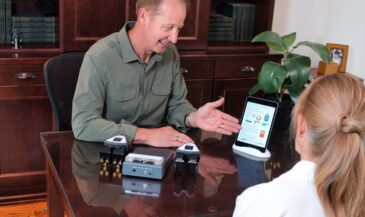
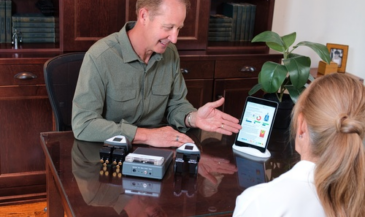
Here is the distinction that keeps this conversation responsible: INSiGHT scanning technology does not diagnose POTS, replace a tilt table test, or determine a medical subtype. It provides objective neurological exam data that help the chiropractor analyze autonomic balance, adaptive reserve, postural demand, and nervous system status.
That can be valuable because many POTS patients know what they feel but may not have language for regulation, compensation, or reserve. Neurological scanning gives the chiropractor and patient a shared reference point and a clearer way to discuss patterns over time.
neuroPULSE and Autonomic Adaptability
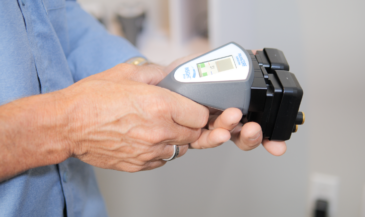
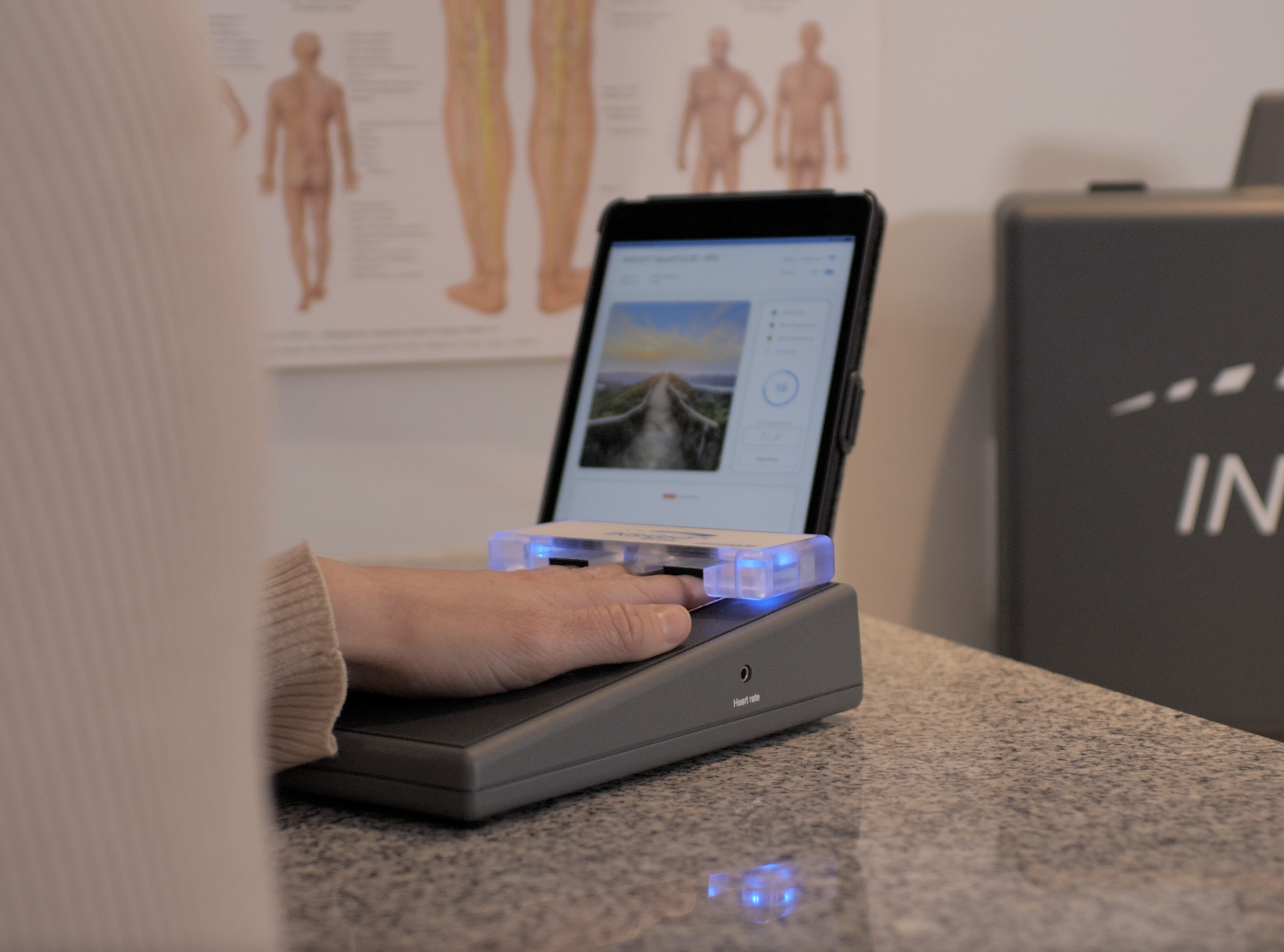
The neuroPULSE analyzes Heart Rate Variability, or HRV. Heart rate counts beats per minute. HRV analyzes the variation in time between consecutive heartbeats. Those beat-to-beat fluctuations provide information related to autonomic balance, activity, adaptability, and reserve.
This is relevant to POTS research because postural orthostatic tachycardia syndrome directly involves an abnormal autonomic response to standing. Even so, neuroPULSE is not a POTS diagnosis tool. It cannot confirm or rule out POTS, and it does not replace the heart rate response observed during 10 minutes of standing. Its role is to help establish a functional baseline and observe broader autonomic trends over time.
neuroTHERMAL and Regional Autonomic Patterns
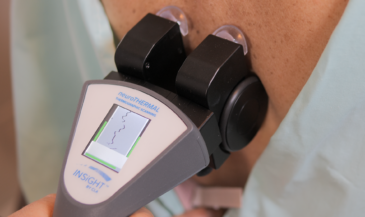
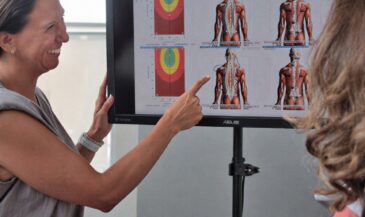
The neuroTHERMAL performs a fast full spine nerve system scan and analyzes paraspinal temperature patterns. Skin temperature is influenced by autonomic regulation, blood vessel tone, and regional blood flow. That gives the chiropractor another view of how the nervous system may be organizing autonomic activity along the spinal region.
For patients with POTS, thermal patterns may identify spinal regions needing attention and autonomic findings that deserve clinical context. They do not show where POTS comes from, and they should never be presented as proof that one spinal region caused the condition.
neuroCORE and the Postural Cost of Standing
The neuroCORE analyzes surface electromyography patterns in the paraspinal muscles. It can help reveal postural tension, asymmetry, motor tone reactions, compensation, and inefficient energy expenditure.
That somatic layer matters because upright posture carries a physical cost. People living with POTS may already use significant neurological and cardiovascular resources simply to stand. neuroCORE does not assess circulation or orthostatic intolerance directly, but it helps complete the neurological picture.
Synapse Software, CORESCORE, and Progress Reporting
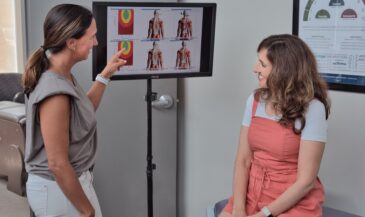
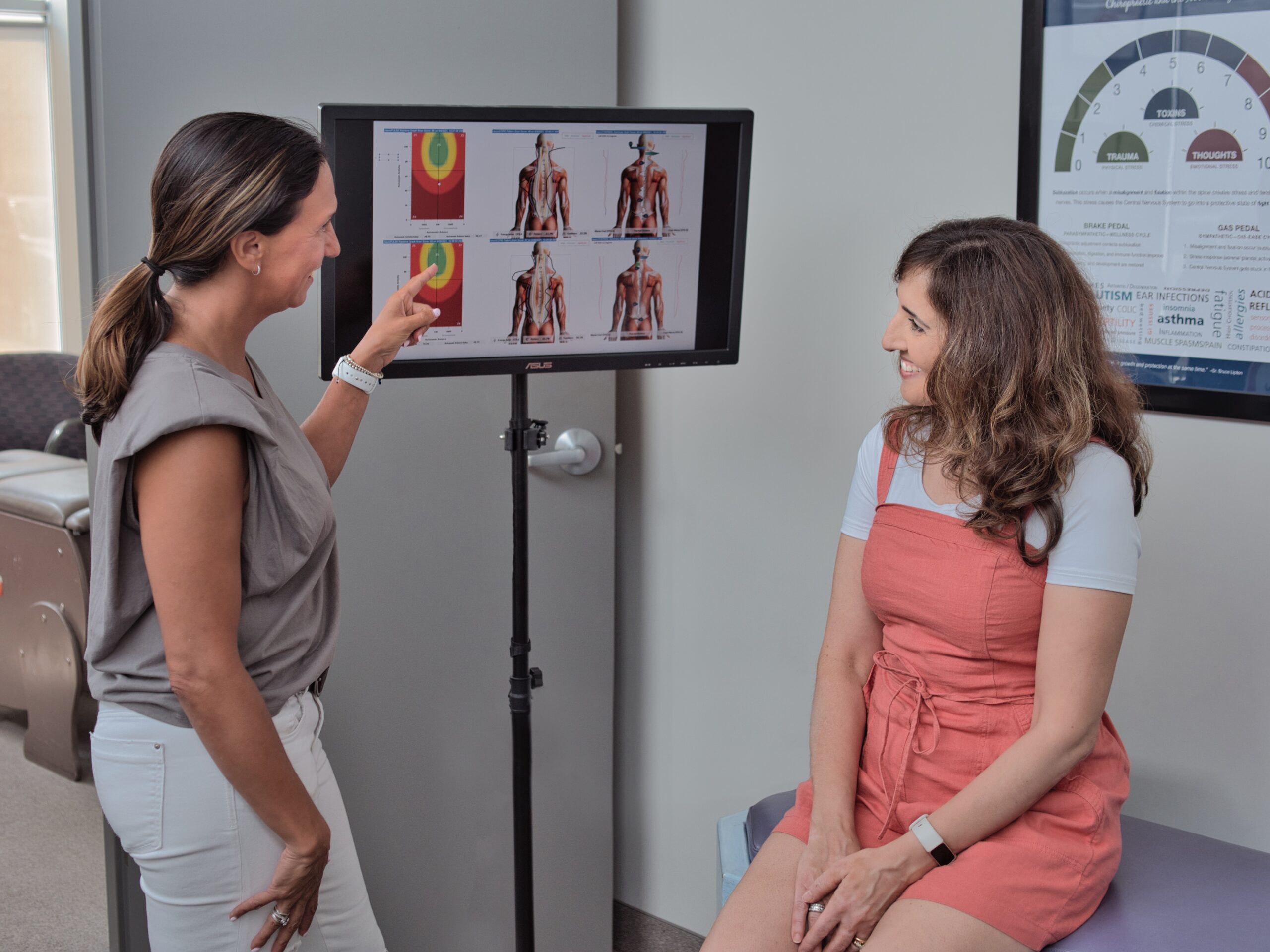
INSiGHT neuroTECH and Synapse software bring these data streams together through clear scan views and comparative reporting. The chiropractor can establish a baseline, interpret the findings alongside the history and exam, build the care plan from the complete clinical picture, and re-scan at appropriate intervals.
The CORESCORE combines neuroPULSE, neuroCORE, and neuroTHERMAL findings into a patient-friendly neurological efficiency score. It is not a POTS severity rating, a medical outcome score, or proof that the syndrome has resolved. It is a communication tool that helps explain nervous system performance.
A simple patient explanation may sound like this: “Your medical team is evaluating the condition itself. These scans help us look at how your nervous system is adapting, how much postural demand it is carrying, and how those patterns fluctuate over time.”
A Clearer Neurological Path for People Living With POTS
POTS symptoms are real, physical, and often complex. POTS can affect heart rate, blood pressure, circulation, cognition, digestion, temperature regulation, exercise tolerance, and the ability to remain upright. Some POTS symptoms are mild, while others significantly limit daily life.
For chiropractors, understanding of POTS begins with knowing what belongs in our lane. We should recognize the common symptoms, understand the diagnostic criteria for POTS, take fainting and significant cardiovascular signs seriously, and collaborate with medical providers when appropriate. That kind of responsibility strengthens the chiropractic role.
The chiropractic opportunity is not to reduce POTS to one spinal finding or promise a cure for POTS. It is to understand the neurological demand involved when the body tries to maintain upright function. It is to assess posture, adaptability, reserve, autonomic patterns, and neurological interference with care. It is also to help people living with POTS see that symptoms are part of the story, but they are not the entire story.
When chiropractors combine sound clinical judgment with objective neurological scanning, they give patients something valuable: a clearer view of nervous system performance, a more grounded way to discuss progress, and a care plan connected to the full neurological picture. That is how the chiropractic profession can support POTS responsibly, confidently, and with the clarity many patients have been missing.